Affiliate links on Android Authority may earn us a commission. Learn more.
The best tech of 2025: Android Authority's picks the top tablets, handhelds, foldables, and more!

Every year, we round up the best tech the year had to offer, and 2025 was among the best in recent memory. There was stiff competition across established technology categories, while new genres emerged and blossomed across the year.
But which products truly set themselves apart from the rest? Below are the devices that are our top picks for the best tech of 2025.
Don’t want to miss the best from Android Authority?
- Set us as a favorite source in Google Discover to never miss our latest exclusive reports, expert analysis, and much more.
- You can also set us as a preferred source in Google Search by clicking the button below.


The best smartwatches of 2025
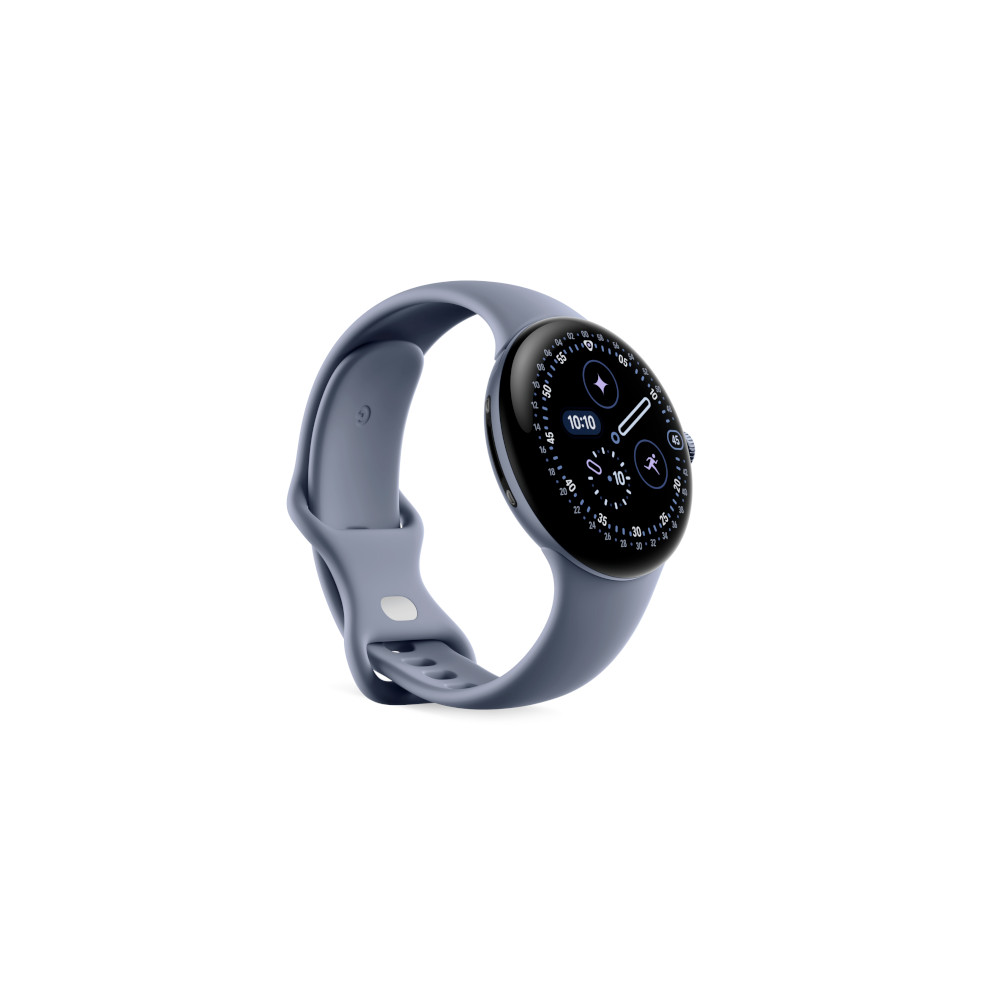
- Beautiful, refined design with Actua 360 display and thinner bezels
- Finally repairable with replaceable parts
- Battery life and charging improvements
- Refined Gemini integration
- Top-tier heart-rate accuracy
- Satellite SOS brings added safety
- Not sapphire crystal display glass
- GPS accuracy could be improved
- Fitbit Premium paywalls limit full feature access
- Charger not backwards compatible
Wear OS smartwatches haven’t reached their full potential in the years past, but in 2025, Google finally demonstrated what is possible with the Pixel Watch 4.
Battery life is now a highlight, not a weakness, while Google has buffed the device’s health tracking smarts with a skin temperature sensor and upgraded heart-rate tracking. Buyers also get an excellent voice assistant with Gemini, built-in SOS tracking for added safety, and a fully repairable device, which reduces e-waste.
The Pixel Watch 4 is by far the best Wear OS smartwatch you can buy, and our favorite overall wearable of 2025.

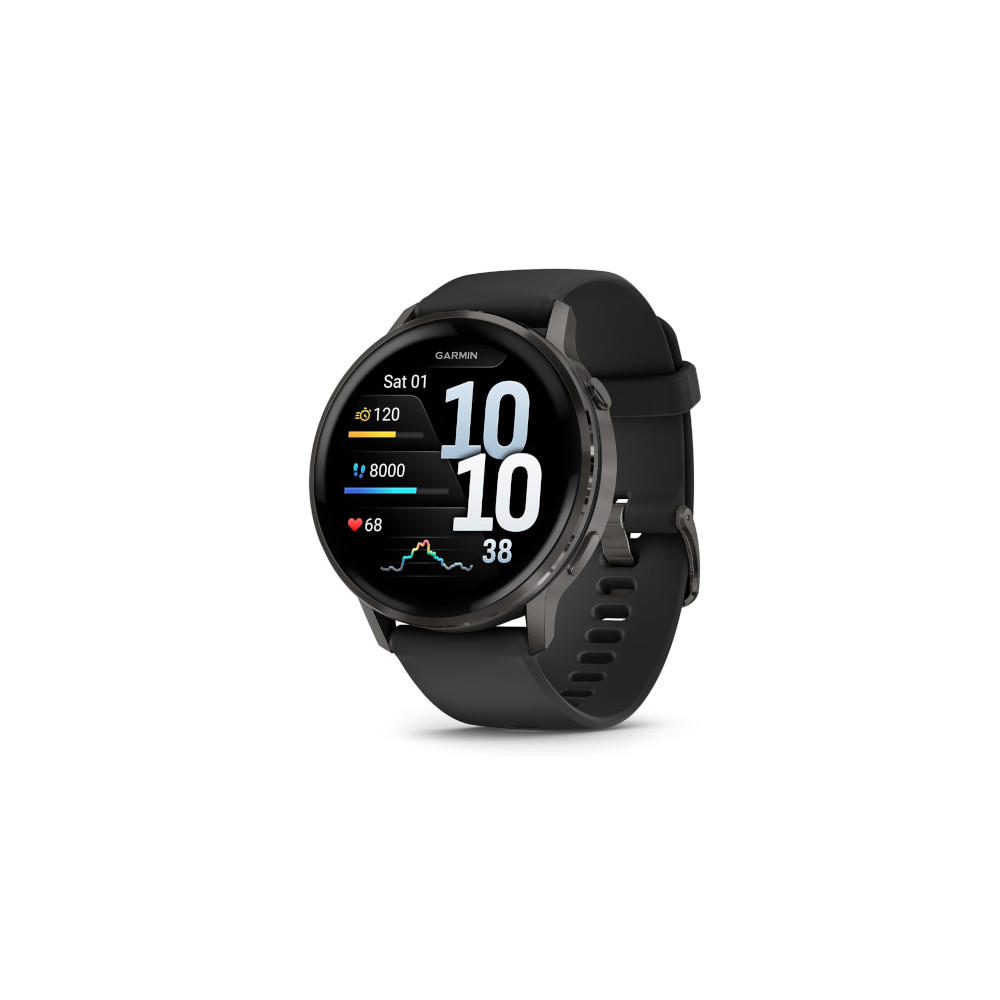
- Refined design with brighter display
- Improved OS is cleaner, faster, and adds accessibility upgrades
- Advanced fitness and training tools
- Excellent health tracking suite
- Reliable heart rate and GPS accuracy
- Solid battery life
- Still lacks onboard maps and LTE option
- Smartwatch experience trails Wear OS, watchOS
- Pricy if you don't need serious fitness and health tracking
If fitness tracking is more important to you than mere smartwatch features, the Garmin Venu series has long been the best option. The Garmin Venu 4 pushes this watermark even higher.
We thoroughly enjoyed Garmin’s refined operating system, which makes the most of that large, bright display. As it’s a Garmin, you get full access to the broad suite of fitness and health tracking features that novices who want accurate data and more advanced training options will appreciate, as well as serious athletes.
Best of all, the Venu 4 still excels in battery life, making it a reliable daily smartwatch companion.

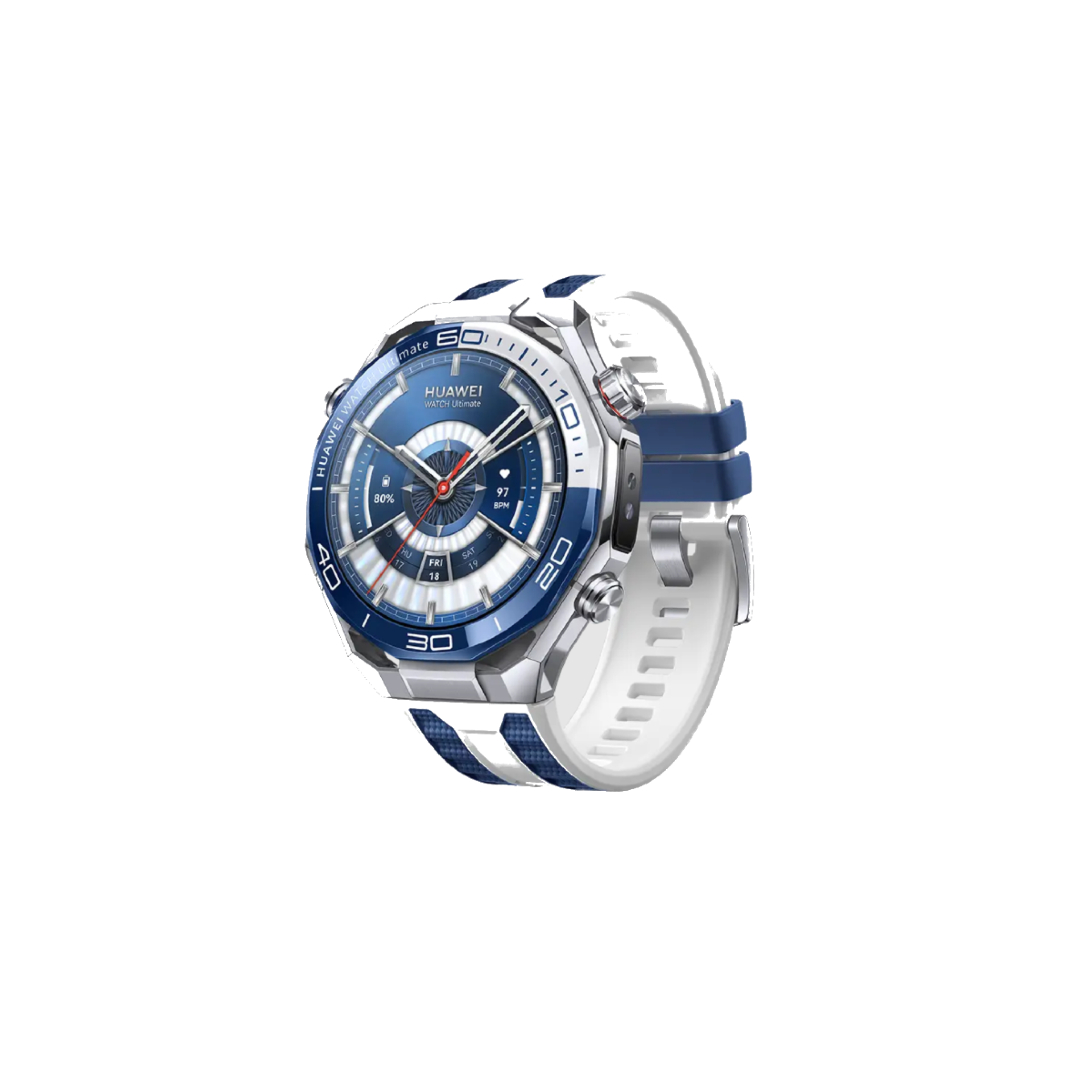
- Attractive, premium build with bright 1.5-inch display
- Unique X-Tap sensor for accessing health metrics
- Reliable dual-band GPS plus offline maps
- Advanced diving tools rated to 150m
- Solid battery life
- Independent eSIM calling
- May be too big for some
- NFC payments and other smart features vary by region
- Limited app support and ecosystem integration
When it comes to crafting high-quality luxury smartwatches, HUAWEI is still head and shoulders above the pack. The HUAWEI Watch Ultimate 2 is the best example yet.
Not just a pretty face, the Watch Ultimate 2 packs several features you won’t find on many other smartwatches. For diving enthusiasts, the watch is rated to depths of 150m, and for terrestrial travelers, it packs dual-band GPS and offline maps support for accurate trail finding. Then there’s the X-Tap sensor, which samples real-time health data by holding a touchpad on the edge of the watch — a simple yet effective system.
The Watch Ultimate 2 may not be the most form-fitting or understated wearable, but it’s an excellent premium device that covers all the bases, and more.

The best fitness trackers of 2025

- Advanced training tools and workout animations
- 80+ activities to track
- Smart Wake support
- Attractive and intuitive UI
- Fantastic battery life
- No upgraded HR sensor or ECG support
- No barometric altimeter
- Only available in one case size
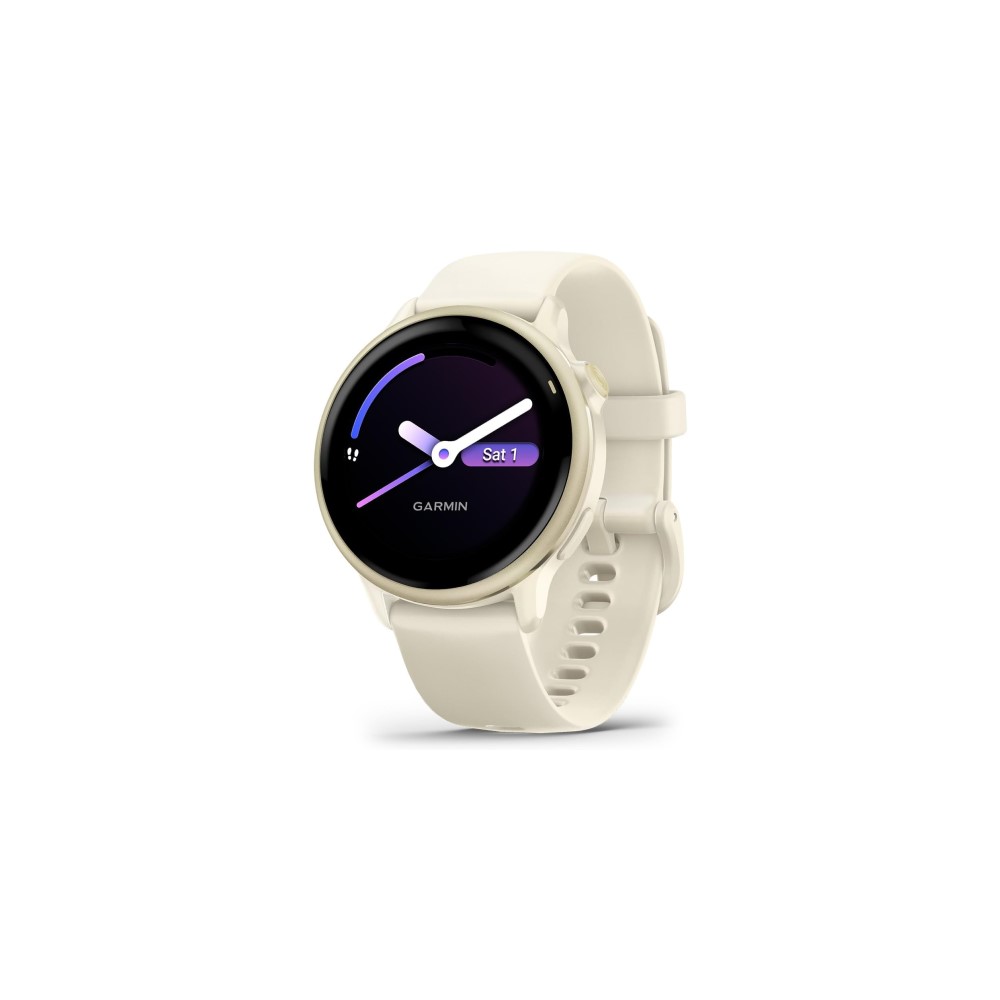
Not everyone needs the trappings of a fully-fledged training watch. Often, users can save a significant amount of money and still enjoy an excellent, well-rounded health tracking experience. Garmin’s vivoactive 6 is the company’s latest device that forefronts this idea.
Buyers receive accurate GPS tracking, mostly reliable heart rate monitoring, and a range of advanced training features designed for novices to get started. We particularly like its minimalist design, which is both comfortable and packs oodles of battery for long, uninterrupted journeys.
The best feature of the Garmin vivoactive 6 is its price. It doesn’t demand too much from your wallet, but it’ll help you get the best out of your daily training sessions.


- Incredible value for the price
- Larger, more vibrant display
- Loaded feature set
- Fantastic 21-day battery life
- Still missing NFC support globally
- Heart rate accuracy can vary by fit
- No built-in GPS
When it comes to affordability, few wearables can rival the Xiaomi Smart Band series. The latest device in the lineup, the Smart Band 10, is another great example of just how much you can cram into that minimal price.
Buyers will miss out on a few creature comforts, including built-in GPS and bulletproof health tracking accuracy, but the Smart Band 10 makes up for this with a gorgeous, large display and a battery that lasts and lasts. During our review, we could easily wait three weeks before topping it up again.


- Low price point
- Lightweight, comfortable design
- Fantastic battery life
- Tracks all core health metrics
- No sleep apnea detection
- Puck-style charger
- Limited workout/training tools
Smart rings no longer cost an arm and a leg (or a finger), and the RingConn Gen 2 Air is the proof. This excellent budget wearable impressed us this year with its surprisingly good battery life, its svelte and comfortable design, and its wide-reaching health tracking smarts.
At a time when manufacturers aren’t shy to hide their features behind subscriptions, RingConn doesn’t. All of the Gen 2 Air’s features are available from the get-go. Sure, it needs some polish and does sacrifice a few creature comforts to fit within its slim price, but it’s a stellar starter smart ring for budget buyers.

The best camera phones of 2025

- Excellent build quality
- Improved camera flexibility
- Upgraded battery capacity
- Smooth-as-ever software
- Slightly better charging
- So many exclusive features
- No SIM slot in the US
- Tensor G5 is better, but still not 'elite'
- Some new AI features still need work
We saw some pretty incredible camera phones launch in 2025, but the most complete package is undoubtedly the Pixel 10 Pro XL.
Google’s best phone so far also features Android’s best point-and-shoot camera system, yielding reliable results in various conditions and scenarios. The company has also refined the rougher areas of the Pixel experience, including increasing the battery capacity, further refining the Pixel software experience, and enhancing charging speeds both through the wire and over the air.
Sure, the Tensor G5 chipset isn’t the most sprightly option, and the limitation of eSIM-only models in the US makes for an awkward travel phone. Still, in the hand, few phones of 2025 offer a more complete user-centric experience than the Pixel 10 Pro XL.
- Great main and zoom cameras
- A ton of camera modes and settings
- Global software is actually good
- Rapid charging
- Stumbles under sustained load
- Ultrawide camera is an afterthought
- Much smaller battery for most markets
- General AI features lag behind Google/Samsung
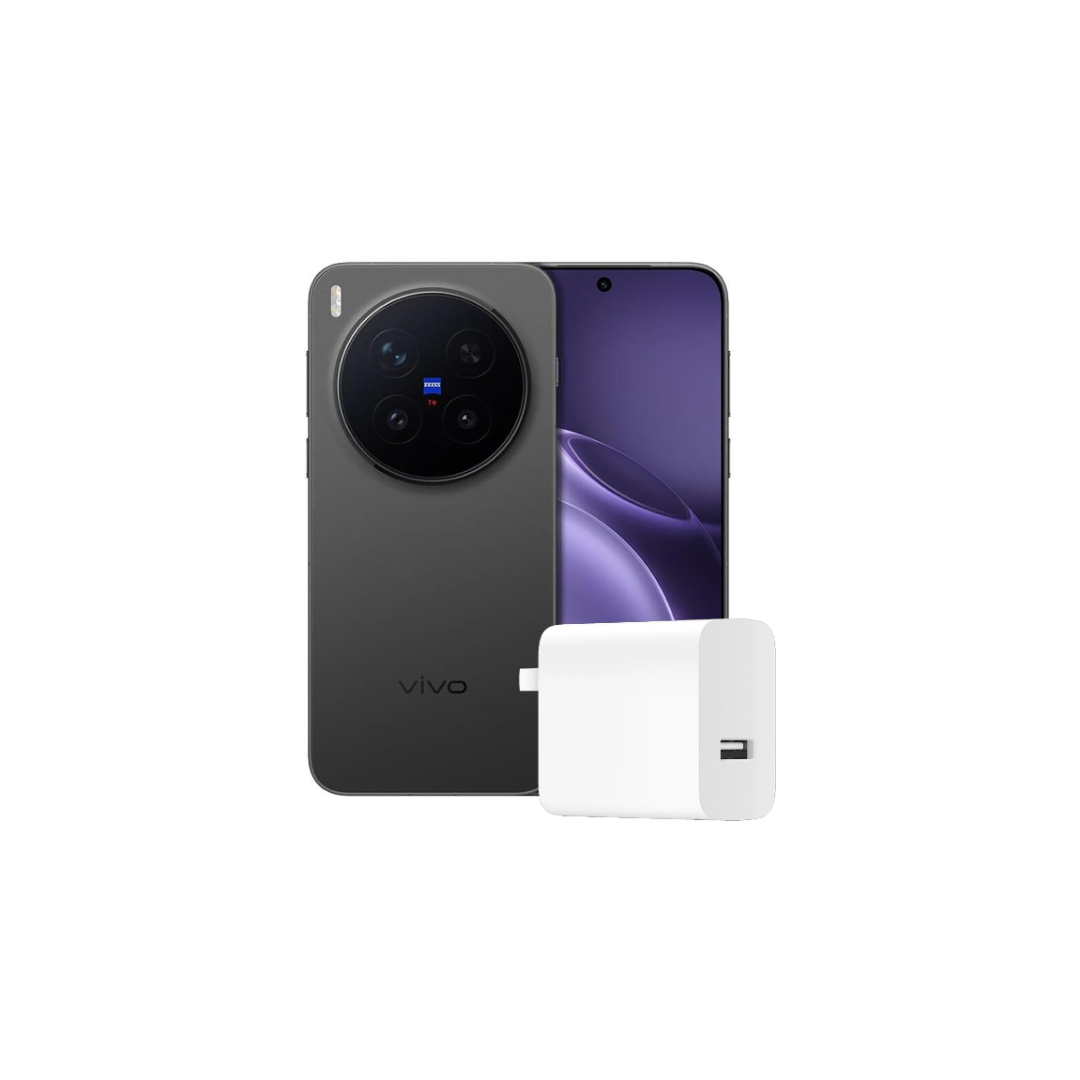
Seeking a more comprehensive imaging experience with your smartphone? The vivo X300 Pro packs camera hardware and software that few other devices can match.
The big draw of the X300 Pro is its zoom capabilities. In our review, the device pulled plenty of detail from a range of distant subjects, with and without its external zoom lens. That party piece unlocks even more of the device’s potential.
In terms of its smartphone chops, the vivo X300 Pro’s performance is admirable but not the pinnacle, while its battery capacity will take a considerable drop for buyers in Europe. It’ll also be challenging to find it in the US.
Nevertheless, if pushing the limits of smartphone photography is your thing, you really can’t go wrong with the vivo X300 Pro. It’s a thoroughly enjoyable camera phone worthy of that Pro label.

- Brilliant cameras
- Two-day battery life
- Fast universal charging
- Solid update policy
- Snapdragon overheats under load
- Questionable AI features
- HyperOS bloatware
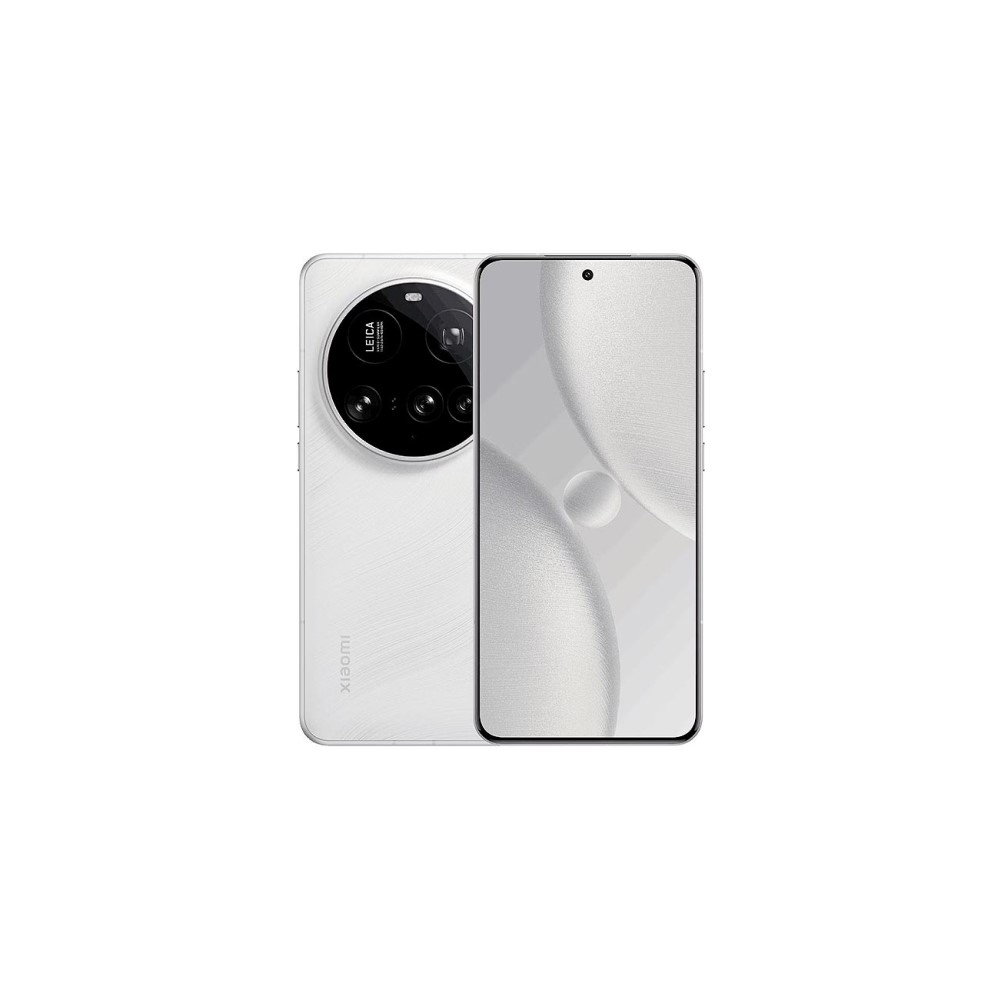
You’re spoiled for choice when it comes to camera phones launched in 2025. Our resident pixel peeper Rob Triggs declared the Xiaomi 15 Ultra “the absolute best smartphone camera package money can buy, bar none” in his review. It’s difficult to refute that.
The phone’s cameras undoubtedly take center stage and can easily compete with the best mirrorless cameras on the market. It snaps great images in almost all scenarios, from low to highlight, zoom to macro. It’s a versatile pocket camera that may even tempt professionals.
As a smartphone, Xiaomi left no stone unturned. It packs incredible battery life, rapid charging, and a respectable software support window. Sure, its Snapdragon chipset may run a little warm, some aspects of its software would perturb some users, and it has an eye-wateringly high price tag. Overall, its camera muscle mitigates many of these flaws and overlooks them.

The best mid-range phones of 2025
- Solid, reliable cameras
- Excellent update commitment
- Clever AI-powered features
- Great battery life
- New, streamlined design
- Excellent price
- Relatively slow charging
- Aging Gorilla Glass 3 (again)
- Missing Pixel Screenshots
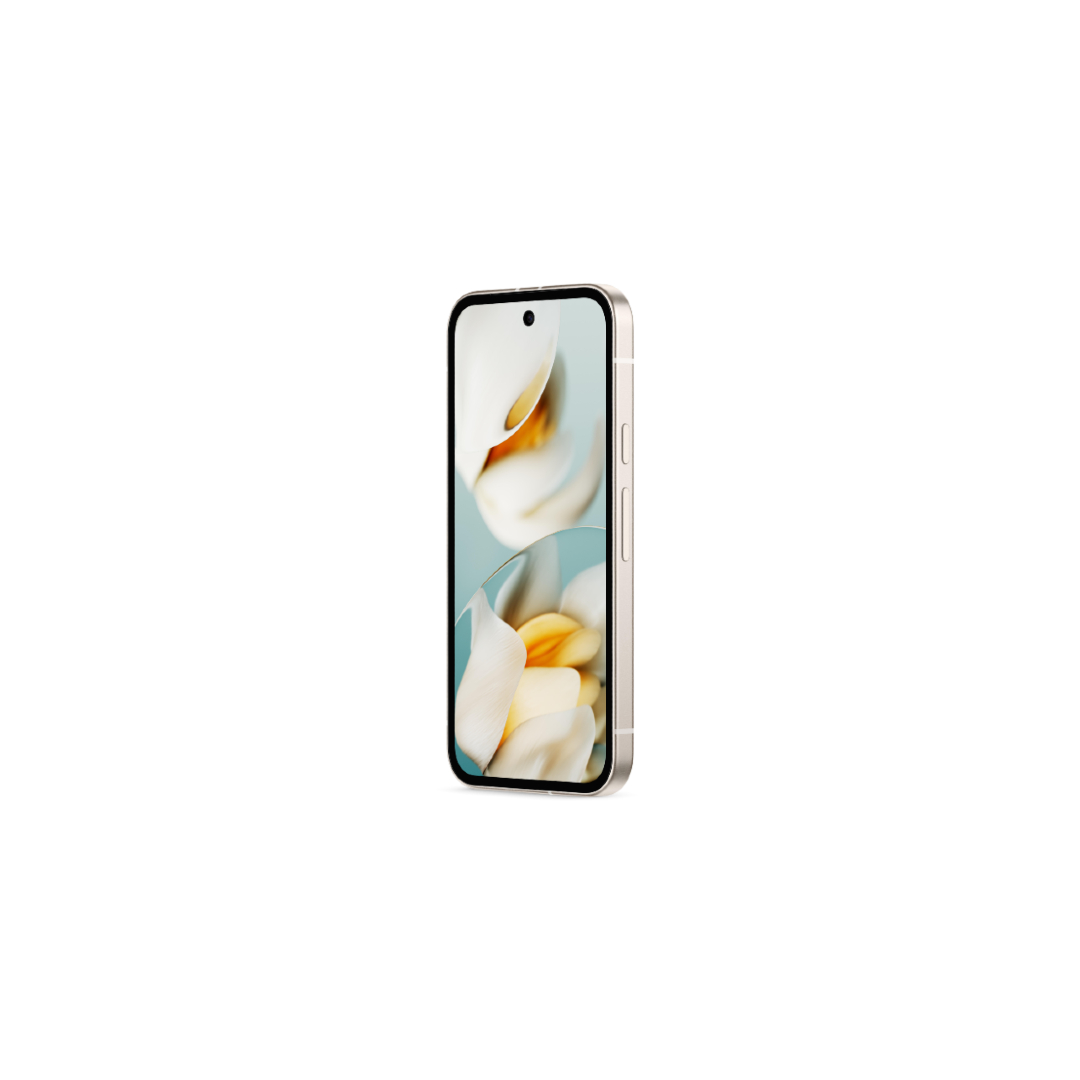
You don’t have to spend thousands of dollars for a great smartphone, and in 2025, the greatest example of this was the Google Pixel 9a.
This cheerful and affordable handset combines the best of Google’s software and imaging experience with one of the largest batteries ever fitted to a Pixel device, along with a visually pleasing design. As a Pixel, users are privy to many of the exclusive features that make Google’s smartphone range such an excellent digital companion.
When it comes to value, no other smartphone can hold a candle to the Pixel 9a. For that reason, it’s also the best-ever Pixel A device.

- Speedy performance
- Long-lasting battery
- Great main camera
- Improved update commitment
- Superb value for money
- Weak ultrawide camera
- No wireless charging
- Limited quality selfie video
OnePlus has largely lost its roots as a flagship-killer, having launched high-end devices of its own; however, the OnePlus 13R marks a wonderful return to its past form.
This modestly priced handset delivers rapid performance thanks to its Snapdragon 8 Gen 3 SoC, which effortlessly navigates mobile games. The phone backs this up with a roomy battery and quick charging, while the reliable primary camera makes it a reliable snapper when required.
While its direct follow-up, the OnePlus 15R, failed to impress, it’s still difficult to ignore the OnePlus 13R at its sub-$600 price.

- Larger battery with good endurance
- Significantly faster wired charging
- Plenty of Galaxy AI and general features
- Seven years of OS and security updates
- Slimmer and lighter design
- No performance upgrades
- Rear cameras showing their age
- Only 8GB/128GB in base model
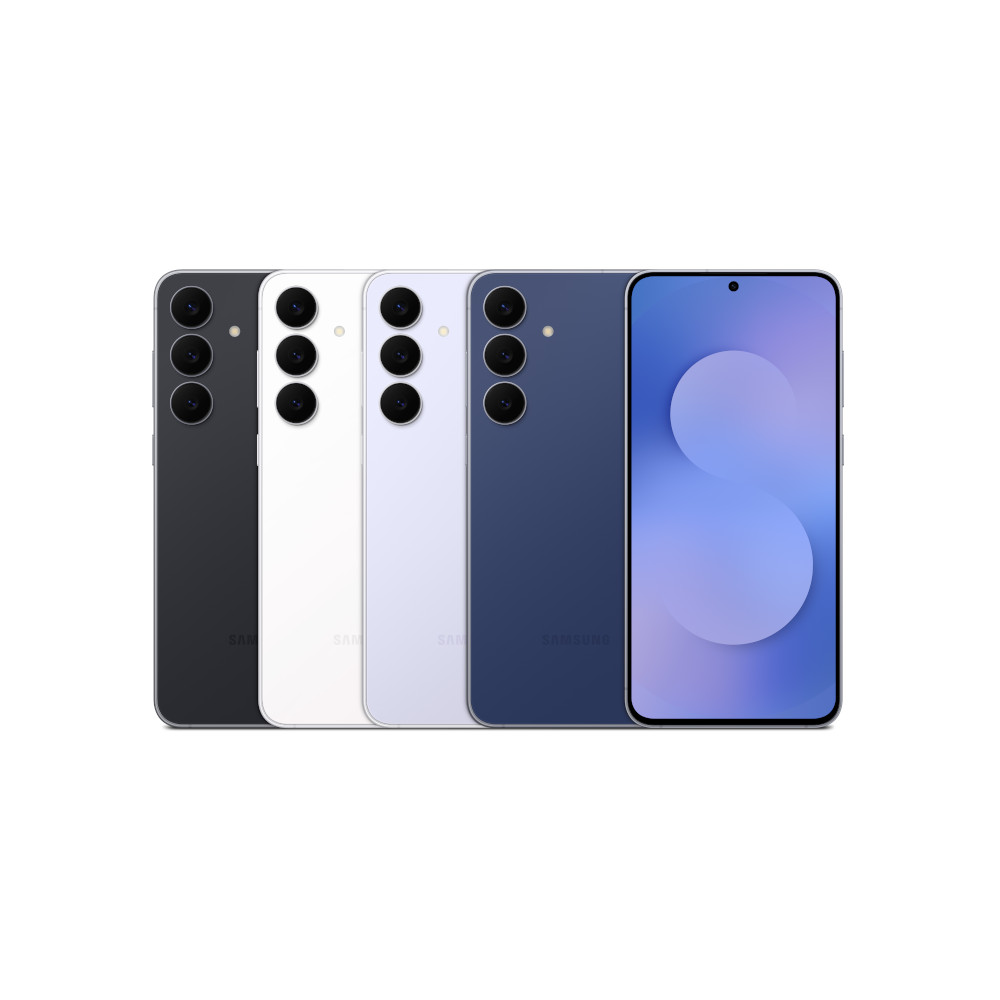
Samsung’s FE, or Fan Edition, series has grown into the perfect entry point into the company’s smartphone ecosystem. The Galaxy S25 FE may not have the trimmings of more premium Galaxy handsets, but it covers the basics well.
While Samsung hasn’t upgraded the device’s performance over the previous model, it has upped the battery capacity and charging speed, and made the device far easier to handle.
Those who own previous FE models may not see the benefits of upgrading, but newcomers seeking a robust experience with years of software support ahead should consider the Galaxy S25 FE.
The best budget phones of 2025

- Incredibly low price
- Amazing design and display
- Cool modular features
- Primary, ultrawide, and telephoto lenses
- Good update commitment
- Not good for a US-based buyer
- Controversial Essential Key
It’s remarkable just how much kit the CMF Phone 2 Pro crams into its sub-$300 price tag. If you can get your hands on one, it’s by far the best smartphone in its price bracket.
Its design is straight out of Nothing’s playbook, melding a minimalist shell with futuristic flourishes. One of its party pieces includes a modular system that allows the attachment of various accessories.
The CMF Phone 2 Pro features a rather impressive camera setup, especially considering its price point. More remarkable is the inclusion of a telephoto lens that more than carries its own weight.
The only drawback to the Phone 2 Pro is its limited availability, particularly for buyers in the US, where you can technically get your hands on one, but the carrier support will be extremely limited.


- Stellar software update promise
- Solid primary camera
- Decent battery life
- Great price
- Good charging
- Just-okay build quality
- Aging performance
- Weak peripheral cameras
- Bland design
Budget phones are designed to provide the basics without frills or fuss, and the Galaxy A16 5G is a prime example of this. It’s been the best starter Android phone you could buy throughout 2025.
Samsung is well used to making bread-and-butter smartphones, but the Galaxy A16 5G packs plenty of flagship-level smarts. For one, it includes a lengthy software support period that would embarrass phones far pricier than it. Pair this with adequate cameras, a spacious display, acceptable battery life, and solid charging capabilities, and you have a competent budget handset.


- Solid camera options
- Excellent wired charging
- Convenient built-in stylus
- Cleaned up bloatware
- Eye-catching blue finishes
- Improved AMOLED panel
- Underwhelming update commitment
- Cheaper plastic construction
- Battery life is decent but not great
The Moto G Stylus 5G (2025) is among the most unique budget smartphones available. Its biggest draw is its built-in stylus, which makes drawing and notation on the device a breeze. But, beyond this single item, the phone’s a well-built, attractive sub-$400 handset.
It includes a peppy AMOLED display paired with a striking Pantone-colored plastic shell. It also introduces a competent camera system, quick wireless charging, and a software experience that lacks those annoying apps you were planning to uninstall anyway.
The Moto G Stylus 5G (2025) shows how focused Motorola devices can be, especially at the lower end of the price range.

The best foldable phones of 2025

- Blisteringly fast charging and excellent battery life
- Ultra-flagship-tier performance
- Solid dual camera setup
- Top-notch materials and eye-catching Pantone colors
- Two very vibrant displays
- Clean, simple software
- Moto AI feels half baked
- Limited software commitment
- Long-range zoom kinda stinks
- Expensive
The Motorola Razr Ultra is easily the best foldable phone of 2025. Granted, it chooses to flip rather than fold, but this combination of incredible specs, thoughtful design, and compact body makes it difficult to beat in this highly competitive genre.
The Razr Ultra makes full use of its dimensions, featuring a large 165Hz 4-inch external display that remains entirely usable when the device is folded. Unfold the phone to reveal its 6.9-inch, 165Hz internal screen, which is as vivid as it is quick.
All this is paired with flagship-level internals, lengthy battery life supported by rapid charging, and a competent camera setup.
It’s expensive, and Motorola really needs to work on its software commitment and development, but the Ultra easily overcomes these minor flaws.


- Incredible slimline design
- Improved internal display
- Solid performance
- Good enough battery life
- Flexible cameras
- Excellent update commitment
- No S Pen support
- Lame wired charging speeds
- Prohibitively expensive
If larger foldable phones are of interest to you, you can’t get better than the Galaxy Z Fold 7. Seven generations in, Samsung has clearly mastered the art of making foldables. The Galaxy Z Fold 7 displays all these learnings and refinements with a far thinner body, a more impressive foldable screen, and flagship-tier performance.
A large part of the foldable experience hinges on the software. The Galaxy Z Fold 7 is ideal for multitasking, especially when considering Samsung’s DeX experience.

- Solid performance
- Improved hinge
- New Pantone color options
- Flexible cameras
- Excellent price
- Slower charging than other Razrs
- Limited software update commitment
The vanilla Motorola Razr continues to set the standard for sub-flagship flip phones.
Despite its cut price, Motorola doesn’t skimp on too many features, giving the phone a usable cover display, a capable camera pairing, and a welcome chipset upgrade over its predecessor. It’s the perfect entry-level foldable.

The best tablets of 2025

- Vibrant 144Hz display
- Premium, versatile design
- Phenomenal battery life
- Blisteringly fast charging
- Elite performance
- Punchy speakers
- Rising price tag
- Limited Android version updates
- Basic front camera
- No fingerprint biometrics
The OnePlus Pad 3 is the overall best Android tablet we’ve used in 2025. Not only does it check important build quality and design boxes, but it also supports a plethora of accessories, comes with thoughtful software that enhances its multitasking potential, and features premium hardware to help make it all work.
We particularly appreciate its longevity and rapid charging capabilities, which are particularly useful when the battery eventually runs out. It might be pricier this time around, but it’s well worth it.

- Great battery life
- Upgraded wired charging
- Solid commitment to software updates
- Just enough AI features
- Durable IP68 rating
- LCD instead of OLED panel
- Quarterly updates rather than monthly
- Expensive accessories
Samsung has a knack for making solid tablets, and the Galaxy Tab S10 FE is a great example that lives up to the FE brand pedgree of delivering quality at a more reasonable price.
It’s not flashy nor does it cram in the features of its premium siblings, but it offers solid build quality, Samsung’s lengthy software support window, and good endurance.


- Premium build
- Excellent display
- Unbelievably loud speakers
- Good performance and battery life
- Comes with a free stylus
- Very limited Android updates
- A bit too big and heavy
There are great Android tablets for even less cash, and the Lenovo Idea Tab Pro was the best of 2025 that fell under the $400 mark.
That relatively modest price tag buys you a well-built product that excels as an entertainment center. We really love its bright speakers and surprisingly good LCD panel.

The best robot vacuums of 2025

- Big suction power
- Improved hair anti-tangle
- Extending mop arm
- LiDAR and laser navigation
- Vacuum bag in base station
- Lengthy maintenance-free operation
- Noisy de-tangling side brush
Looking for an excellent value-for-money robot vacuum? You’d have been hard-pressed to find a better product than the Narwal Freo Z10 this year, and it’s still a great buy today.
This automated cleaner is a versatile solution, incorporating many of the company’s best features into a smart, maintenance-free cleaning system. It can mop, offers incredible suction power, and easily navigates obstacles with its LiDAR and laser sensors.


- Self-cleaning
- Auto-empty
- Multi-function base station
- FlexiArm brush and mop
- Anti-tangle system
- Lacks auto-detergent
Usually, you’d have to spend well over $1,000 for a cleaning solution that doesn’t need babysitting; however, the Roborock Qrevo S5V bucked this trend.
Coming in at under $900, it offers a range of features that premium automated solutions often lack, including brilliant coverage, mopping capabilities, and self-cleaning programs. The only mark against it is its lack of auto-detergent, but that’s a minor blemish in an otherwise gleaming product.


- Quick, quiet, efficient
- Solid suction power
- Superb mapping and navigation
- Gets into corners
- Fits under furniture
- Avoids collisions
- Threshold clearance can be overambitious
- Expensive
If your abode has plenty of furniture legs, floor obstacles, and sharp corners, the Roborock Saros 10R is for you.
It’s by far the best robot vacuum we’ve tested for mapping and navigating busy spaces. It utilizes AI smarts for more intelligent pathing, easily creeps under most couches, and smartly avoids crashing into objects. It’s a little expensive, but considering its pros, we certainly don’t see that as a con.

Best earbuds of 2025

- Twist-to-adjust stabilizer
- ANC and transparency
- Affordable price
- Bluetooth Multipoint and Audio Switch
- No wireless charging
- No swipe volume controls
The Google Pixel Buds 2a are the best bang for the buck earbuds you can buy for your Android phone, bar none.
Yes, they’re billed as the company’s more affordable audio solution, but they’re comfortable to wear, include ANC and transparency modes, and integrate with Gemini and Gemini Live.

- Sound quality
- ANC
- Bluetooth 5.4 with LDAC
- Price
- No Smart Dial
- No wireless charging
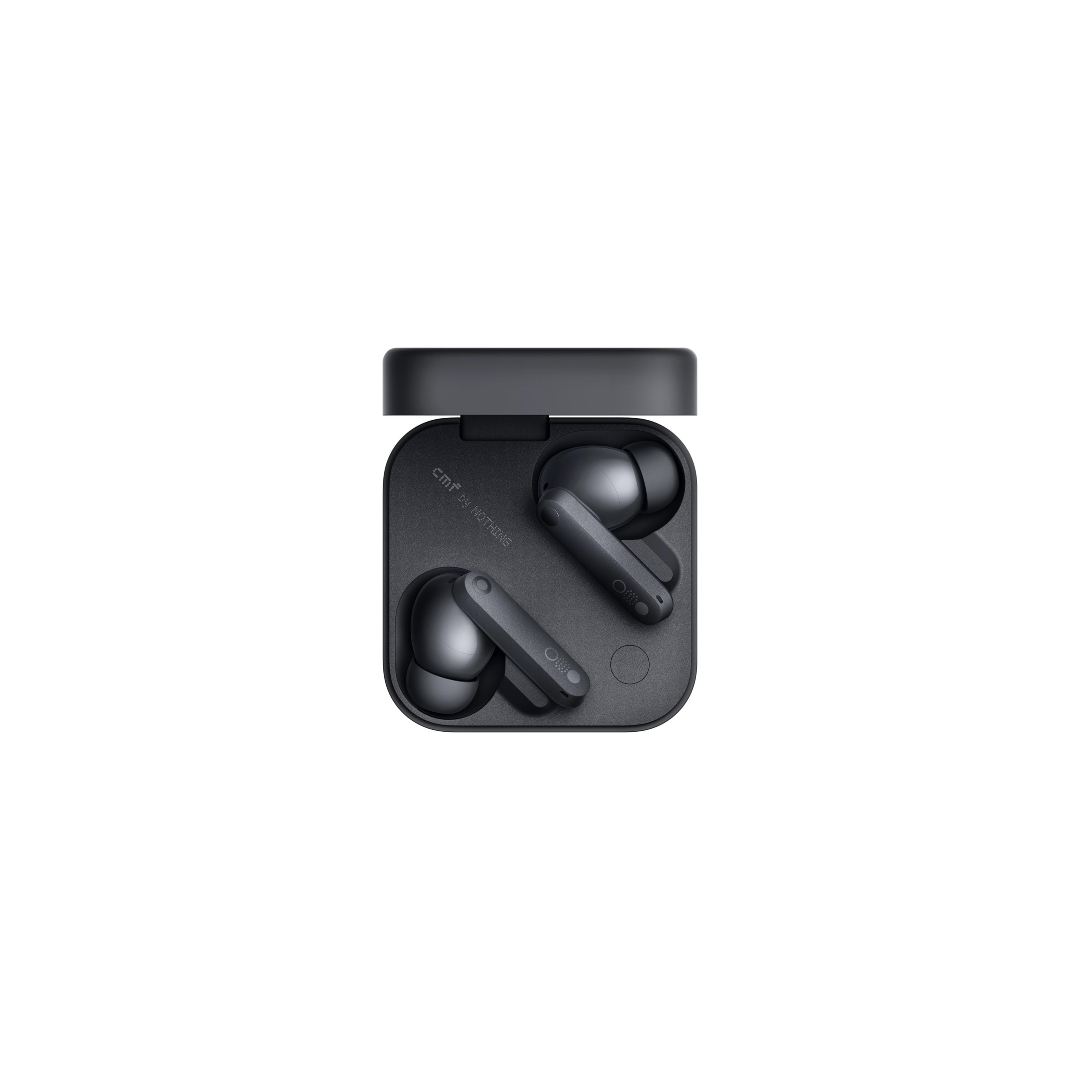
The CMF Buds 2 Plus offer stellar value for money, especially if you’re looking for earbuds with broad feature coverage.
Although it might’ve ditched the Smart Dial on its predecessor, it still offers solid sound quality, includes ANC support, and comes with a price that even the fussiest buyer could stomach.

- Open design
- Lightweight and comfortable
- Good battery life
- Impressive bass response
- Expensive
- Don't block out noise
- Bluetooth 5.4 instead of Bluetooth 6
- Sound quality depends on fit
The HUAWEI FreeClip 2 solve plenty of those annoying earbud problems thanks to their unique design and comfortable fit.
As the name suggests, the FreeClip 2 are right-left agnostic, meaning that either bud will fit in either ear.
They’re also designed with all-day wear in mind, packing a comfort-first bridge-shaped design. These are great options for those who dislike cramming earbuds into their ear canals, and they still pack great sound, too.

The best design of 2025

- Excellent noise canceling
- Decent in-call noise rejection
- Unique, IP52 water-resistant design
- USB-C audio support
- Bluetooth 5.3 and LDAC codec
- 8-band custom EQ
- Minimal headband padding and tight clamping force
- Hinges don't fold
- Heavy, uneven weight
- Worse sound profile with ANC
- Some Nothing-exclusive features
Nothing’s unique smartphone aesthetics carry forward into the Headphone 1, the company’s rather excellent debut headphones.
They’re really comfortable, pack ANC, have a roomy battery, and have controls via their own dedicated app. While it’s clear that this is a first effort, Nothing got plenty right.

- Solid camera system
- IP58/59 rating
- Easy to handle
- Difficult to find in the US
- Expensive
- Smaller battery on global models
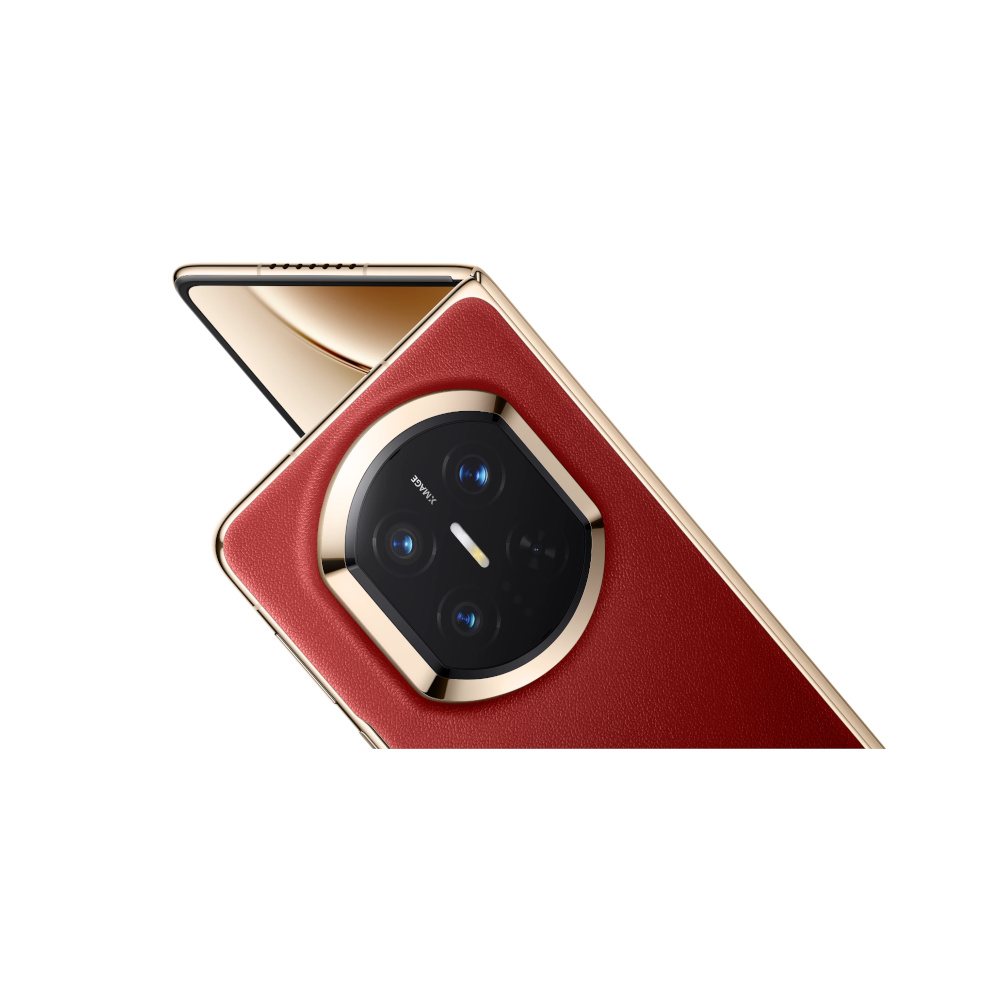
The Mate X7 is HUAWEI’s latest example of how to make a gorgeous yet practical foldable phone, featuring an attractive design (check out the Light-Woven Brocade colorway), a bright 6.49-inch external screen, and a spacious 8-inch internal panel.
The device also accommodates an impressive camera system, quick charging, and a large battery. Best of all, users get IP58/IP59 water and dust resistance ratings, making the Mate X7 a viable choice for more extreme users.
- Supports Dolby Audio
- Compact design
- Up to 120-inch projection size
- Limited to 1080p
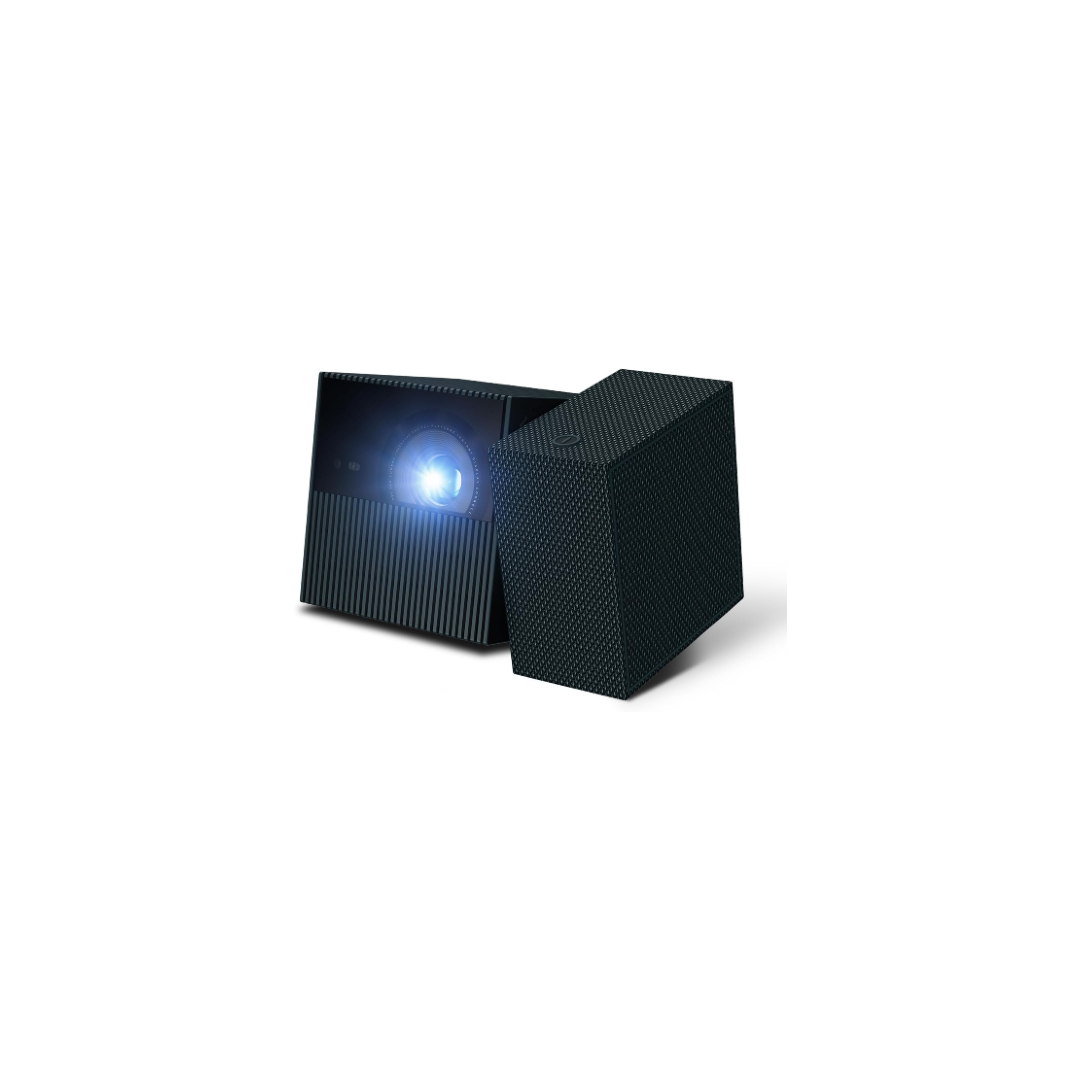
We saw plenty of quirky tech at CES 2025, but one of the standout products was TCL’s PlayCube. That initial concept is now a product you can buy, and it’s one of the most unique-looking portable projectors we’ve ever seen.
This adorable retro-futuristic device hides a projector system that runs Google TV and is powered by a built-in battery. This makes it both a capable and portable entertainment solution.

The best accessories of 2025
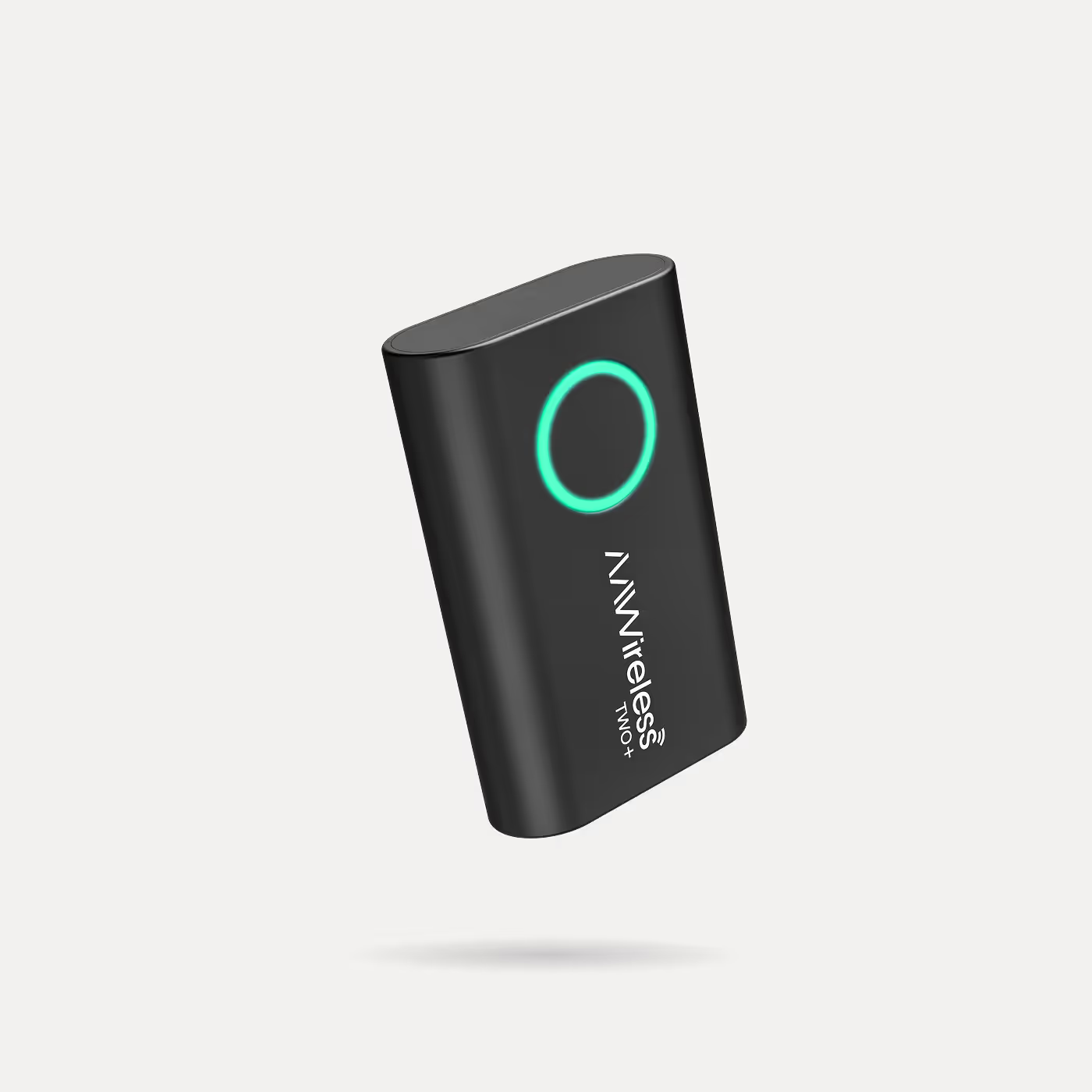
- Android and iPhone support
- Easy to set up and use
- Truly set it and forget it
- Wide compatibility with vehicles
- Very fair price
- Can't change phone names
- Connecting takes longer than desired
The AAWireless Two Plus is the perfect driving companion, allowing users of both Android and iPhone to switch between Android Auto and Apple CarPlay connections seamlessly.
We love how easy it is to use, with the most challenging part of it being plugging it in. It’s affordable, reliable, and is genuinely one of the best devices you can purchase for your car.
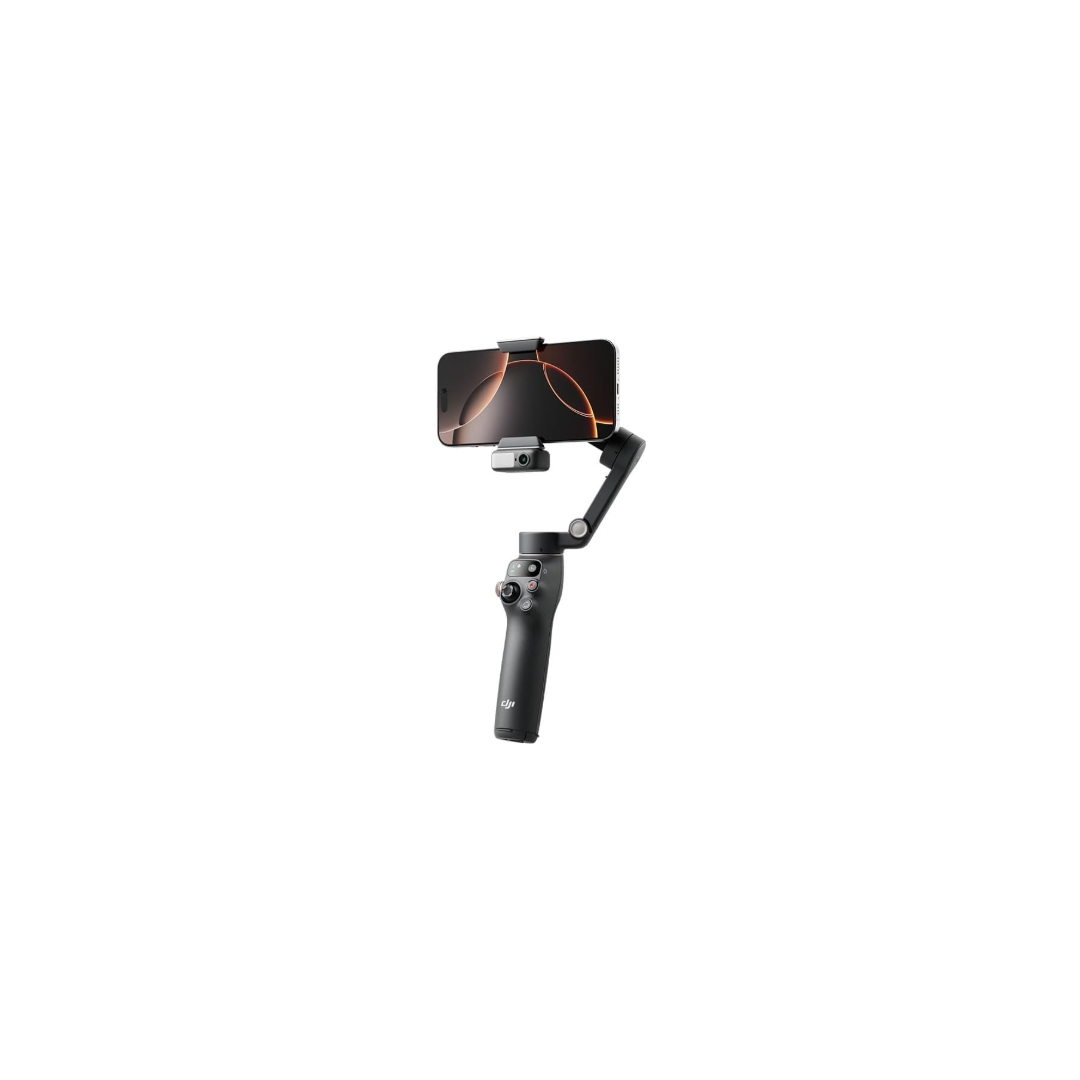
- Excellent stabilization
- Beginner-friendly setup and controls
- Multifunction module adds real value
- Compact and lightweight design
- Hidden tripod legs are poorly signposted
- Full feature set depends on add-on module
- Premium pricing
The DJI Osmo Mobile 8 is a fantastic smartphone gimbal built to turn your flagship smartphone into a complete videography solution.
It offers excellent stabilization, superb portability, and a multifunctional module that brings out the best in the entire system. Best of all, it’s seamlessly compatible with DJI accessories, making it a ready-made fit for those already part of the ecosystem.
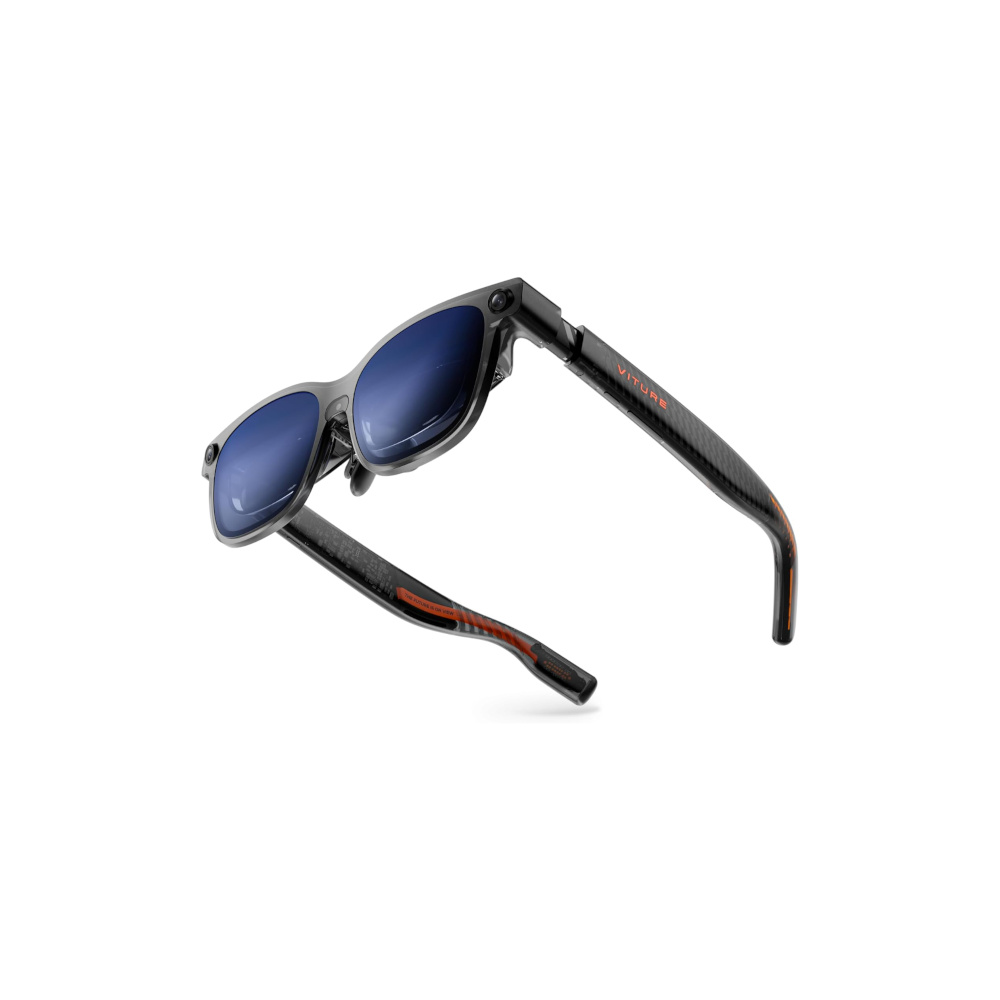
- 120Hz refresh rate
- 6DoF tracking smarts
- Solidly built
- Frame might not suit everyone
- Software can be buggy
Extended reality, or XR, appears to be gaining ever more traction, but it’s a technology you can gain access to right now. One of the companies leading the line is VITURE, and its Luma Ultra glasses are among the more impressive devices we’ve tested this year.
They’re a step up from the already capable Luma Pro models, and pack 6DoF for translational tracking, which ensures that windows projected onto the display don’t move around. It’s a brilliant experience.
The best chargers of 2025

- Great protocol support
- Multi-laptop charging
- Fast hot swapping
- Expensive
- Heavy
- Overkill for most
If you need the power equivalent of a small nuclear power station, the UGREEN Nexode 500W charger is for you.
This six-port GaN charger is designed for desktop use, supporting a wide range of protocols, and is capable of charging multiple laptops simultaneously. It can supply up to 240W if required. That’s more than enough power for many of us (at least for now), but for those who do, the UGREEN Nexode is easily the best option.

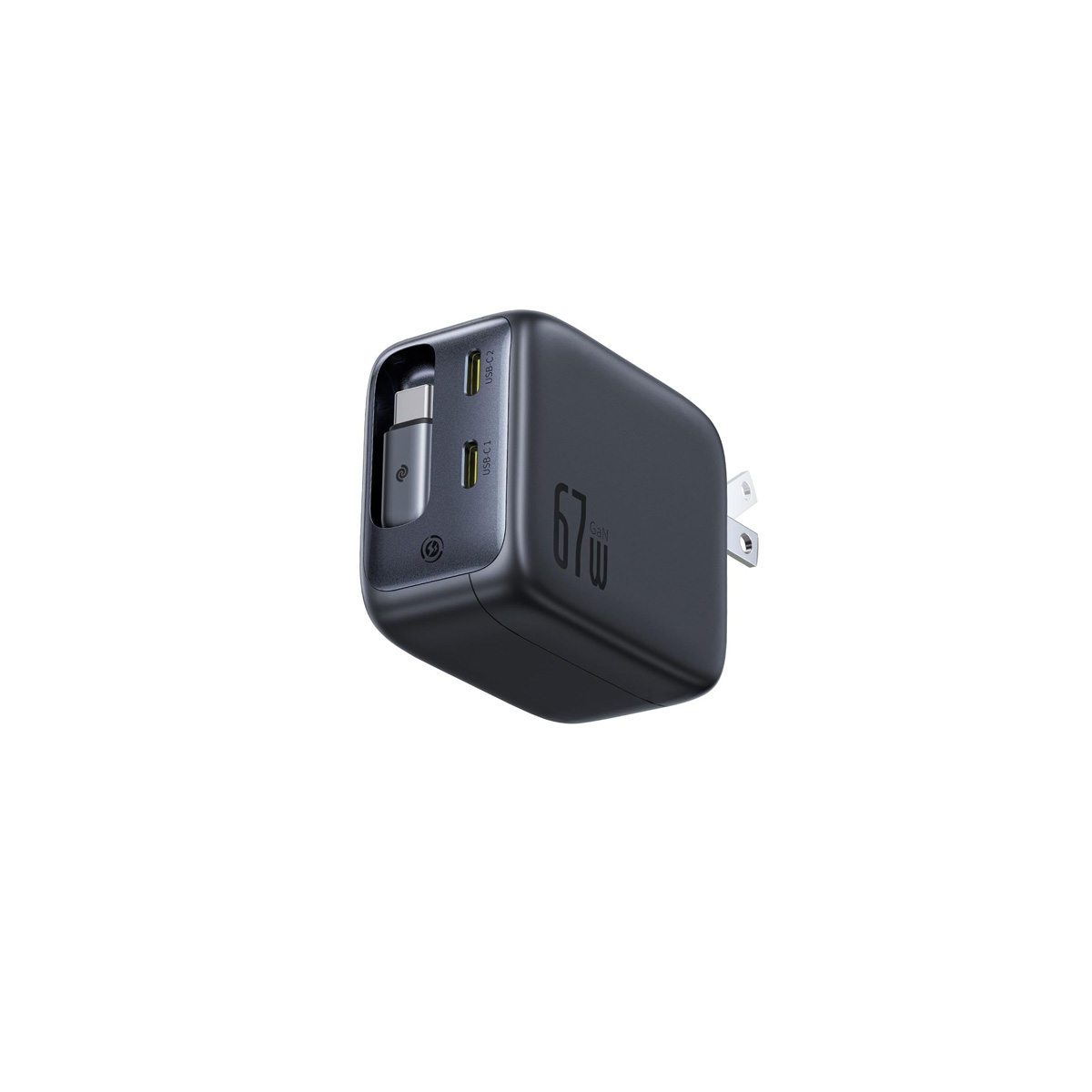
- Delivers fast speeds from all 3 ports
- Convenient built-in retractable USB-C cable
- Compact size
- Compatible with the Pixel 10 Pro XL
- 67W isn't enough for demanding laptops
- Retractable cable could be a point of failure
On the other end of the spectrum, the Baseus Enercore CJ11 is among the more compact wall chargers you can snag for yourself.
It supports up to 67W and multiple protocols, allowing it to easily top up most of the world’s best Android smartphones. It also packs three ports and a retractable USB-C cable, making it the ideal multi-device travel companion.

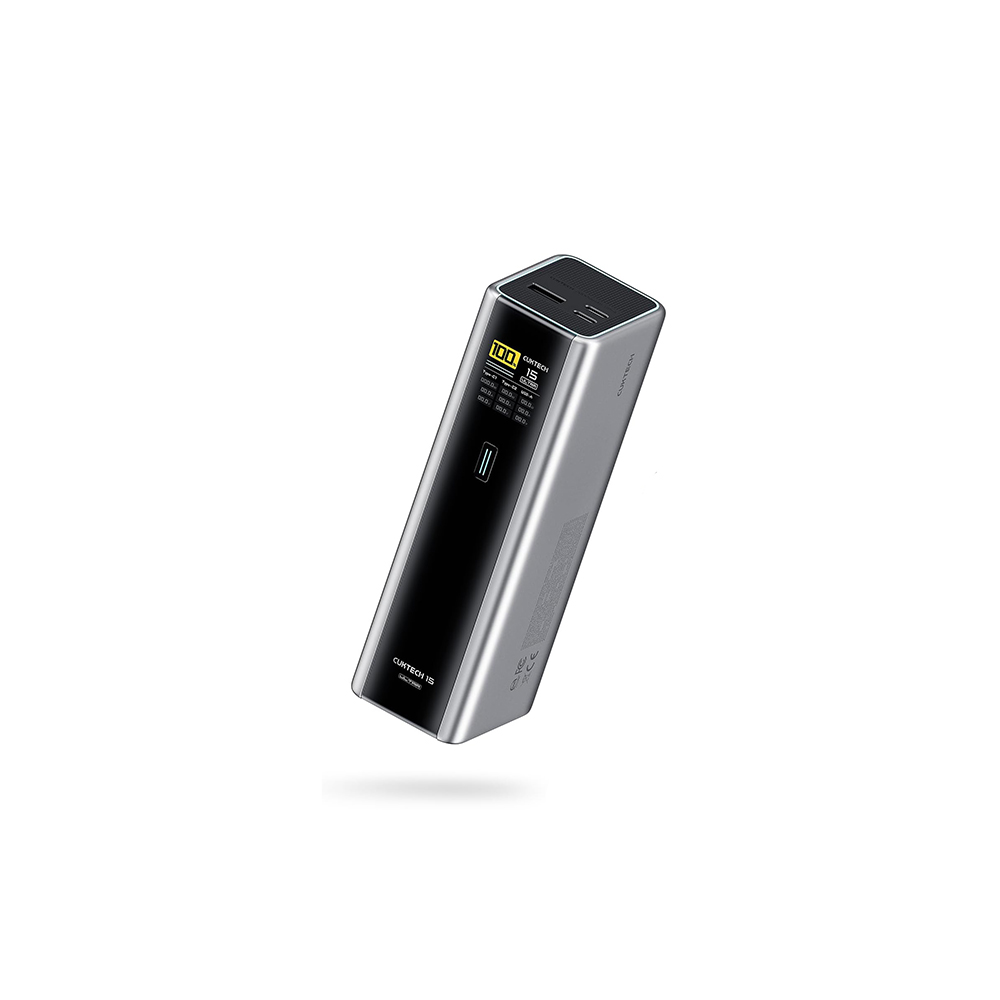
- Great between portability and power
- Amazingly fast to recharge
- Quality design
- Reasonable price for capacity and specs
- A bit on the heavier side
- Would be nice if it had an extra port or two
Portable chargers often trade capacity for pocketability, but the CUKTECH 15 Ultra strikes this balance exceptionally well.
With 20,000mAh on tap and 165W maximum output, it covers just about every portable device’s power needs. We also really appreciate its solid physical design and practical elongated cube shape.

The best smart home products of 2025

- Supports all Homey Pro software features
- Compact size
- Built-in Ethernet port
- Very competitive price
- Half as much RAM as regular Pro
- Lacks support for some smart home protocols
- Must connect to network with Ethernet
Every functional smart home needs a central hub, and the Homey Pro Mini is among the best options on the market.
It resembles an Android TV from days gone by, but it offers extensive support for standard smart home protocols and features Homey’s intuitive management software. It’s by no means a good solution for those craving complete and comprehensive control, but it is a good starter product for your smart home journey.
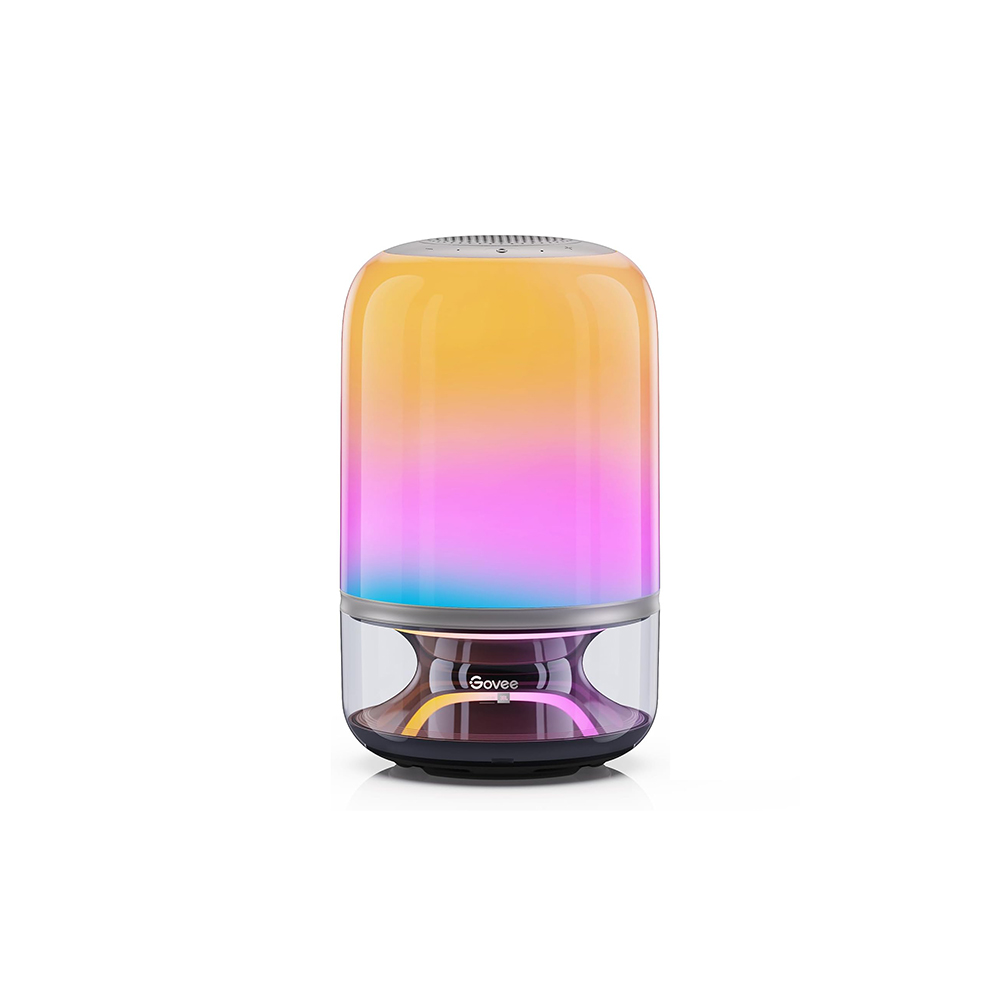
- Surprisingly good sound for non-dedicated speaker
- Gets pretty loud
- Technically portable (includes battery)
- Really cool lighting effects
- Pricier than other speakers and/or comparable lights
- Larger than common portable speakers
- Not bright enough to use for actual illumination (600 lumens)
Lamps don’t have to restrict themselves to light. Joining forces with JBL, the Govee Table Lamp 2 Pro offers buyers exceptional sound quality for a secondary speaker system.
It also features battery power, making the package ideal for adventures, while Govee equips the lamp with numerous smart control and color selection options.

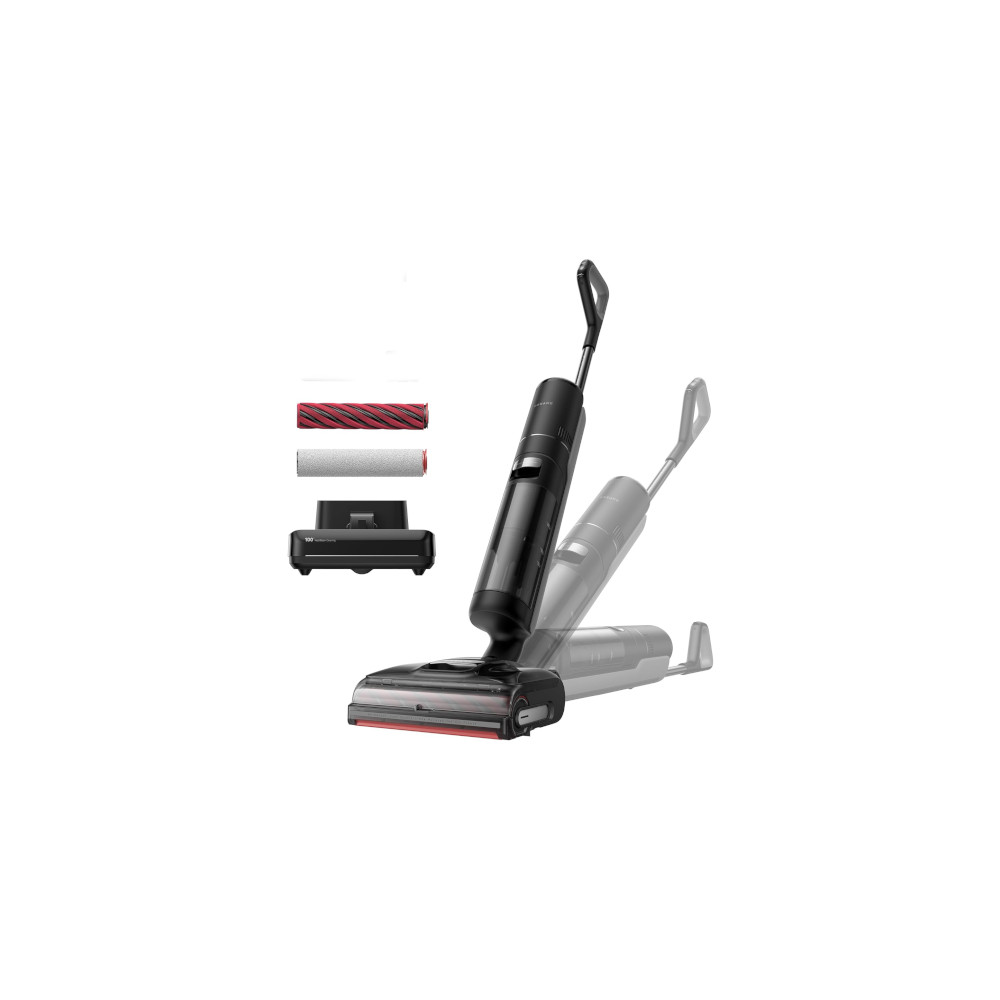
- Dust-free operation
- Hair anti-tangle
- Dedicated mop and vacuum rollers
- Self-drive system
- Battery life
- Self-clean and dry
- A little noisy
- Have to swap mop/vacuum rollers
If you’re looking for a smart wet-dry vacuum cleaner, you can’t go wrong with the H15 Pro CarpetFlex from Dreame.
The product does kick up quite a fuss, but that noise also comes with a significant boost in battery life, ample suction pressure, and a self-cleaning system.

The best projectors of 2025
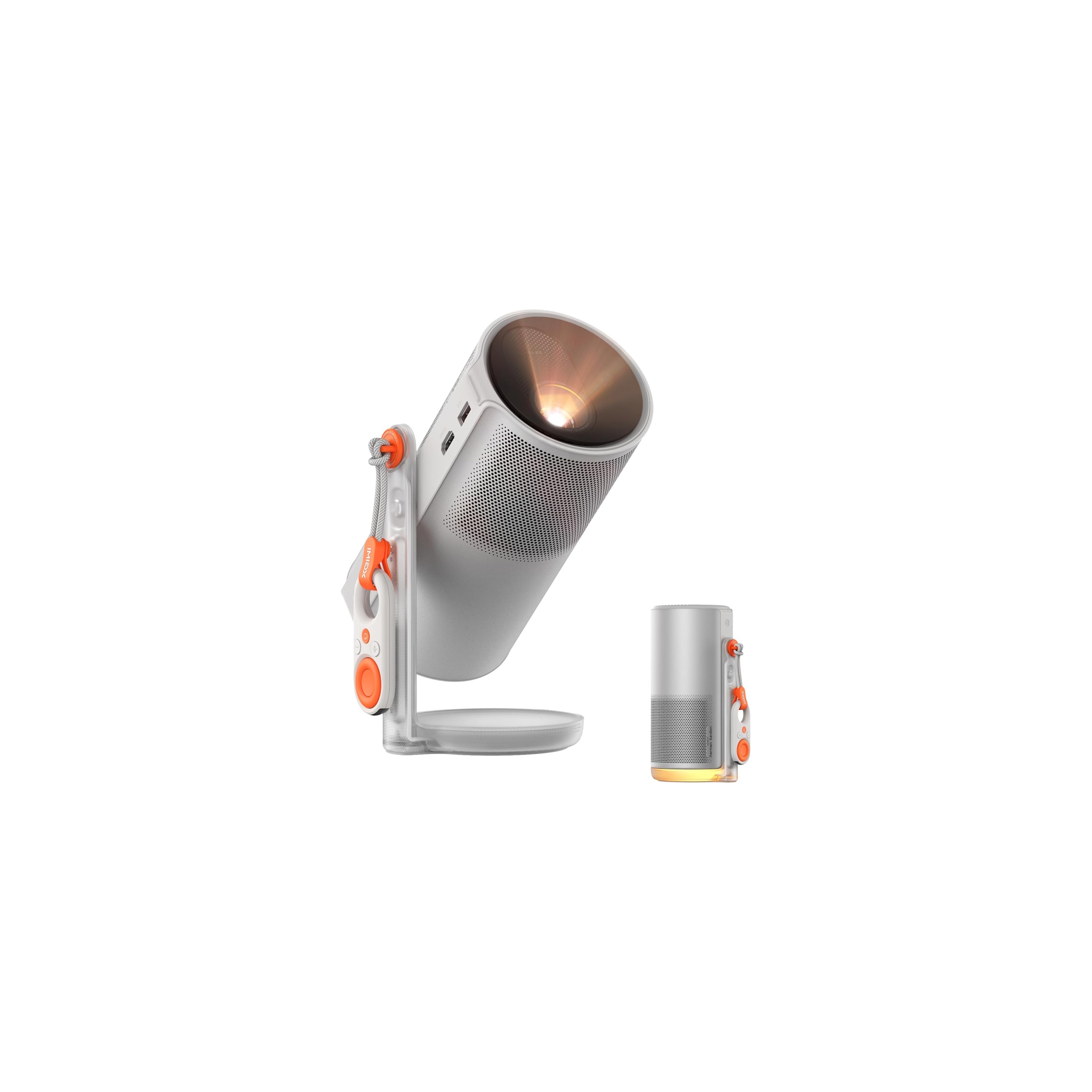
- Genuinely portable size, weight, and build
- Built-in battery with USB-C power bank support
- 360-degree rotating stand and optional accessory stand
- Native Google TV, Chromecast, and voice assistance
- Magnetic filters add fun character
- Pricey compared to competitors
- Limited usability in the daytime
- Audio can be found lacking outdoors
The XGIMI MoGo 4 is a compact, portable Google TV projector that’s perfect for the smaller rooms in your home.
Its design, which prioritizes compactness, also includes 1080p support, 450 ISO lumens for projecting images onto surfaces ranging from 40 to 120 inches, and offers all the app support you could ask for, thanks to its Android software platform.

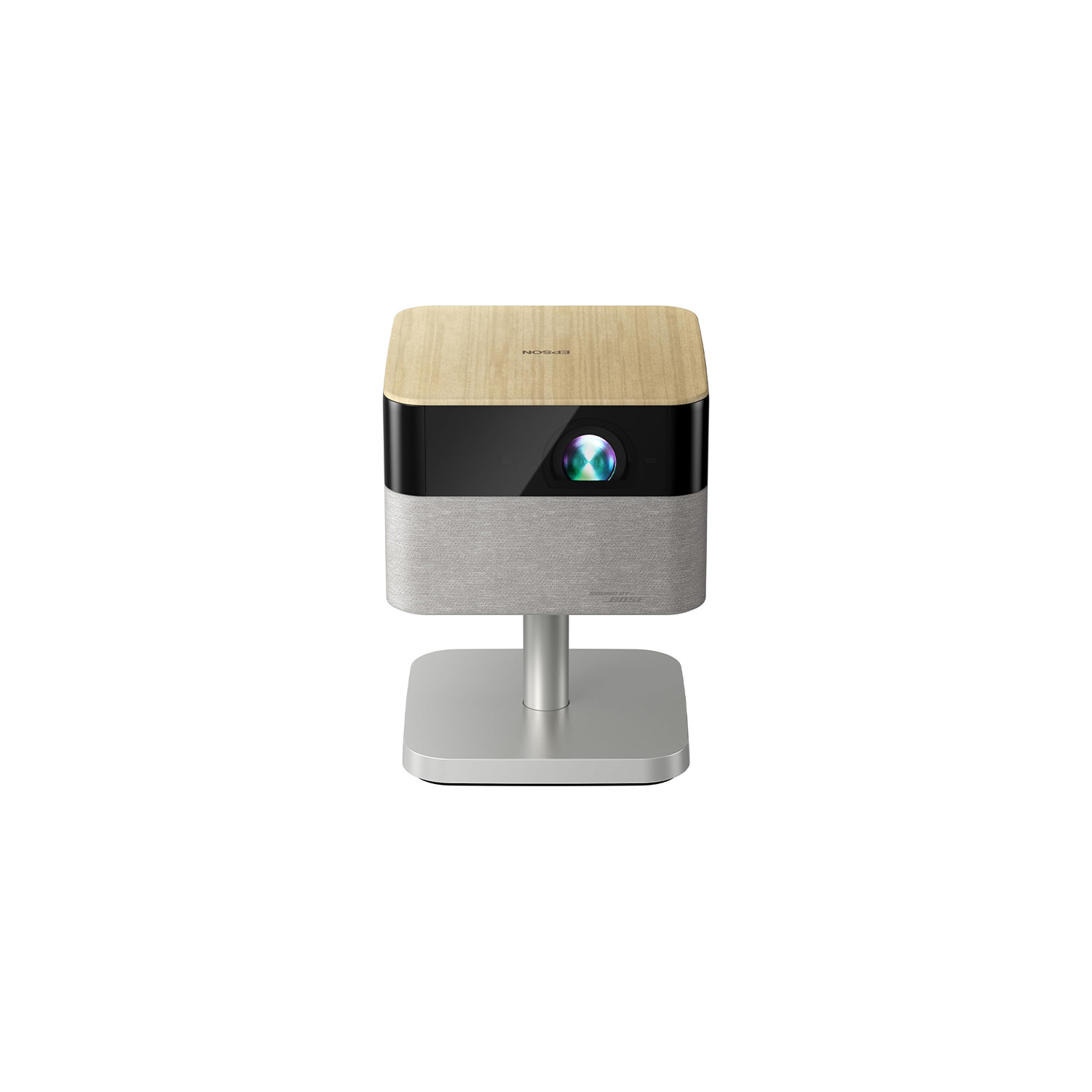
- Clean mid-century design with an integrated tilting/rotating stand
- Built-in Google TV, Chromecast, and Google Assistant
- Solid 3LCD picture quality with no rainbow artifacts
- Sharp pixel-shifted 4K and smooth motion handling
- Usable 1,000-lumen brightness for casual viewing
- Warm, clear everyday audio with helpful sound modes
- Power brick is bulky and finicky
- No built-in battery, limiting true portability
- Cinema sound mode can feel muddy during dialogue-heavy films
- Pricey for a lifestyle projector without battery power
The Epson Lifestudio Flex Plus is a stylish, minimalist Google TV projector that doesn’t skimp on picture quality.
It includes 3LCD smarts for minimizing rainbow effects, 1,000 lumens of brightness to cut through the brightest spaces, and support for 4K resolution.

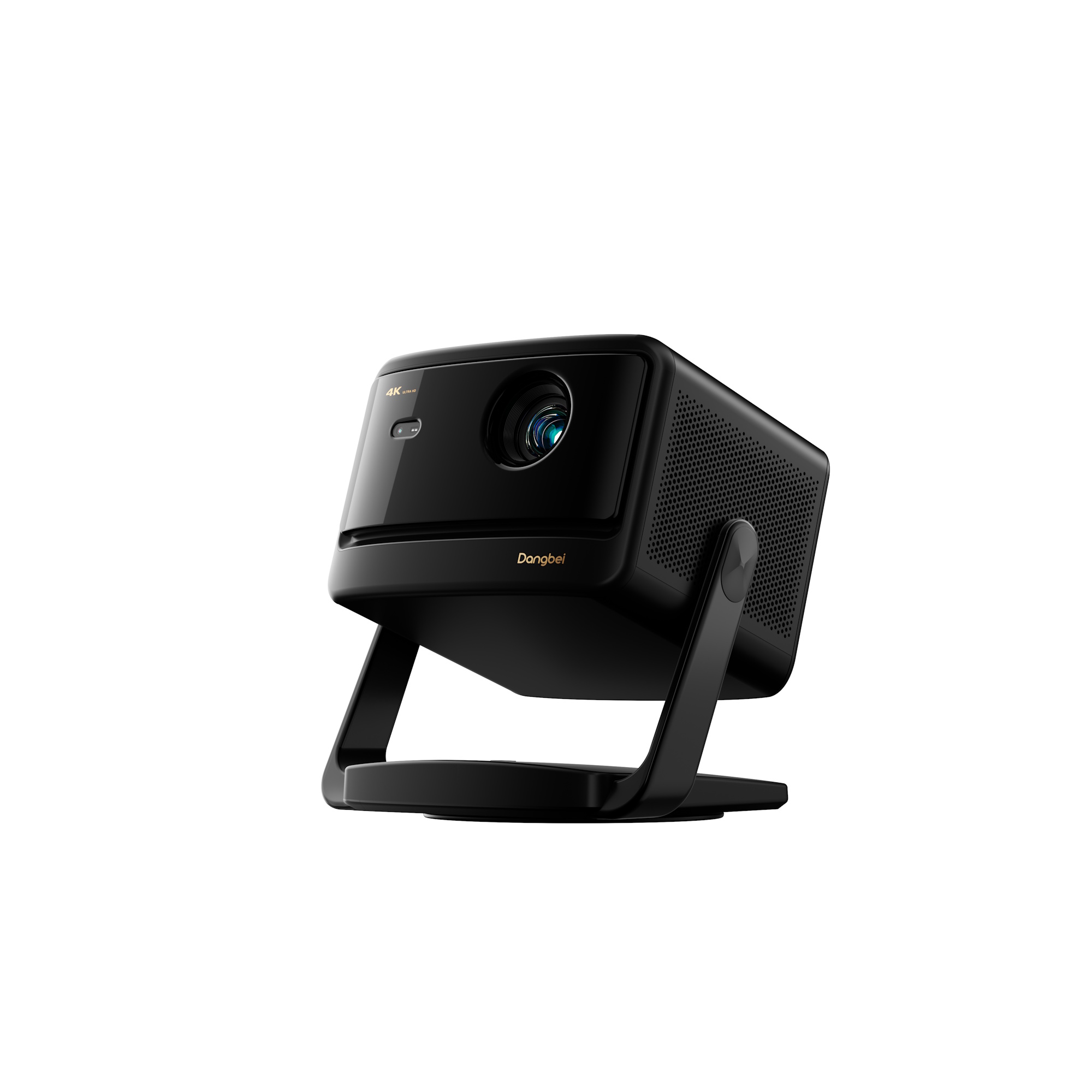
- Exceptionally easy auto-setup suite
- Bright, laser-driven image that's watchable during the day
- 4K sharpness with vivid, natural colors
- Compact, tilting, and rotating design
- Surprisingly good built-in speakers
- Eye protection and one-click dust removal
- Fan noise becomes noticeable at max brightness (level 10)
- Not ultra-portable or as small/light as lifestyle competitors
- Doesn’t disappear into décor
- Blacks aren’t cinema-level
- Not budget-friendly
The DBOX02 Pro is one of the best genuine TV replacements we’ve tested this year.
This projector costs a lot, but it makes up for it with easy setup, super-sharp 4K visuals, and picture reproduction that won’t be challenged by bright room lamps.

The best handhelds of 2025
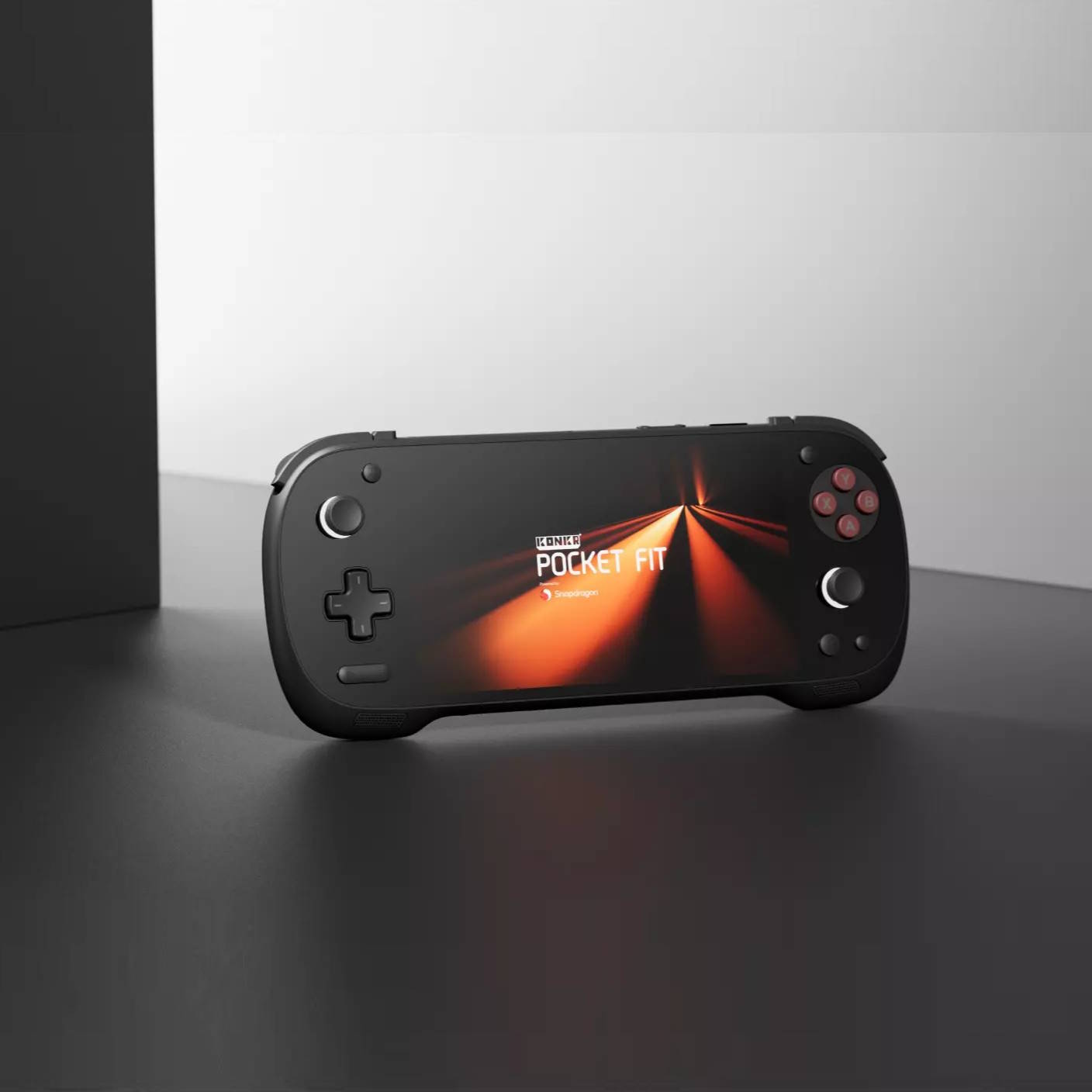
- Excellent performance
- High refresh-rate screen
- Unbeatable value
- No OLED
- Price increases after crowdfunding
The Pocket FIT doesn’t reinvent the gaming handheld. Instead, AYANEO’s first ever handheld from its KONKR sub-brand sensibly scales down an already solid product, the Pocket S2, while being positioned at an irresistible price point.
This means buyers still get capable performance thanks to the Snapdragon G3 Gen 3 chipset and a zippy display that’ll make full use of the available horsepower. However, you’ll lose out on an OLED screen. We still think this trade makes it the best value Android gaming handheld of 2025.

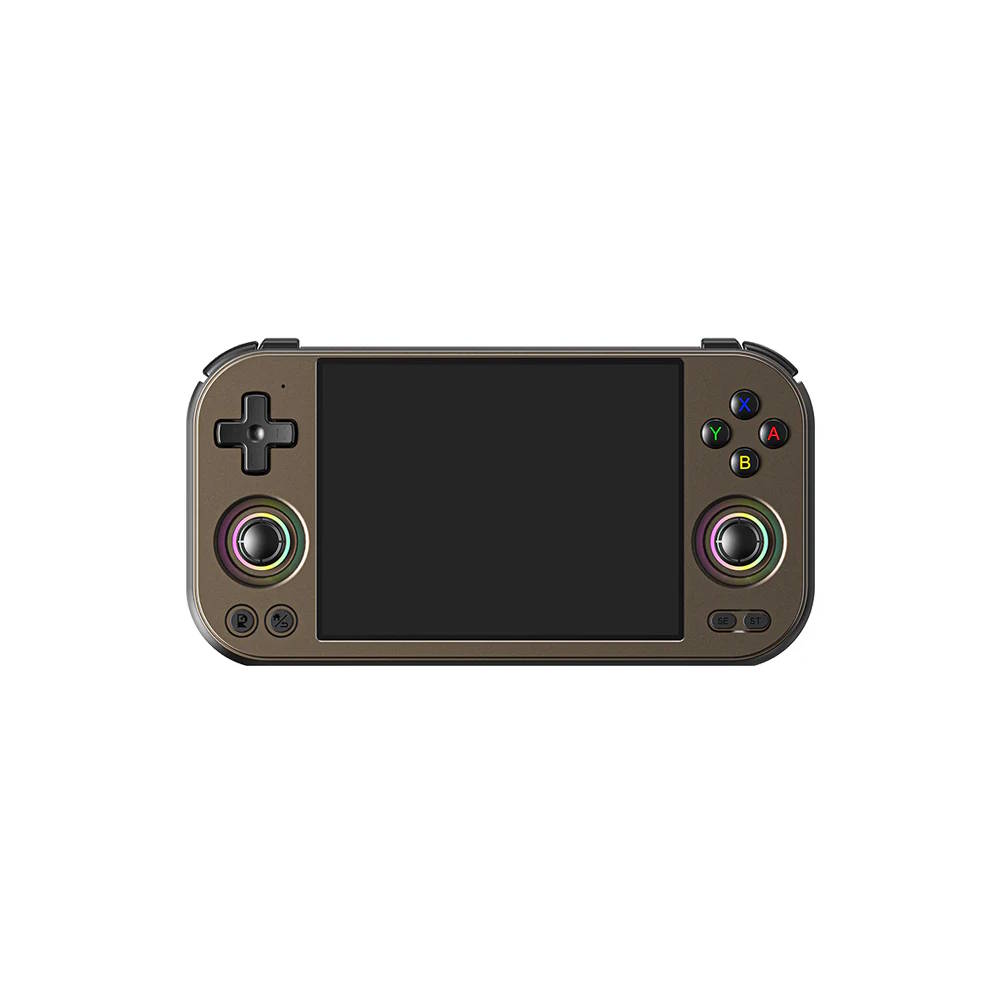
- Great performance
- Incredible screen
- Premium metal build
- Excellent D-pad and buttons
- Limited driver compatibility
- Loud shoulder buttons
- Pricey
Handhelds, for me at least, are all about nostalgia, and the ANBERNIC RG 447M’s design supports this notion in its entirety.
With its 4:3 aspect ratio, it’s a great way to play classic games with CRT shaders. It’s not bad on the specs front either, packing a 120Hz display and a MediaTek Dimensity 8300 SoC.


- Bright AMOLED display
- Exceptional performance
- Six-button option
- Great battery life
- Incredible value
- No video out
- Middling buttons
- Some compatibility issues
Price is usually the most significant consideration when purchasing new tech, especially for gaming handhelds. Still, the Retroid Pocket Classic’s sub-$120 demand easily makes it the best value device in its genre.
With a design inspired by Nintendo’s Game Boy, the Pocket Classic packs a great AMOLED screen, decent performance, and solid battery life. It’s an all-round great package.

The best gadgets of 2025
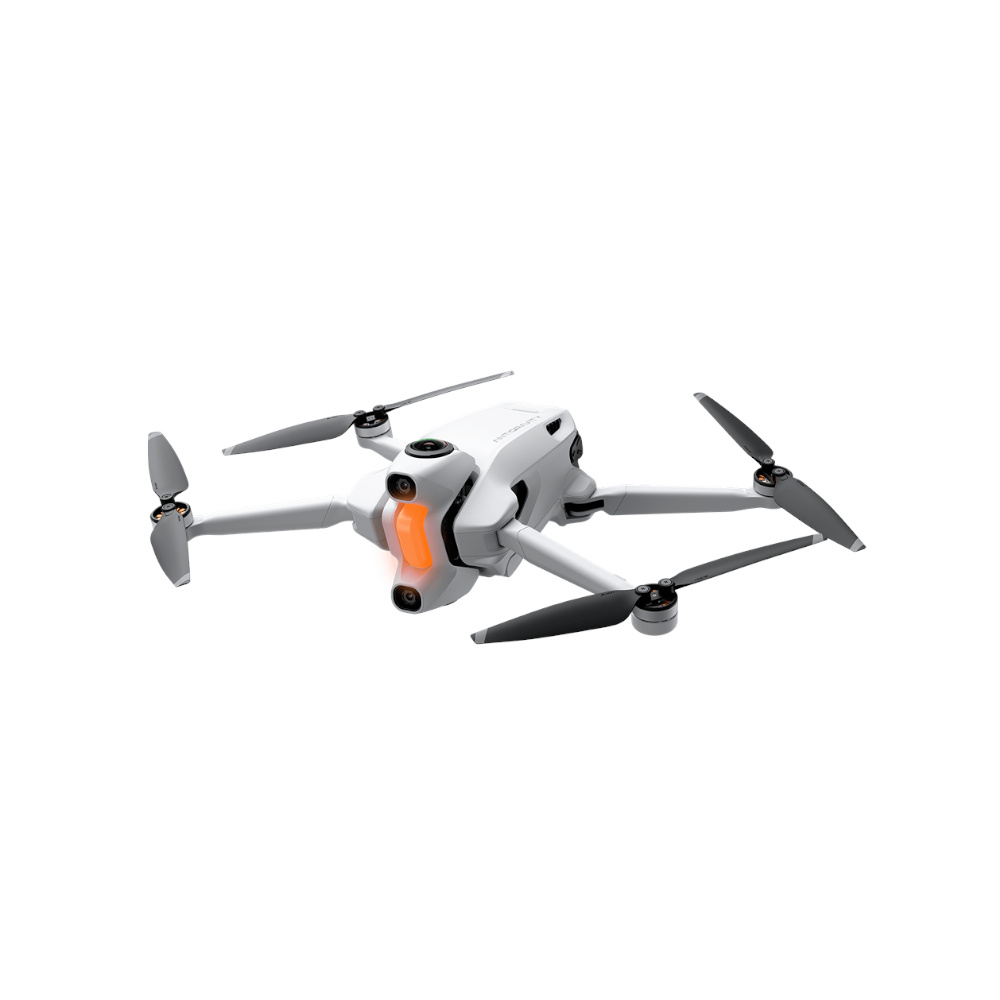
- Incredible camera system
- Easy to fly
- Compact design
- Editing can be tricky
- Battery life could be better
The first product by drone brand Antigravity is impressive to say the least. Its party piece is a 360-degree camera that can record 8K video at 60 frames per second.
Smartly, the drone can also erase itself from the video, providing users with a completely immersive, global view of its surroundings. This has practical benefits too. For beginners, the A1 makes framing the perfect shot as easy as flying.
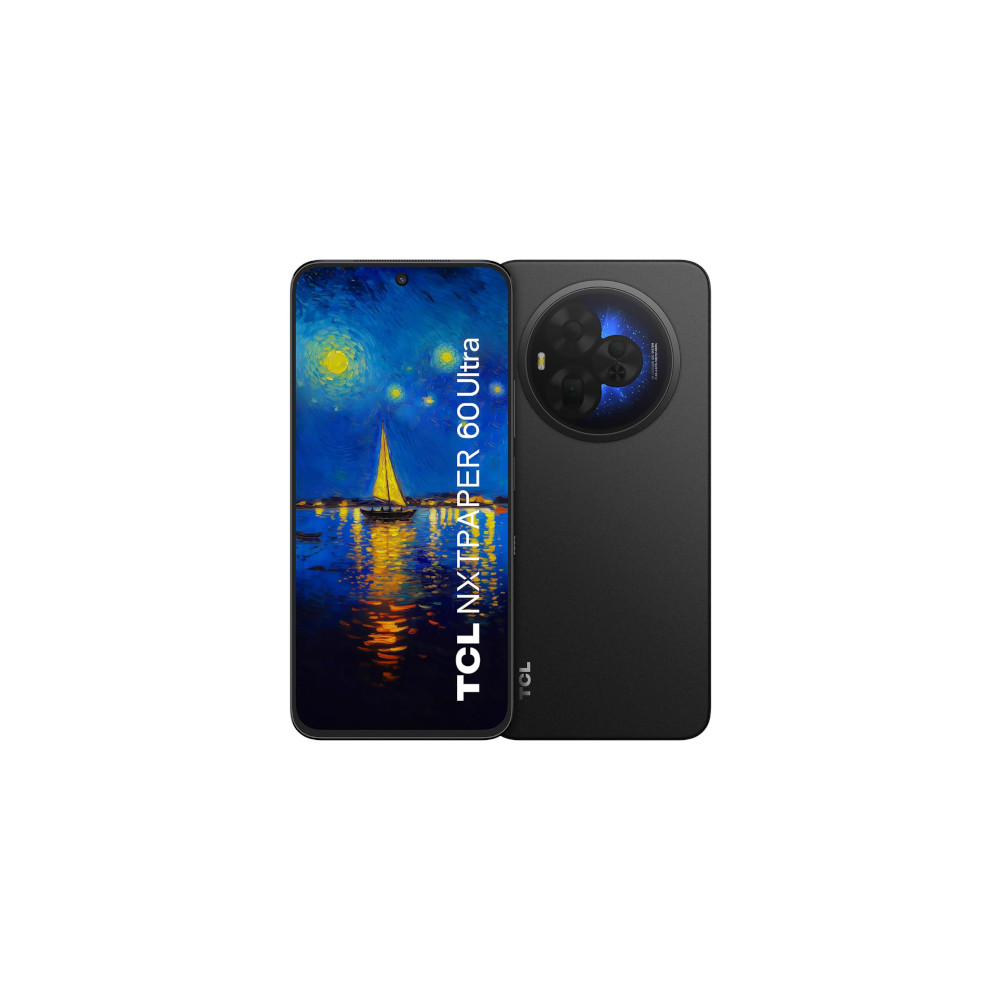
- Eye-friendly, paperlike display
- Versatile reading modes
- Strong all-around hardware for the price
- Surprisingly capable camera setup
- Mid-range performance
- Camera limitations
- Display not as vivid as OLEDs
The NXTPAPER 60 Ultra is one of those genuinely exciting out-of-the-box ideas that have come together to form a fantastic product. While it’s technically an Android smartphone, the 7-inch matte screen lends itself well to reading content, be it novels or comics.
Best of all, it’s lightweight, thin enough to pocket, and packs some surprisingly lofty specs — its camera system is a hidden highlight!

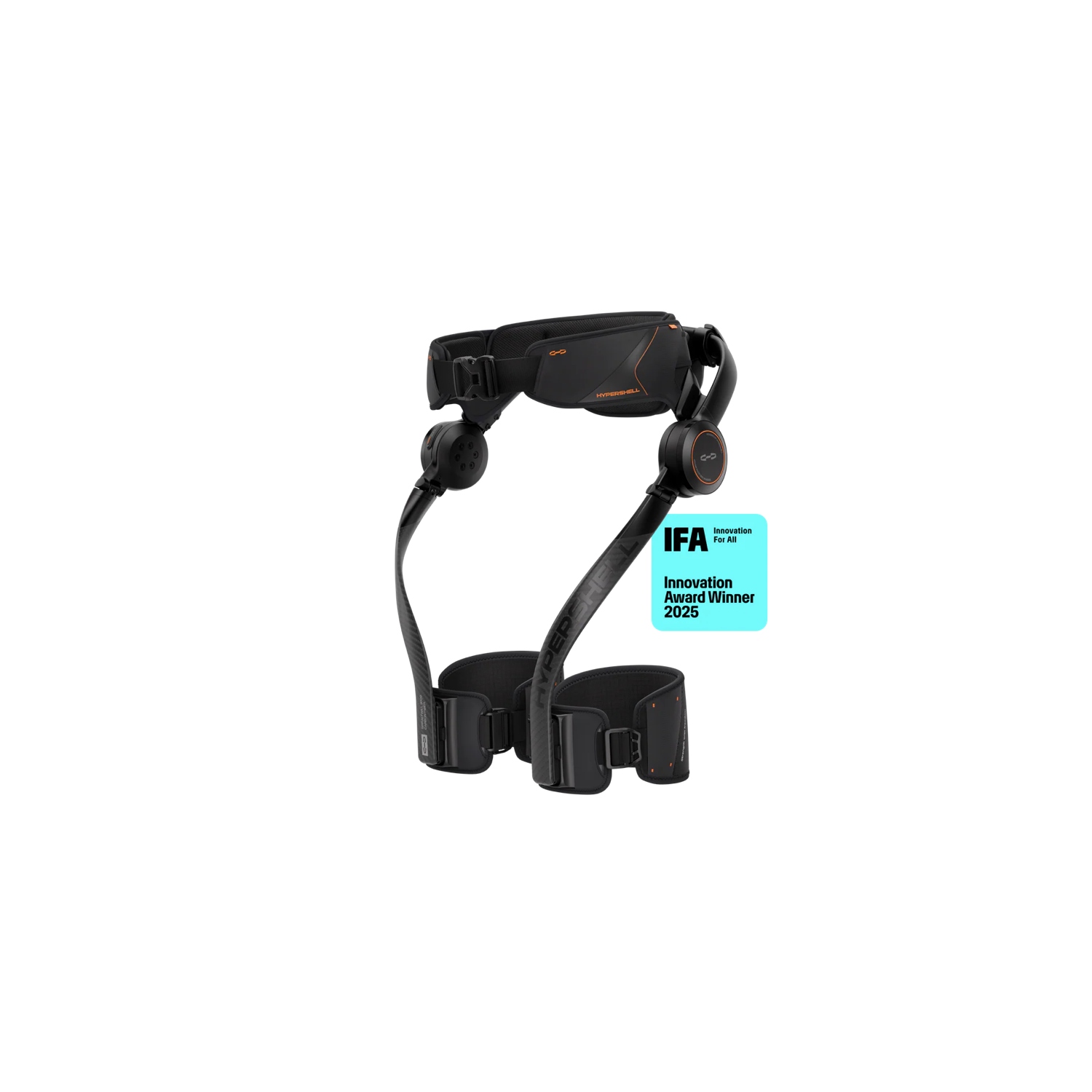
- Top-shelf materials
- Running assistance actually works
- Helpful app
- Adjustable fit
- Impressive flexibility
- A little heavy
- Battery life is just okay
- It's... not subtle to wear
- Pricey
The Hypershell X Ultra is an exoskeleton designed to aid the wearer on hiking trails, running routes, and even the odd bicycle tour around the city.
It fastens to the wearer’s midsection and upper legs, assisting movement and minimizing strain. It’s the best augmented exercise experience available right now.

The best power stations of 2025
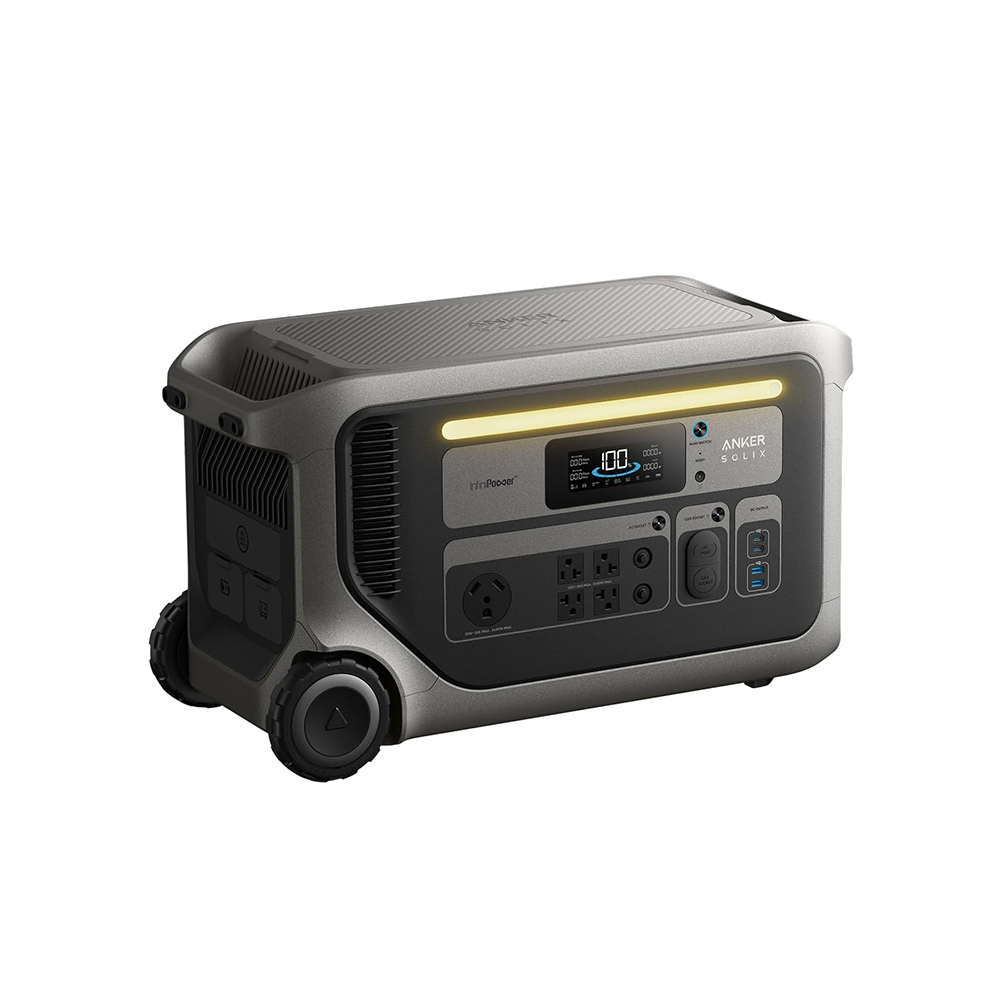
- High-capacity
- Portable despite size
- Impressive output and input
- Can charge EVs and RVs
- UPS support
- Would be better with more USB ports/AC outlets
- Expensive at MSRP (buy in a sale!)
When it comes to an uncompromising power station solution, the Anker SOLIX F3000 is the perfect fit.
It offers a solid balance of specs for home and outdoor use. Its wheeled design makes it easy to cart around, while it can also top up an EV if needed. It also packs a UPS mode for power redundancy in the office.


- Very powerful for its size
- Large 2,048Wh capacity
- Max 3,000W output can power most electronics
- Wide variety of ports, including a 30-amp AC outlet
- Wheels would be helpful
- Solar panel requires a secondary accessory
- Expensive at MSRP
The DJI Power 2000 is an excellent high-power solution for RVs, packing a capacity of 2,048Wh and a maximum output of 3,000W.
Its relatively compact design makes it somewhat portable, although we would’ve loved to see wheels in a similar vein to Anker’s solution above. Nevertheless, buyers get a plethora of ports and a 30-amp AC outlet for complete flexibility.

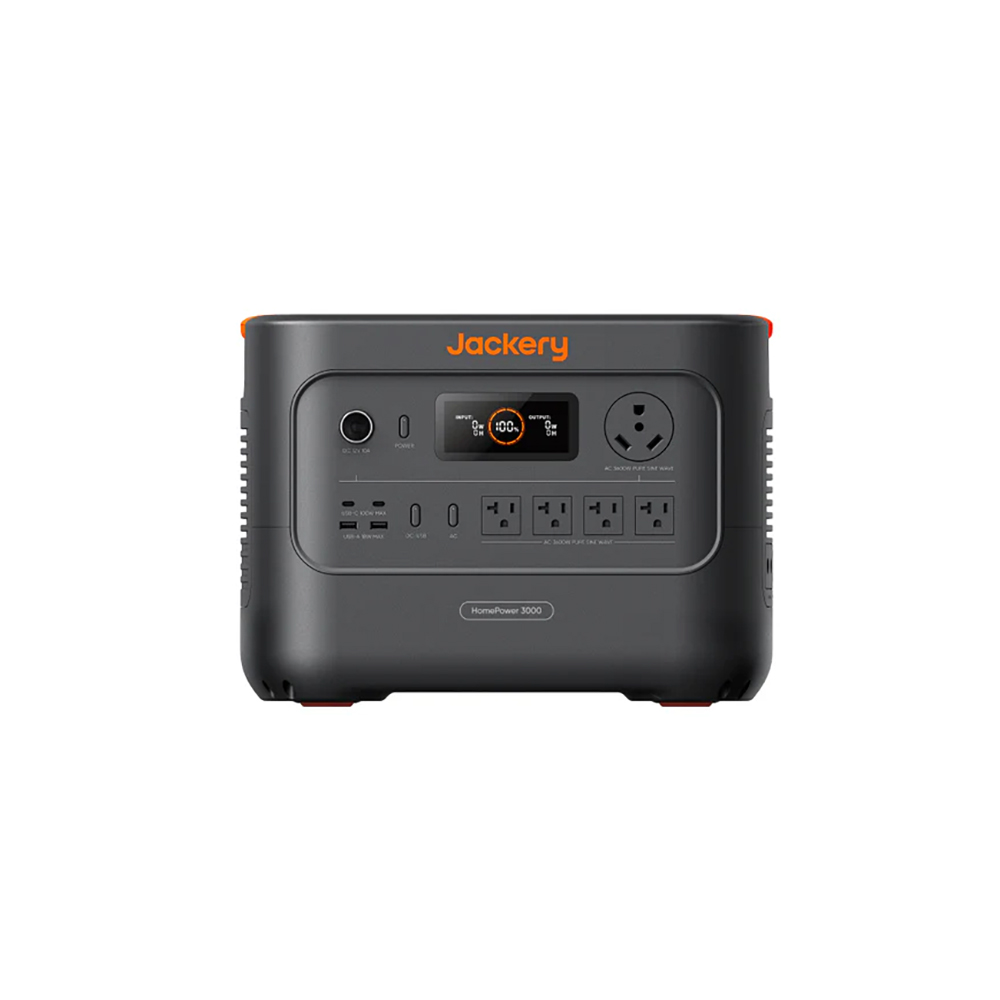
- Very portable for a 3kWh battery
- High 3,600W power output (7,200W surge support)
- Nice port selection for the size
- Some might still need more power than 3kWh
- Pricey!
If you’re in the market for a power solution that’ll remain at home for most of its life, you can’t go wrong with Jackery’s HomePower 3000.
The HomePower 3000 includes a 3,072Wh battery, a 20ms UPS switchover, and a surge output of 7,200W. What’s remarkable is its relative portability. These specs would typically require a fixed footprint, but the HomePower 3000 could be used beyond the home if needed.

Those were our favorite tech picks from 2025, but what were yours? Let us know in the comments!
Thank you for being part of our community. Read our Comment Policy before posting.