Affiliate links on Android Authority may earn us a commission. Learn more.
5 reasons I'd buy the Galaxy Z Fold 8 Ultra instead of the Pixel 10 Pro Fold
Jul 31, 2026 — 5:30 AM ET



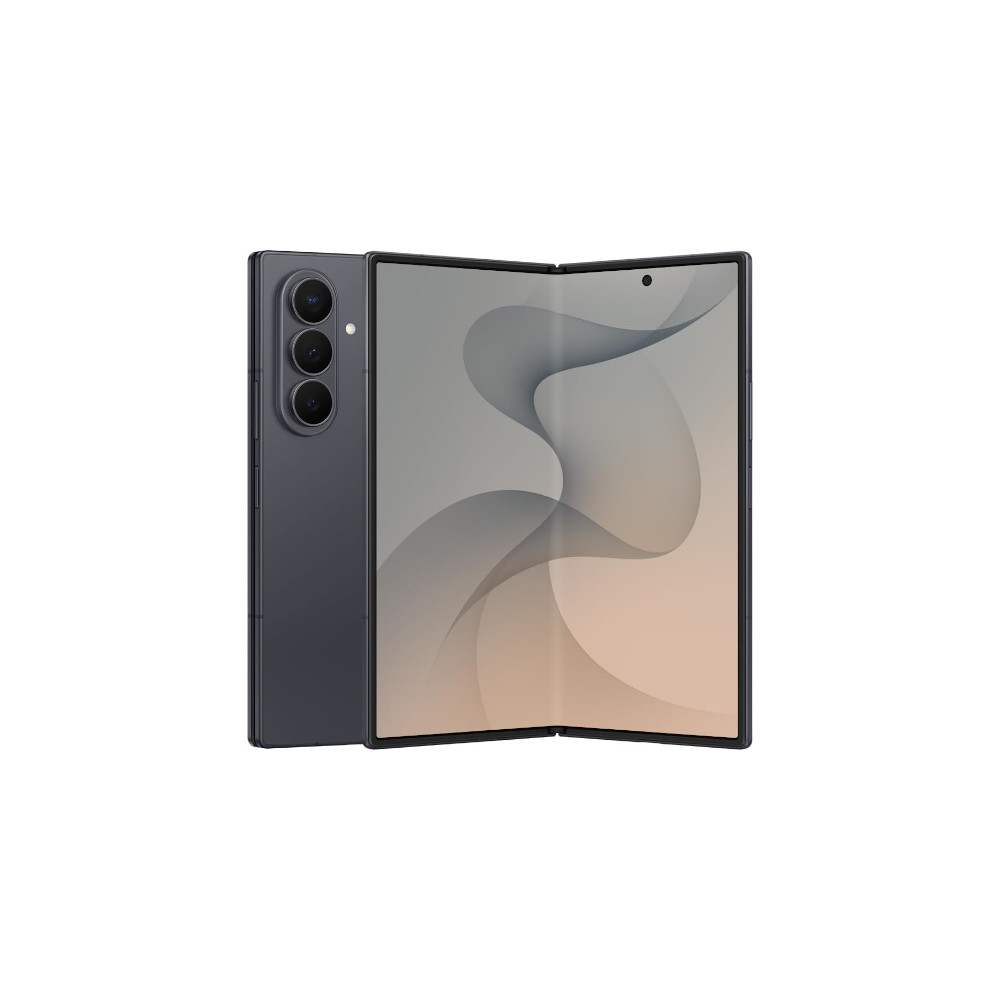
Samsung took a bold step with the Galaxy Z Fold 8 series this year, splitting its book-style foldables into two very different devices. There’s the all-new Galaxy Z Fold 8 with its wider, passport-style design, and then the Galaxy Z Fold 8 Ultra, which succeeds last year’s Galaxy Z Fold 7 with the taller form factor we’ve become familiar with over the years.
That strategy, however, also pushed Samsung’s top foldable into a new price bracket. At $2,100 in the U.S., the Galaxy Z Fold 8 Ultra is one of the most expensive foldables you can buy today, making alternatives like the Google Pixel 10 Pro Fold look much more appealing.
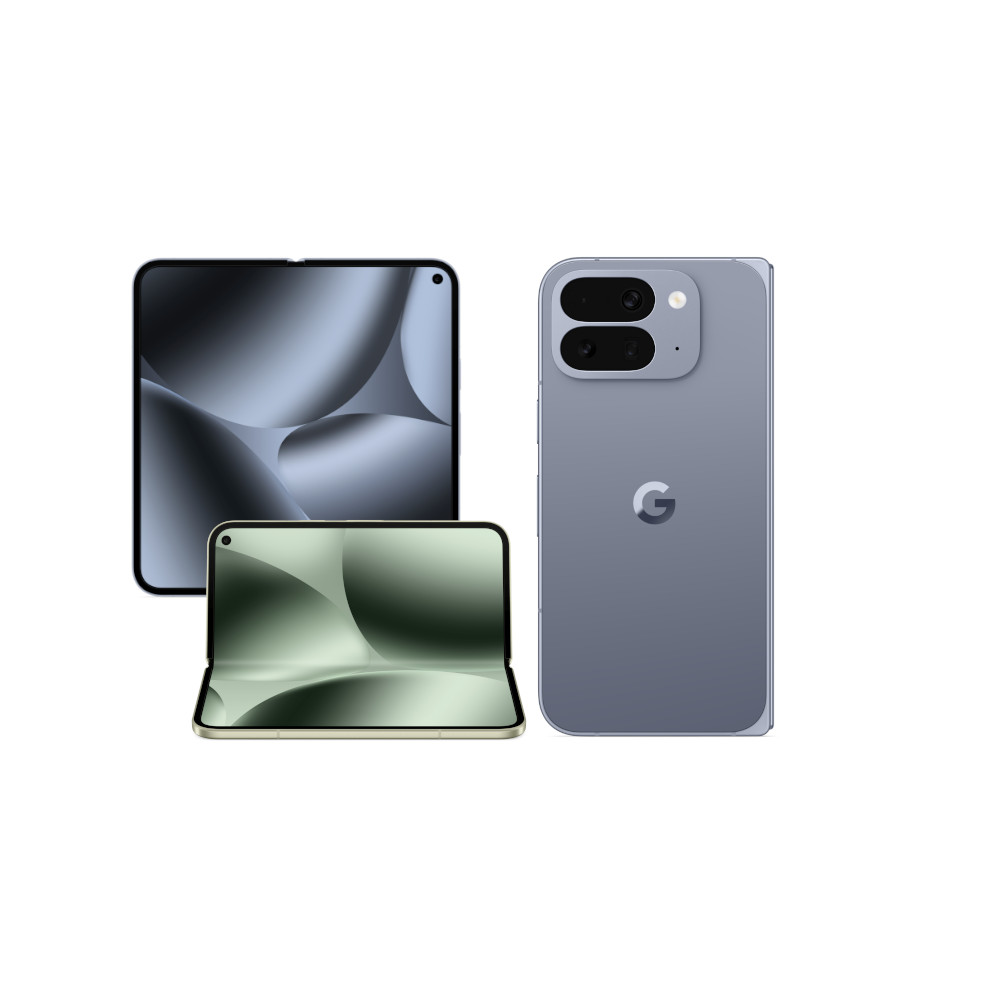
Interestingly, while Google’s original Pixel Fold had a wider form factor similar to the new Galaxy Z Fold 8, the company’s latest Pixel 10 Pro Fold is a much more direct competitor to the Galaxy Z Fold 8 Ultra.
But despite the Pixel 10 Pro Fold costing roughly $300 less, there are still five reasons I’d pick Samsung’s flagship foldable over Google’s if I were spending my own money on a new foldable.
Galaxy Z Fold 8 Ultra vs. Pixel 10 Pro Fold: Which foldable would you buy?
The Z Fold’s hardware feels leagues ahead

The first reason I’d pick the Galaxy Z Fold 8 Ultra over the Pixel 10 Pro Fold is the hardware. Samsung may have been criticized for years for barely changing the design of its Galaxy Z Fold lineup, but the company really turned things around with the Galaxy Z Fold 7. And thankfully, that continues with the Galaxy Z Fold 8 Ultra.
The Galaxy Z Fold 8 Ultra is one of the lightest foldables you can buy right now, weighing just 215 grams. That’s a significant gap compared to the Pixel 10 Pro Fold, which weighs 258 grams. Samsung has also managed to make the phone much thinner. The Galaxy Z Fold 8 Ultra measures just 8.9mm when folded and 4.1mm when unfolded, compared to roughly 11mm and 5.2mm on the Pixel 10 Pro Fold.
A foldable shouldn't feel like a brick in your pocket, and the Galaxy Z Fold 8 Ultra is one that genuinely doesn't.
Those numbers might not look like a huge difference on paper, but they’re immediately noticeable when you hold both phones side by side. The Galaxy Z Fold 8 Ultra feels incredibly slim in the hand, to the point where it almost feels like a regular slab phone when folded.
Pair that with the upgraded 5,000mAh silicon-carbon battery Samsung is now shipping, which matches the Pixel 10 Pro Fold’s capacity, and it feels even more impressive.
Samsung still wins on raw performance

One of the biggest criticisms of Google’s Pixel phones has always been the Tensor chipset. While Google has steadily improved Tensor over the years, it still doesn’t compete with Qualcomm’s flagship chips in raw performance. And that’s exactly where Samsung wins me over.
The Galaxy Z Fold 8 Ultra is powered by the Snapdragon 8 Elite Gen 5 for Galaxy, the same chip Samsung introduced with the Galaxy S26 Ultra. In other words, Samsung isn’t leaving any performance on the table. You’re getting one of the fastest Android chipsets available today, and that should translate into smoother multitasking, faster app launches, and better long-term performance.
Now, I’ll be the first to admit that Pixel phones are still great to use. Google has done an excellent job optimizing Android, and I rarely find myself complaining about the day-to-day experience.

But foldables are a different category altogether. You’re buying them to multitask, run multiple apps side-by-side, and push the hardware harder than you would on a regular phone. That’s where the Tensor G5 may fall behind the Snapdragon 8 Elite Gen 5 in the long run.
Samsung also has another advantage this year. Despite packing the same battery capacity as the Pixel 10 Pro Fold, the Galaxy Z Fold 8 Ultra now supports 45W wired charging, meaning it should top up noticeably faster.
It’s not the biggest upgrade on paper, but it’s another reason I’d lean towards Samsung.
The Galaxy Z Fold 8 Ultra’s cameras inspire more confidence

Google’s Pixel phones have earned a reputation for having some of the most consistent smartphone cameras around. But there’s only so much software can do when the underlying hardware hasn’t changed much. Unfortunately, that’s where I think the Pixel 10 Pro Fold falls behind.
Samsung, on the other hand, has finally given the Galaxy Z Fold 8 Ultra the camera hardware you’d expect from a phone with the “Ultra” branding. You get a 200MP primary camera, along with an upgraded 50MP ultrawide sensor. The telephoto camera is still the same 10MP 3x shooter as before, which is a little disappointing, but the overall camera package is a meaningful step up.
We’re still in the middle of fully testing the Fold 8 Ultra, so I’m not ready to declare a winner just yet. But looking purely at the hardware, I have a lot more confidence in Samsung’s camera hardware going into this comparison. On paper, at least, it looks like the stronger camera system.
Samsung’s display feels much more refined

At first glance, the Galaxy Z Fold 8 Ultra may not look all that different from last year’s Galaxy Z Fold 7. But after spending some time with it, one of the biggest upgrades is actually the inner display.
Samsung has re-engineered the display this year with a new Flex Titanium structure that uses a titanium sheet underneath the panel. The company says it’s stronger and more durable than before, but the biggest benefit you’ll notice day to day is the crease.
It’s still there, of course. Any foldable that closes completely will have some sort of crease. But it’s much subtler this time around, and once the display is turned on, it’s nowhere noticeable.

The Pixel 10 Pro Fold, on the other hand, still has a fairly visible crease. It’s not a deal-breaker by any means, but after using the Z Fold 8 Ultra, it’s hard not to notice the difference.
Samsung has also added a new anti-reflective coating to the inner display. Foldable screens naturally have a glossy finish, so reflections can become distracting under ceiling lights or in bright outdoor conditions.
The Galaxy Z Fold 8 Ultra handles that much better thanks to the new anti-reflective coating. Even though both phones have incredibly bright displays, Samsung’s coating cuts down glare enough that the screen is noticeably easier to use.
Samsung still understands foldables better

One of the biggest advantages of buying a Pixel phone is getting Android updates on day one. And with Android 17, Google introduced one of my favorite new multitasking features in years: App Bubbles. I’ve already written about how much I enjoy using them on the Pixel 10 Pro Fold.
That said, I still think Samsung has the edge when it comes to foldable software. One UI 9 simply feels like the more mature experience for a device with a large inner display.
For starters, Samsung lets you turn virtually any app into a floating window without relaunching it, something Google still doesn’t allow with App Bubbles. And even though the Galaxy Z Fold 8 Ultra doesn’t support running three apps side by side (yet), I still find Samsung’s multitasking tools more flexible overall.
Then there’s Samsung DeX. Sure, Google’s Android Desktop Mode has improved a lot over the past couple of Android releases, but DeX is still the more polished desktop experience, offering features like up to 4 desktop windows at once and desktop widgets.
If you, like me, regularly work on the go using your foldable as a computing device, that’s another reason I’d lean towards the Galaxy Z Fold 8 Ultra.
The Z Fold 8 Ultra is the foldable for me

On the whole, there are plenty of reasons why I’d personally pick the Galaxy Z Fold 8 Ultra over the Pixel 10 Pro Fold. That said, Google still gets a few important things right, and the biggest one is the price.
The Galaxy Z Fold 8 Ultra starts at $2,100, while the Pixel 10 Pro Fold. And with the Pixel 11 series now just around the corner, you can already find the Pixel 10 Pro Fold for significantly less than its original retail price. That means the real-world price difference between these two phones is likely to be much bigger than $300, making Google’s foldable a very compelling option if you’re looking for value.
There’s also the durability advantage. The Pixel 10 Pro Fold comes with an IP68 rating, while Samsung still hasn’t matched that level of dust resistance on the Galaxy Z Fold 8 Ultra. So while I’d still lean towards Samsung for the overall experience, the Pixel 10 Pro Fold remains an excellent foldable, especially if you can grab it at a discount.
Multitasking
Big battery
Thin design
IP68 rating
6.4-inch outer and 8-inch inner displays
Thank you for being part of our community. Read our Comment Policy before posting.