Affiliate links on Android Authority may earn us a commission. Learn more.
I thought the Galaxy Z Fold 8 was a gimmick. After using it, Samsung proved me wrong
Jul 22, 2026 — 9:00 AM ET


When I first saw the Galaxy Z Fold 8 leaks and rumors, I was ready to write it off. I assumed it was just a half-hearted effort to make a wide folding phone before Apple — this year’s version of the trend-chasing we saw with the Galaxy S25 Edge.
I’m pleased to say I was wrong. I spent a few hours with the Galaxy Z Fold 8 last week, and of the three folding phones Samsung is releasing this year, this is by far my favorite.
Samsung Galaxy Z Fold 8: Hot or not?
Compact and comfortable

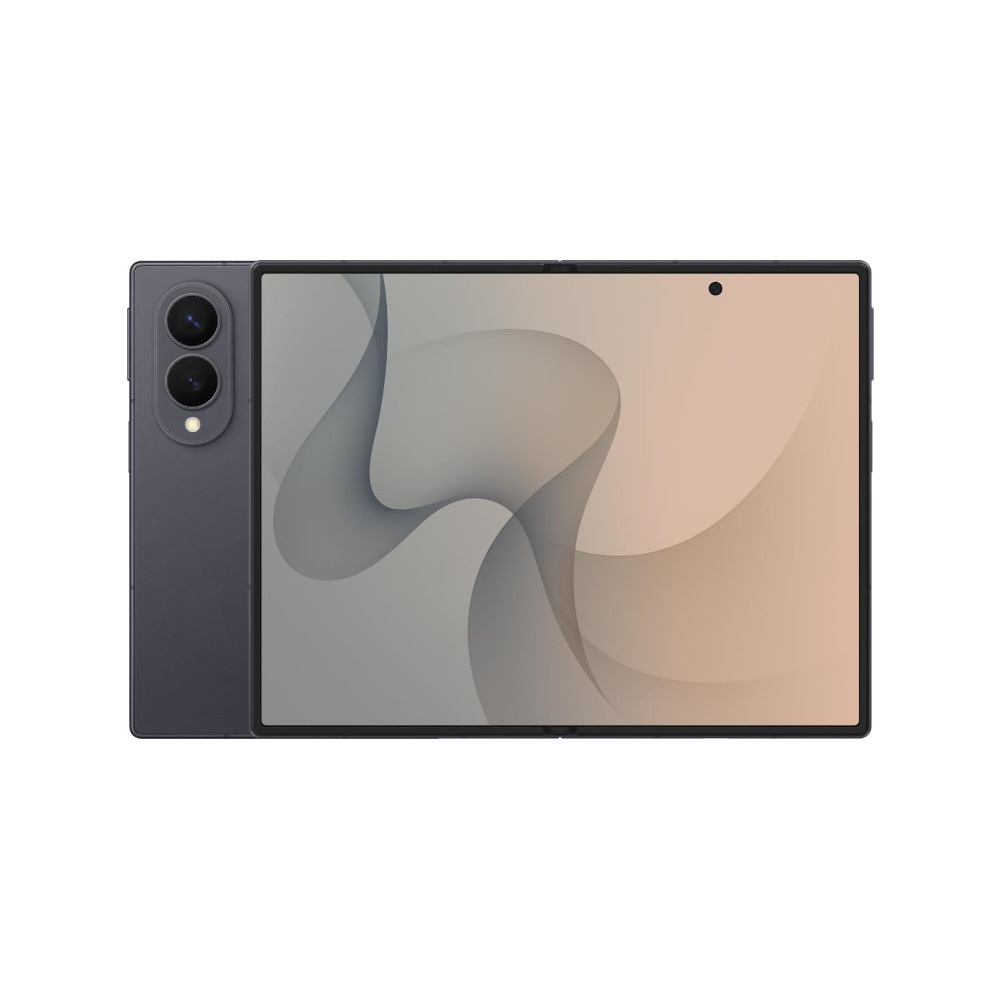
The first thought I had when I picked up the Z Fold 8 is that it’s tiny. It’s a little wider than most phones, but the reduction in height more than makes up for it. At 201g, it’s the lightest book-style folding phone ever, and that immediately makes it feel special.
One reason flip phones have made a comeback is their compact size. My wife used one for years because it was much easier to fit in her pockets, but in the end, she went back to a normal phone because the cover screen couldn’t do enough, and it became a chore to unfold the phone every single time. The Z Fold 8 is the best of both worlds — it’s light and compact, barely takes up any space in the pocket, and is a fully usable smartphone while closed. Opening it up into a tablet focused on media consumption is just a bonus.
The only issue some people may have is using it with one hand. I didn’t find it to be an issue, but I used to use a Nexus 6 one-handed, so maybe I’m not the best person to comment on that. What I can say is that the lightness meant it didn’t feel unwieldy, even when I had to shuffle the phone around, and Samsung’s one-handed mode is easy to use.
What the Z Flip 8 has going for it is price. At $1,200, it’s $700 cheaper than the $1,900 Z Fold 8, and that’s an amount too significant to ignore.
The Z Fold 8 is a media machine

Previous foldables haven’t been the best for consuming media. They’re productivity-focused, designed to have multiple apps side-by-side and show you as much information as possible without switching apps or scrolling. The result of that has always been black bars in videos and having to rotate the phone to read a book comfortably.
The Z Fold 8 addresses this. By opening up in landscape, you don’t need to do any hand gymnastics to enjoy reading or watching media. The Kindle app opens in the dual-column view, and the 4:3 aspect ratio leads to tiny black bars for most content. It also means you can watch The Odyssey in its native aspect ratio, just as Nolan intended.

Odysseus, jokes aside, 4:3 is a great aspect ratio for a device like this, and it’s what many of us are used to from tablets like my iPad Pro. It’s tall enough to never feel cramped, and it’s perfect for binging 90s Star Trek, which is about 99% of the reason I want this phone.
Apps look good on this cover screen

I was worried that apps would look strange on the 16:10 outer display, but I’m pleased to say that there’s not much to worry about. Some apps, like Instagram, require you to scroll more than usual to read a post’s caption, but I didn’t find that annoying while using the Fold 8. In fact, I really like how portrait and square Instagram posts look on this screen. It feels like content like this is at home here.
Likewise, all of the other apps I used felt right on this screen — X, YouTube, messaging apps, and anything else you can think of adapt to this aspect ratio without any issues. Google has put a lot of work into making Android and its apps more adaptable to odd display shapes over the last few years, and that pays dividends here.
The novelty might wear off

I feel overwhelmingly positive about the Z Fold 8, but there’s a nagging voice in the back of my mind that it’s because this form factor is shiny and new. There are things to like here aside from the shape. The antireflective coating on the inner screen makes a night-and-day difference compared to other foldables, and the 4,800mAh battery is a good size for a phone this small.
That all said, issues I’ve had with Samsung’s foldables for a while now persist.
There aren’t any Qi2 magnets. I know the Pixel 10 series and the HMD Skyline are the only Android phones to adopt the magnets so far, but I don’t see that as an excuse. Samsung is the industry leader for Android, and I’d like it to actually lead us forward and help with Qi2 adoption.
The Z Fold 8's form factor is lovely, and I hope we see more phones like it.
The cameras worry me, too. The dual 50MP cameras aren’t bad. In fact, the 50MP ultrawide is the updated sensor from the S26 Ultra and the Fold 8 Ultra, and it’s a fantastic ultrawide. But the primary sensor looks to be the same as what we’ve seen in the Galaxy S26. It’s not a bad camera, but it’s not one worth $1,900, either.
The Z Fold 7 felt special when it launched for how thin and light it was, but it soon lost its appeal as foldables with vastly superior specs came along. I’m worried I’ll end up feeling the same about the Z Fold 8, but only time will tell. For now, I can tell you that this form factor is lovely, and I hope we see plenty more phones like this.
Thank you for being part of our community. Read our Comment Policy before posting.