Affiliate links on Android Authority may earn us a commission. Learn more.
Samsung's new foldables are the first Galaxy phones with silicon-carbon batteries
Jul 22, 2026 — 9:00 AM ET



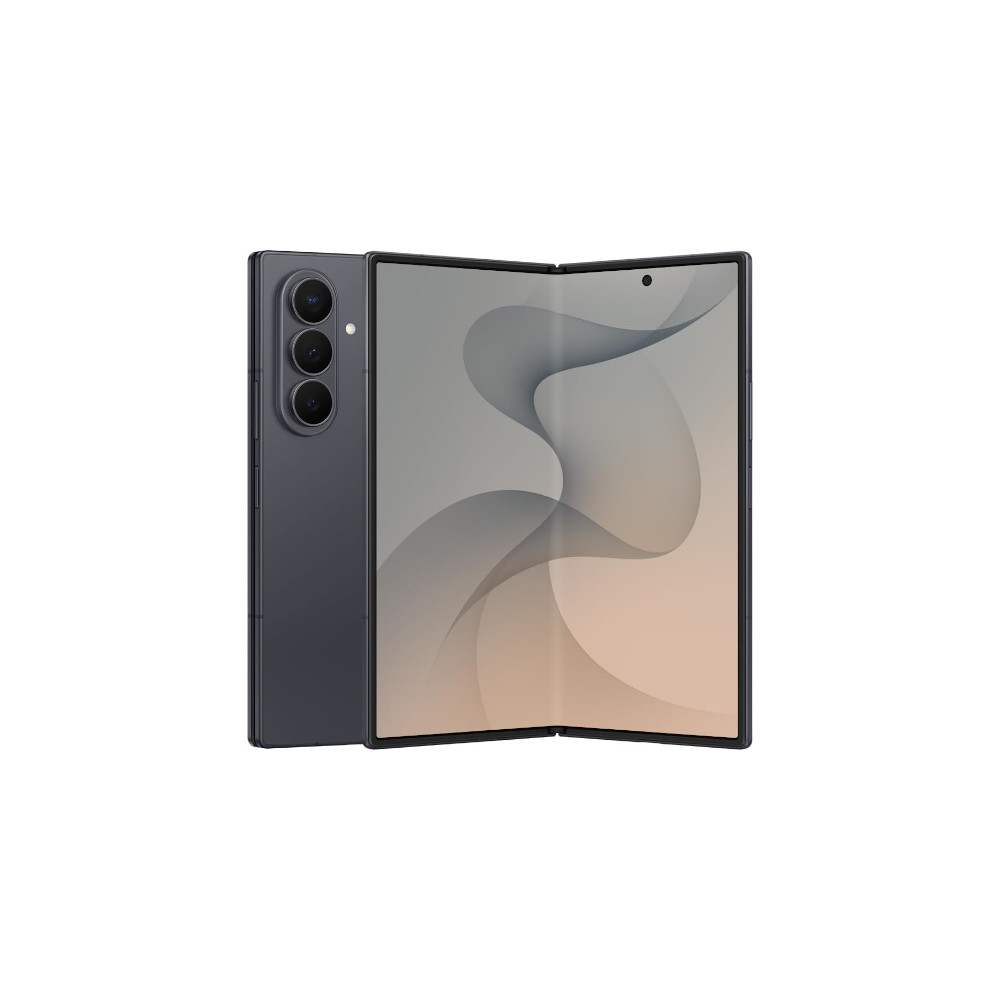
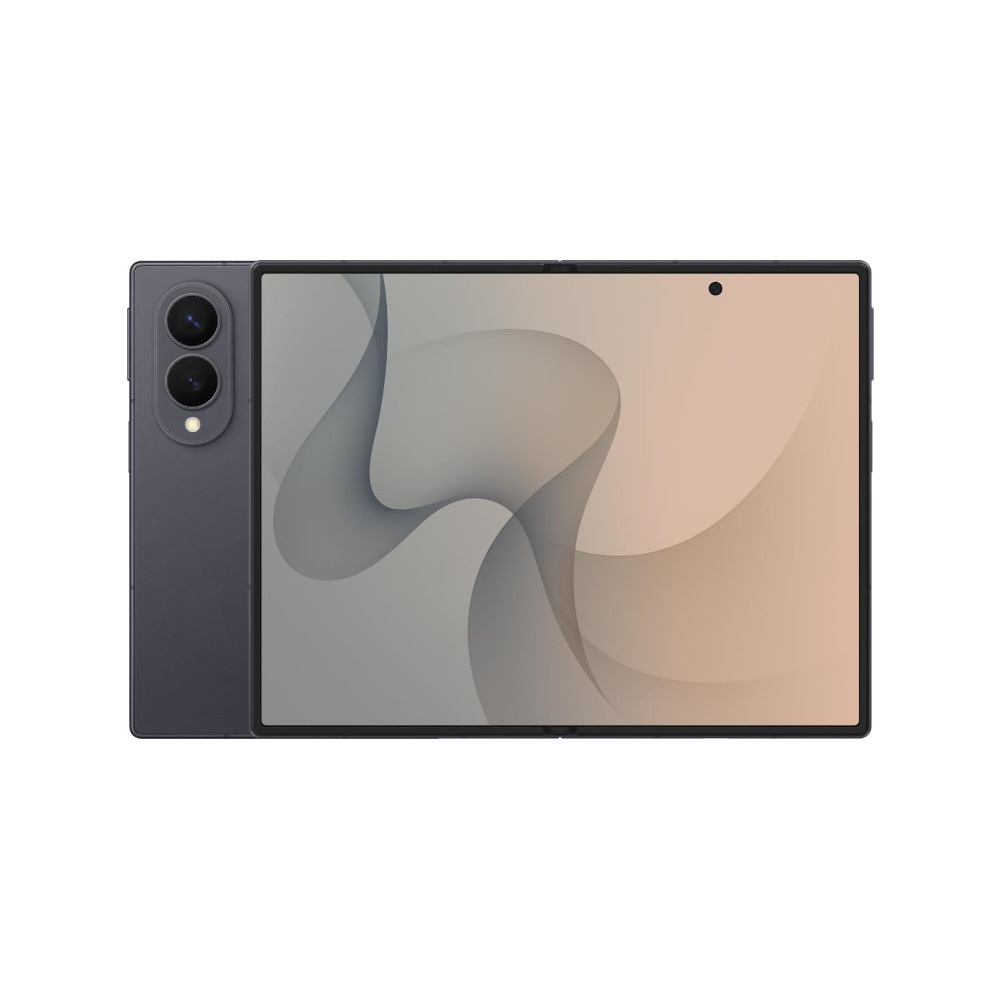
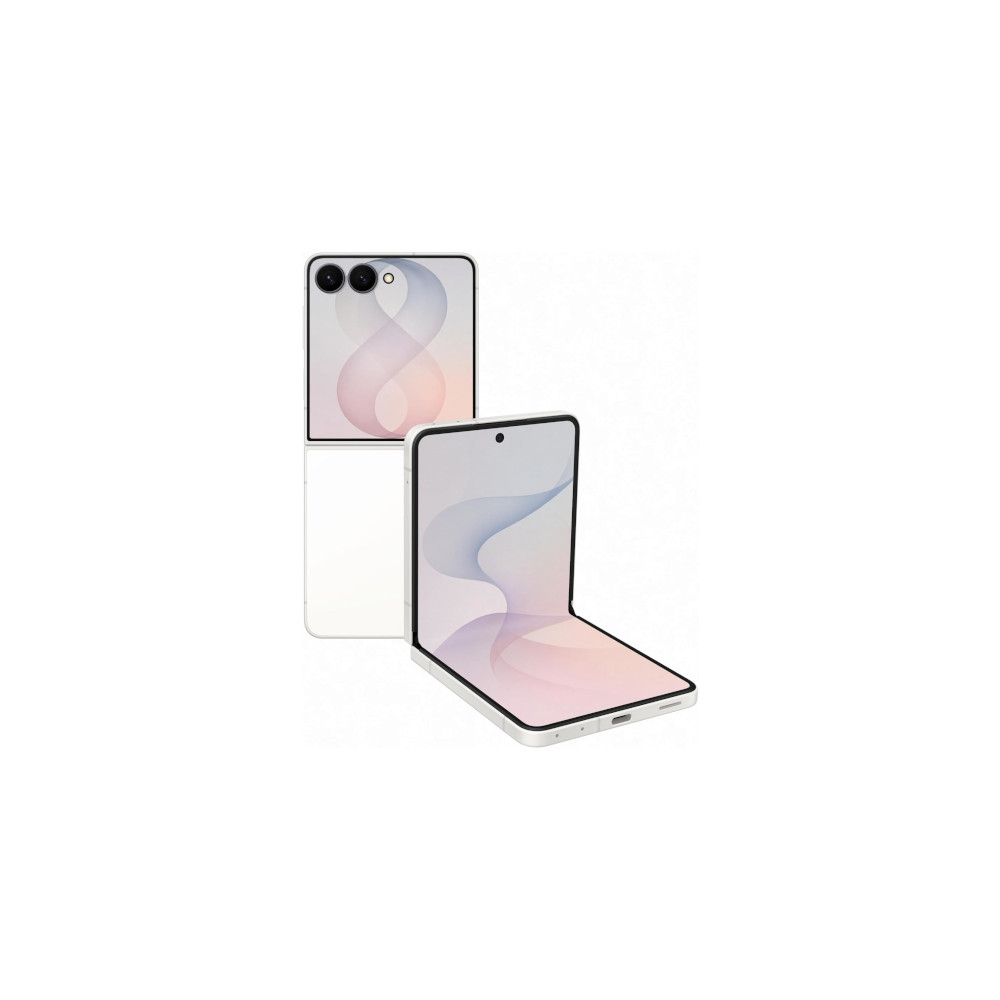
- Samsung has confirmed that the Galaxy Z Flip 8, Galaxy Z Fold 8, and Galaxy Z Fold 8 Ultra all have silicon-carbon batteries.
- These are therefore the first Galaxy phones with silicon-carbon battery technology.
- Samsung didn’t disclose more details about the tech but said you should expect battery health that’s “consistent” with previous products.
Smartphones with silicon-carbon batteries have been around since 2024, when HONOR debuted the tech. We’ve since seen the likes of OnePlus, OPPO, Xiaomi, and others all embrace this battery technology. Samsung has been one of the few high-profile holdouts, but that changes today.
Samsung confirmed during a media briefing and a media roundtable that the Galaxy Z Flip 8, Galaxy Z Fold 8, and Galaxy Z Fold 8 Ultra all have silicon-carbon batteries. That means these are the first Galaxy phones with this technology. Furthermore, the Galaxy Watch Ultra 2 also benefits from a silicon-carbon battery, making it quite possibly the first Samsung watch with this tech.
Silicon-carbon batteries offer the same battery capacity in a smaller physical size or increased capacity for the same physical size. This has resulted in flagship Android phones with 6,000mAh+ batteries, without a corresponding increase in thickness or weight. It’s also ideal for foldable phones, compact smartphones, and smartwatches, as these form factors don’t have much space for a large conventional battery. Pure silicon-carbon batteries do come with an increased risk of expansion, but manufacturers only use a small percentage of silicon content to mitigate this issue.
Does your current phone have a silicon-carbon battery?
What else to know about Samsung’s silicon-carbon batteries?

The company refused to divulge the percentage of silicon content used in these new batteries, citing “confidentiality reasons,” but noted that the percentage was identical across all three foldable models.
“What we can say for sure is that we dedicated a lot of our energy and resources in order to optimize the percentage of silicon in our silicon-carbon battery,” Samsung senior executive Sunghoon Moon told a media briefing in response to an Android Authority question.
For what it’s worth, early devices like the OnePlus 13 used ~10% silicon content, while newer devices like the OnePlus 15 (15%), Xiaomi 17 Ultra (16%), and the HONOR Magic V6 (25%) have upped the ante.
We’ve noticed that the first few generations of silicon-carbon batteries had inferior battery health compared to conventional batteries. So should we expect the same from Samsung’s new foldables as a result of this new tech?
Moon addressed this in response to a media question:
The first thing that I want to note in terms of our strategy is, whenever we make decisions about incorporating and introducing new technologies in our products, we ensure that (with) this new technology, we never compromise the unique and distinct experiences that have always been offered by our Samsung devices.The charging cycle and the charging lifespan remain consistent with our previous generations, which meets our highest internal requirement (sic) and standards applied to the battery system in respect to many different characteristics, including the safety, longevity, and stability. And therefore when you’re charging our devices with the new battery system, there is no need to worry at all, just like in our previous generations.
This statement suggests that the Galaxy Z Flip 8, Fold 8, and Fold 8 Ultra all offer 2,000 charging cycles, much like their predecessors. But we’ll need to double-check with Samsung or wait for these devices to be listed in the EU’s energy database to get a proper answer.
Samsung also issued a more comprehensive answer to reliability in response to our emailed question:
In parallel, Samsung reworked the battery system beyond the material alone. Silicon-carbon material was introduced to improve energy density but making that solution reliable required a broader review of the battery system — including electrolyte, separator, cell structure, expansion control and structural integrity. The result is not just a larger battery in a thinner body. It is a battery system and device architecture engineered from the material level to deliver higher capacity, stable performance and long-term reliability within a slimmer, stronger foldable form factor.
Either way, the Galaxy Z Fold 8 Ultra’s jump from a 4,400mAh battery to a 5,000mAh battery makes a lot of sense now. This new tech also clearly enabled a slightly thinner Galaxy Z Flip 8 without sacrificing battery capacity.
This is just the first step in Samsung’s silicon-carbon journey, though, so a conservative initial approach is understandable. It’s especially sensible in light of the Galaxy Note 7 saga a decade ago. Here’s hoping Samsung brings more impressive battery capacity gains in 2027, though, as rivals adopt increasingly huge batteries in their devices.

Thank you for being part of our community. Read our Comment Policy before posting.