Affiliate links on Android Authority may earn us a commission. Learn more.
After using the Galaxy Z Fold 7 and Razr Fold, the Pixel 11 Pro Fold needs these 6 upgrades
Jul 15, 2026 — 5:00 AM ET



When the Google Pixel 10 Pro Fold first came out, I wanted to love it. Sure, the foldable phone looked quite similar to the Pixel 9 Pro Fold, but it featured a handful of subtle upgrades. A new Tensor G5 chip, a larger 5,015mAh battery, and faster 30W charging were a few of the highlights. The Pixel 10 Pro Fold also included genuine firsts for US foldables in magnetic Qi2 and IP68 support.
However, it didn’t take long for the Pixel 10 Pro Fold to feel outdated in comparison to the Samsung Galaxy Z Fold 7, which was released months earlier. A few months later, Motorola started previewing its first big-screen foldable — the Motorola Razr Fold — and it officially launched in May.
Fast-forward to today, and I’ve been using the Galaxy Z Fold 7 for nearly a year and the Razr Fold for months. It’s never been clearer to me that Pixel foldables can’t compete unless the Pixel 11 Pro Fold includes major upgrades in six key areas.
Which Google Pixel 11 Pro Fold upgrade would win you over?
A thinner, lighter design

If there’s one spec Google should focus on for the Pixel 11 Pro Fold, it’s the foldable’s weight. The current Pixel 10 Pro Fold weighs 258 grams, which is shockingly one gram heavier than the Pixel 9 Pro Fold. There are easy explanations for the weight gain, such as the larger battery and built-in Qi2 magnets. Regardless, it’s never good to see a new phone take a step backward in an area where it was already behind the curve.
I understand many smartphone buyers put thickness and weight low on their list of priorities, even if I personally value those characteristics more. Still, it’s hard to overstate how heavy the Pixel 10 Pro Fold is compared to the competition. It’s 15 grams heavier than the Razr Fold, which weighs in at 243 grams. It’s a staggering 43 grams heavier than the Galaxy Z Fold 7, which weighs 215 grams. The Pixel 10 Pro Fold is somehow only a gram heavier than the non-folding Galaxy S26 Ultra.
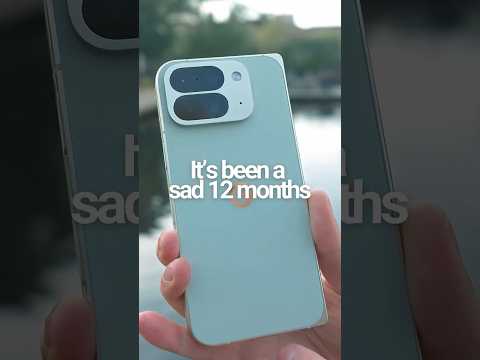
This is without considering the looming Galaxy Z Fold 8 launch or bringing up global foldables that aren’t available in the US. Put simply, the Pixel 11 Pro Fold needs to get lighter. It should, at a minimum, weigh about the same as the Razr Fold. Google gets bonus points for including magnetic charging and a larger battery than the Galaxy Z Fold 7, but it doesn’t get a free pass to ignore weight entirely.
I will admit the Pixel 10 Pro Fold’s thickness isn’t a dealbreaker. It is thicker than the Galaxy Z Fold 7 and the Razr Fold – trimming a millimeter or so to match or best Motorola’s option would go a long way.
A bigger battery with faster charging

Battery life and charging are two reasons I can’t rule out the Pixel 10 Pro Fold completely. I’ve used the Galaxy Z Fold 7 on and off since it launched, and battery life has been a recurring problem. The 4,400mAh battery capacity simply isn’t enough, especially when I use the Galaxy Z Fold 7’s main display heavily. The Pixel 10 Pro Fold beats Samsung’s current offering in raw capacity and charging speed — the magnets and Pixelsnap support are the finishing touches.
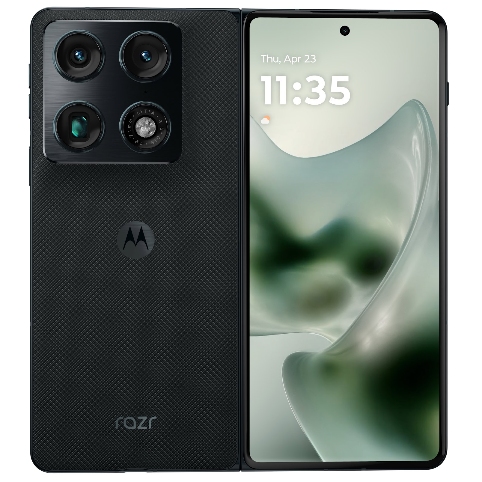
But the Motorola Razr Fold poses a new challenge for Google. Motorola didn’t add Qi2 magnets to the Razr Fold, but it did use silicon-carbon battery tech, offering a 6,000mAh battery and up to 80W wired fast charging. It set a new standard for US foldables.
Google's Pixel 11 Pro Fold needs to offer faster wired charging speeds, and ideally boost the battery capacity yet again.
I’ve used the Razr Fold since May, and it’s the first foldable I’ve enjoyed without even worrying about battery life. If Samsung pulls a wild card and significantly upgrades the battery and charging capabilities of the Galaxy Z Fold 8 series, there will be even more pressure on Google to respond.
Google’s Pixel 11 Pro Fold needs to offer faster wired charging and, ideally, boost the battery capacity yet again. The Pixel 10 Pro Fold’s 5,015mAh capacity and 30W wired charging speeds were fine when Samsung was Google’s only US competitor, but Motorola changed the game.
Improved multitasking software

Google is losing the foldable software race, and I’d argue that multitasking features are the most important aspect of great folding phones. You’re paying a premium for the larger inner screen, and the software should encourage you to make the most of it. While using Google and Samsung foldables, I never felt like the software pushed me to maximize the bigger display.
Motorola’s multitasking features suggest split-screen app pairs, open web links in split views, and make it easier to multitask from the app switcher. Using the Razr Fold made multitasking automatic, and it’s glorious. Even using Pixel foldables with Android 17 provides a lackluster experience. App bubbles are neat, but they’re not on par with the Samsung or Motorola equivalents.
My advice to Google is to steal everything. Borrow OnePlus’ Open Canvas. Copy Motorola’s Hello UI multitasking suggestions. Take inspiration from Samsung’s powerful pop-up views. If the Pixel 11 Pro Fold doesn’t include major multitasking upgrades, I’ll have a hard time picking it over the upcoming Galaxy Z Fold 8 or the Razr Fold.
Slimmer bezels and better screens

I originally found the Pixel 9 Pro Fold and Pixel 10 Pro Fold cover displays charming, but they’re starting to look ancient. The strong display curves make the Pixel 10 Pro Fold’s cover screen bezels look large, especially near the hinge. I know, bezel talk is boring and nitpicky, but $2,000 phones have to strive for perfection. I’d love to see a Pixel 11 Pro Fold design that gives the cover screen some love, striving to match the sleek appearance of Motorola and Samsung alternatives.
The cover display hardware on the Pixel 10 Pro Fold is lackluster, too. It supports 120Hz refresh rates, but the panel doesn’t use LTPO. This means the Pixel 10 Pro Fold doesn’t support variable refresh rates and limits the always-on display feature to black backgrounds. Always-on display wallpapers won’t be supported until Pixel foldables add variable refresh rate support, and I’m hoping it comes with the Pixel 11 Pro Fold.
A sharper camera system

The Pixel 10 Pro Fold’s primary camera isn’t bad, but the entire camera system was carried over from the Pixel 9 Pro Fold. Both phones have a triple-camera configuration on the rear with a 48MP primary shooter, a 10.8MP 5x telephoto lens, and a 10.5MP ultrawide camera. I can give the primary sensor a pass, but the telephoto and ultrawide lenses just aren’t sharp enough by 2026 standards.
Samsung and Motorola have aggressively designed their foldables with powerful cameras, like the Galaxy Z Fold 7’s 200MP main camera or the Razr Fold’s 50MP one. I’ve put each camera system through its paces, and the Razr Fold has impressed me with its 50MP, 3x telephoto, and 50MP ultrawide lenses. Samsung nailed the main camera, while Motorola bolstered the secondary cameras for versatility.
Unless you care about Google’s image-signal processing pipeline or color science, there’s not much reason to pick the Pixel 10 Pro Fold’s cameras over the latest from Samsung or Motorola. Google Pixel phones were once known for their cameras, and the Pixel 11 Pro Fold should lean into that identity. Add modern primary and secondary cameras that match or compare to the regular Pixel 11 Pro models, and Google has a chance with the Pixel 11 Pro Fold to make the camera battle competitive.
A more powerful Tensor chip

The Pixel 10 Pro Fold’s Tensor G5 chip was never good enough to compete with the Galaxy Z Fold 7’s Qualcomm Snapdragon 8 Elite chip. If performance for the upcoming Galaxy Z Fold 8 series is anything like what I’ve seen from the Galaxy S26 Ultra, it could give the Pixel 11 Pro Fold a tougher challenge. Not all Android Authority readers care about the Tensor G5’s lackluster gaming chops, but the test results speak for themselves — in performance, Pixels are being left behind.
By now, it’s clear Tensor chips won’t compete with Qualcomm’s “Elite” platforms, barring an incredible leap. However, using the Razr Fold revealed that even the regular Snapdragon 8 Gen 5 (non-Elite) could best the Tensor G5 in the Pixel 10 Pro Fold. Performance arguably matters more on a foldable phone, where you’re more likely to game or multitask, and Pixels aren’t cutting it. The Tensor G6 in the Pixel 11 Pro Fold needs to start closing the gap.
If there’s a theme here, it’s that the Razr Fold could eat the Pixel 11 Pro Fold’s lunch unless Google makes improvements across the board. The Galaxy Z Fold 7 and Pixel 10 Pro Fold were each well-positioned to a certain kind of buyer nearly a year ago. Now, the Razr Fold looks like the Goldilocks foldable. It beats the Galaxy Z Fold 7 and Pixel 10 Pro Fold in ways that matter while striking a reasonable $1,900 price point.
With another US competitor firmly in the mix, the Pixel 11 Pro Fold needs to be better than ever to win me back.
Periscope zoom
Stylus support
Multitasking

More durable design
200MP primary camera
Snapdragon 8 Elite for Galaxy
Thank you for being part of our community. Read our Comment Policy before posting.