Affiliate links on Android Authority may earn us a commission. Learn more.
The Google Pixel 11 has an identity problem (and that's okay)
Sep 9, 2026 — 6:00 AM ET


Weeks after the Google Pixel 11 launch, it’s clear the most egregious change wasn’t the price hike. The Pixel 11 Pro XL costs the same as Samsung’s Galaxy S26 Ultra, but Google could’ve justified the new price by boosting Tensor performance, doubling down on local AI features, or meaningfully changing the design.
It didn’t do any of that. Google’s Tensor G6 chip is an iterative upgrade at best, my favorite Pixel exclusive uses cloud processing (Magic Capture), and the Pixel 11 Pro XL is still thicker and heavier than I’d like. To make matters worse, Google actually cut the amount of RAM on the Pro models from 16GB to 12GB.
And yet, I don’t hate the Pixel 11 series. I’ve never bought a Pixel with my own money and probably never will, but after using the Pixel 11 and Pixel 11 Pro Fold for a while, I finally understand them. Google Pixel phones aren’t for me — I’m a Galaxy buyer, through and through — but I don’t want them to change anymore. They’re perfect for someone, and the flexibility of choice is what Android is all about.
Is the Google Pixel 11 series for you?
I rejected Pixels because I was looking for another Galaxy

My frustration with Pixel phones stemmed from a tendency to grade them on the Galaxy scale. I don’t consistently buy Galaxy phones because of some blind loyalty to a brand; I buy them because Samsung cares about the same flagship features that I care about. Samsung is one of the few brands still focused on making their phones thinner and lighter, and it pushes hardware boundaries. It tries new things, even when they aren’t commercially successful, like the Galaxy S25 Edge or the Galaxy Z TriFold.
I see Samsung’s Galaxy S26 Ultra in an extremely favorable light. It manages to pack Qualcomm’s outstanding Snapdragon 8 Elite Gen 5 for Galaxy chipset into a phone that measures just 7.9mm thick and weighs only 214 grams. The specs are impressive across the board, featuring a 5,000mAh battery, a 6.9-inch display, a siloed S Pen stylus, and a 200MP main camera. As an Android enthusiast, it’s exactly what I want a $1,299 phone to look like.
In my book, software comes second to hardware. I can always tweak my Android software with settings, launchers, or even a custom ROM. I can’t fix a phone that feels outdated a few years down the line because its hardware isn’t up to par. That’s why, on paper, the Pixel 11 Pro XL looks like it can’t compete. Google’s Tensor chips are weak in performance compared to Snapdragon chips, especially for mobile gaming. The Pixel 11 Pro XL is thicker and heavier than the Galaxy S26 Ultra at 8.5mm thick and weighing 226 grams.

That’s according to Samsung’s scale. Google isn’t trying to make the thinnest, lightest, or most powerful phone, so it’s not surprising that Pixels look disappointing in that context. There are a lot of things the Pixel 11 does better than the Galaxy S26, you just won’t find many of them on the spec sheet. I used to think that Google owed it to Pixel customers to match the hardware advancements offered by Samsung, Motorola, and OnePlus phones. But all that might do is take away from what makes Pixels unique in the first place.
Google probably could make a phone that matched Samsung, Motorola, or OnePlus hardware. If all the Android brands started making phones that were effectively the same, we’d only have the illusion of choice. I don’t want iPhones and Android phones to be exactly the same. If someone wants to buy an iPhone and enjoy a closed ecosystem, that’s their choice. For the same reason, Pixel phones shouldn’t be exactly the same as Galaxy phones — even if the result is a device that looks worse on paper.
Pixel phones aren’t for enthusiasts, and that’s perfectly fine

Pixel phones have evolved, and they’re not for enthusiasts anymore. There was a time when Google phones offered buyers excellent value for their money, undercutting the cost of comparable Apple and Samsung alternatives. That spirit lives on in A-series models like the Pixel 10a, which I wholly recommend, but it’s notably absent from the mainline Pixel phones. Instead, Google is focusing on quality-of-life features that make the Pixel 11 series more appealing to the casual smartphone user — just maybe not the enthusiast tracking benchmark scores.
It’s listening to the average buyer, making changes to Pixel phones that they actually care about. For instance, the Pixel 11 Pro and Pixel 11 Pro XL are available in gorgeous Canyon and Olive colorways, addressing a common complaint about “Pro” phones missing out on the cool colors. It also added an all-matte Obsidian version for the Pixel 11 Pro and Pixel 11 Pro XL for people who didn’t like the glossy side rails on the Pro models. They’re minor tweaks that matter less to me than hardware improvements, but a whole lot of people care about them.
These little moments add up to make owning a Pixel so enjoyable, and they make me understand why so many people swear by Google phones.
It’s also impossible to understate the importance of Qi2 magnets on the Pixel 10 and Pixel 11 lineups. This is a feature people have come to love and expect on their phones, whether the compatibility is built in or added with a case or accessory. Every time I review a Pixel, I’m overjoyed at how convenient it is to drop it on the MagSafe chargers I have scattered throughout my apartment. These little moments add up to make owning a Pixel so enjoyable, and they make me understand why so many people swear by Google phones.
The numbers show that even in a down year for smartphones, Google Pixel shipments increased by 16% in the second quarter of 2026, according to Counterpoint Research. The Pixel 10 and Pixel 10a drove that growth, and I’m curious to see if Google can keep that momentum following the Pixel 11 launch. By all indications, Google’s Pixel strategy is working.

If the Pixel isn’t for Android enthusiasts anymore, who is it for? To me, it’s clear Google made the Pixel 11 for influencers and the people who follow them. Google is leaning harder into Pixel pop culture marketing than ever, working with personalities like Jimmy Fallon, Trevor Noah, Alex Cooper, and Stephen Curry. If those partnerships didn’t land with you or me, that’s proof we’re not Google’s intended audience.
The new set of Creator Suite features exclusive to the Pixel 11 is another sign that Google’s phones are made for content creators. It’s not a bad strategy, because almost everyone is a content creator in some shape or form these days. The features are genuinely useful. I’ve used many bad teleprompter apps in my day, so having a live teleprompter inside Creator Suite on the Pixel 11 sounds incredibly helpful. As a reminder, the Pixel 11’s magnetic Qi2 compatibility works great with stands and tripods — the teleprompter feature fits right in.
The on-screen audio visualizer makes it easy to see if your voice is being properly picked up while recording, and automatic noise isolation helps your speech sound crisp. There are even gridlines built into the Pixel Camera app that remind you which aspect ratios are best for a specific social media platform. If I were a video content creator, the Pixel 11 would seem like a better option than the Galaxy S26.
I’ll keep loving the Pixel 11 series from afar

Pixels are better for casual users and content creators, while Galaxys are better for power users and gamers. That dichotomy is probably exactly what Google wants.
After all, Samsung and Google are very close partners. Google often shares its best features with Samsung users, such as the Gemini Intelligence suite. At the end of the day, Google wants to sell you an Android phone instead of an iPhone. I’m sure it would prefer to sell you a Pixel instead of a Galaxy, but iOS is the common enemy, because it holds over 60% of the mobile OS market share in the US. So, it makes sense that Google is targeting the market segment that Samsung is leaving out.
Even I’m tempted by features like Pixelsnap and the Creator Suite. They’re good enough that I want to overlook the Pixel 11 series’ hardware faults and high prices. I always keep a personal iPhone and Android phone in my pocket, and a Pixel won’t replace my Galaxy anytime soon. However, I’m tired of trying to change Pixels to make them cater more toward enthusiasts. I’ll just buy a Galaxy instead, and leave Pixel phones for the users who love them.
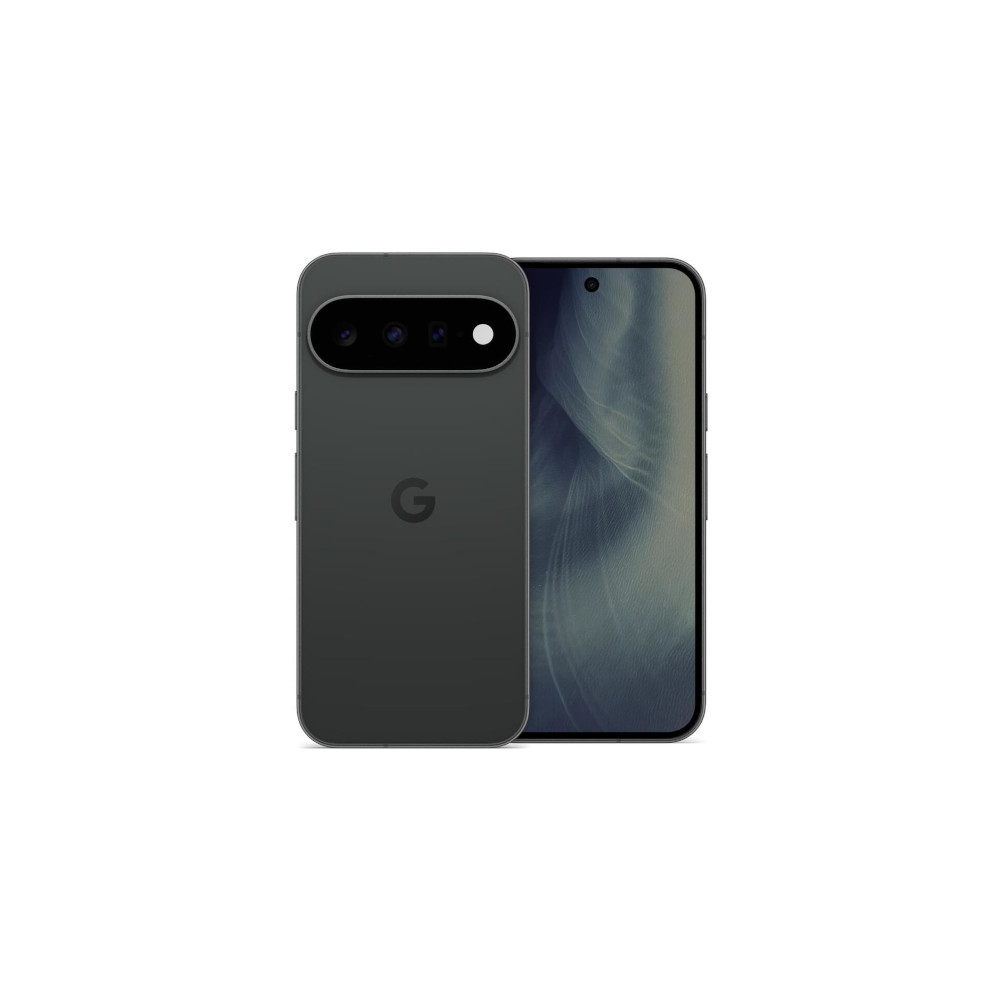
25W Pixelsnap magnetic charging
Larger 48MP main camera sensor
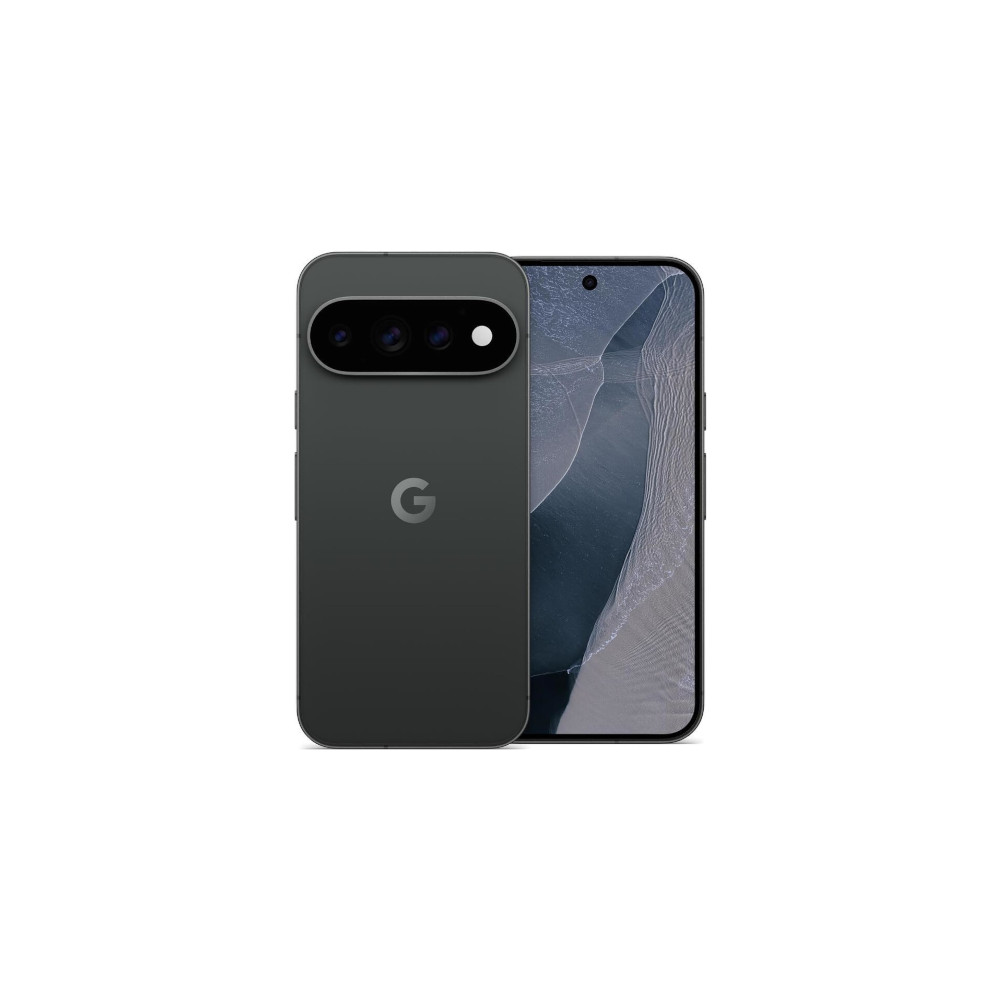
7 years of Android updates
Built-in magnets with Qi 2.2
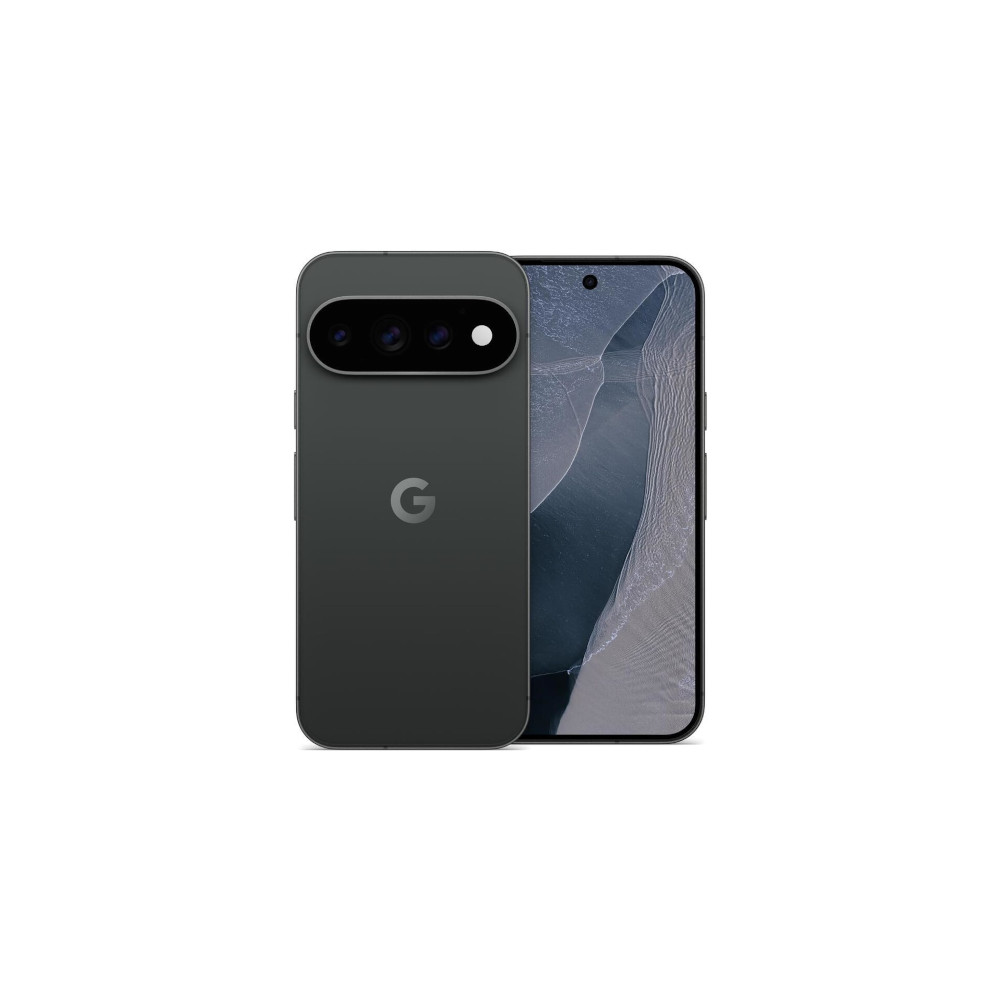
7 years of Android updates
Built-in magnets with Qi 2.2
Conversation
Read what readers said or add your take.