Affiliate links on Android Authority may earn us a commission. Learn more.
I’m glad Google is making the Pixel Tag, but I absolutely won’t buy one
Aug 6, 2026 — 6:30 AM ET
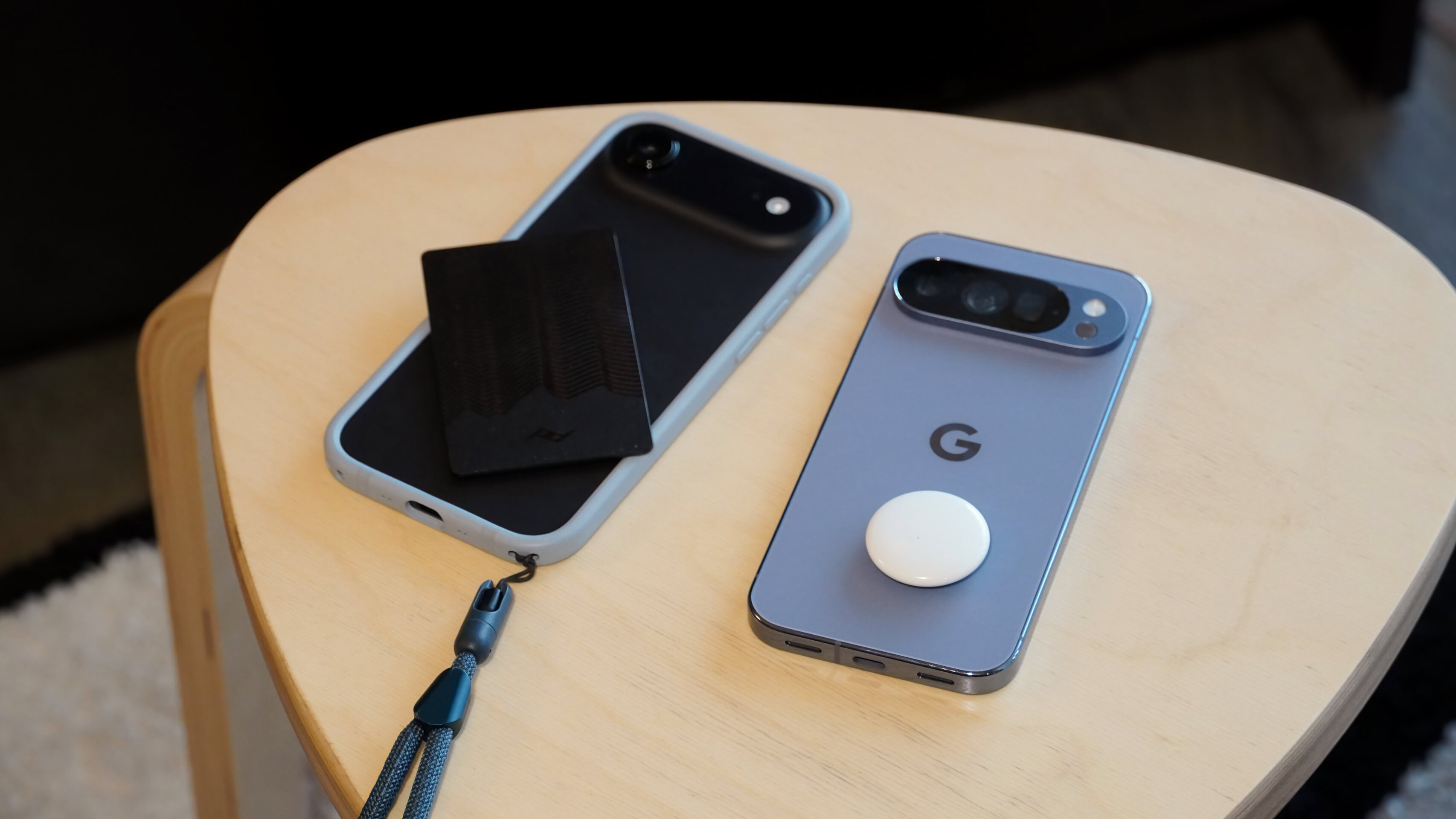


Apple is excellent at building product ecosystems — it’s ready to sell you almost everything you need for your iPhone, from AirPods to AirTags. Comparatively, Google has been slower to expand its Pixel hardware lineup.
There are still glaring holes in the Pixel portfolio, including over-ear headphones and Bluetooth trackers. However, Google might be filling the latter hole with the Pixel Tag, a Bluetooth tracker built for the Google Find Hub network. It’ll be the perfect Android alternative to the AirTag and Apple’s Find My network… or will it?
The news that Google is seemingly gearing up to launch the Pixel Tag is music to my ears. Apple, Samsung, and Motorola already offer Bluetooth trackers for their respective smartphones, and it’s odd that Google doesn’t have its own Pixel tracker for the Find Hub network. Pixel users must be ecstatic to get their hands on the Pixel Tag. As a current AirTag user disgruntled by the experience of using an ecosystem-locked Bluetooth tracker, I’m not eager to buy another one. The Pixel Tag just isn’t for me, unless Google makes the Find Hub network truly cross-platform.
Which brand of Bluetooth tracker are you most likely to buy next?
The Pixel Tag is a great idea, but it’s too late

Sometimes, Google’s slow pace of hardware releases works against it. Apple had an easy time making the original AirTag a prolific accessory when it launched in 2021. The reasons behind the AirTag’s success were twofold. Apple had a large Find My network, and it was relatively early in shipping a cheap ultra-wideband (UWB) tracker. These same factors could have the opposite effect for Google and its Pixel Tag. It’s five years late, and the Find Hub network isn’t as large as the Find My network.
The top smartphone brands haven’t just released a single Bluetooth tracker — they’re on their second revision. We have the AirTag 2, the Motorola Moto Tag 2, and the Samsung SmartTag 2. That’s without mentioning third-party offerings from Pebblebee, Chipolo, Tile, and other brands. There’s room for Google to compete in the Bluetooth tracker market, but it will have to break the status quo. If it simply makes another AirTag or Moto Tag clone, it’ll become popular only among Pixel users, not in the wider Android sphere.
That could be by design. After all, the AirTag is a hit despite only working with Apple devices. However, this is one of many reasons I’m an unhappy AirTag customer. I bought five of them, and they’re great Bluetooth trackers as long as two simple conditions are met: you need an Apple device handy to locate an AirTag, and that AirTag needs to have battery power to update its location and play sounds. It sounds simple enough, but five years into AirTag ownership, it’s been anything but.
I never stick to one ecosystem, platform, or brand, and that usually nixes plans that involve using ecosystem-locked accessories like the AirTag. Sure enough, the AirTag is a pain to use when I’m daily driving Android phones or Windows laptops. When I don’t have an iPhone or Mac nearby, AirTags are useless. As someone who mixes up the devices they use, both for work and pleasure, that’s a problem. None of this is exactly surprising, but if I’m not content with the AirTag, I probably won’t like the Pixel Tag.
Your next Bluetooth tracker should support these features
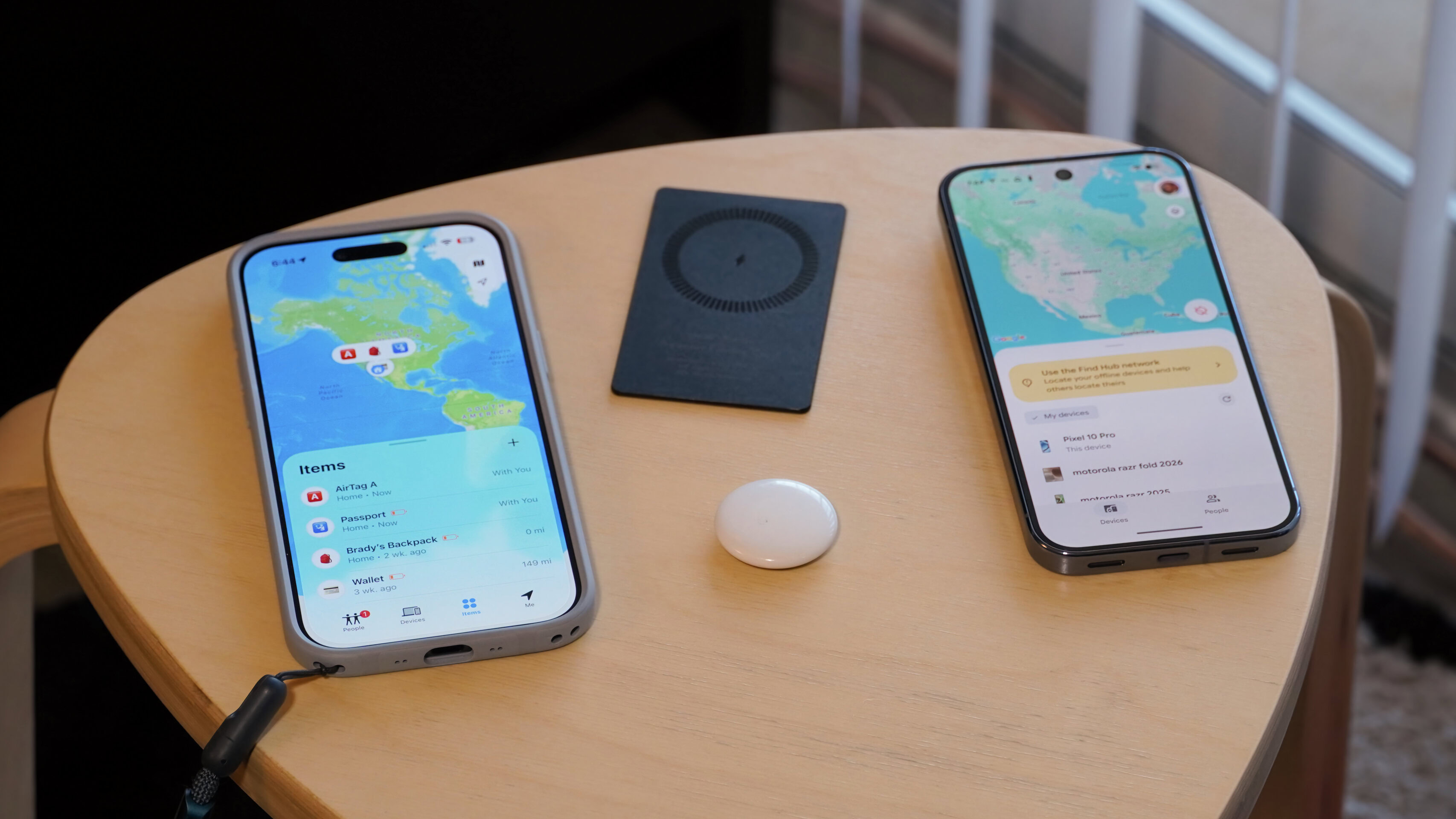
If I could change two things about the AirTag, I’d swap the disposable battery for a rechargeable one and make the tracker cross-platform. Let’s start with the latter request first.
I don’t expect Apple to add Google Find Hub support to the AirTag, nor should it. I should be able to use an AirTag’s basic functions with a non-Apple device, though. For example, you can track Apple devices on the Find My network using the iCloud web client on any device with a browser. It’s not a replacement for the Find My app on Apple products, but it does work.
For some reason, this iCloud web client functionality doesn’t extend to AirTags or other Find My-compatible item trackers. This omission rules out using the AirTag if you use a mix of iOS, macOS, Android, or Windows devices. Without cross-platform support, AirTags have been less useful than they should be.

I’m worried that the rumored Google Pixel Tag will fall victim to the same issue. If it only works with Google Find Hub and becomes useless on other platforms, a Pixel Tag won’t solve my problem. Like AirTags and the Find My web client, current Find Hub trackers don’t show up on Google’s Find Hub web client.
I'm worried that the rumored Google Pixel Tag will fall victim to the same issue.
My other AirTag complaint concerns battery life. It lasts about a year and runs on an included CR2032 coin-cell disposable battery. I’ve now tried Bluetooth trackers with disposable and rechargeable batteries, and the latter are clearly superior.
Using disposable batteries creates more waste, increases the cost of ownership, and makes it harder to resolve a Bluetooth tracker dying mid-trip. If my AirTag dies at the airport, I’ll have to overpay for a CR2032 battery. If a Bluetooth tracker with a rechargeable battery runs out of juice along the way, it costs me nothing to keep it going.
The perfect Bluetooth tracker, in my eyes, works with both the Find My and Find Hub networks and features a rechargeable battery. This isn’t an unreasonable ask. The Pebblebee Clip 5 has a USB-C port for convenient recharging and dual Find My/Find Hub compatibility. It’s fairly slim, too, and checks all my boxes. Will the Google Pixel Tag do the same?
We don’t know much about the Pixel Tag aside from the model number (GA12506) and apparent color (Fog Light). The early European retailer listing’s Pixel Tag description also reveals some features, such as “a loud speaker for easy nearby search.” There’s no word on whether the Pixel Tag is rechargeable. If it isn’t, I’d see little reason to buy one over the AirTag 2, Moto Tag 2, or SmartTag 2. Without cross-platform support, I wouldn’t buy the Pixel Tag over the Clip 5.
How Google could convince me to buy Pixel Tags

Google’s Pixel Tag would become the default Bluetooth tracker for Pixel users — that part is obvious. What’s up in the air is whether the Pixel Tag could make noise in the Bluetooth tracker market at large, challenging the big and established players. Google could entice me to buy a Pixel Tag (or five) by making it cross-platform. It doesn’t need to work with Apple’s Find My network to achieve that goal.
Merely making the Find Hub app available on iOS or enabling Pixel Tag tracking on the Find Hub web client would go a long way in appeasing cross-platform users like me. Without this functionality, I’m inclined to ignore trackers from Apple, Google, Samsung, and Motorola entirely. They all could be limited in the same ways unless Google breaks the mold.
For a while, the conversation about the best Android trackers centered on the Moto Tag and Moto Tag 2. They’re one of the few with ultra-wideband (UWB) support and an AirTag-like form factor. Other candidates, like the Pebblebee Clip 5, offer dual Find My/Find Hub support and rechargeable batteries, which I consider critical features.
Google can disrupt the Bluetooth tracker market with the Pixel Tags, but I’ll pass on them if they’re merely AirTag or Moto Tag clones.
Thank you for being part of our community. Read our Comment Policy before posting.