Affiliate links on Android Authority may earn us a commission. Learn more.
Pixels and Galaxies aside, these are the phones that are worth your money
Oct 23, 2026 — 6:30 AM ET


Amazon’s top-selling smartphones list reveals how dominant Apple’s iPhones and Samsung’s Galaxy phones are in the US. It’s not necessarily because they’re the best smartphones year after year. It’s mostly due to the lack of choices consumers have in North America.
OnePlus’s recent exit from the North American and European markets is a modern-day tech tragedy. Losing one of the best Android manufacturers is a huge blow to both fans of the company and consumers who need more options in the US. Americans who want a new Android phone are now limited to a handful of brands.
US-based consumers typically think of a Pixel or Galaxy when picking a new phone. Pixels are Google’s purest interpretation of Android, while Galaxy phones are the top-selling Androids not just in the US, but globally, too. This doesn’t mean they are our only options, however.
There are highly polished Pixel and Galaxy alternatives that can be readily purchased in the US. The following smartphones are even better in some ways compared to Google and Samsung’s products.
Which Android brand would you like to see officially sold in the US?
Iconic clamshell: Motorola Razr (2026)

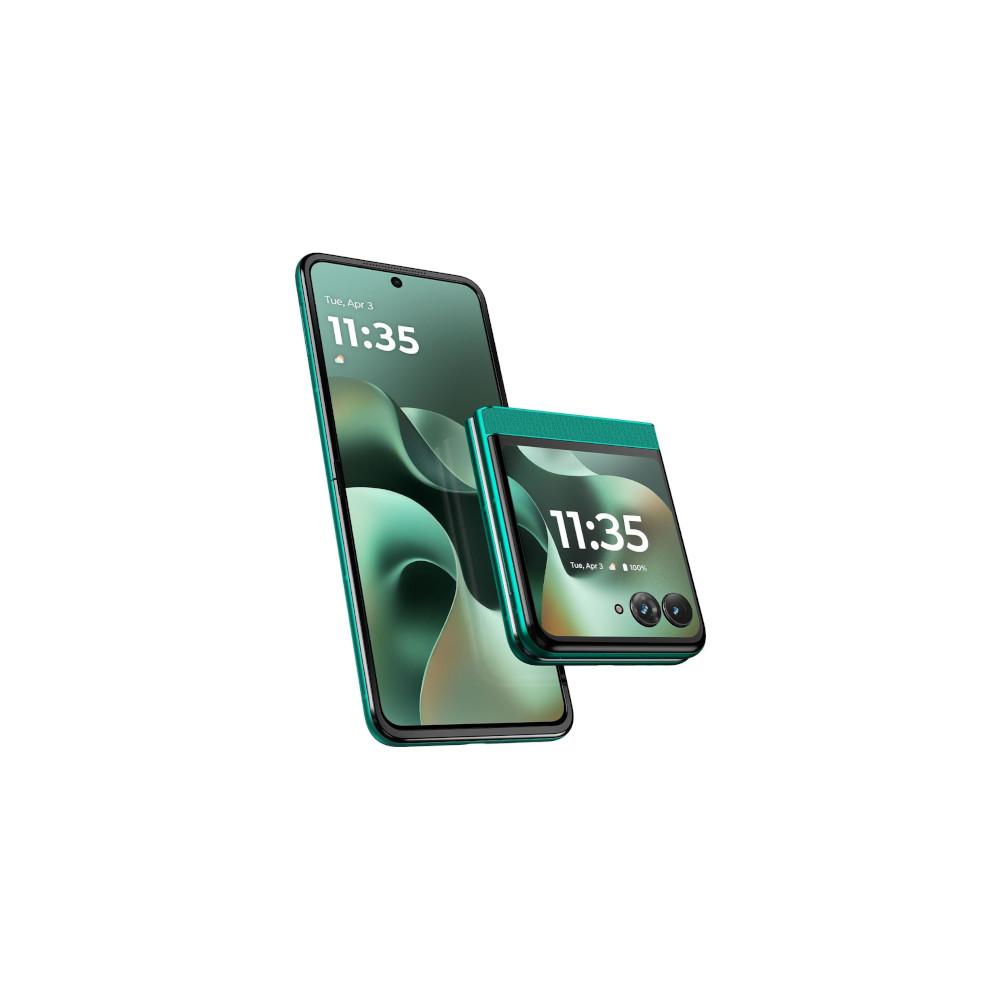
Few phones are as iconic as the Motorola Razr, and its modern-day resurgence is delighting a new generation of users. This year’s Razr is stylish and fun to use, without compromising on performance. Best of all, the latest Razr proves that clamshell foldables don’t have to cost over $1,000 for a flagship-level experience.
Its retail price of $800 actually makes it a more attractive option compared to the $1,200 starting price of Samsung’s Galaxy Z Flip 8. The Razr is a more affordable entry point into foldables, in spite of its $100 price increase over last year’s model. There are a few drawbacks, such as the average 30W charging speed and mid-range MediaTek Dimensity 7450 processor, but this Razr really shines in both of its forms.
The 3.6-inch cover display runs apps out of the box without the need for additional software. You can add any app you’d like and run it from there. The unfolded AMOLED 1080p panel is 6.9 inches and refreshes at 120Hz. It’s ideal for movies and games thanks to the HDR10+ compatibility. My favorite component is the 4,800mAh silicon-carbon battery. It gives the slim foldable a two-day battery life with moderate usage. It lacks a telephoto lens, but the primary and ultrawide 50MP cameras more than make up for that.
Foldable from a non-Galaxy: Motorola Razr Fold (2026)
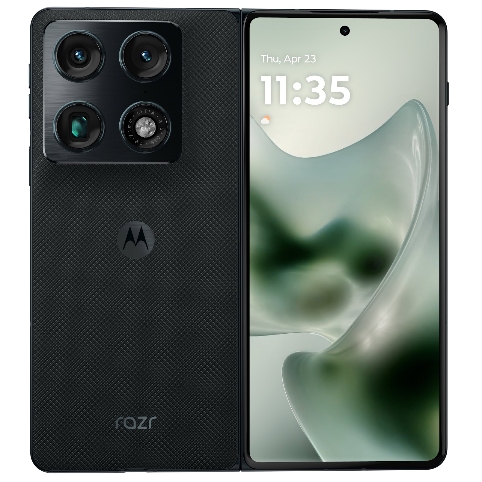
If the Razr’s screens are too small for you, the Razr Fold has got you covered. It’s a more substantial foldable with a tall 6.6-inch cover screen and wide 8.1-inch display when opened up. It’s Motorola’s inaugural book-style foldable with a very capable Qualcomm Snapdragon 8 Gen 5 chipset, plus 80W wired and 50W wireless charging.
The hinge is solid, despite being Motorola’s first attempt at this form factor. While the crease is still noticeable, you’ll pay more attention to the incredibly bright unfolded screen that maxes out at 6,200-nit peak brightness. It’s compatible with the Moto Pen Ultra, but the stylus costs an extra $100 and doesn’t slot into the body of the phone. Unlike the smaller Razr, the Razr Fold is equipped with a third 50MP telephoto camera on the back. It has a large battery at 6,000mAh, as well, more than enough to last a day or two of mixed usage.
The Razr Fold isn’t as affordable as its flip phone sibling. At $1,900, it’s priced the same as the Galaxy Z Fold 8 and Pixel 11 Pro Fold. Unlike the regular Razr, you’d really have to favor Motorola’s hardware and software implementation if you’re picking its Razr Fold over Samsung and Google’s equivalent Folds. Nevertheless, this is a solid first attempt by Motorola with this book-style form factor.
Near-flagship specs: Nothing Phone 3

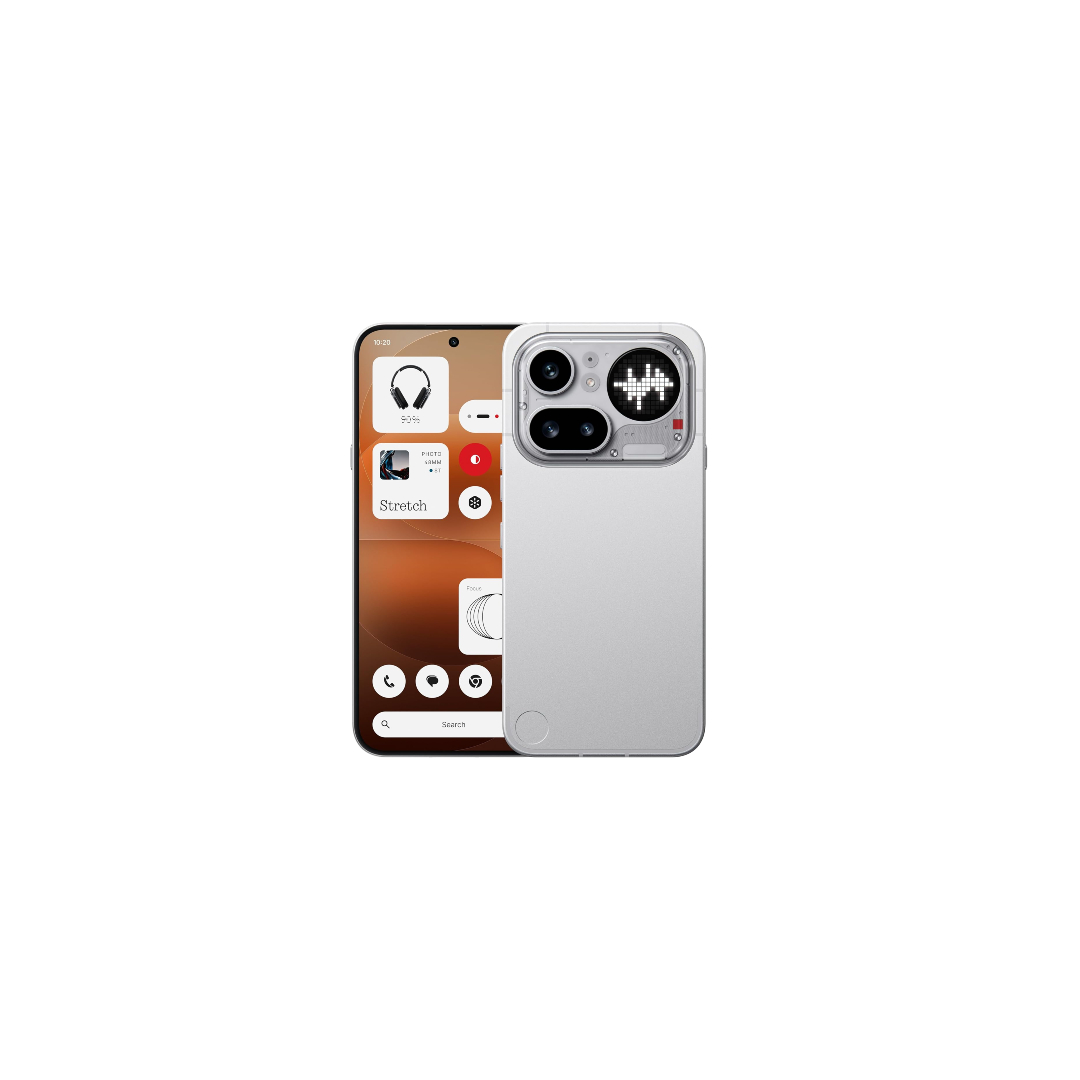
It’s disappointing to see Nothing skip a year for its next flagship. Its current premium smartphone, the Nothing Phone 3, is still an overall solid performer in spite of its polarizing design. Love it or hate it, the Nothing Phone 3 is one of the few near-flagship-level phones you can buy below $1,000 in the US.
Its biggest compromise is its Snapdragon 8s Gen 4 chip. Even when the Nothing Phone 3 was released in mid-2025, this processor was already a step behind its beefier Snapdragon siblings. Today, the Nothing Phone 3 can no longer keep up with the best Android flagships. Its saving grace is the 5,150mAh battery, which is abundant for any standard. However, you don’t buy a Nothing Phone for its performance; rather, you buy one for its unique design and minimalist software.
Nothing built a name for itself with its Glyph interface and Nothing OS design cues. The Glyph Matrix is more interactive than past iterations. It can now present tiny visuals for notifications, battery level, and gimmicky mini-games, to name a few. It’s no longer as visually striking, but that’s what the asymmetrical 50MP triple-camera layout is supposed to achieve. The best part is Nothing OS. It’s the closest Android skin to the Pixel’s minimalist approach, and it ships with a ton of helpful widgets and close to no bloat.

Truly mid-range: Nothing Phone 4a Pro

The Nothing Phone 4a Pro is the company’s first mid-range phone to enter the US market. It’s another remarkable design from the UK-based company, this time with less transparency and a more metal finish. It’s a fresh face in a sea of mediocre-looking mid-range smartphones in the US.
At $500, the Nothing Phone 4a Pro delivers a lot in terms of features. It has 3.5x telephoto camera along with the usual primary and ultrawide shooters. The telephoto camera can go up to 140x zoom, but like any massive digital zoom on a small imaging sensor, it’s more of a gimmick than a handy feature. The 6.83-inch 1.5K display with its 144Hz refresh rate and the 5,080mAh battery with its 50W wired charging are a lot more noteworthy. The Glyph Matrix made its return here. It’s larger than the one found on the Nothing Phone 3 and does the same mini-notification tricks.
Considering the Pixel 10a’s recent price increase to $600, the Nothing Phone 4a Pro’s price point suddenly became more attractive. The only serious knock against the Nothing Phone 4a Pro is its three years of software support. It can’t hold a candle to Google’s seven-year promise for all its recent phones and Samsung’s six years of support for its mid-range Galaxy A series. If Nothing wants to attract more users to its OS, it needs to provide longer support.
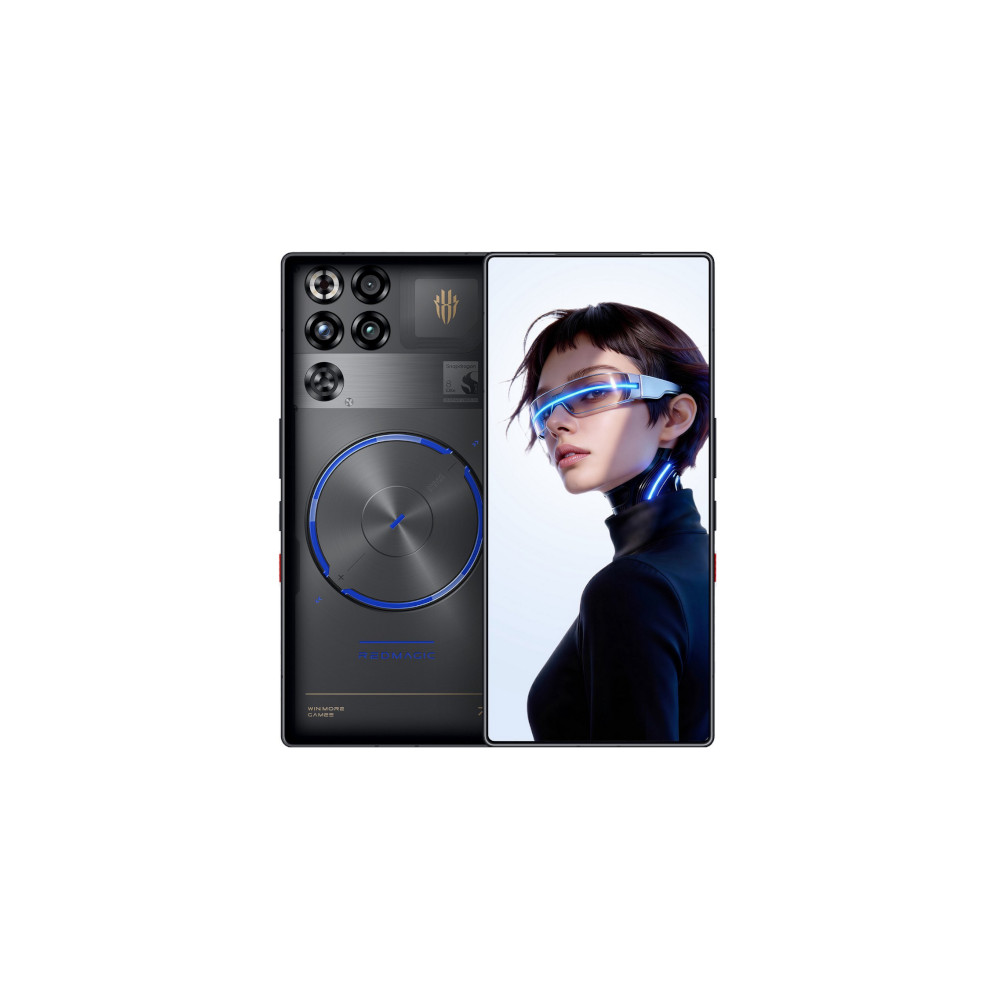
For mobile gamers: REGMAGIC 11S Pro

The REDMAGIC 11S Pro has overwhelming performance at a price that’s more than fair. For a starting price of $800, this gaming phone offers an overclocked Snapdragon 8 Elite Gen 5 SoC and a generous 7,500mAh battery. To complete the gamer-centric package, the REDMAGIC 11S Pro comes with a 6.85-inch 144Hz AMOLED, liquid cooling, and 80W wireless charging. Yes, that’s a wireless speed.
Our REDMAGIC 11S Pro managed to sustain 120fps for 20 minutes of real-world gaming. Synthetic stress tests gave the same promising numbers. The phone got toasty, of course, but that’s what you’d expect at the highest graphics settings in the middle of the summer season. If you’re serious about mobile games and live in the US, the REDMAGIC 11S Pro is as good as it gets in 2026.
All these features justify the $100 price hike over last year’s REDMAGIC 11 Pro. Out of all the phones on this list, the REDMAGIC 11S Pro is the most capable of beating a Pixel or Galaxy phone in benchmark performance. And it does so at a price well below $1,000.
We need more choices

The most important takeaway here is that US-based consumers need more smartphone options across the board. We need to see new foldables in the midrange segment and stronger high-end flagships to compete against the likes of Google and Samsung.
As proven by our reviews of the international versions of OPPO, vivo, and HONOR phones, there is so much potential just waiting outside of North American shores. Let’s hope that OnePlus’s exit is not a sign of things to come, but a signal for other Android brands to jump in and take its spot. This would shake up the top-selling smartphone lists in the US, and push Google and Samsung to try harder with their upcoming releases.
Thank you for being part of our community. Read our Comment Policy before posting.