Affiliate links on Android Authority may earn us a commission. Learn more.
What's the best fitness tracker of 2026? I've tested more than I can count, these are my top picks
Though the line between smartwatch and fitness tracker continues to blur, there are still some devices that, first and foremost, deliver a dedicated wellness experience. Whether a band or a watch, these fitness trackers help users focus on building better habits, keeping tabs on their health, and generally staying active. As Android Authority‘s seasoned wearables expert, I’ve tested numerous trackers for years, pushing the limits of sensors, features, batteries, and build quality. Below are the top devices I would recommend to anyone looking for the best fitness tracker available.
Fitbit Charge 6: The best fitness tracker overall (band-style)


- Useful physical button
- Updated heart rate sensor
- All sport modes now on device
- Google app integration
- Built-in GPS unreliable
- Iterative changes compared to last year
- Heart rate broadcasting limited
- No altimeter
The best band-style fitness tracker comes from one of the oldest players in the game, Fitbit. Though now acquired by Google, the platform still offers fantastic wellness tracking and a user-friendly companion app. The Fitbit Charge 6 offers key upgrades to the fan-favorite Charge line. Most importantly, I have found the lightweight tracker extremely comfortable for workouts and sleep, and I love the colorful AMOLED display for reading stats. The latest model reintroduced a physical button to streamline device interaction, which makes navigation much easier during exercise and on the go.
Internally, the Charge 6 provides all the basics, including step and activity tracking, sleep tracking, ECG support, skin temperature tracking, SpO2 monitoring, and the option to take EDA scans. It also supports Fitbit’s Readiness and Stress Management scores. The sixth generation tracker boasts improved heart rate tracking for more accurate stats than ever, thanks to improved machine learning algorithms, and I was generally very impressed with the sensor’s performance during my review period. However, the tracker suffers from some major drawbacks regarding GPS performance.
If pin-point route tracking isn’t a high priority, the Fitbit Charge 6 is a great pick for basic activity tracking. In light of the last few year’s worth of changes to the Fitbit stable, it is also one of few Fitbit-branded devices left. It doesn’t pack all the same smart features shoppers used to find on the brand’s smartwatches, but it does offer useful integration with Google Wallet, Google Maps, and YouTube Music. It also works seamlessly with both Android phones and iPhones, making it approachable for all shoppers.
With a comfortable form factor, accurate heart rate tracking, and the powerful Fitbit platform, the Charge 6 is my top tracker recommendation.
If you are interested in a full-out smartwatch experience with similar fitness tracking capabilities, the Google Pixel Watch 4, below, is a great device and a very capable fitness tracker, albeit at a much higher price point. It features a more reliable built-in GPS than the Charge 6, but notably, the watch is only compatible with Android phones. The budget-friendly Fitbit Inspire 3 ($99.95 at Amazon) also offers a reliable experience at a lower price point, but doesn’t include built-in GPS.

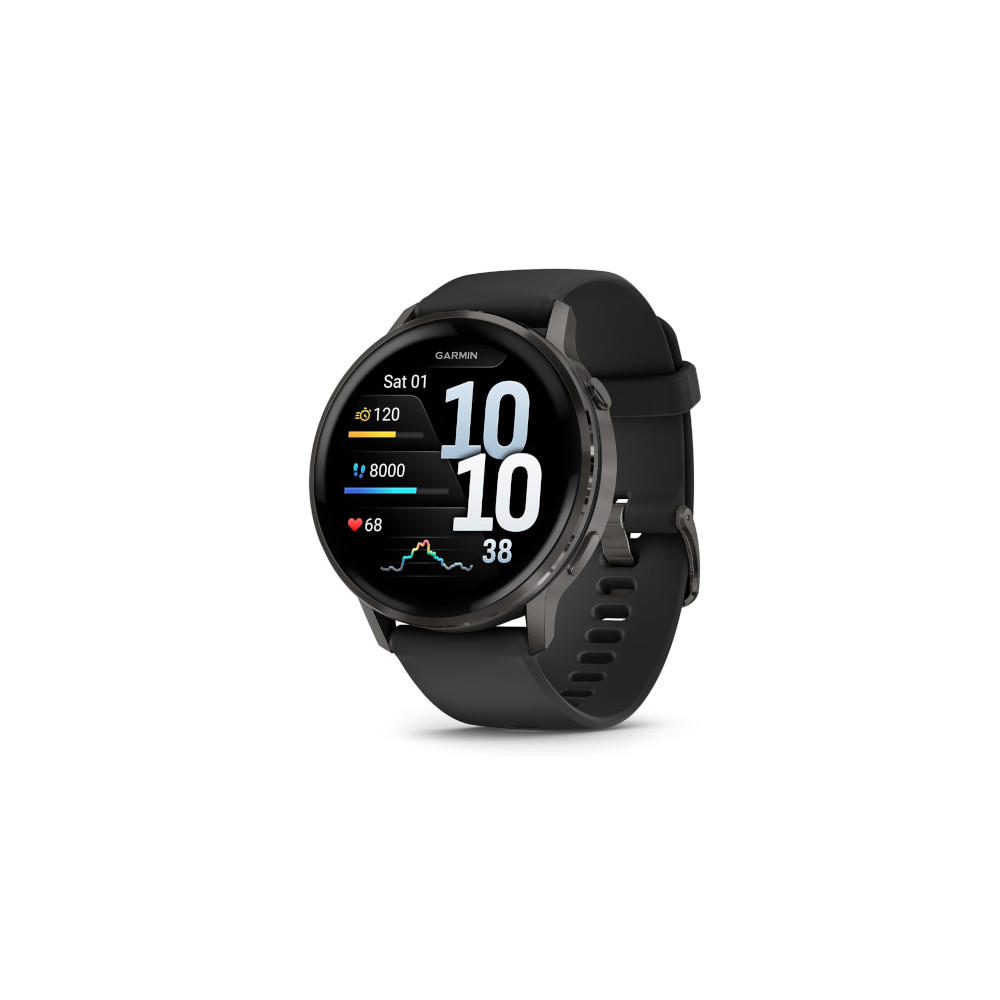
Garmin Venu 4: The best smartwatch for fitness tracking
- Refined design with brighter display
- Improved OS is cleaner, faster, and adds accessibility upgrades
- Advanced fitness and training tools
- Excellent health tracking suite
- Reliable heart rate and GPS accuracy
- Solid battery life
- Still lacks onboard maps and LTE option
- Smartwatch experience trails Wear OS, watchOS
- Pricy if you don't need serious fitness and health tracking
The Garmin Venu 4 is the brand’s most polished smartwatch to date and one of the most well-rounded fitness wearables you can buy. In daily use, it feels refined, reliable, and thoughtfully designed, blending Garmin’s deep health and fitness expertise with a sleeker, more mainstream smartwatch experience and a fashion-forward build. After testing numerous Garmin devices, the Venu 4 stands out as as the device that closes the gap between Garmin’s hardcore training/GPS watches and everyday lifestyle wearables.
A full metal chassis and bright AMOLED display give the Venu 4 a noticeably premium look and feel. This generation’s updated UI further refines the experience with an interface that closely mirrors Garmin’s higher-end models. In other words, I found navigation on the Venu 4 much faster and more intuitive. Under the hood, dual-band GNSS and the brand’s Elevate V5 heart-rate sensor delivered impressively accurate results in my testing, setting a strong foundation for Garmin’s best-in-class wellness tools.
The Venu 4 bridges the gap between Garmin’s hardcore training watches and everyday smartwatches.
Garmin’s training tools remain the Venu 4’s biggest strength. Features like Body Battery, Recovery Time, Health Status, and the new Sleep Alignment metric provide genuinely useful daily insight rather than surface-level stats. Garmin also expanded sport profiles and improved strength-training tracking, while retaining smartwatch essentials like mobile payments, on-wrist calls, safety features, and a built-in LED flashlight. Add battery life that regularly stretches beyond a week, and the Venu 4 nails a rare balance of premium design, smart features, and serious fitness tracking.

Google Pixel Watch 4: The best Fitbit smartwatch
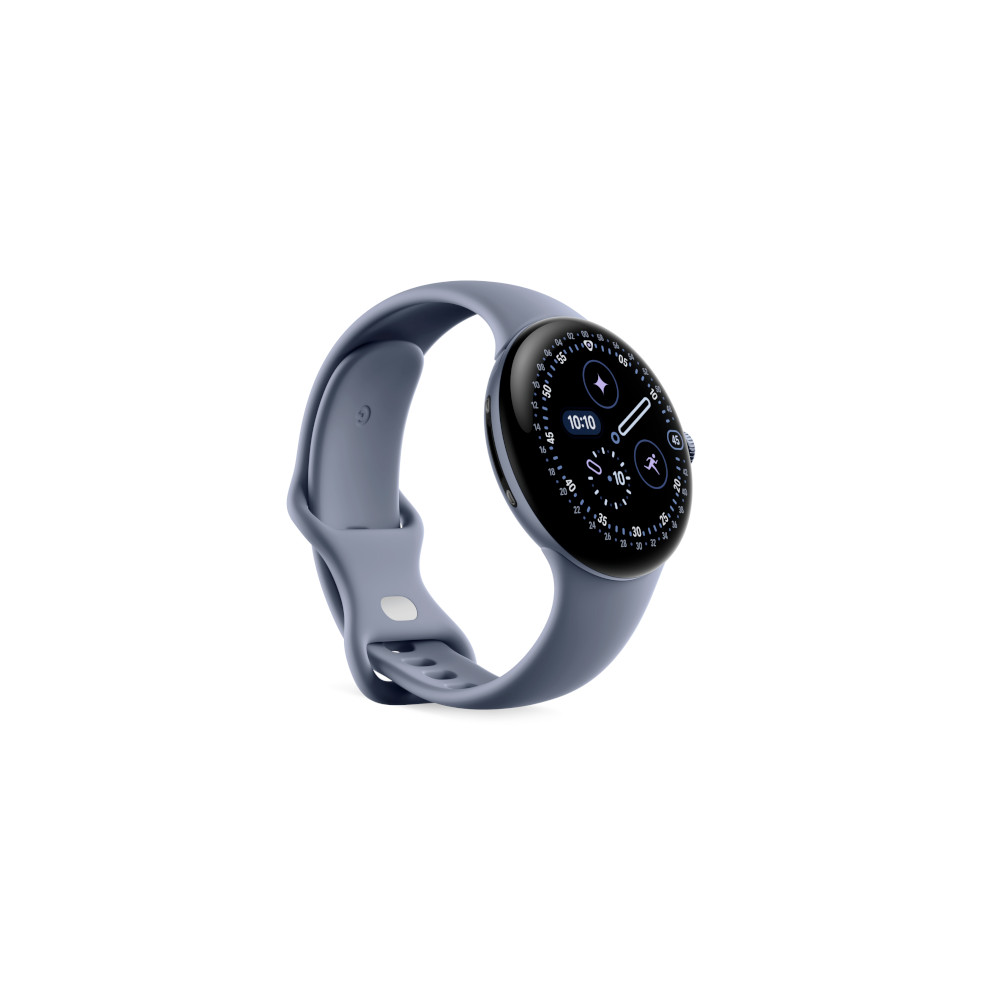
- Beautiful, refined design with Actua 360 display and thinner bezels
- Finally repairable with replaceable parts
- Battery life and charging improvements
- Refined Gemini integration
- Top-tier heart-rate accuracy
- Satellite SOS brings added safety
- Not sapphire crystal display glass
- GPS accuracy could be improved
- Fitbit Premium paywalls limit full feature access
- Charger not backwards compatible
For Android users looking for a smarter, more robust device than the Charge 6, the Pixel Watch 4 is the most complete Wear OS smartwatch yet. It packs all the best of Google’s toolkit into a unique, minimalist design, available in two sizes for a better fit on more wrists. Specifically for fitness tracking, deep integration with Fitbit remains the watch’s biggest strength, but its heart-rate accuracy is what truly blew me away during my review period.
This year, expanded workout modes, including pool swimming, make the Pixel Watch 4 more versatile than past generations, while a Gemini-powered workout coach offers personalized guidance. The device boasts highly reliable GPS tracking for recording workouts outdoors and as mentioned, incredibly accurate heart rate monitoring. For recovery stats, Fitbit’s sleep tracking is also still among the most reliable platforms available.
For Android users, the Pixel Watch 4 is the most compelling Wear OS smartwatch Google has made yet.
With cleaner UI polish, tighter Google integration, and practical upgrades like a redesigned charger that makes daily top-ups quicker and less fussy, the Pixel Watch 4 feels noticeably more refined than earlier models. Safety features like satellite SOS further strengthen its case as a true everyday smartwatch, not just a fitness companion. I also can’t emphasize how comfortable I find this build. For Android users looking for a smarter, more robust device than the Charge 6, the Pixel Watch 4 is the most complete Wear OS smartwatch yet.
Apple Watch Series 11: The best fitness tracker for iPhone users
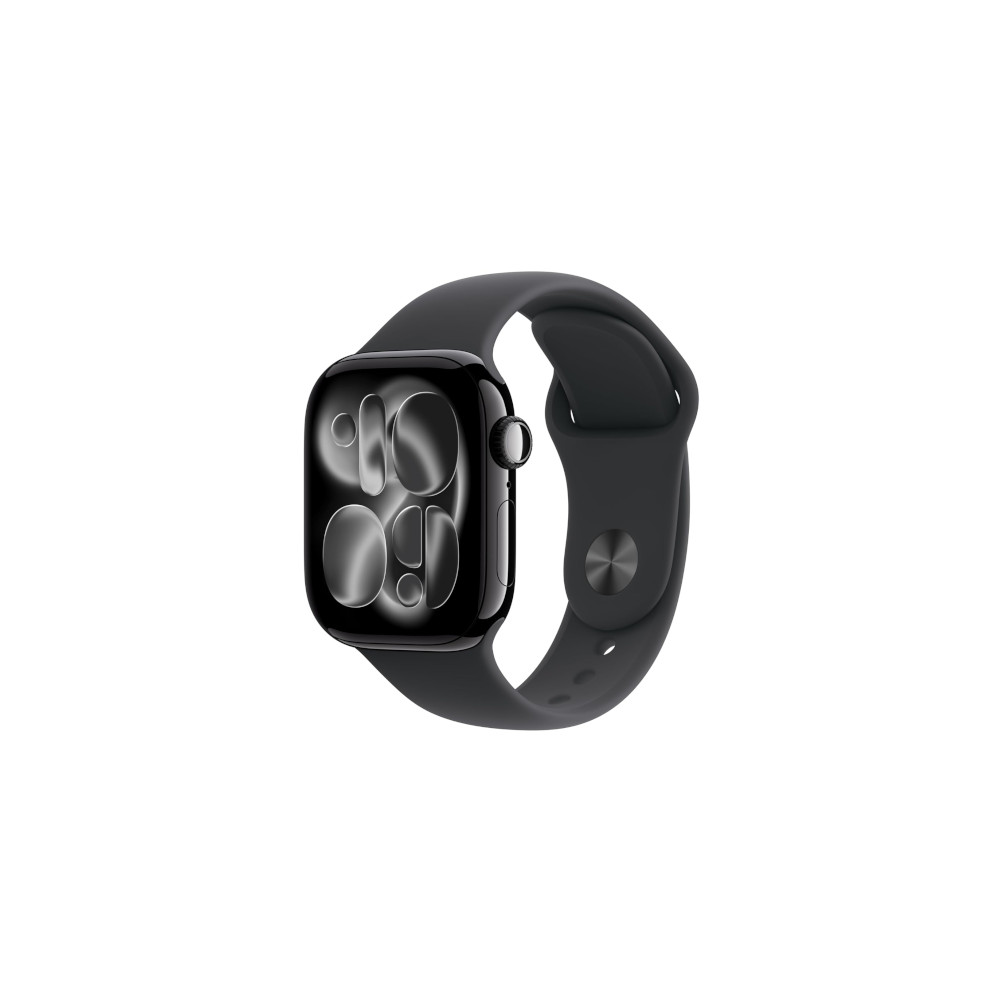
- Finally features a 24-hour battery life claim
- Improvements to fast charging
- Tougher glass on aluminum models, sapphire on titanium
- watchOS 26 delivers UI refinements and Wrist Flick gesture
- Smarter workout layouts and media integration
- Hypertension notifications and Sleep Score
- Design is nearly unchanged
- Workout Buddy AI coach is polarizing (and doesn’t pause audio)
- Battery is better but not multi-day except in Low Power Mode
- Sleep Score may be simplistic for some
For iPhone users, the Apple Watch Series 11 is easily the best fitness-focused smartwatch you can buy. Short of the far pricier Apple Watch Ultra 3, it delivers the strongest combination of health tracking, performance, and everyday usability in Apple’s lineup. During my testing, it stood out for its seamless iPhone integration and consistently accurate sensors, covering everything from heart rate and sleep to VO₂ max, blood oxygen, temperature tracking, and more.
On the fitness side, the Series 11 adds several meaningful upgrades. A revamped Workout app offers richer, more customizable metrics, making it easier to tailor data screens to specific training goals, while Workout Buddy introduces real-time motivation. Battery life has also improved, delivering a ful 24-hour claim for the first time in the lineup’s history. Outdoor athletes clocking long GPS workouts will notice the extra juice while also beneffiting form Apple’s excellent GPS performance.
For iPhone users, the Apple Watch Series 11 remains the gold standard for a fitness tracking smartwatch.
Beyond workouts, the Series 11 remains one of the most capable smartwatches available. It supports nearly every everyday feature you’d expect, including on-wrist calls, voice assistance, offline music playback, and deep app support, all wrapped in a polished and familiar Apple experience. The result is a watch that excels equally as a fitness tracker and a daily companion, making it an easy recommendation for anyone fully invested in the Apple ecosystem.

Samsung Galaxy Watch 8: The best fitness tracker for Samsung users

- Exceptional comfort
- Gorgeous AMOLED display
- Improved strap system
- Advanced health and sleep tracking
- Old bands won't work
- Battery life isn't as promised
- Slow charging
- No rotating bezel or crown
Likewise, there’s a strong case for Samsung users to stay within the brand’s own wearable ecosystem. The Galaxy Watch 8 delivers smooth, reliable performance on the latest version of Wear OS, paired with Samsung Health, which remains one of the more established and cohesive fitness platforms available on Android. In testing, the watch felt responsive and dependable day to day, offering a well-balanced mix of fitness tracking and smartwatch features that fits naturally into Samsung’s broader ecosystem.
For health and fitness tracking, the Galaxy Watch 8 handled heart-rate monitoring, automatic workout detection, and sleep tracking with consistent accuracy. Updated temperature tracking and recovery insights add useful day-to-day context, helping turn raw data into something more actionable. Battery life isn’t groundbreaking, but it’s stable, comfortably lasting a full day with workouts and overnight sleep tracking, especially with Samsung’s newer adaptive battery optimizations working in the background.
The Samsung Galaxy Watch 8 is the best option for anyone already toting a Samsung Galaxy phone.
Paired with a Galaxy phone though, the Watch 8 becomes the most enticing. Setup is seamless, health data syncing is richer, and Samsung-exclusive features add convenience you won’t get on other Android devices. Beyond fitness, the watch offers a full suite of smart features, including calls, messaging, and app support. Altogether, it’s a confident, well-rounded choice for Samsung loyalists who want a familiar experience. If you’re after a look beyond the gym, the Galaxy Watch 8 Classic ($499.99 at Samsung) adds upscale appeal with the brand’s popular rotating bezel.

Xiaomi Smart Band 10: The best budget-friendly fitness tracker

- Incredible value for the price
- Larger, more vibrant display
- Loaded feature set
- Fantastic 21-day battery life
- Still missing NFC support globally
- Heart rate accuracy can vary by fit
- No built-in GPS
At under $50, the Xiaomi Smart Band 10 is my top pick for anyone on a budget. The band-style tracker delivers impressive performance and features for a fraction of the price of others on this list, without comprising on design either. It’s lightweight and comfortable, and this generation’s larger 1.72-inch AMOLED display is a clear upgrade. The screen is brighter, sharper, and far easier to read outdoors than previous models, making everyday interactions and workout checks much more pleasant.
Despite its low price, the Smart Band 10 punches well above its weight for fitness tracking. It supports more than 150 workout modes and includes advanced metrics like VO₂ max, training load, and recovery time, tools that are rarely this accessible at this price point. Xiaomi also adds swim tracking and heart-rate broadcasting, which opens the door for pairing with other fitness devices and covers more niche use cases than most budget bands attempt.
For under $50, the Xiaomi Smart Band 10 delivers more than you’d expect.
Smart features remain simple but effective, including reliable notifications, music controls, and essentials like alarms and timers. Battery life, however, is the real standout. In my testing, I easily exceeded a week of use with the always-on display enabled, and with AOD turned off, the band stretched closer to 21 days between charges. For anyone looking for an affordable, no-fuss fitness companion that prioritizes tracking and endurance, the Smart Band 10 is one of the strongest options available.

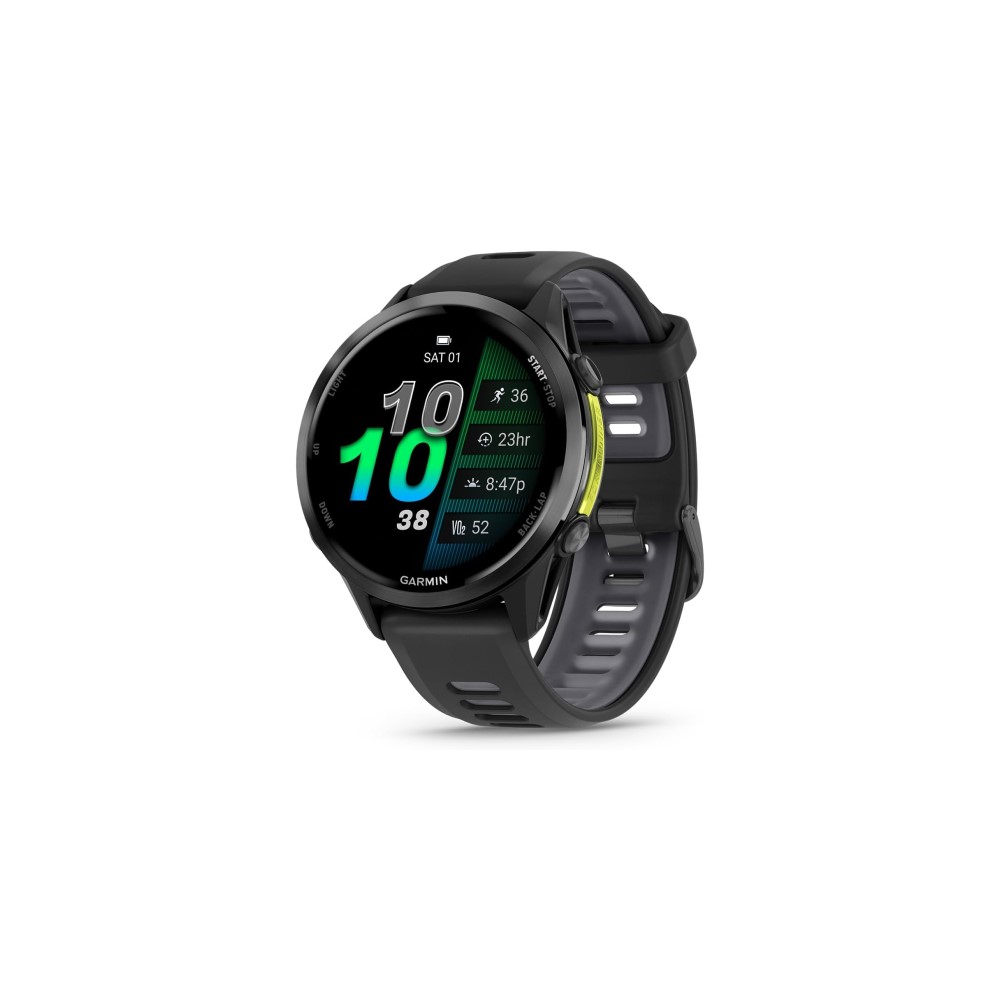
Garmin Forerunner 970: The best fitness tracker for dedicated runners
- Brilliant AMOLED face
- Punchy speaker
- Durable titanium bezel
- Spot-on Elevate Gen 5 heart rate sensor
- Adaptive training plans
- Tons of tracking metrics
- Slightly worse battery life
- Still a proprietary charger
- Increasingly expensive
The Forerunner 970 is a serious running watch and one of the most complete GPS smartwatches you can buy. Its bright 1.4-inch AMOLED display, sapphire crystal lens, and titanium bezel give it a genuinely premium feel, yet it remains light enough to wear comfortably all day. Under the hood, it delivers the fundamentals runners care about most, including dual-band multi-GNSS for excellent GPS accuracy and a deep set of advanced training tools.
Accurate heart-rate data is another critical piece for runners, shaping everything from training zones and workout intensity to recovery and long-term performance tracking. The Forerunner 970’s Elevate Gen 5 heart-rate sensor proved reliable even during demanding sessions, from steady-state efforts to higher-intensity intervals where optical tracking often struggles. In my testing, heart-rate data stayed consistent with chest-strap benchmarks, and that accuracy feeds into Garmin’s robust suite of running-specific metrics that go well beyond pace and distance.
The Forerunner 970 is an elite runner’s watch, pairing top-tier heart-rate and GPS accuracy with advanced training tools.
The Forerunner 970 also delivers full-color mapping with strong route support, making it easy to explore new areas with confidence, while thoughtful extras like a built-in LED flashlight, microphone, and speaker for calls or voice commands round out the experience. Altogether, it strikes an impressive balance between elite-level training tools and everyday smartwatch conveniences, and its premium price is backed up by equally robust capabilities.

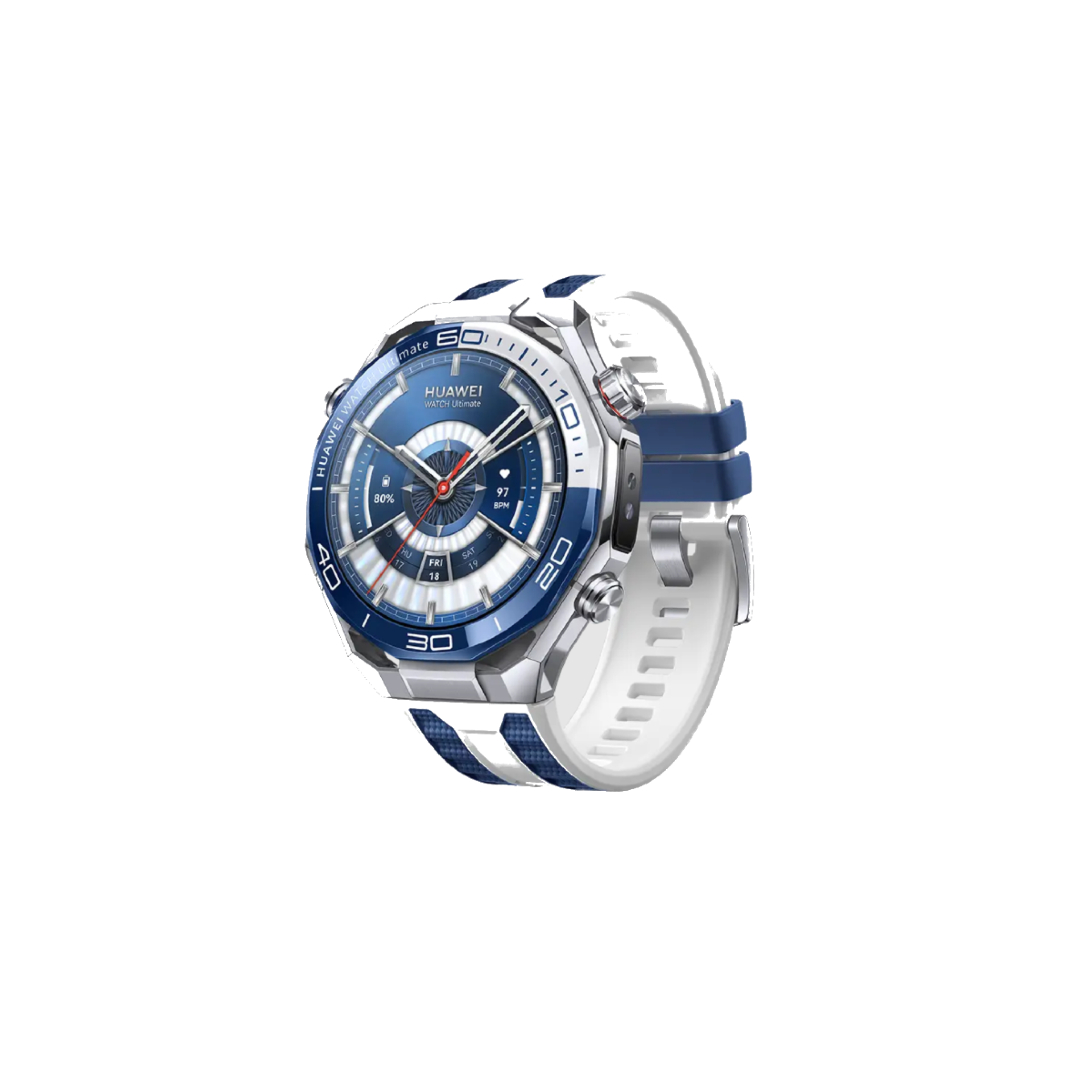
HUAWEI Watch Ultimate 2: The best luxury fitness tracker
- Attractive, premium build with bright 1.5-inch display
- Unique X-Tap sensor for accessing health metrics
- Reliable dual-band GPS plus offline maps
- Advanced diving tools rated to 150m
- Solid battery life
- Independent eSIM calling
- May be too big for some
- NFC payments and other smart features vary by region
- Limited app support and ecosystem integration
The HUAWEI Watch Ultimate 2 is a luxury adventure watch that genuinely feels like a high-end dive piece. Its zirconium-based case, ceramic bezel, and sapphire glass look and wear beautifully, and the large 1.5-inch AMOLED display is incredibly bright and easy to read outdoors. On the wrist, it feels premium and purpose-built. Add in smooth software, excellent battery life, and a refined overall build, and it’s one of the most impressive (and attractive) devices I’ve tested.
In addition to robust fitness-tracking features, the device includes dual-band GNSS and offline maps. In my testing, the features delivered reliable navigation even in tougher terrain, reinforcing that this watch is designed for real adventuring. The most distinctive additions come in the form of a dedicated diving toolkit, including 150m water resistance and sonar-based underwater communication, something I haven’t seen on any other smartwatch.
The Watch Ultimate 2 feels every bit like a luxury dive watch, but with health and fitness tools that justify the smartwatch label.
Meanwhile, for health tracking, a quick finger press triggers instant readings for heart rate, SpO₂, ECG, and HRV, delivering a full health snapshot in seconds. The feature is powered by HUAWEI’s x-Tap sensor, which combines fingertip and wrist data for faster, more stable measurements, and it’s a genuinely clever approach. In short, this watch isn’t just rugged and luxurious, but also one of the more thoughtful wellness tools I’ve used.
Honorable mentions
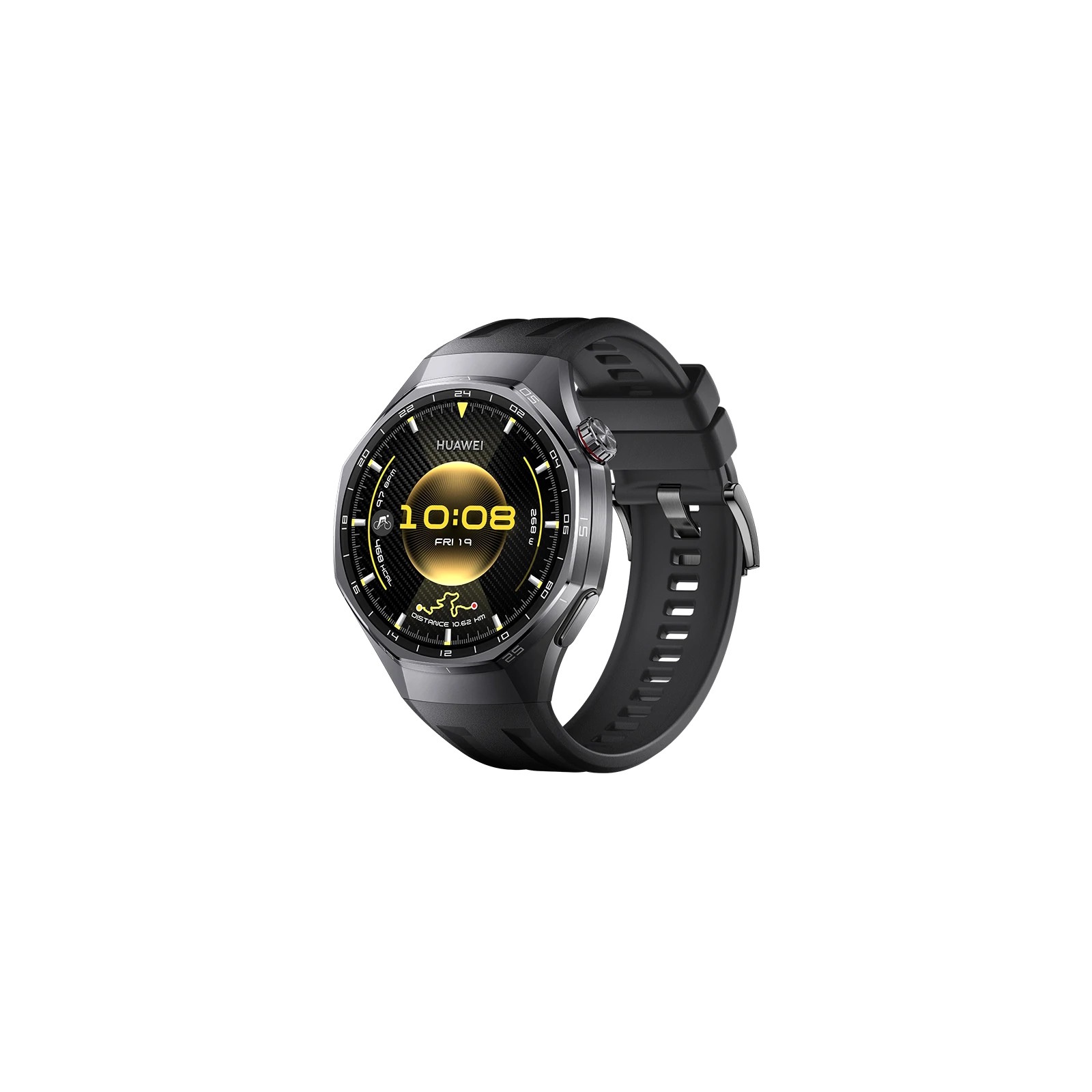
A fitness-first wearable wrapped in a luxury design, the HUAWEI GT 6 Pro’s 46mm octagonal bezel and sapphire-glass AMOLED display look premium, and I was surprised by how comfortable it felt during workouts. The 3,000-nit screen also stays bright outdoors, and battery life is a major highlight as HUAWEI’s claim of up to 21 days is genuinely achievable. Most importantly, fitness and health tracking are strong thanks to updated sensors and GPS worked well for my runs and rides.

The HUAWEI Watch Fit 4 Pro is a lightweight, fitness-focused smartwatch that borrows heavily from the Apple Watch playbook, pairing a slim, square design with a bright AMOLED display. In my testing, it delivered reliable heart-rate and GPS tracking, a wide range of workout modes, and excellent multi-day battery life that makes daily charging feel unnecessary. While it doesn’t offer the depth of a full Wear OS experience, it nails the fundamentals and feels clean and comfortable on the wrist.
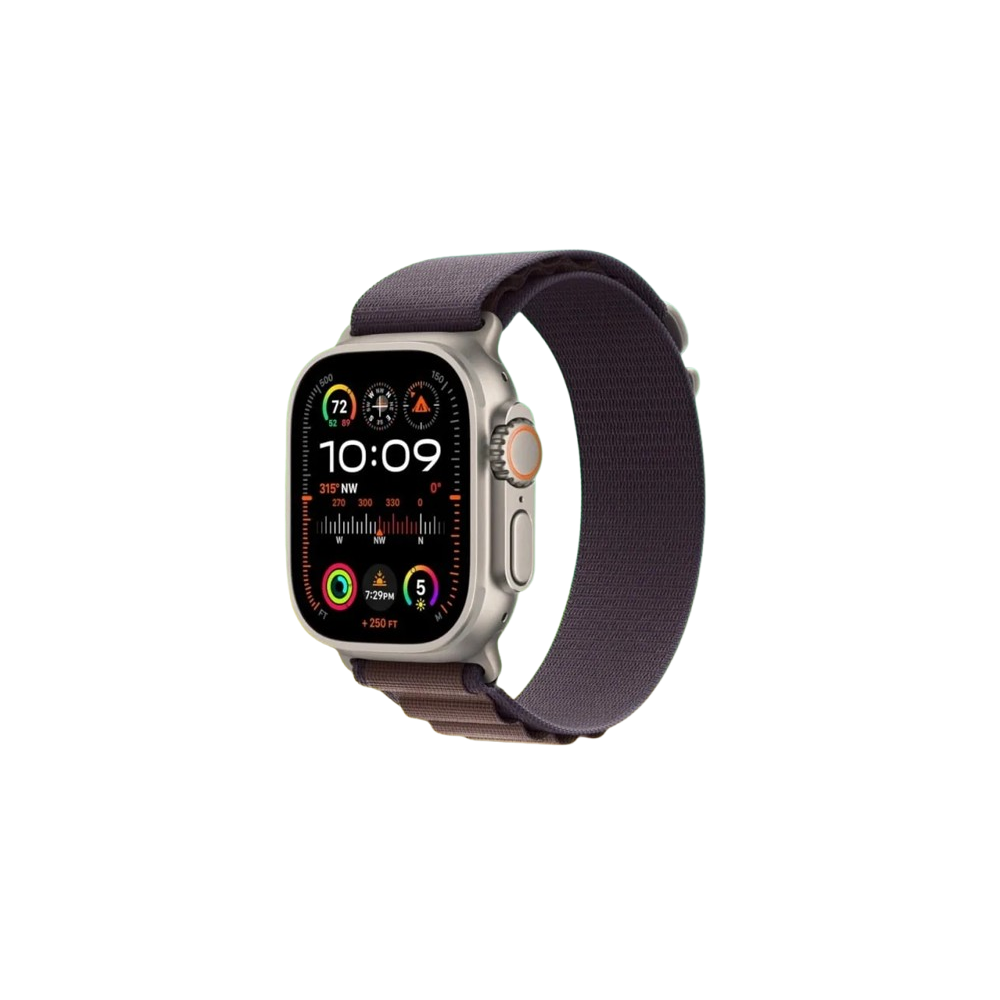
Apple’s most rugged and capable smartwatch yet, the Apple Watch Ultra 3 combines deep iPhone integration with enhanced tools for athletes and adventurers. It improves on its predecessor with a bigger, brighter display, longer battery life (up to about 42 hours in typical use), and built-in satellite communications for SOS and messaging off the grid. In testing, GPS and heart-rate tracking remain excellent while new health features like hypertension notifications and a personalized sleep score add meaningful insights.
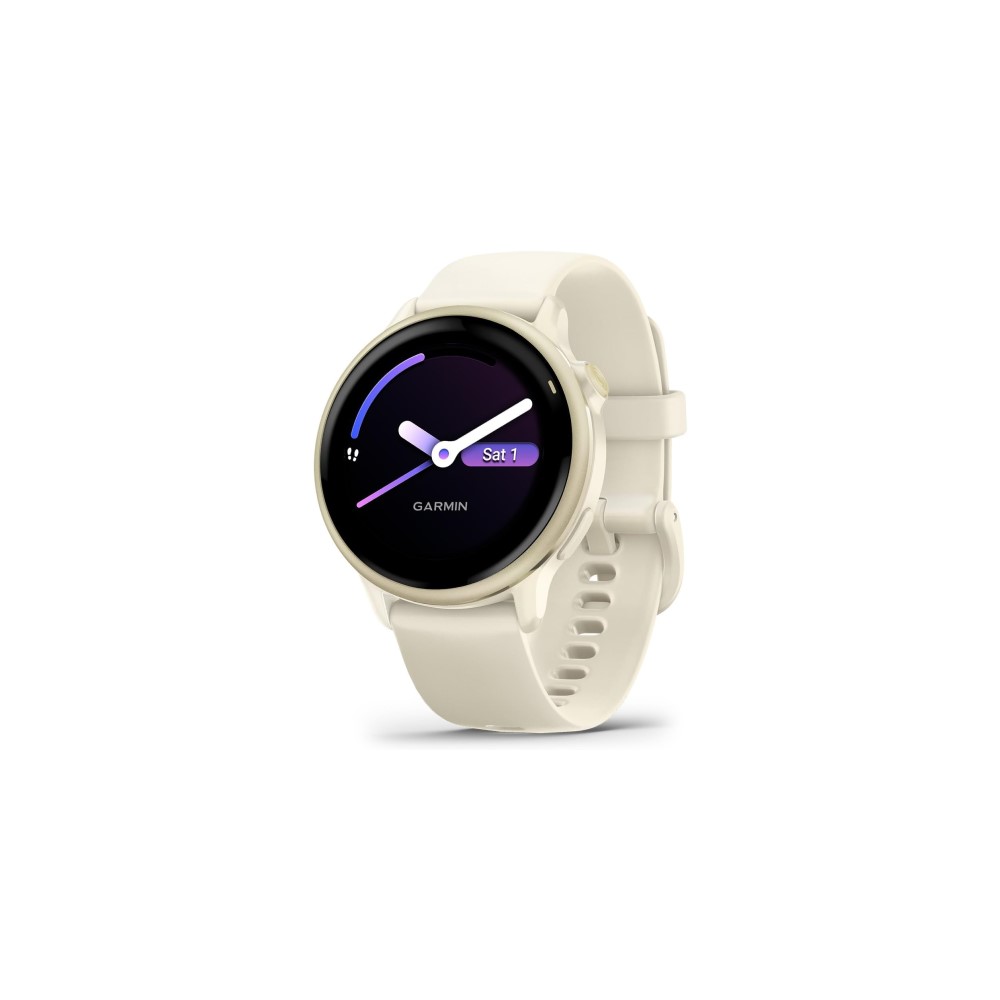
Making this list for a third time, Garmin also offers the Vivoactive 6, a well-rounded fitness smartwatch that balances everyday comfort with reliable training tools. During my review period, GPS and heart-rate tracking were consistently accurate, backed by useful metrics like Body Battery, stress tracking, and recovery insights. The bright display, lightweight design, and battery life that stretches close to a week make it easy to wear day to day.

Finally, the Garmin Fenix 8 is the brand’s true multisport powerhouse. It delivers professional-grade performance across nearly every outdoor and athletic metric you can think of plus every training tool Garmin has to offer. The device packs incredibly accurate multi-band GPS, detailed mapping tools, and advanced features for contextualizing workouts and recovery. Add in an an AMOLED display, excellent durability, and considerable battery life, and for outdoor enthusiasts, the Fenix 8 is hard to beat.
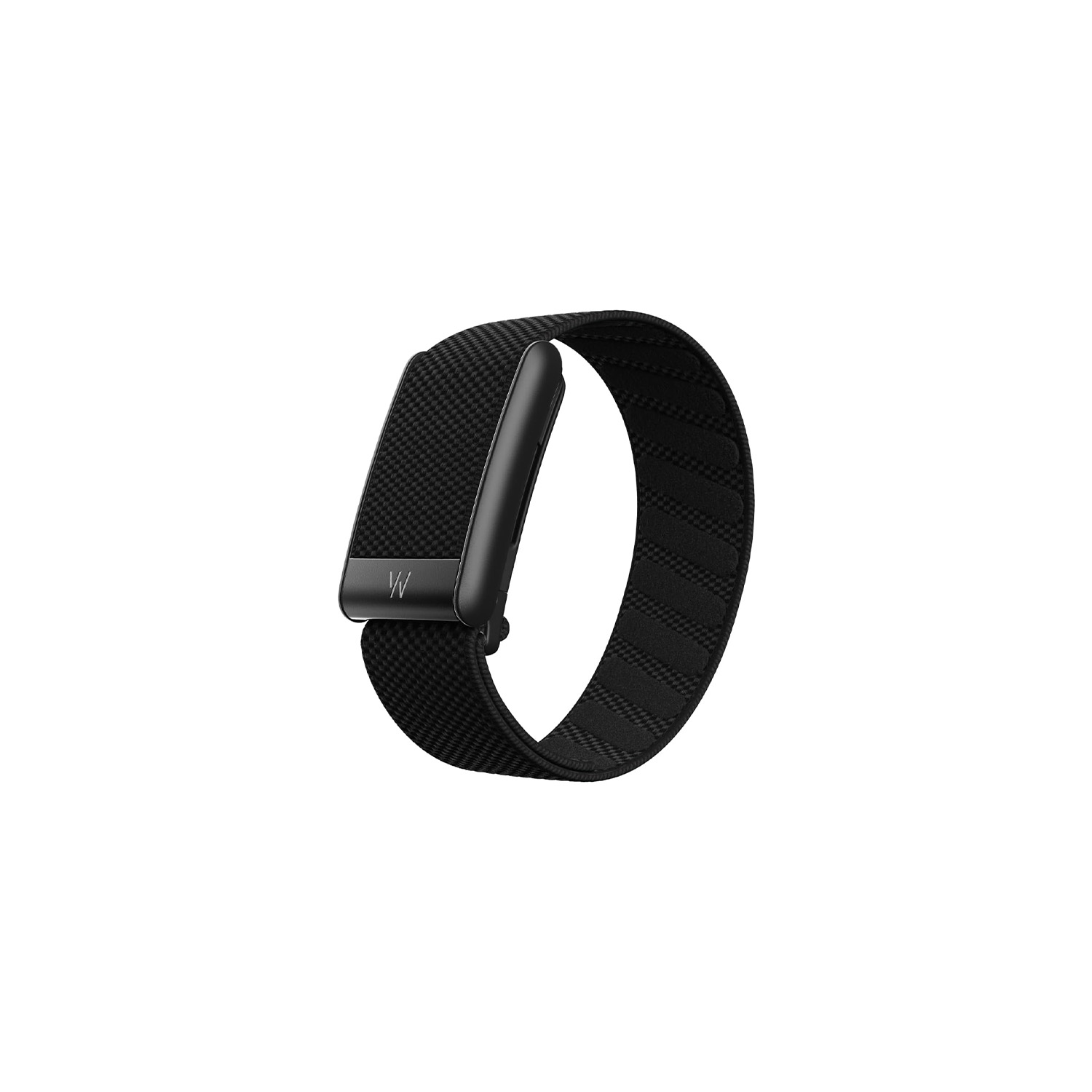
The WHOOP 5.0 is one of the most popular screenless fitness trackers. Its platform focuses entirely on recovery, strain, and long-term performance rather than on-wrist features, with continuous heart-rate tracking. Beyond tracking basic activity and health metrics, the device is designed to guide training load, rest, habits, and overall wellness. It’s a niche device, but for athletes who want deeper insight into how their body is responding to training without the distraction of a bright display, WHOOP’s approach stands apart.
What to look for in a good fitness tracker

If you’re shopping for a fitness tracker right now, the problem isn’t a lack of options, it’s the opposite. The market is more crowded than ever, with everything from simple activity trackers to recovery-focused bands and smartwatch hybrids all competing for space on your wrist. Comfort and form factor matter just as much as features (if not more), since the best tracker is the one you’ll actually wear all day. Of course, you’ll also need to choose a device that’s compatible with your phone and go-to workout apps.
The best fitness tracker is the one you’ll actually wear every day.
Before getting lost in spec sheets, it helps to decide what actually matters to you. Priorities can range from everyday health tracking, to structured workouts, long battery life to deeper performance insights. The sections below break down the key factors I think are worth weighing before choosing any of the fitness trackers in this guide, or elsewhere on the market.
- Form factor: Fit on wrist is huge when it comes to an all-day wearable. A good fitness tracker should be light, unobtrusive, and comfortable enough to wear all day and night, especially if you care about sleep and recovery data.
- Phone compatibility: Make sure the tracker works seamlessly with your smartphone and its operating system, including reliable syncing and app support. Some more robust devices only pair with specific ecosystems, while others are more versatile.
- Advanced fitness tracking: At the heart of a fitness tracking is activity and workout tracking. Dig into the tools offered and find out how deep you want your analysis to go. The right pick tracks the activities you actually do, whether that’s running, strength training, swimming, or something even more niche, and delivers the insights you want for training.
- Health metrics: Consider which health stats matter most to you. While many trackers feature heart rate, sleep, and basic activity tracking, others add more metrics like stress, SpO₂, and HRV, or even on-demand tools like ECG readings.
- Sensor accuracy: On a related note, reliable heart-rate monitoring and GPS (for outdoor athletes) make a big difference in how useful data is over time. Make sure your sensor package aligns with your needs.
- Companion app: A good app should turn raw data into clear, actionable insights rather than overwhelming you with numbers. Check that the tracker you’re considering displays data in a way you will find helpful.
- Battery life: Are you okay with daily charging or do you want a tracker that can last a week or more between charges? Knowing what type of battery life you are after will likely dictate other choices, like screen size or smart features.
- Price/long-term cost: Budget may also play a part in choosing the right tracker for you. Think beyond the upfront price as well and factor in subscriptions, accessories, and how much value you’ll get over time.
Why you should trust me

I’ve been professionally testing and reviewing wearables for years, dating back to before Samsung teamed up with Google for the Wear OS we know and love and before Apple launched its first-generation, massive Ultra. I’ve reviewed dozens of smartwatches, fitness trackers, dedicated heart rate monitors, smart rings, sleep trackers, exercise equipment, and health and fitness apps and platforms. In other words, I’ve sweated my way through a ton of products to learn what makes them valuable and what features matter most.
At the start of every review, my focus is twofold: user experience and value. First, I approach each product as a typical user, noting everything from comfort and design to performance and features. I fire off texts, download apps, and tap into everything from timers to gesture controls. To dig even deeper, I bring expertise and comparable metrics to the conversation, using tools like heart rate monitors, pedometers, pulse oximeters, trusted sleep trackers, and GPS devices. I create varied workout plans to test fitness tracking accuracy and closely monitor my stress and sleep to review recovery metrics. Above all, I wear the device consistently to garner a thorough understanding of what it offers and what it’s like to own. I also simultaneously use competitors’ products to compare differences and collect comparative data.
I've been professionally testing and reviewing wearables for years and have sweated through workouts wearing every device that comes across my desk.
When all that is done, I sit down with the wearable and all the details I’ve collected to evaluate its value. This means establishing its place in the larger market and determining whether its price is fair for what it offers. If a product boasts a large feature set but doesn’t deliver accuracy, it may not be worth its price. Conversely, if a wearable successfully executes more tools than competitors of equal price, I rate it higher.
What do you prioritize most when considering a new fitness tracker?
Typically, my review period lasts at least a week, giving me time to explore the product fully. For some launches, this process can extend to weeks or months. I also revisit the devices I test regularly to check in on software updates and feature drops and to make sure my original findings stand the test of time.
Thank you for being part of our community. Read our Comment Policy before posting.