Affiliate links on Android Authority may earn us a commission. Learn more.
The Pixel 11 series proves that the Pixel 12 will be a breaking point for Google smartphones
Aug 18, 2026 — 6:00 AM ET



The Google Pixel 11 series is exactly what we’ve come to expect from a modern Google launch. Rather than spending its keynote talking about cameras, displays, or silicon, Google devoted much of its time to Gemini Intelligence and a growing suite of AI-powered features that promise to make everyday smartphone use easier.
And, to be fair, many of those features genuinely sound useful. Google’s AI remains among the most polished in the industry, whether it’s summarising conversations, managing your calendar, improving voice dictation, or enhancing your photos. Unlike plenty of AI gimmicks, Google’s software often solves real problems.
But there’s one issue I can’t ignore: smartphones are still hardware products. And the sooner Google remembers that, the better.
What should Google prioritize with the Pixel 12?
AI can’t hide Pixel’s foibles forever

For me, and undoubtedly many others, smartphones remain hardware purchases first and software purchases a close but clear second. For the most part, the same apps and features I rely on are available virtually regardless of which Android phone I buy. We spend anywhere from $800 to $1,500 on flagship phones because we expect class-leading cameras, brighter displays, faster charging, longer battery life, and top-tier performance. If hardware no longer mattered, we’d all buy mid-range phones and rely on software updates to bridge the gap.
Software absolutely adds value, and Google deserves credit for investing heavily in AI, which, in fairness, required modern hardware to run quickly and efficiently. But software is also an ongoing service that Google increasingly monetizes through subscriptions like Google AI Pro. Hardware is the part customers pay for upfront, and it’s where flagship phones should continue pushing boundaries.
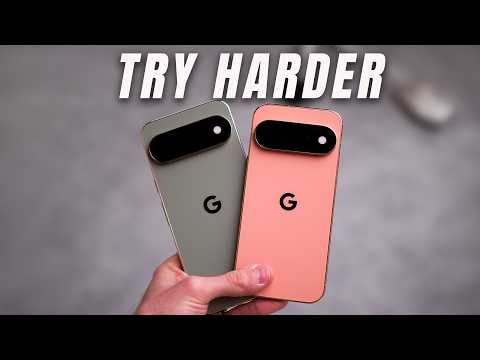
The Pixel 11 has an excellent OLED display, premium build quality with a robust IP rating, and ever-reliable cameras. But those have been Google’s bread and butter for years. Meanwhile, competitors continue pushing ahead with larger silicon-carbon batteries, dramatically faster charging, bigger camera sensors, more versatile zoom systems, and processors that comfortably outperform Tensor in both sustained workloads and gaming. Worst of all, these are hardly new complaints — we’ve been making the same comparisons for years, and they do make a meaningful difference to how it feels to use a phone every day.
Casting a highly critical eye on the Pixel 11, there are several glaring deficiencies compared with similarly priced 2026 flagships available from more global brands. Google’s Tensor G6 silicon, for example, is a pale mid-range performer compared with the latest Qualcomm Snapdragon or Apple’s A-series silicon, and we’re due another leap forward from these two before the year is out. In the photography sphere, the best players have pushed ahead with highly flexible 200-megapixel periscope cameras and telephoto extender accessories, while the Pixel 11 remains married to a formula that’s not all that different from that of the Pixel 6 Pro. Comparing the Pixel’s historically flaky battery life against flagships with cutting-edge 7,000mAh capacities that can push into a third day of use just adds insult to injury.

Even in foldables, rivals like the Z Fold 8 are forging ahead with bigger batteries, more competitive camera arrays, faster charging, and far fewer of the compromises we’ve come to associate with the form factor. The Pixel 11 Pro Fold actually has a smaller 4,750mAh battery than last year’s model! At least it charges slightly faster via Pixelsnap. As a result, whenever we pit the Pixel series against rivals for day-to-day metrics, it regularly comes in last.
Google’s answer this year is largely more AI acceleration and accompanying features. That’s valuable and a core part of the Pixel’s identity. I’m not an AI naysayer and think many of the features Google has developed are impressive and useful, especially for those deeper into the ecosystem. However, that isn’t the same as fundamentally improving the phone itself.
When we pit the Pixel series against rivals for battery, charging, and performance, it often comes in last.
This isn’t helped by the fact that many of Google’s new software features feel like they could and should run on older hardware, and many may end up being backported in Pixel Drops over the coming year. Plus, Google still relies heavily on cloud processing for many of Gemini’s most powerful features, which means they’re often available on most other rival phones as well (or could be, if Google wanted).
That’s what makes the Pixel lineup difficult to justify at increasingly steep flagship prices. When you compare this year’s model with last year’s — or even the one before — it isn’t obvious where the hardware value has increased. More AI features? Absolutely, and this year’s 50% faster TPU is a powerful improvement. Better cameras in difficult lighting? A little bit. But materially better battery technology, charging speeds, performance, or imaging hardware? Much less so. This year’s biggest difference is the HiLight notification system. It’s novel and adds some value to the hardware package, but I doubt it’s going to be much more memorable or long-lived than the Pixel’s now-defunct temperature sensor.
Hardware vs software: It shouldn’t be either/or

In fairness, Apple and Samsung have their own upgrade-cycle problems, but they generally combine software improvements with at least one meaningful hardware leap in their portfolio every generation or two. Samsung’s latest Galaxy S26 Ultra, for instance, (finally) puts a more innovative foot forward with useful hardware features like Privacy Display and speedy 65W charging. Google’s hardware roadmap feels considerably flatter. Perhaps the Pixel 11 Pro’s improved camera components count as this year’s innovation on Google’s end, but given the series has so many other hardware aspects that could really use an update, that feels like the bare minimum.
Unfortunately, this feels like a tired complaint these days. Google is adamant that AI and software features are what sell its phones, and it isn’t too bothered about competing on specs and speed tests, so long as Pixel hardware remains good enough to achieve the company’s goals. Fine, and perhaps if Gemini becomes truly indispensable, the broader hardware simply matters less than the AI silicon stuffed into the Tensor chip.
Google leads AI, but the Pixel 12 needs to keep its hardware in the race.
I’m just not convinced we’re there yet, as evidenced by the ongoing stuffing of AI features into virtually every nook and cranny. The current lineup still feels like we’re buying into a potential future, rather than paying a premium to experience it right now. Google doesn’t need to stop investing in AI. Quite the opposite. It’s one of the few companies making AI feel genuinely useful on smartphones, and if it can figure out how to open up Android and Pixels to become a truly third-party developer-friendly AI platform, it could be banking on a very successful future.
But that doesn’t change the fact that hardware is still what people hold in their hands every day. It’s what determines how long the battery lasts, how quickly the phone charges, how well games run, and how good photos look before software gets involved. Flagship phones aren’t just AI assistants; we’re supposed to be paying top dollar for the best hardware money can buy.
The Pixel 11 proves Google is still leading the AI race. The Pixel 12 now needs to prove it can lead in hardware, too.
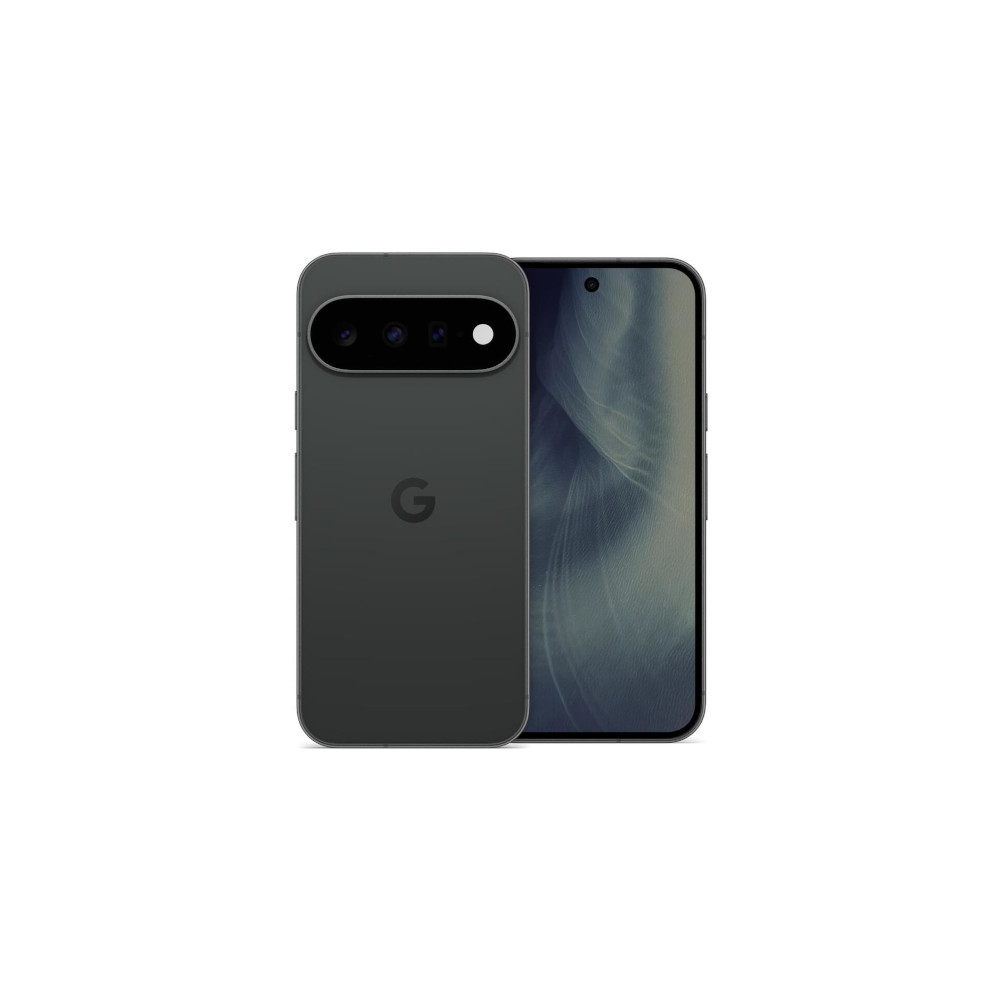
25W Pixelsnap magnetic charging
Larger 48MP main camera sensor
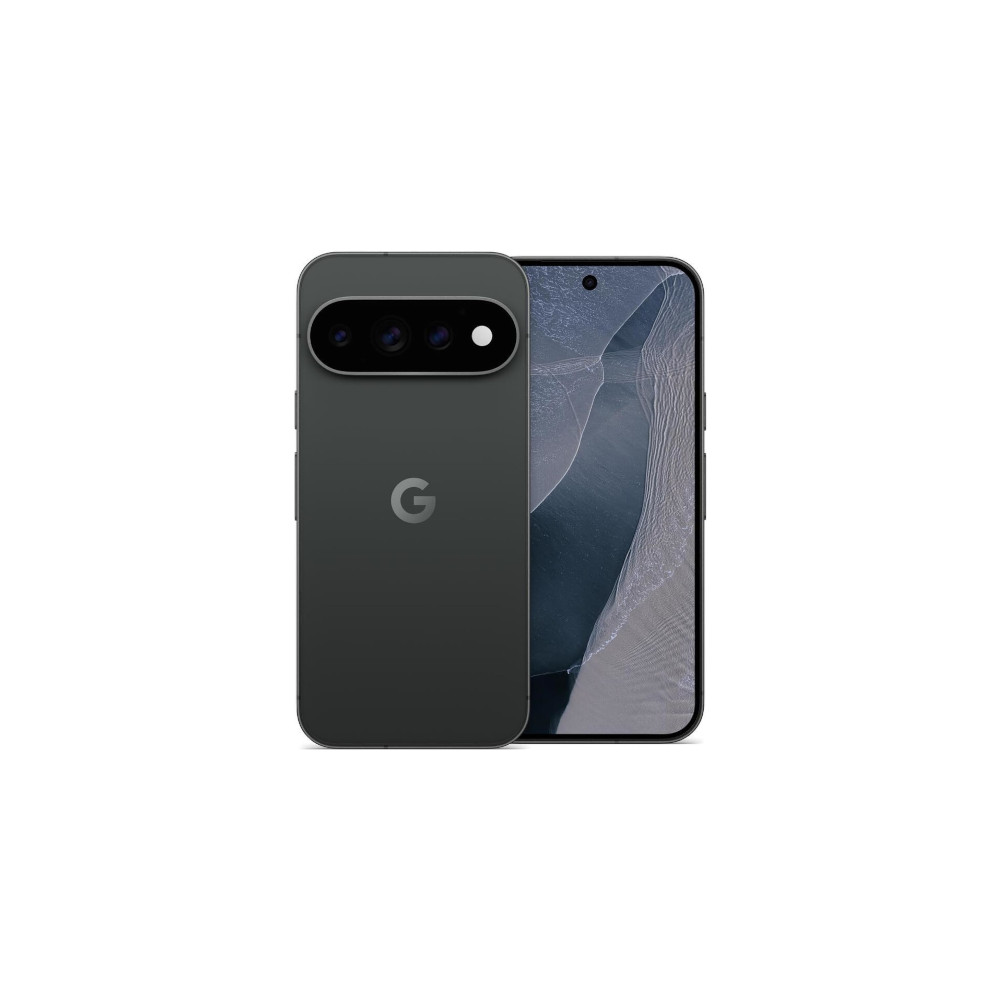
7 years of Android updates
Built-in magnets with Qi 2.2
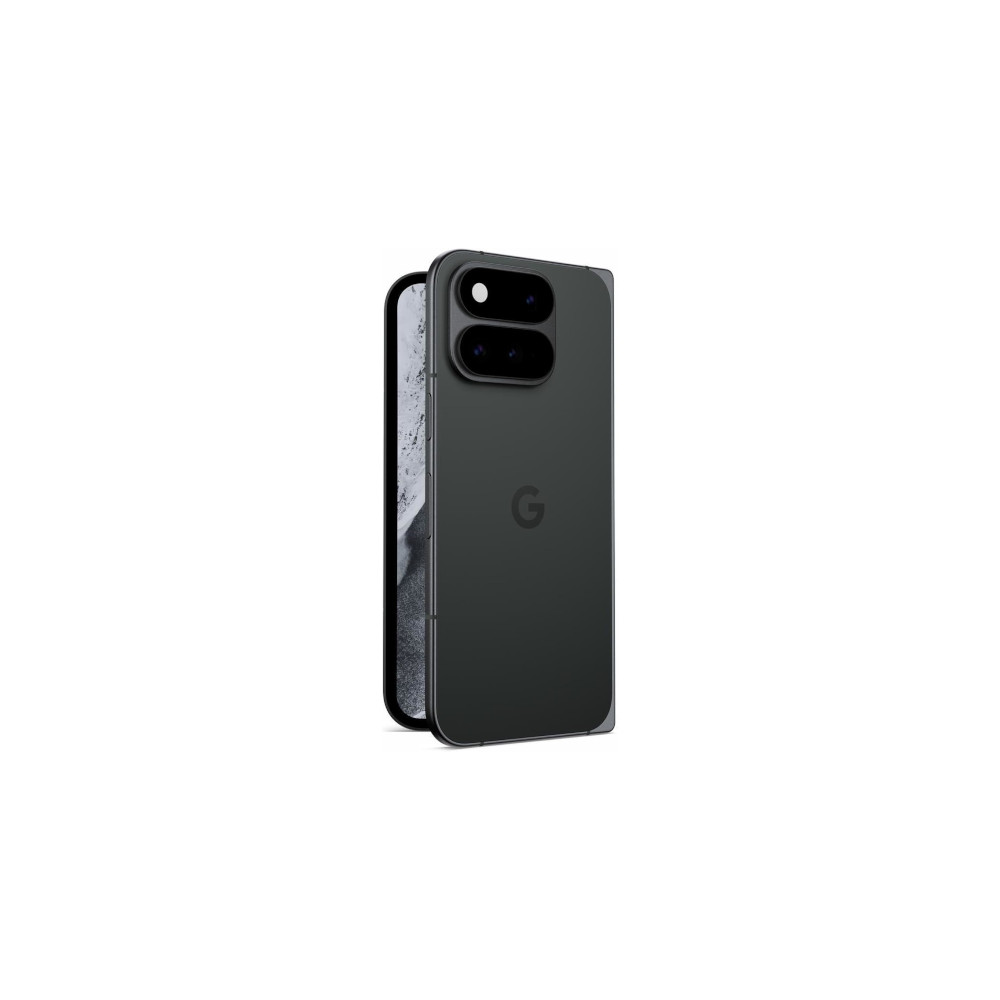
Strong multitasking potential
Useful Gemini features
Thank you for being part of our community. Read our Comment Policy before posting.