Affiliate links on Android Authority may earn us a commission. Learn more.
Google announces Tensor G6, bringing 4K Portrait Video and more to the Pixel 11 series
Aug 12, 2026 — 10:00 AM ET



- Google has officially launched the new Tensor G6 SoC, powering the new Pixel 11 series with a focus on power efficiency and on-device AI.
- Key upgrades include up to 20% CPU power efficiency gains, 3.5x faster local AI execution, 4K Portrait Video, Instant Night Sight, and up to 120x Pro Zoom.
- The Tensor G6 on the Pixel 11 Pro Fold lacks features like 4K Portrait Video and Instant Night Sight due to hardware constraints.
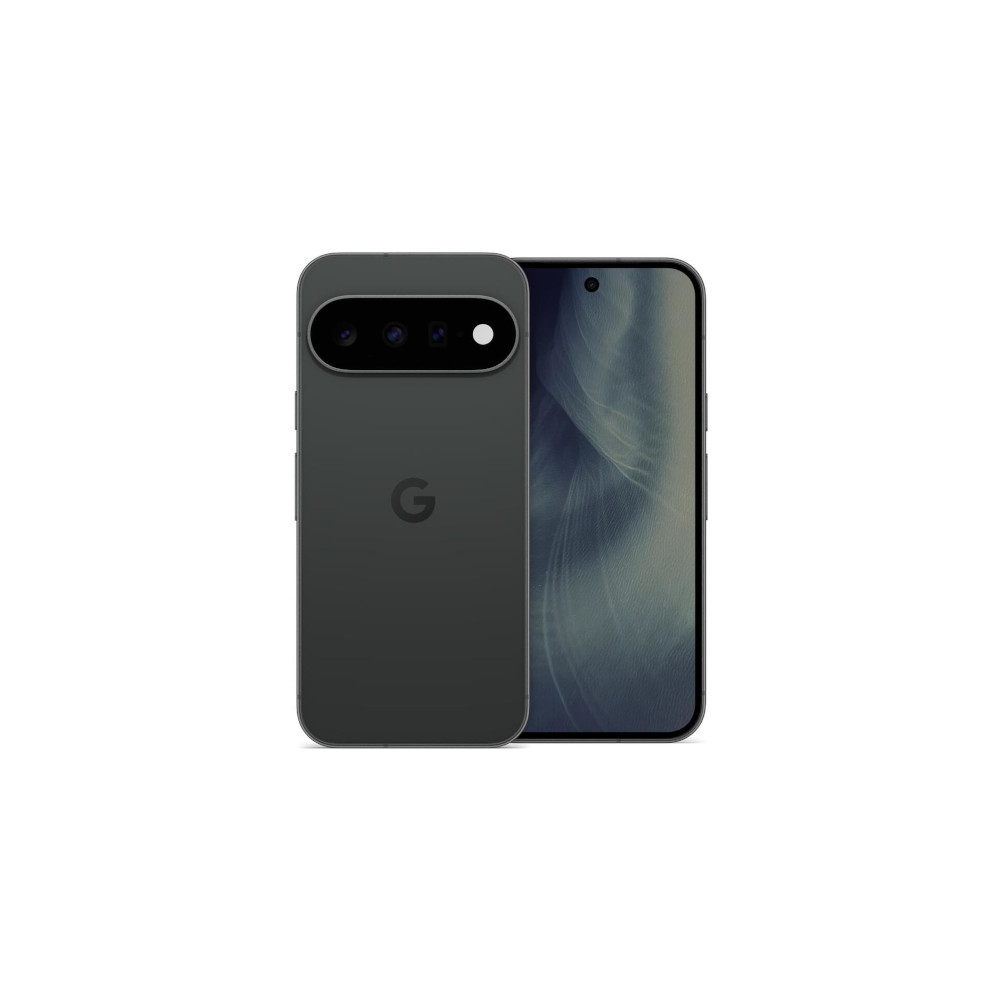
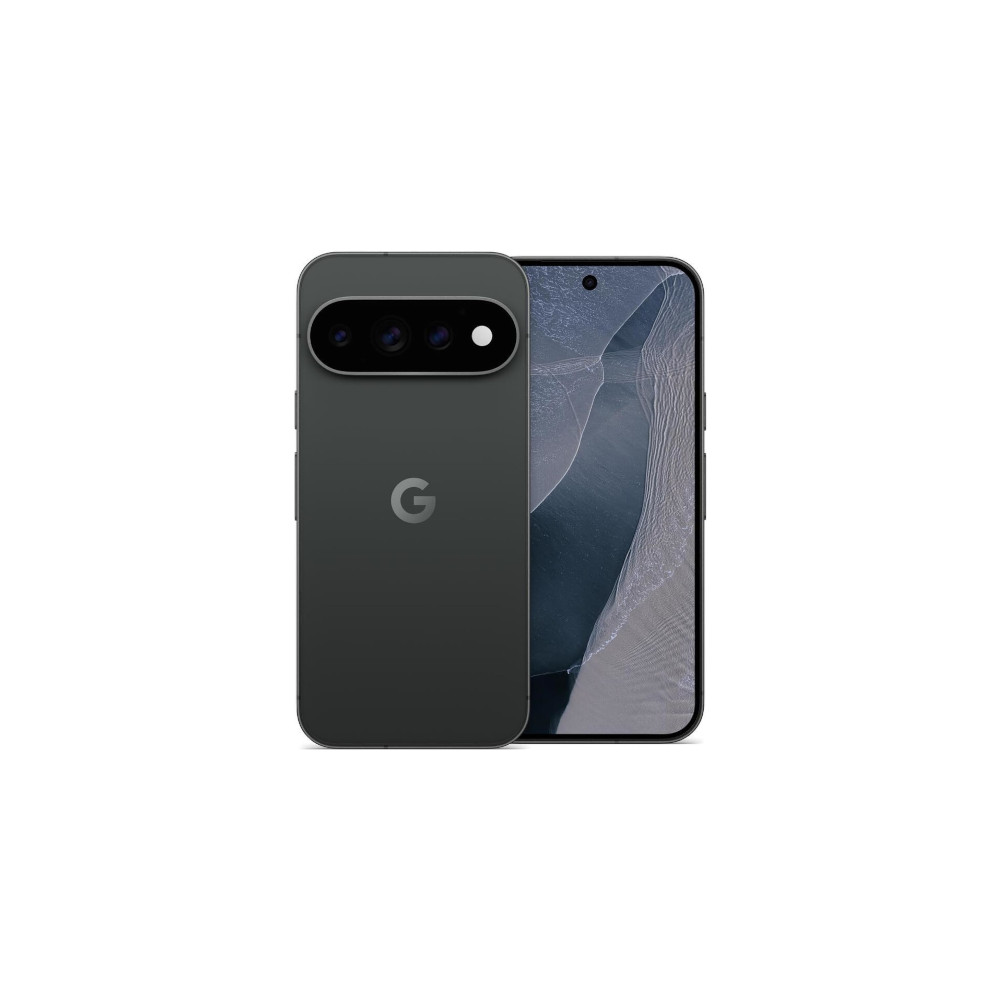
Google has officially launched the Pixel 11 series and the Pixel 11 Pro Fold. Like generations before them, these new Pixel 11 flagships are all powered by a Google-made custom Tensor SoC, the new Google Tensor G6 in this case. And like every year before this, Google isn’t chasing benchmark or raw spec sheet numbers, instead focusing on the holistic experiences enabled by the SoC, with a keen focus on on-device AI features.
Under the hood, the Tensor G6 addresses some of the lingering critiques of previous generations by prioritizing power efficiency. The upgraded CPU boasts up to a 20% improvement in power efficiency compared to the Tensor G5. With the new CPU, you can get up to 25% faster web browsing and 15% faster app loading times in everyday use, if Google’s testing on pre-production hardware is to be believed.

Furthermore, Google says it has specifically optimized the chip to handle demanding mobile titles like Asphalt Legends, Disney Speedstorm, and Squad Busters, which is a surprising move given gaming has never really been Tensor’s forte. This is paired with a new custom modem that is designed to deliver higher throughput and lower power draw, though Google has remained tight-lipped about the specific vendor details.
What we could figure out from our brief hands-on with the new Pixel 11 series, the Tensor G6 sports a seven-core configuration, with one prime “C1 Ultra” core clocked at 4.1GHz, four performance “C1 Pro” cores clocked at 3.4GHz, and two efficiency “C1 Pro” cores clocked at 2.65GHz. The GPU appears to be a PowerVR C-series variant with six compute units clocked at 1.3GHz.
For reference, the Tensor G5 came with one ARM Cortex-X4 (3.78GHz) cores, five ARM Cortex-A725 (3.05GHz) cores, and two ARM Cortex-A520 (2.25GHz) cores. The GPU was a PowerVR DXT-48-1536.

The real star of the Tensor G6 silicon is the upgraded Tensor Processing Unit (TPU). Google co-designed the Tensor G6’s silicon architecture directly alongside Google DeepMind’s latest AI models. Armed with 50% more compute power and higher memory bandwidth, the TPU allows the on-device Gemini Nano model to run with substantially lower latency and higher quality.
For everyday background tasks like notification summaries and voice transcripts, the G6 runs local workloads up to 3.5x faster while consuming up to 3.5x less energy. This hardware efficiency enables the phone to handle certain AI-heavy tasks, like Gboard’s new sign-to-text translations, entirely on-device.
On the camera front, the Tensor G6 introduces an upgraded Imaging Signal Processor (ISP) equipped with a dedicated hardware accelerator designed specifically for video portraits. This unlocks 4K Portrait Video on a Pixel for the very first time. Low-light photography also gets a massive boost with Instant Night Sight, allowing the new Pixels to capture night shots up to 4.5x faster than previous Pixel generations, without a drop in quality. Additionally, the beefier TPU and ISP are claimed to enable spectacular detail at extreme distances, driving up to 120x Pro Zoom on the Pixel 11 Pro models (but not the Fold) and 30x Super Zoom on the standard Pixel 11 and Pixel 11 Pro Fold.
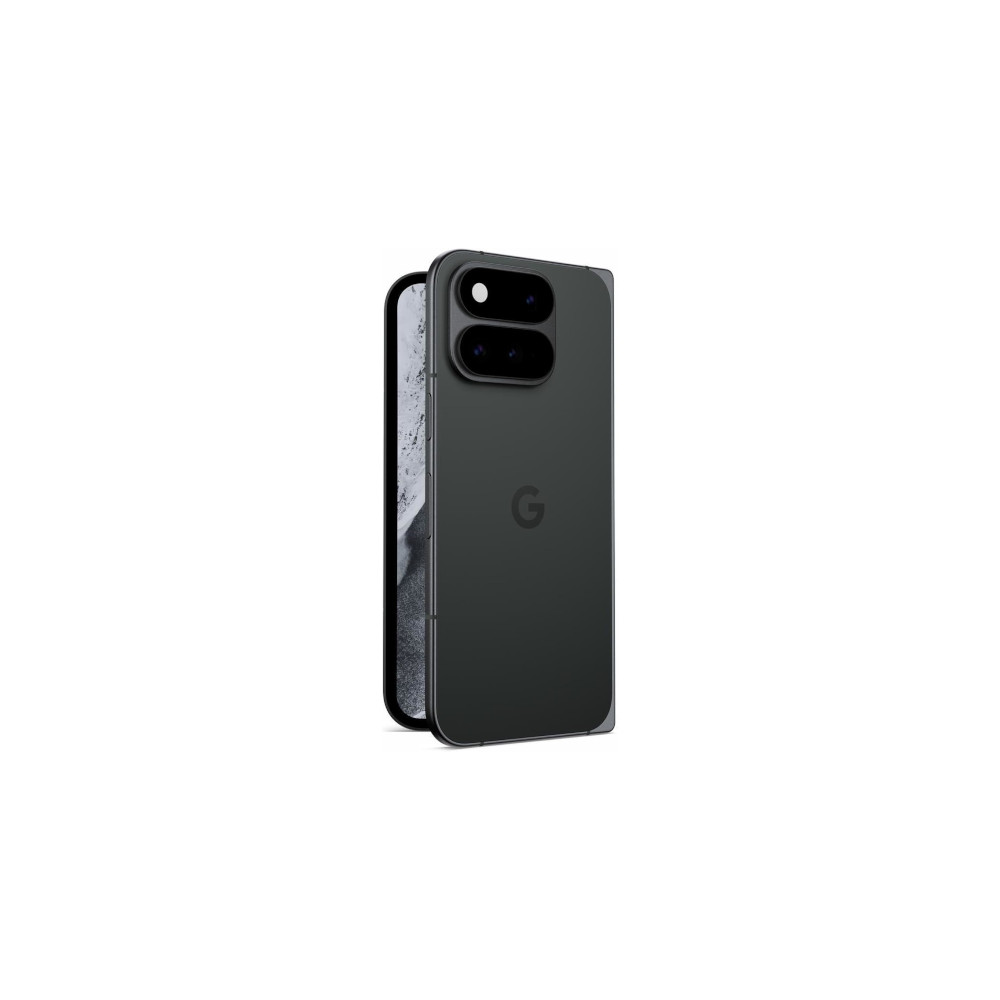
If you are eyeing the foldable form factor, you might have noticed that there is a catch. While the Pixel 11 Pro Fold carries the upgraded Tensor G6 ISP, Google confirmed that the foldable will not support 4K Portrait Video or Instant Night Sight due to the phone’s unique physical layout and sensor constraints. It does, however, retain the 30x Super Zoom and hardware-accelerated AV1 encoding, which are supported across the rest of the Pro lineup.
Finally, security gets its first major hardware-level refresh in half a decade. Working in tandem with the brand-new Titan M3 security chip — marking Titan’s first major update in roughly five years — the Tensor G6 enables a quantum-safe boot. By leveraging post-quantum cryptography, Google aims to shield user data against emerging, highly advanced digital threats, making the Pixel 11 series one of the first consumer smartphone lineups to feature this level of forward-looking defense.
As always, if you care about nitty-gritty specifications, Google is leaving you high and dry. We hope to dive deeper into the Tensor G6 when we spend more time with the new Pixel 11 series. Until then, you will have to take Google’s word on how good the new processor is.

Thank you for being part of our community. Read our Comment Policy before posting.