Affiliate links on Android Authority may earn us a commission. Learn more.
Galaxy Z Fold 8 Ultra battery tests reveal the biggest challenge facing the iPhone Duo
Oct 7, 2026 — 6:00 AM ET



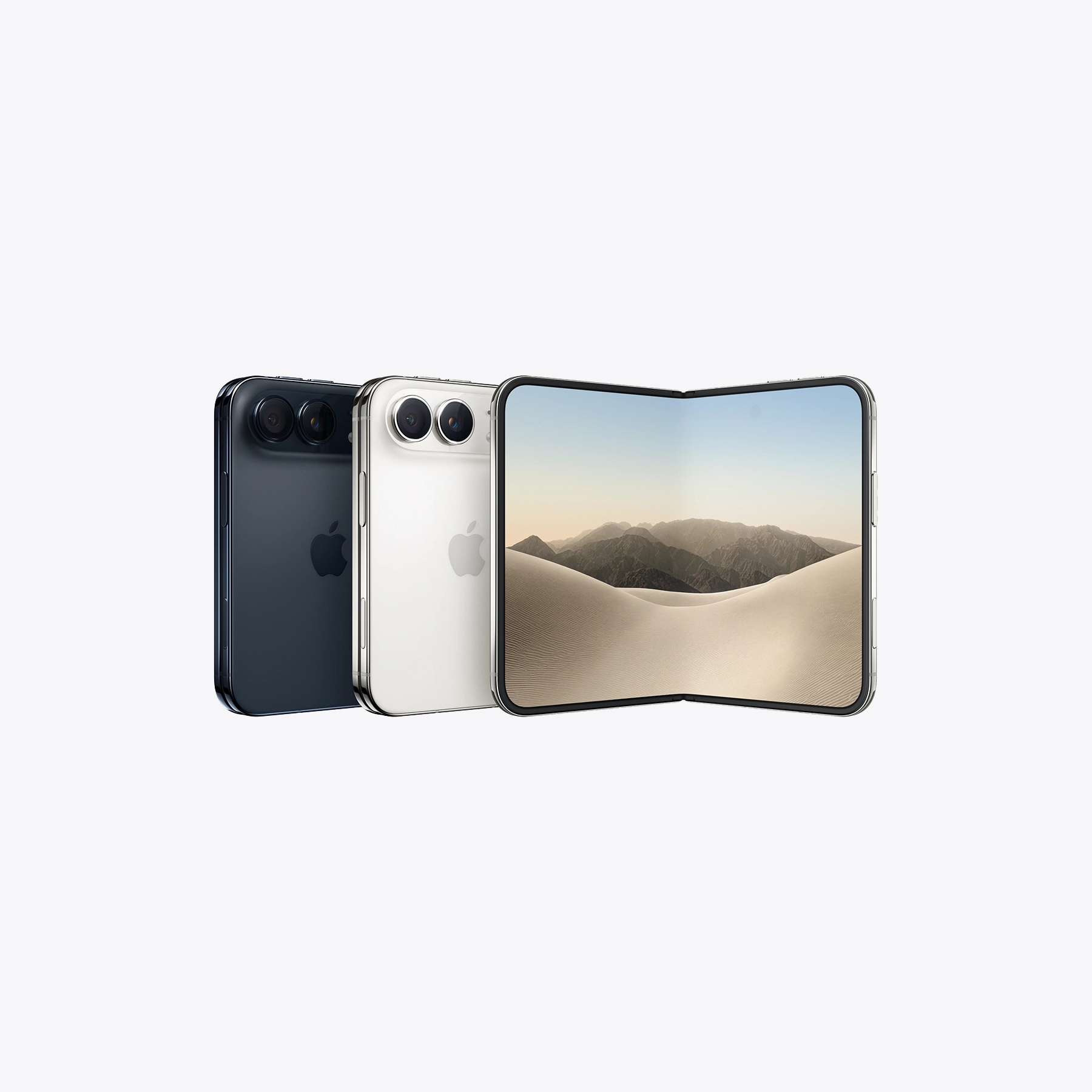
Samsung’s foldables have always leaned heavily on deep optimization to squeeze respectable endurance out of tight space constraints. With the Galaxy Z Fold 8 Ultra, Samsung finally adopted a dense 5,000mAh silicon-carbon (Si-C) cell, potentially marking a major turning point in foldable battery life. Shortly after, Apple finally announced its own take on booklet hardware with the iPhone Duo. While the hardware looks very promising, the product will likely make or break on its battery life. Apple certainly doesn’t want another iPhone Air fiasco on its hands.
Yet, looking at our rigorous battery benchmark data, a sobering reality sets in: despite the physical upgrade, Samsung’s new battery hardware hasn’t blown past last year’s performance. In fact, it appears that other hardware changes may have a bigger impact on the phone’s longevity than the new battery technology.
With all that in mind, is it worth upgrading to the new Z Fold 8, and can Apple really crack the all-day battery life formula on its first foldable outing?
A Silicon-Carbon reality check

As you might expect, there is some good news regarding Samsung’s move to a 5,000mAh Si-C cell, which outpaces last year’s 4,400mAh Li-Poly model in virtually all of our test scenarios. The 4,800mAh Si-C cell in the more compact Galaxy Z Fold 8 is also very competitive in these tests, likely owing to its slightly smaller display, and all three are very close in 4K playback capabilities.
However, hardware appears to have offset these gains somewhat. The adoption of that 200MP main camera eats into the foldable’s available time for picture shooting, making it one of the worst performers in our metrics by some margin. Thankfully, the phone retains reasonable 4K recording times. It’s also possible that the move to an even faster processor hasn’t fully realized the expected battery gains.
Even so, Samsung’s adoption of Si-C battery technology has been helpful, but it perhaps hasn’t produced the leapfrogging of results we might expect. Even Motorola’s Razr Fold, which sports a huge 6,000mA cell, is unable to break free from the pack. In fact, Samsung’s years of aggressive foldable performance optimizations see its more compact models score very closely and sometimes even outlast the otherwise impressive Razr. At the end of the day, these models are likely to last very similar durations on a single charge, despite differences in their battery hardware.
In any case, all of these phones manage to outlast the Google Pixel 11 Pro Fold and its 4,800mAh battery. This again goes to show that foldable battery life is far more about balance than brute battery specifications. The efficiency of the huge internal display, processor optimizations, and camera hardware all have a substantial impact on how these phones perform, and that can very even from generation to generation.
What this means for the iPhone Duo

Apple hasn’t given a capacity rating for its new iPhone Duo. Instead, we have vague figures like 44 hours of video playback on the outer display — hardly a ringing endorsement of the device’s longevity when used in its designed form factor. Some reports suggest a 5,400mAh capacity, which would be rather large for the brand’s first attempt at a foldable, while others have the cell closer to a more mainstream 4,800mAh figure. Someone will rip one apart to find out soon enough, but my point remains either way.
The biggest takeaway from these results is that foldable battery life isn’t just about how much energy manufacturers can physically squeeze into the phone. The form factor remains a case study in how efficiently the entire device operates, especially with the large inner display.
Samsung’s move to silicon-carbon cells is still important. A denser battery gives engineers more capacity without necessarily making a foldable thicker, heavier, or harder to design. But our testing suggests that adding hundreds of milliamp-hours doesn’t guarantee hours of extra real-world endurance. Displays, chipsets, cameras, thermals, and software all get a vote.
Apple has plenty of opportunities to squeeze more runtime from the Duo.
That’s what makes the iPhone Duo so interesting. Apple doesn’t need to have the biggest battery in a foldable to make a compelling case for its first attempt. It needs to show that its battery can be used efficiently across two very different display configurations. And because Apple controls the processor, operating system, display behavior, and power management, it has plenty of opportunities to squeeze more runtime from the hardware.
Of course, we’ll need to put the Duo through the same battery tests before we can say whether Apple has actually pulled that off. But that’s perhaps the bigger lesson from Samsung’s latest foldables: the future of foldable battery life won’t be won by capacity alone.
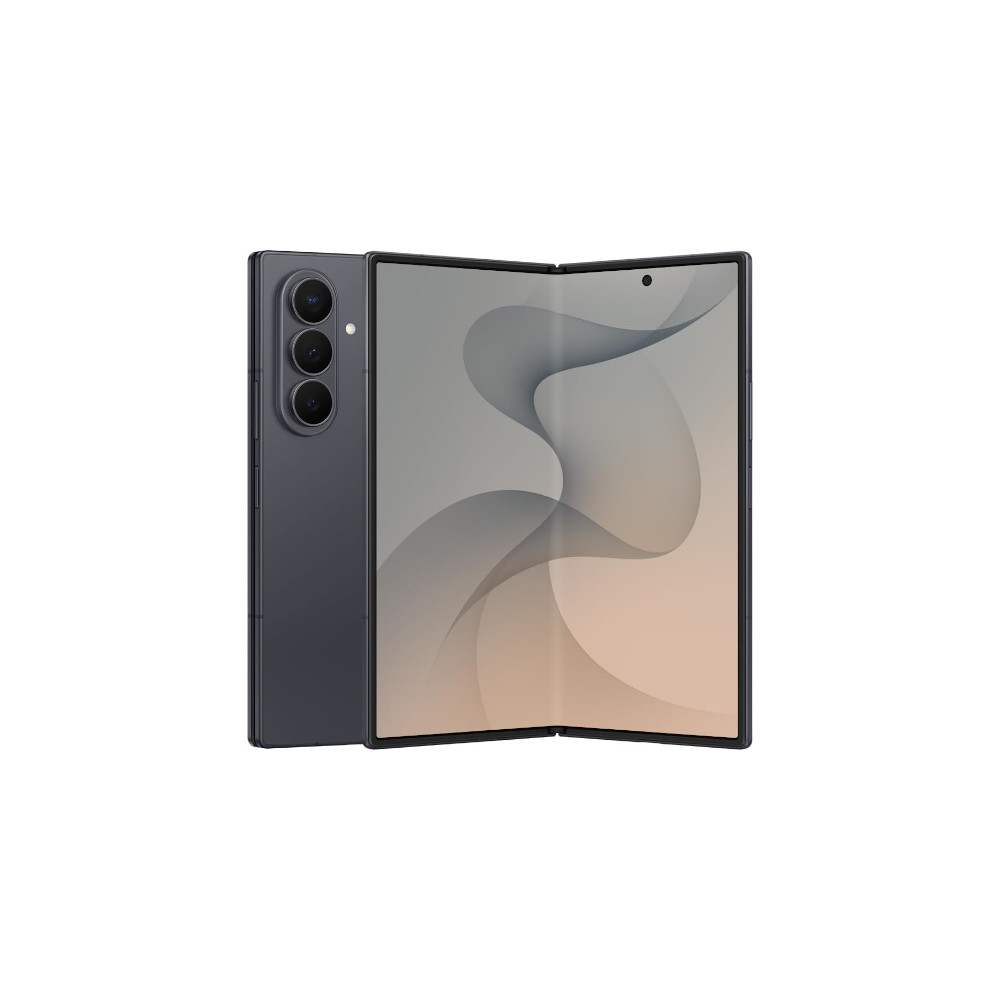
Multitasking
Big battery
Thin design
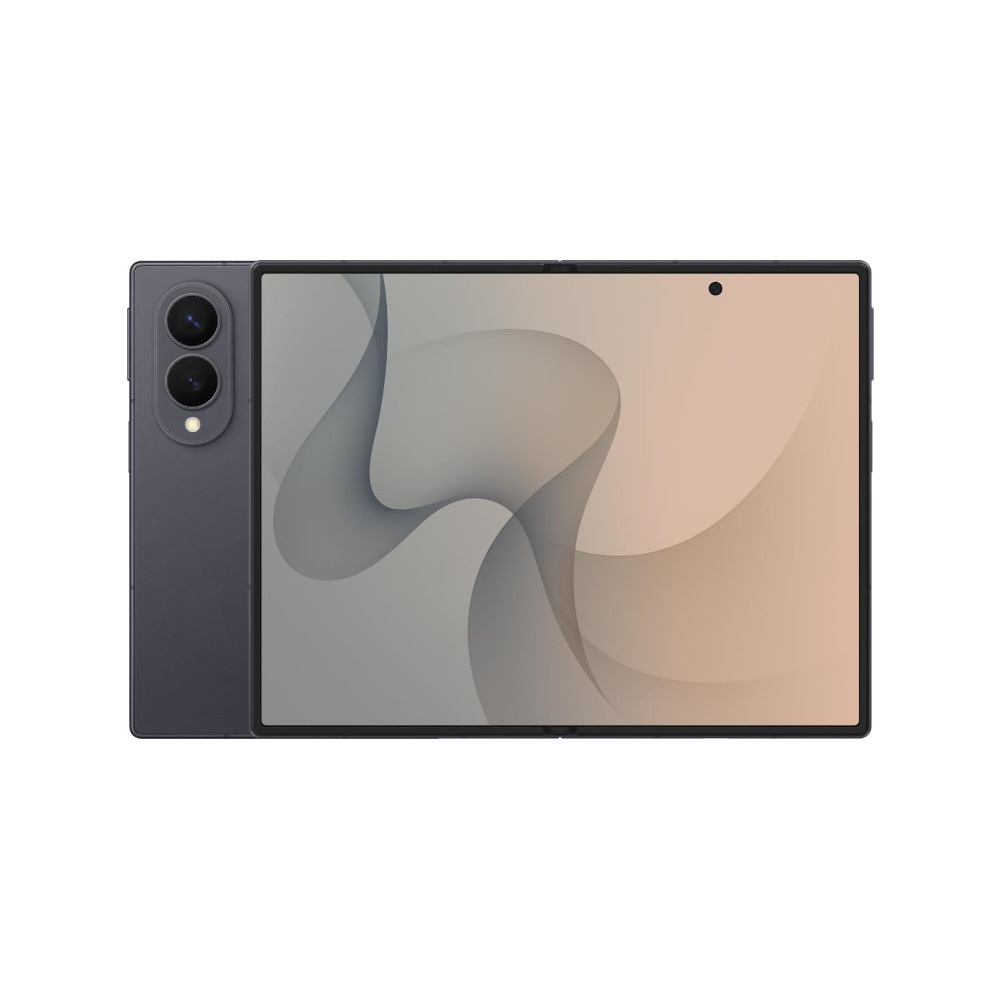
Inner screen is great for videos
Powerful
Thank you for being part of our community. Read our Comment Policy before posting.