Affiliate links on Android Authority may earn us a commission. Learn more.
We tested the best dual-SIM Android phones, and these are the ones you should buy in 2026
I’ve tested a dizzying number of dual-SIM Android phones in my time, and even that’s a fraction of our collective knowledge at Android Authority. The best devices never sit on their perch for long before a new pretender to the crown comes along to usurp it. This makes it an exciting and ever-changing field you must keep abreast of. Look no further if you’re in the market for a dual-SIM Android phone.
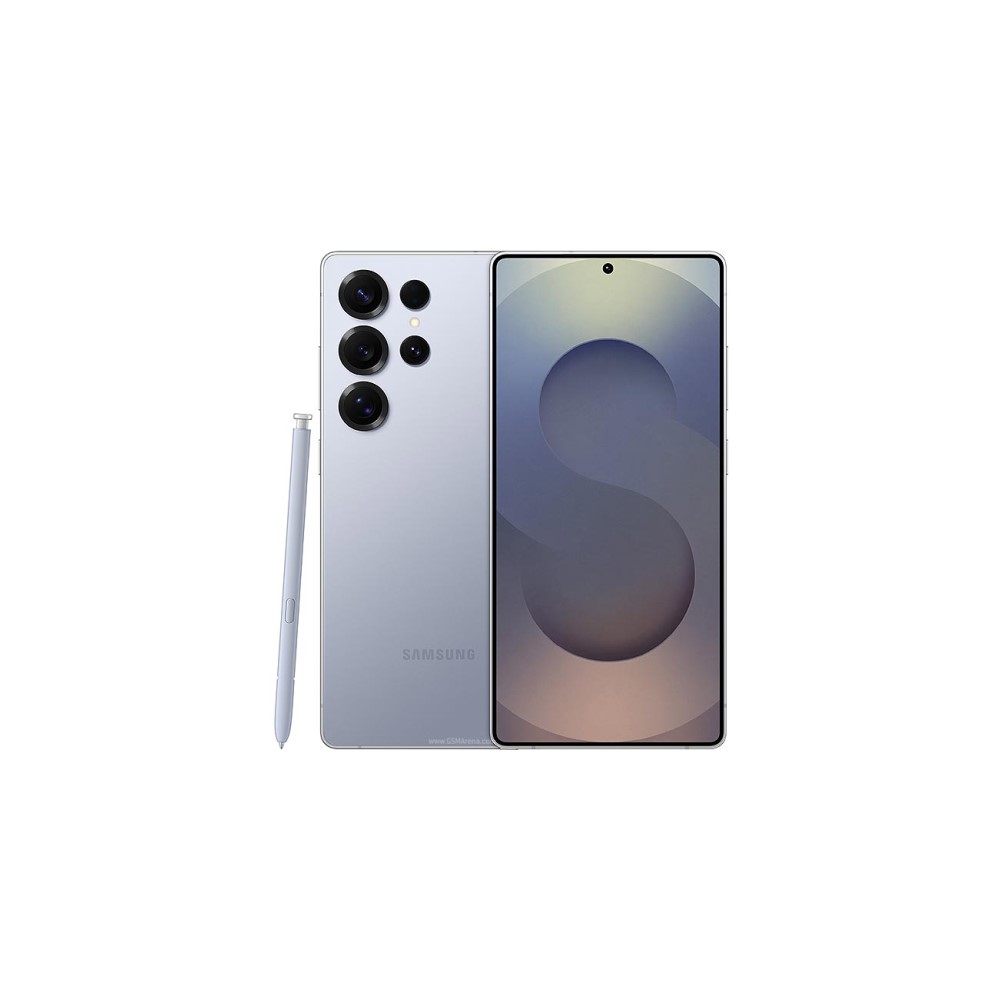
Samsung Galaxy S25 Ultra: The best overall dual-SIM Android phone

- Premium materials
- Great battery life
- Solid cameras
- Top-tier Snapdragon performance
- Brilliant display
- Excellent software policy
- Downgraded S Pen
- Mostly AI-based upgrades
- Still no full Qi2 support
- Can be uncomfortable to hold
- Very expensive
Samsung usually throws everything and the kitchen sink into its Ultra smartphones; the latest generation is no exception. You get a competent dual-SIM smartphone for travel, power users, or those who just want the best Samsung cash can buy.
The Galaxy S25 Ultra supports different dual-SIM configurations depending on your region. In the US, it primarily supports one physical Nano-SIM and one eSIM.
Let’s acknowledge the elephant in the room. The Galaxy S25 Ultra is a massive device that packs a 6.9-inch display and weighs 218g. If you can get around this with forearms of steel, you’ll be impressed by this device’s solid all-around experience. Personally, I think this minor inconvenience is well worth it.
As an avid scribbler, I find the S Pen a massive boon. Its large display is the perfect canvas for ideas, doodles, or impromptu artworks. Beyond this special skill, I appreciate the phone’s sprightliness thanks to the Snapdragon 8 Elite for Galaxy. Whatever you want to do on this device, whether it’s to slam it with games or record content for vlogs, the chipset has got you covered.
Samsung usually throws everything and the kitchen sink into its Ultra smartphones, and the latest generation is no exception.
Speaking of imaging, one of the Galaxy S25 Ultra’s biggest appeals is its rear camera setup. That 200MP primary sensor is plenty versatile, while the dedicated telephoto lenses allow me to reach even further if needed.
It may be one of the most expensive traditional phones money can buy, but Samsung’s flagship really does do everything a smartphone owner could ever want or need.
Samsung Galaxy Z Fold 7: The best dual-SIM foldable phone

- Incredible slimline design
- Improved internal display
- Solid performance
- Good enough battery life
- Flexible cameras
- Excellent update commitment
- No S Pen support
- Lame wired charging speeds
- Prohibitively expensive
Samsung has long led the pack regarding foldable phones, but the Galaxy Z Fold 7 is one of the best devices in this genre ever. Sure, there are thinner products, but the seventh-generation Fold now combines all that mature technology and experience into one impressive handset.
The Galaxy Z Fold 7 supports different regional dual-SIM configurations, but in the US, it primarily supports one physical Nano-SIM and one eSIM.
Importantly, all the core features and specs have seen some improvements. This includes a more sensible cover screen that feels plucked from a traditional smartphone, a chipset that outperforms the silicon in the Fold 6, and a camera array that finally brings foldables up to speed with Samsung’s regular flagship phones.
If a book-style fold is on your wishlist and you have the cash to make your dreams come true, I recommend the Fold 7.
This all comes at a cost, though — quite literally. At a peep under $2,000, the Galaxy Z Fold 7 is more of an investment than a smartphone has ever been. Factor in the remaining chinks in its armor, like the missing S Pen support and tardy charging speeds, and you’re still hamstrung in some aspects.
Nevertheless, if a book-style fold is on your wishlist and you have the cash to make your dreams come true, I recommend the Fold 7 as your dual-SIM phone of choice.
Motorola Razr Ultra: The best flip foldable dual-SIM Android phone

- Blisteringly fast charging and excellent battery life
- Ultra-flagship-tier performance
- Solid dual camera setup
- Top-notch materials and eye-catching Pantone colors
- Two very vibrant displays
- Clean, simple software
- Moto AI feels half baked
- Limited software commitment
- Long-range zoom kinda stinks
- Expensive
While Samsung wins the book-fold battle, Motorola pips it to the post in the flip-fold race. The Motorola Razr Ultra is head and shoulders above the best of the rest, including the Galaxy Z Flip 7. Yes, it’s expensive, but it rewards that investment with buzzy flagship performance in a compact device that makes plenty of sense.
The Razr Ultra supports dual-SIM functionality with one physical SIM slot and an eSIM profile.
As a flip fold, the Ultra’s party piece is its remarkable 7-inch display that refreshes at 165Hz. But, if you don’t need all those pixels, the external 4-inch cover panel is large enough and bright enough to send texts, check notifications, and use as a selfie mirror.
The Motorola Razr Ultra is head and shoulders above the best of the rest in the flip phone world.
Speaking of cameras, the Ultra offers photographers a solid imaging base. With a large 4,700mAh battery and dizzying 68W wired charging, it’s the perfect phone for long calls and even longer adventures.

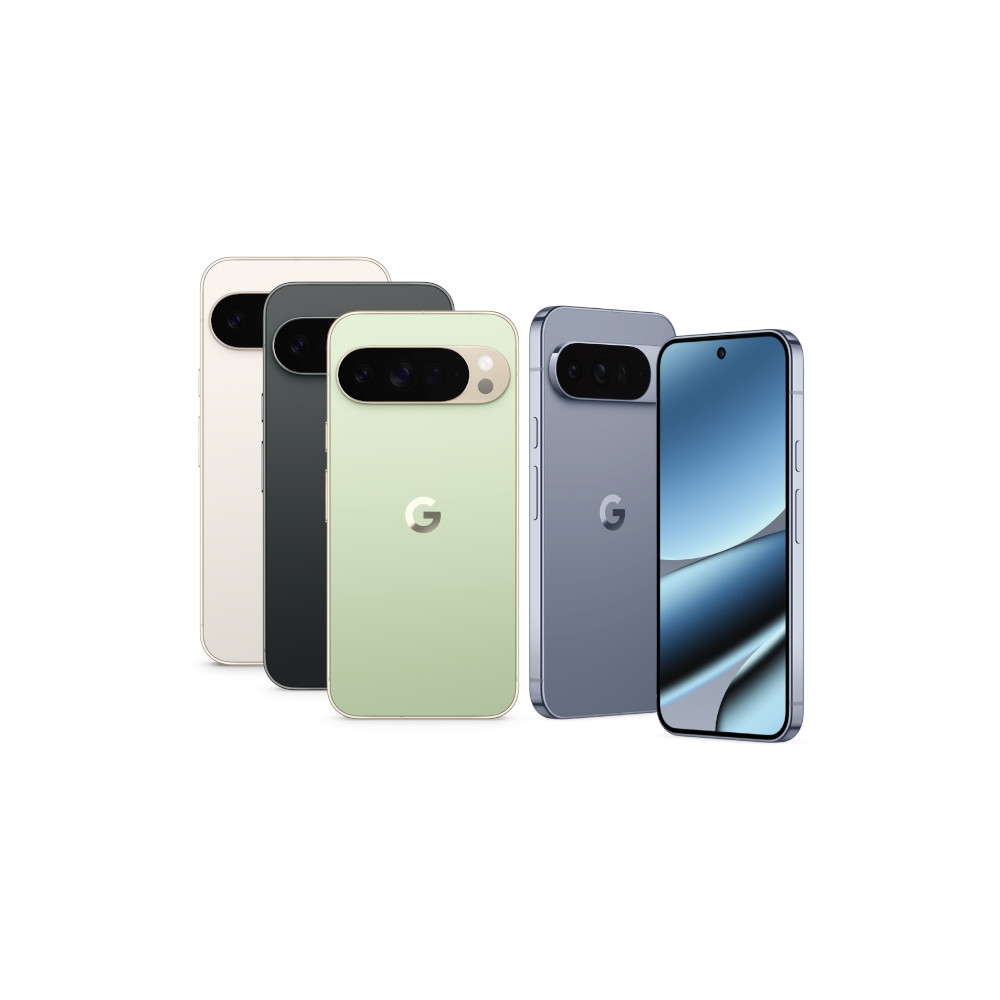
Google Pixel 10 Pro XL: The best dual-SIM Android phone for photography
- Excellent build quality
- Improved camera flexibility
- Upgraded battery capacity
- Smooth-as-ever software
- Slightly better charging
- So many exclusive features
- No SIM slot in the US
- Tensor G5 is better, but still not 'elite'
- Some new AI features still need work
The Google Pixel 10 Pro XL is the company’s latest and largest traditional flagship, and it is wearing this badge with pride. For US users, the Pixel 10 series ditches physical SIM card slots in favor of eSIM technology, which makes switching carriers less reliant on that metal pin we all keep on our keyrings.
Notably, US Pixel 10 Pro and Pro XL models do not have a physical SIM card slot. As a result, dual-SIM functionality can only be achieved by using two eSIM profiles. International models include a physical SIM slot, which can be utilized alongside an eSIM profile for dual-SIM purposes.
Google has invested in several areas, including photography and battery capacity, for the actual phone. The XL now packs a 5,200mAh reservoir, the largest battery ever in a Pixel smartphone. The camera array is headlined by a 50MP main sensor, with a 48MP 5x periscope lens and a 48MP ultrawide in support. We’ve noticed significant improvements in color science on this handset compared to the Pixel 9 series.
The Pixel 10 Pro XL is the biggest and best Google phone thus far.
Of course, Google’s biggest draw is its Pixel-exclusive features, which now includes Camera Coach to help novices snap the perfect shot and Magic Cue, which acts as a smart context-aware information recommendation service.
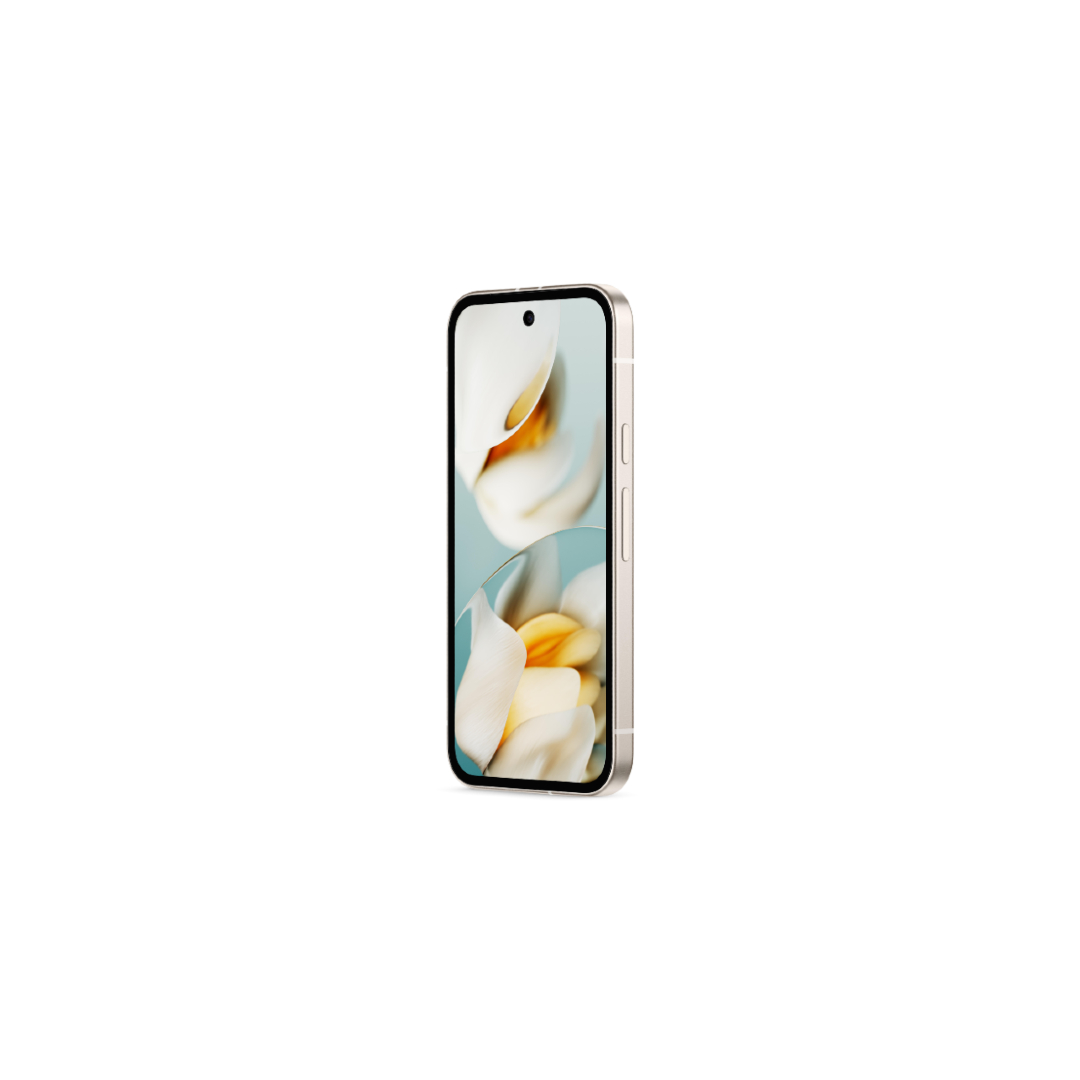
Google Pixel 9a: The best affordable dual-SIM Android phone
- Solid, reliable cameras
- Excellent update commitment
- Clever AI-powered features
- Great battery life
- New, streamlined design
- Excellent price
- Relatively slow charging
- Aging Gorilla Glass 3 (again)
- Missing Pixel Screenshots
If you’re not in the market for a flagship Pixel or still want the convenience of a physical SIM slot, the Pixel 9a remains a stellar choice.
The Pixel 9a, unlike the Pixel 10 Pro and Pro XL, has a physical SIM slot. It supports one physical SIM slot with one eSIM profile in the US.
There’s very little that Google’s mid-range contender does wrong. In fact, if value is your barometer, it may just be the best phone you can buy. It offers a solid bump-free dual camera array, a roomy 5,100mAh battery, and a spacious 6.3-inch screen.
If value is your barometer, the Pixel 9a may just be the best phone of you can buy.
At a smidge under $500, the Pixel 9a is an excellent, affordable dual-SIM Android phone that’ll be supported well into the next decade.
ASUS ROG Phone 9 Pro: The best dual-SIM Android phone for gaming

- Overkill performance
- Outstanding battery life
- Fast, universal charging
- Super-stable video
- Handy AI tools
- Expensive Pro model
- Poor software commitment
- Inconsistent cameras
- No 4K recording on all lenses
The ASUS ROG Phone series has long stood out as the best gaming smartphone available, and the ROG Phone 9 Pro is the pinnacle. It might be geared towards those seeking the best performance, but it is a device you can use as a daily driver.
It supports dual-SIM functionality through two physical SIM card slots. Notably, eSIM support is only available for select regional models, including those sold in Japan and Taiwan.
For starters, it makes no concessions for performance and was among the first devices to run the Snapdragon 8 Elite SoC. Most current titles will run quickly and smoothly, while its 5,800mAh battery takes a fair while to drain completely. As a gaming phone, its camera hardware is surprisingly serviceable, while its video stabilization makes it a great live-action camera in a pinch.
The ASUS ROG Phone 9 Pro makes no concessions for performance.
The ROG Phone 9 Pro will likely soon make way for its successor, and considering its relatively lofty price, it might be a tough pill to swallow. But if you are looking for a pure gaming phone that also excels as a pocket companion, this is the device to purchase.
What to look for in a good dual-SIM Android phone

As most modern smartphones now support dual-SIM smarts, picking a good one comes down to specifics and your intended use case. Generally, I’d recommend first considering devices that offer reliable signal strength in various environments. Beyond that, it really depends on your needs.
Here’s how I decide which dual-SIM device is best for me:
- Reliable connectivity: A dual-SIM phone is nothing without good connectivity. Ensure that the device supports the bands your networks use and any you may encounter on your travels.
- A physical SIM slot: More smartphones are ditching physical SIM card slots, which might be a deal breaker for many. If you have a physical SIM card that you simply must use, consider this a priority.
- Battery life: A phone that doesn’t stay alive for your calls is no good, so battery capacity and charging speed are two additional critical factors to consider.
- Performance: Sustained performance is essential for gamers and videographers, so pay close attention to the chipset and RAM amounts within each product before purchase. A large amount of the latter is especially important if you want to make full use of on-device AI processing.
What do you look for in a dual-SIM Android phone?
Thank you for being part of our community. Read our Comment Policy before posting.