Affiliate links on Android Authority may earn us a commission. Learn more.
6 reasons why the Galaxy S26 Ultra is a better choice than the OnePlus 15
The annual Mobile World Congress might be right around the corner, but as usual, Samsung is setting the pace for 2026 Android phones with its launch of the Galaxy S26 series. With a bunch of nifty new additions like an all-new privacy-focused display and a slew of expected upgrades to cameras and performance, the Galaxy S26 Ultra is introducing some handy new features to an otherwise predictable smartphone.
On the other hand, excellent flagships like the OnePlus 15 are already available on the market, and not only does it beat Samsung’s latest on price, but the hardware proposition isn’t too far behind either. In fact, the OnePlus 15 manages to beat Samsung’s spanking new flagship in a few key areas.
This year, the choice between the Galaxy S26 Ultra and the OnePlus 15 is a genuine head-scratcher.
When family or friends ask me which phone to buy, I usually have a quick answer ready. But this year, the choice between the Samsung Galaxy S26 Ultra and the OnePlus 15 is a genuine head-scratcher.
I’ll be straight with you, while I’ve had plenty of time with the OnePlus 15, I haven’t got my hands on the Samsung Galaxy S26 Ultra just yet. However, I’ve been picking the brains of my Android Authority team members who have spent enough time with the new new. Combined with years of expertise and experience with Samsung flagships, the best Android phones around, and our reputation for digging past the marketing fluff to see what actually matters, I’ve made my choice for which device is better and why I’d get it over its rival.
Galaxy S26 Ultra vs OnePlus 15: Is it worth the extra $400?
Slimmer and more refined hardware

If you’ve ever held an Ultra from the last few years, you know the struggle. In our review of the S25 Ultra, we felt it was purposely boring and, frankly, a bit of a literal pain in the palm. I was not a huge fan of the sharp sides, squared off edges, and rather industrial look of the S25 Ultra. The S26 Ultra follows that same path, except this time around, the top and bottom corners are truly rounded off, giving the phone a softer silhouette. Meanwhile, the side rails remain fairly straight and boxy.
Samsung has trimmed down the Ultra down, but both phones still feel like serious slabs of hardware.
What’s more dramatic is the change in thickness. Samsung has made the Galaxy S26 Ultra significantly thinner. Shaved down to just 7.9mm, it’s the slimmest Ultra ever and weighs in at a comfortable 214g. To get there, Samsung moved away from titanium and back to aluminum rails. Personally, I’m indifferent to the change in materials as I’d put the phone in a case anyway, but the weight reduction certainly is worth noting. It’s dramatic enough that it makes the 6.9-inch footprint feel less like a heavy slate and more like a refined tool that can comfortably slip into your pocket.

OnePlus went the other way this year. In our review of the OnePlus 15, we found its new flat-edged design a bit of a confusing downgrade from the comfortable curves of the OnePlus 13. It’s a dense, 8.1mm thick slab that looks and feels more generic than anything else from the brand. While OnePlus kept rounded corners all around the display, the way the screen meets the frame at a right angle makes it feel much thicker in the hand than the S26 Ultra. If you want the thinnest device possible, Samsung has the edge.
A more advanced and privacy-friendly display

The screen is where these two brands have completely different priorities this year. Samsung has equipped the S26 Ultra with a massive 6.9-inch “mDNIe” 10-bit panel. This is a big deal because of Samsung’s claims of four times more color output over the previous generation, making for a much more vibrant and color-accurate experience. It maintains a crisp QHD+ resolution and caps the refresh rate at a reliable 120Hz. It also includes that unique hardware-based privacy layer, letting you limit viewing angles to keep prying eyes away from your notifications. Image quality upgrades aside, that privacy display is perhaps one of the most innovative additions we’ve seen in smartphone displays in quite some time.
Samsung is chasing color accuracy and privacy, while OnePlus is going all-in on raw refresh rate speed.
OnePlus, on the other hand, went for raw speed at the cost of pixel density. The OnePlus 15 features a 6.78-inch LTPO AMOLED display that can hit a blistering 165Hz refresh rate, a first for the brand. To achieve that, they actually dropped the resolution from 2K down to 1.5K. Since the 165Hz mode only kicks in during gaming, it’s a clear signal that OnePlus is courting the gaming crowd. If you’re not much of a gamer, the display still maintains a steady 120Hz clip, but there’s nothing exciting or fresh about that.
It’s also plenty bright at 1,800 nits for daily use, but if you want features like the highest resolution, peak brightness levels that reach as high as 2,600 nits, and the rather good anti-glare coating that suppresses reflections, Samsung’s panel is the one to beat.
A stronger push on camera hardware

Last year, we felt the S25 Ultra’s camera was a modest update that leaned too heavily on processing, with hit-or-miss sharpening. With the S26 Ultra, Samsung is throwing raw hardware at the problem. The 200MP main sensor is now 47% brighter thanks to a significantly wider f/1.4 aperture. This should help reduce the shutter lag and indoor motion blur issues that have plagued Samsung phones for years.
Alongside, Samsung has also amped up the lenses on its 50MP, 5x telephoto sensor, which should result in better zoom photography, especially in less-than-perfect light.
The S26 Ultra gets a bevy of photography enhancements while the OnePlus 15 keeps it safe.
Samsung is also leaning into upgrading the video capabilities of the phone with a new Horizon Lock feature. By using the gyro and accelerometer data, the phone can keep your footage perfectly level even if you’re rotating the device 360 degrees. It’s similar to what GoPro uses to achieve silky smooth stabilisation, and I look forward to seeing the results.
In contrast, the OnePlus 15 is a decent shooter for the price — no more, no less. Our review noted that its new DetailMax engine resulted in a loss of some of the character and capabilities we loved in the Hasselblad era. We also observed that the colors often don’t match between the lenses, which is par for the course with OnePlus hardware, and the telephoto performance falls behind the competition once you go beyond 30x zoom. Will it do the job? Yes. Would it be my first pick as a photography enthusiast? Debatable.
Deeper, more proactive AI integration

You’re going to notice a lot of familiar features on the S26 Ultra. Samsung is moving toward what it calls an agentic future, but many of these features feel like they were borrowed from the Google Pixel’s playbook. That’s no bad thing. Now Nudge, which suggests replies based on your calendar, and Screenshot Analyzer, which categorizes your gallery automatically, are very similar to what we’ve seen on the latest Pixels. There’s also the new Photo Assist feature that can help you edit images using text prompts, similar to the Google Photos Help Me Edit feature.
Many of Samsung’s AI tricks feel familiar, but the deeper integration gives it a clear edge.
Even the Call Screening and Scam Detection are almost carbon copies of Google’s versions. However, Samsung integrates these into its ecosystem better. For instance, the S26 Ultra can proactively suggest that you book an Uber to your next meeting without you ever opening the app. We’ll just have to wait and see how that works in practice. OnePlus has its own fair share of AI features, but they feel like a second-tier effort compared to the deep, system-level integration Samsung offers. If you want a phone that actually anticipates your needs, the S26 Ultra appears to be much further along that path.
Longer software support and ecosystem polish

One of the primary reasons I often point family members toward Samsung is the sheer commitment to longevity. Samsung is promising seven years of full OS and security updates for the S26 Ultra. This means if you buy this phone in 2026, it will still be getting Android 23 in 2033. OnePlus has improved its policy to six years of security updates, but it typically only promises four major Android OS versions.
OnePlus may be fast, but Samsung still wins the long game on updates and ecosystem polish.
Then there is the ecosystem. If you have a Samsung tablet, watch, or TV, the S26 Ultra becomes the center for your entire digital life. Features like Document Scanner, which can now remove hands and unfold paper corners using AI, or the ability to isolate voices in a YouTube video via Audio Eraser, show a level of software polish that OnePlus hasn’t quite matched. OxygenOS 16 is incredibly fast, but it still feels like a collection of features rather than a cohesive platform.
The only real option if you care about a stylus

Why the OnePlus 15 might still be the smarter buy for you

Battery life is another major win. While both phones use the efficient Snapdragon 8 Elite Gen 5 chipset, the OnePlus pairs it with a massive 7,300mAh silicon-carbon battery and 120W SuperVOOC charging. In our testing, the OnePlus 15 easily managed two full days of use. If you’re the type of person who constantly has battery anxiety, the OnePlus will be a better fit for you.
The OnePlus 15 delivers 90% of the flagship experience for hundreds less, and that is hard to ignore.
You also have to consider the price. The OnePlus 15 starts at $899, which is an incredible value for the raw specs you’re getting, while the Galaxy S26 Ultra starts at $1,299. If you don’t care about having pro-grade video tools, a stylus, or Samsung’s deeper ecosystem features, the OnePlus 15 delivers most of the flagship experience for hundreds less. It’s the pragmatic choice for someone who wants power and battery life above all else.
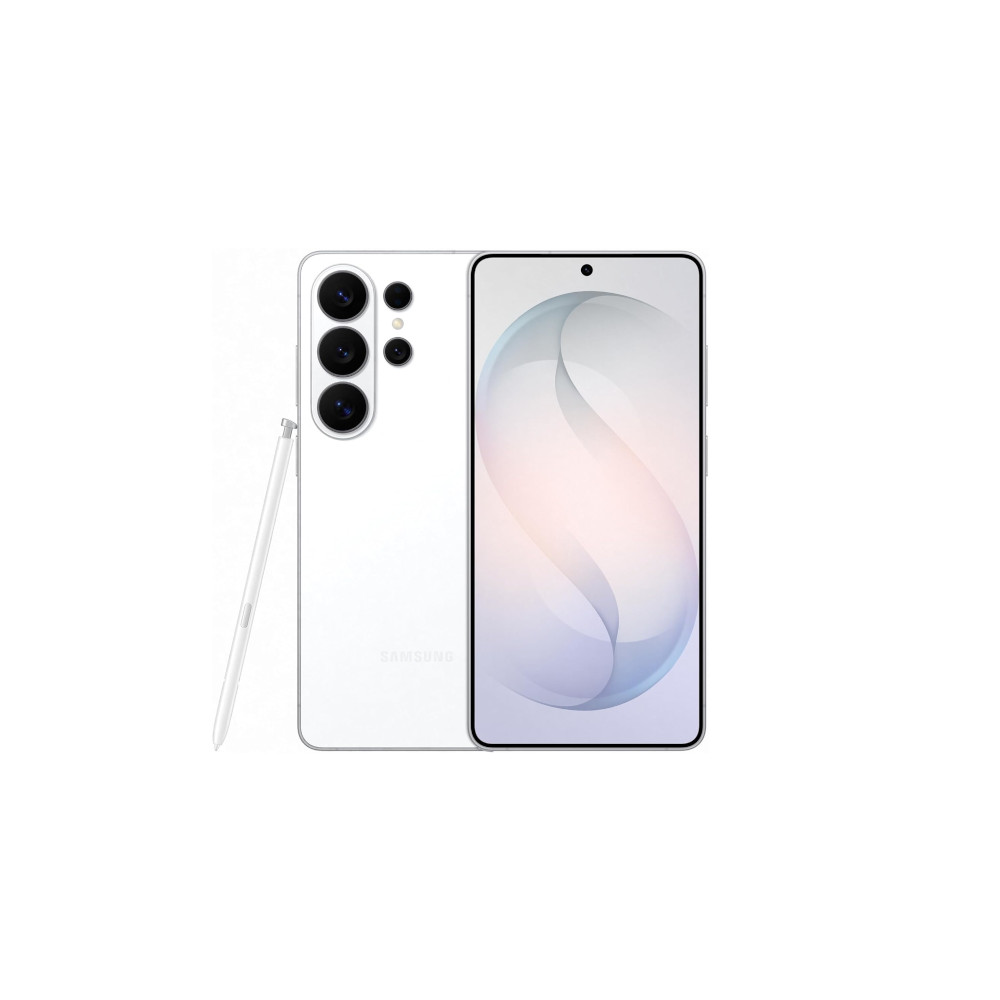
Snapdragon 8 Elite Gen 5 for Galaxy
Power AI features
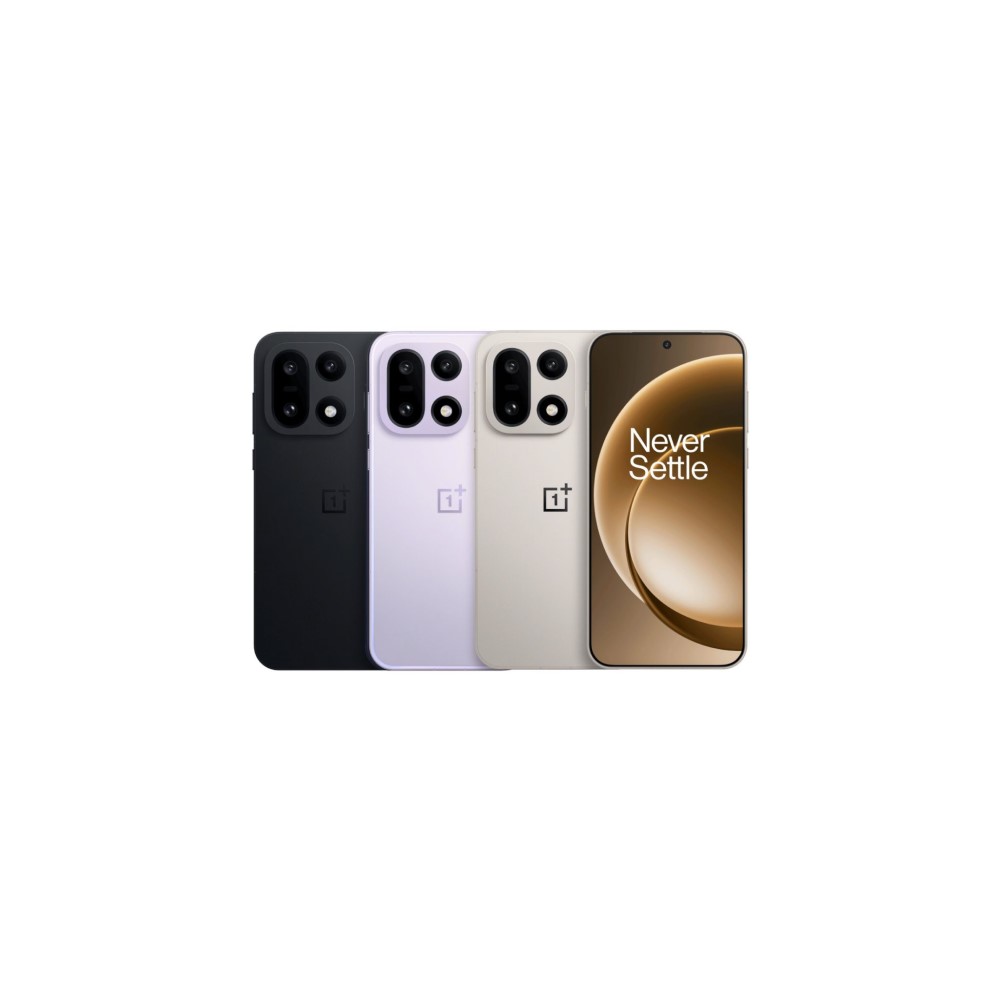
Don’t want to miss the best from Android Authority?
- Set us as a favorite source in Google Discover to never miss our latest exclusive reports, expert analysis, and much more.
- You can also set us as a preferred source in Google Search by clicking the button below.


Thank you for being part of our community. Read our Comment Policy before posting.