Affiliate links on Android Authority may earn us a commission. Learn more.
5 best OnePlus 16 alternatives you can actually buy in the US
Oct 9, 2026 — 5:00 AM ET



With OnePlus pulling out of the North American market, getting your hands on its next flagship will be quite difficult. But that doesn’t mean people have stopped wanting one. In our recent poll, a whopping 93% of respondents said they’d at least consider buying the OnePlus 16 if it were available in their market. That’s a lot of enthusiasm for a phone many people might never be able to purchase officially.
And I can see why. The OnePlus 16 is already shaping up to be an exciting phone, at least based on the rumors. We’re reportedly looking at Qualcomm’s new Snapdragon 8 Elite Extreme Gen 6 processor, a massive 9,000mAh battery, and a 165Hz display that could push to 185Hz while gaming. That’s a pretty tempting combination. Of course, importing the OnePlus 16 could still be an option if you’re determined to get one, but that comes with its own set of considerations.
All of this got me thinking, though. As exciting as the OnePlus 16 sounds, you can already buy some excellent Android phones in the US without the hassle of importing one. So, I’ve picked five alternatives worth considering, each with its own reasons to make you forget about the OnePlus 16.
Which phone would you buy over the OnePlus 16?
Samsung Galaxy S26 Plus

The Samsung Galaxy S26 Plus has always felt like the middle child of the S26 family. It doesn’t have all the bells and whistles of the Ultra, nor does it offer the compact form factor that makes the regular S26 so appealing. But I’ve also come to appreciate what the Plus brings to the table. It’s a great middle ground for someone who wants a big, premium Android phone without going all out on the Ultra.
It's a great middle ground for someone who wants a big, premium Android phone without going all out on the Ultra.
For starters, the Galaxy S26 Plus packs the same Snapdragon 8 Elite Gen 5 chipset as the Ultra, so you won’t miss out on performance. You also get a versatile triple-camera setup, a 4,900mAh battery, and 45W fast charging that can get the phone charged in about 50 minutes. And then there’s the design, which is something I particularly like. The S26 Plus looks clean, understated, and premium without trying too hard to grab your attention. The OnePlus 16 seems to be following a similarly minimal approach, although I’m still not sold on that enormous camera module.
Performance is another area where the S26 Plus doesn’t disappoint. In our CPU and GPU tests, the Snapdragon 8 Elite Gen 5 delivered a noticeable improvement over the Snapdragon 8 Elite in last year’s S25 Plus. Sure, the OnePlus 16 is expected to have an advantage with its newer chipset, but that doesn’t make the S26 Plus any less capable.

I’ve found it more than powerful enough for everyday use, and it handles demanding games pretty well, too. I won’t pretend it stays cool all the time, though. Extended gaming sessions can make it noticeably warm, especially if I plug it in to charge right afterward. But that hasn’t really taken away from the overall experience.
And that’s what makes the Galaxy S26 Plus such a good alternative — it’s a fast, polished, and well-rounded Android phone that I can comfortably recommend. More importantly, you can actually buy it in the US.
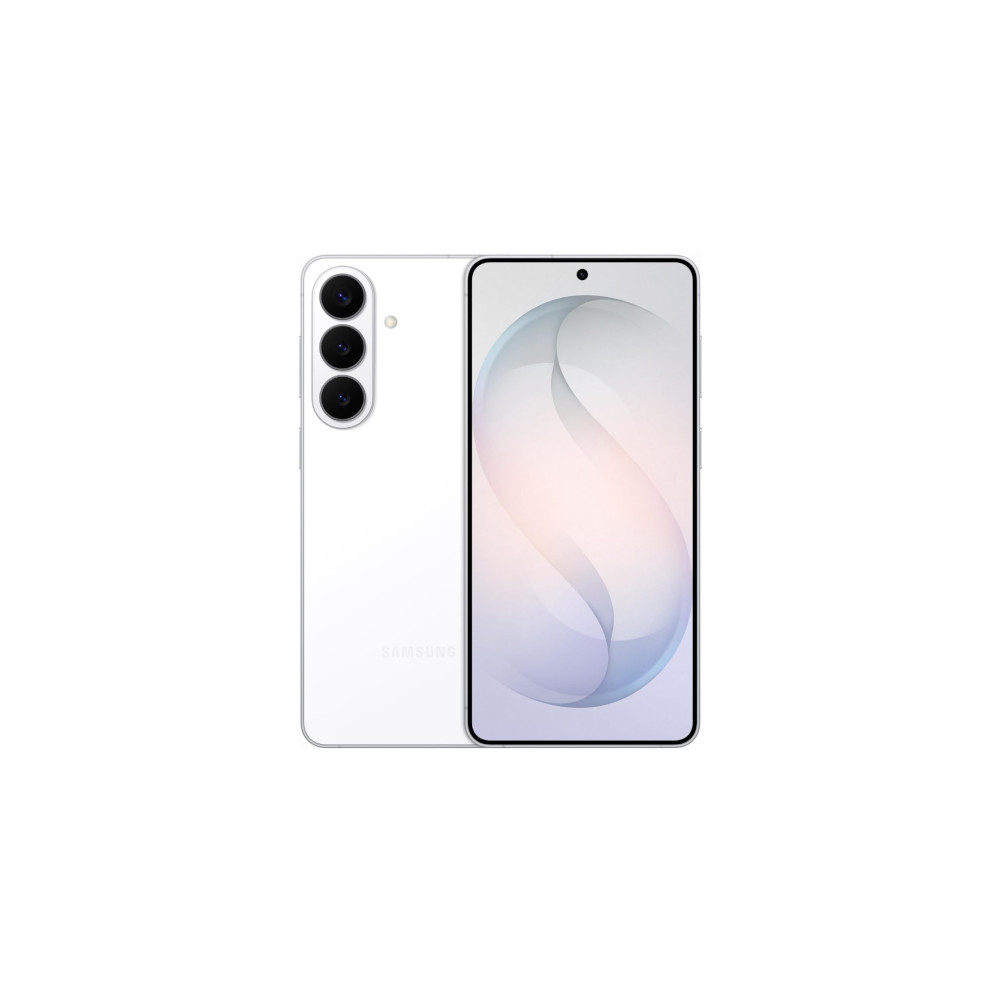
Samsung Galaxy S26

If the Galaxy S26 Plus feels a little too big, the regular Galaxy S26 might be right up your alley. I’ve always had a soft spot for compact phones, and the S26 is a great reminder of why. It carries the same clean, premium design as its bigger sibling, just in a much more manageable size. It still looks and feels like a flagship Samsung phone, and thankfully, that smaller body doesn’t mean you’re giving up much in performance.
This little phone has plenty of power to spare.
The Galaxy S26 packs the same Snapdragon 8 Elite Gen 5 chipset as the Plus and the Ultra, and after using it extensively, I can tell you this little phone has plenty of power to spare. I’ve played demanding games like Genshin Impact, recorded 4K videos, run benchmarks, and jumped between apps throughout the day. Not once did I wish it were faster or feel like it was struggling to keep up. And frankly, that’s exactly the kind of experience I’d expect from a phone that costs a whopping $1,000.

But performance isn’t even my favorite thing about the S26. It’s how effortlessly the phone fits into my everyday life. I can comfortably use it with one hand, reach most parts of the screen without awkward finger gymnastics, and slip it into pretty much anything.
Whether it’s my backpack, one of my bags, or even my jeans pocket, the S26 just fits without a fuss. It’s such a small thing, but after using so many enormous phones, I’ve come to appreciate it more than ever.
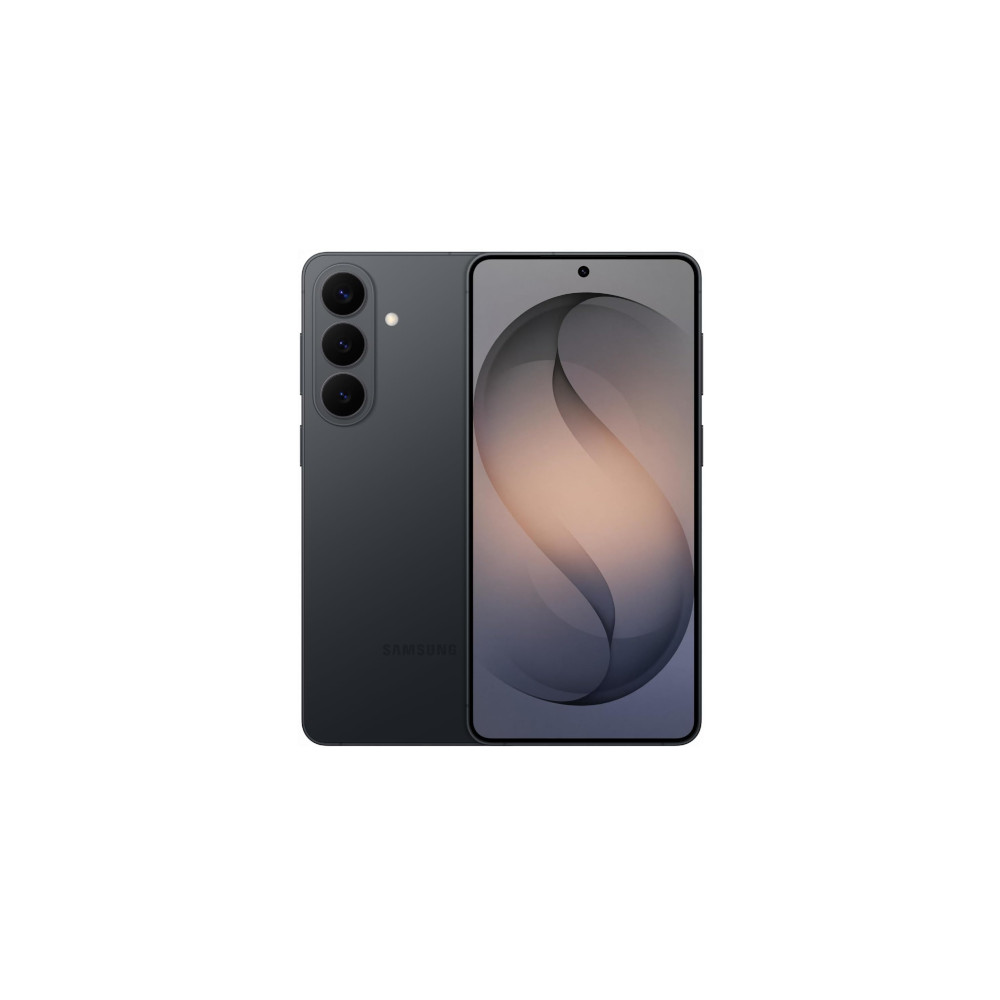
Google Pixel 11 Pro

The Google Pixel 11 Pro is a very different kind of alternative to the OnePlus 16. It isn’t trying to win you over with the most powerful processor or the biggest battery. Instead, its software experience and cameras make this phone so appealing to me.
So, if those two things matter more to you than raw performance, I’d argue that the Pixel 11 Pro is an even better choice. Google’s software feels incredibly smooth, Gemini is deeply integrated into the experience, and you get all of this in a compact body that’s just as easy to handle as the Galaxy S26. That’s already a big win in my books.
Under the hood, the Pixel 11 Pro runs on Google’s latest Tensor G6 chipset. Now, I’ve never been the biggest fan of Tensor processors, especially when it comes to sustained performance and heating. But it wouldn’t be fair to overlook how well the Pixel 11 Pro has actually worked for me. Apps open quickly, multitasking is smooth, and everything from browsing to switching between different apps feels effortless.
It does tend to warm up when I use it outdoors, especially in bright sunlight, so it’s not perfect. And while I wouldn’t put its performance in the same league as what the OnePlus 16 is expected to deliver, or even the Galaxy S26, I haven’t found everyday performance to be a reason to avoid it.
Where the Pixel 11 Pro really wins me over, though, is with its cameras. I love how naturally it captures the world around me. The colors look close to what I’m actually seeing, without making everything unnecessarily vibrant or dramatic. Google’s computational photography makes the results even better, and when a photo doesn’t turn out quite how I imagined, I can always fall back on its AI editing tools.

There’s also a fun little design detail worth mentioning. The OnePlus 16 is rumored to feature a new Interstellar Lighting Effect, which sounds like a bolder take on the Pixel’s HiLight feature. Personally, I prefer Google’s more subtle implementation. It adds a little character without taking away from that clean, premium look I’ve come to appreciate.
At $1,099 for the base 256GB variant, the Pixel 11 Pro certainly isn’t cheap. It costs more than the Galaxy S26, but you’re also getting Google’s Pro-level camera experience, great software features, and some useful AI features.
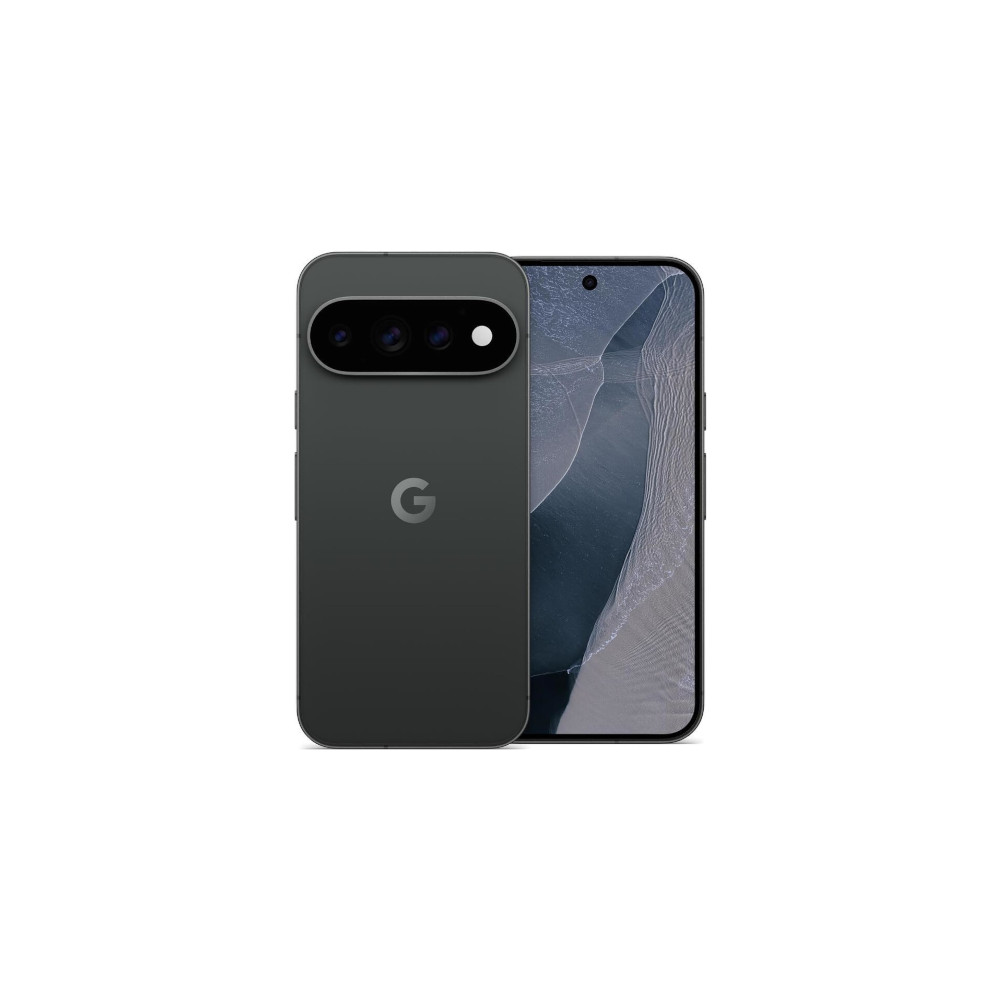
Nothing Phone 3

So far, almost every phone I’ve mentioned has played it pretty safe with its design. Even the OnePlus 16 seems to be sticking to that clean, minimal look. But what if you want something completely different? That’s where the Nothing Phone 3 comes in. I’ve always liked how Nothing isn’t afraid to experiment with its phones, and the Phone 3 takes that approach even further. The transparent back, combined with the quirky Glyph Matrix, gives it a personality that’s hard to find on most Android flagships today.
But the Nothing Phone 3 has more to it than its unusual looks. Nothing has made some welcome improvements this time around, including better cameras, faster wired charging, and official US carrier support. You also get that distinctive Nothing OS experience, which ties everything together rather nicely. It still makes a few compromises compared to more expensive flagships, particularly with the processor and some of the materials used.
I would've loved to see something more powerful, especially at this price.
Yes, the Snapdragon 8s Gen 4 isn’t exactly the processor I’d expect to find in a phone trying to compete with the best Android flagships. I would’ve loved to see something more powerful, especially at this price. But here’s the thing: in my everyday usage, I didn’t find myself constantly thinking about the chipset. The phone handled my usual tasks well enough, and while I wouldn’t call it a performance powerhouse, it didn’t leave me particularly disappointed either.

At $800 for the 12GB RAM and 256GB storage variant, the Nothing Phone 3 makes a pretty interesting case for itself. It won’t challenge the OnePlus 16 in raw performance, but that’s not really why I’d recommend it in the first place. If you’re tired of Android phones looking and feeling almost identical and want something with a little more character without sacrificing a good everyday experience, the Nothing Phone 3 is absolutely worth considering.

Motorola Razr (2026)

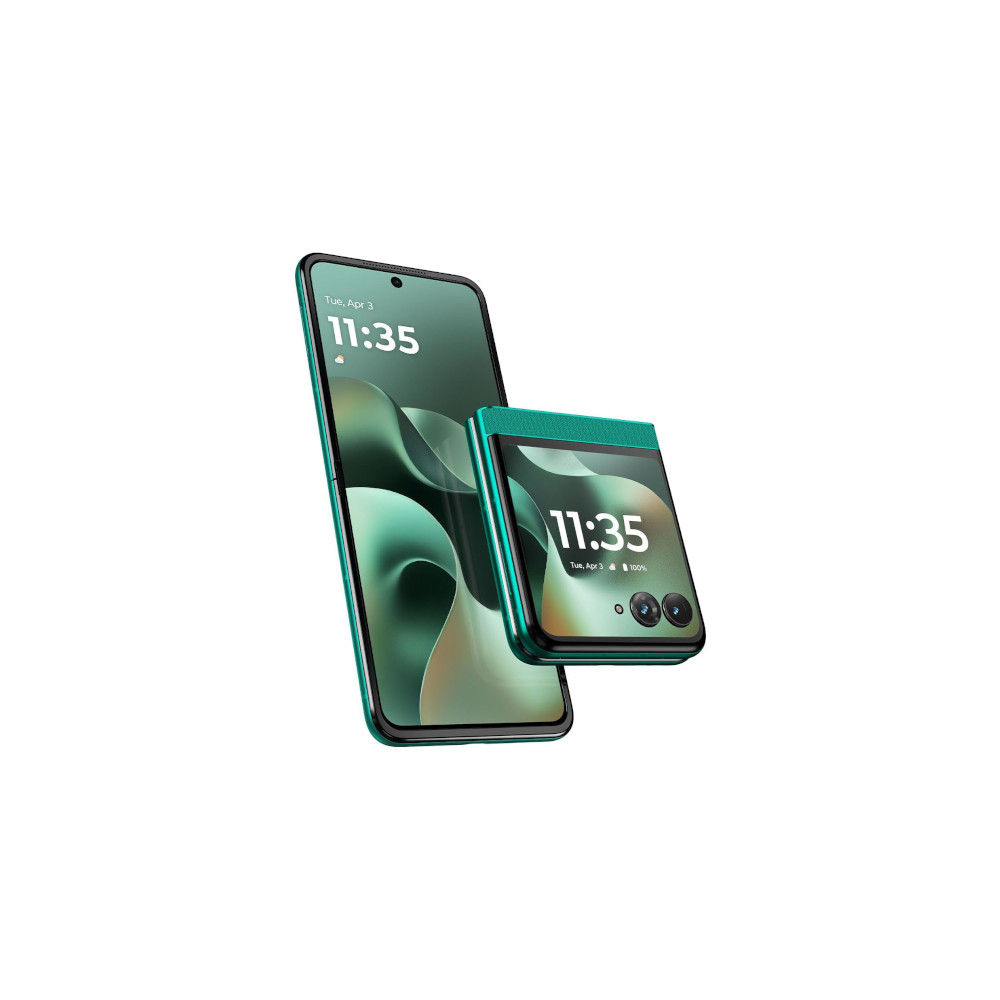
For the same $800 you’d spend on the Nothing Phone 3, you could get something a little more exciting: a phone that actually folds in half. I’m talking about the Motorola Razr (2026), and honestly, the fact that it’s a foldable is one of the biggest reasons I’d recommend it over the OnePlus 16. It’s also more affordable than the Razr Ultra and Samsung’s Galaxy Z Flip 8, making it a pretty tempting entry point into the world of flip phones. And you get a lot for your money, including a sleek design, responsive performance, impressive battery life, and capable cameras.
Of course, the Razr isn’t without its compromises. I’d have liked longer software support and faster wired charging, especially given what some regular smartphones offer at this price. But Motorola also has to leave some room between the standard Razr and the more expensive Razr Ultra. And despite those shortcomings, plenty about this phone still makes me want to recommend it.

My favorite thing about the Razr is just how convenient it is to use. Folded shut, it’s small enough to slip into a pocket or a bag without taking up much room. But what makes it even more useful is that cover screen. Sure, it doesn’t stretch across the entire front like the one on the Razr Ultra, and there’s a noticeable section that isn’t part of the display. But I can still check notifications, reply to messages, and handle plenty of tasks without opening the phone.
My favorite thing about the Razr is just how convenient it is to use.
And when I do flip it open, the experience is pretty good, too. The Dimensity 7450 chipset handles multitasking comfortably, while the dual 50MP cameras can capture sharp, colorful photos. No, it won’t come close to the OnePlus 16’s expected performance, but I don’t think it needs to. The Razr offers something the OnePlus just can’t: the convenience of a compact phone that unfolds into a full-sized smartphone.
That’s really what makes the Motorola Razr (2026) worth considering. So, if you’re willing to trade some raw performance for a completely different smartphone experience, I’d happily recommend it.
Thank you for being part of our community. Read our Comment Policy before posting.