Affiliate links on Android Authority may earn us a commission. Learn more.
I compared the Motorola Razr Fold and Pixel 10 Pro Fold — and Google is in trouble
May 1, 2026 — 5:00 AM ET
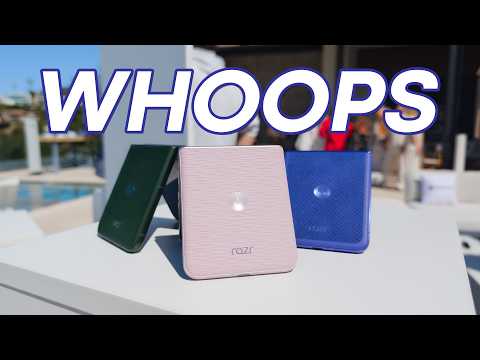


It’s fair to think that foldables haven’t gone mainstream despite being around for close to a decade now. However, the foldable market is only warming up and is poised for its own big moment. As new players continue to join incumbents like Samsung and Google (even Apple is rumored to launch its own foldable this year), Motorola has finally launched its first book-style foldable after being exclusively married to the flip form factor for years.
The Motorola Razr Fold may be the last to the party, but it’s got so much going for itself that it can give the Pixel 10 Pro Fold a serious run for its money.
Which foldable would you pick?
It’s the weakest Pixel

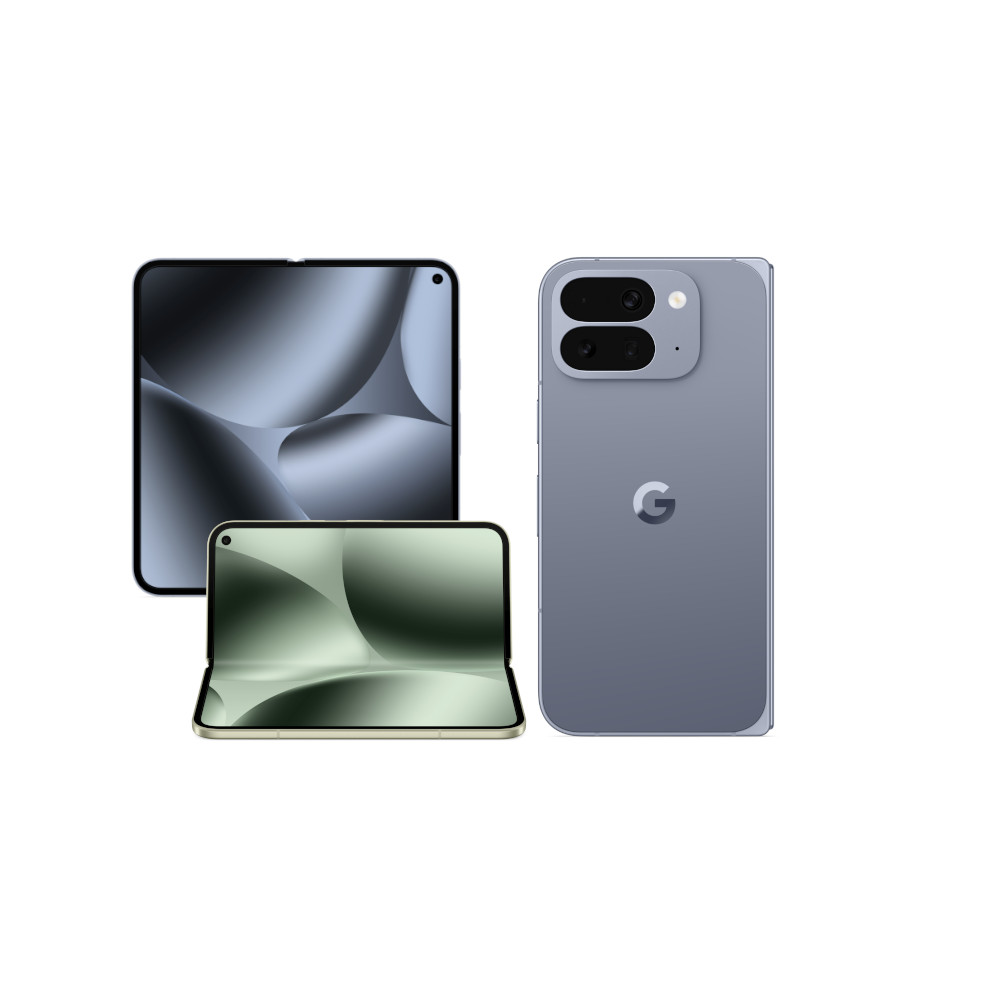
Among the entire Pixel 10 lineup, the Pixel 10 Pro Fold is perhaps the only model you should steer clear of, especially given its asking price of close to $2,000. Sure, Google has refined its hardware over a couple of generations and introduced some interesting industry-first features, like an IP68 rating, while also better adapting the Pixel software to the big foldable screen. But it doesn’t come without compromises — and there are a lot of them.
For starters, it uses the same Tensor G5 processor as the other Pixel 10 phones. It’s acceptable if you’re spending under $800, but for a phone that’s close to a couple of grand, it’s a big compromise I wouldn’t want to make. Moreover, compared to its direct competitor, the Galaxy Z Fold 7, the Pixel feels unnecessarily weighty and thick, as if you’re not quite getting your money’s worth in terms of premiumness.
The Pixel 10 Pro Fold is less of a foldable and more of two compromised mid-rangers soldered together from the middle.
Its weaknesses don’t end here. Pixel phones are renowned for their camera capabilities, and you’d expect the most premium model to offer the best of the best. Sadly, that’s not true. The Pixel 10 Pro Fold’s camera setup is mediocre at best and leaves a bad taste after some use — especially compared to other Pixel handsets. It’s less of a foldable and more of two compromised mid-rangers soldered together from the middle.
The Motorola Razr Fold doesn’t look first-gen
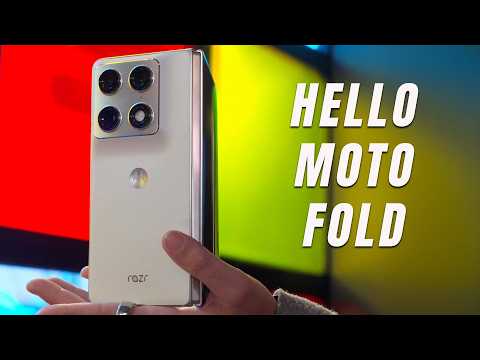
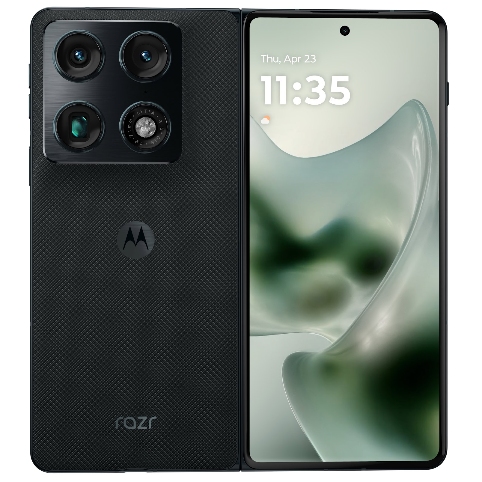
Motorola sure has experience making flip phones, but the Razr Fold is still its first proper book-style foldable — and yet it seems to have gotten a lot right. While we still haven’t tested the cameras, it already beats the Pixel on paper. All three rear-facing cameras on the Razr Fold are 50MP, and a high DXOMark score also supports it. In comparison, the Pixel 10 Pro Fold uses more basic 10MP telephoto and ultra-wide lenses. When you’re spending this much, you’d want every single one of those megapixels slapped onto your phone’s back.
But beyond the basics, Motorola has taken a solid step in making the foldable experience more unique. It has borrowed the best of other phones. For instance, it supports a stylus (sold separately), similar to the Galaxy Z Fold series, letting you annotate and write on the delicate foldable display without damaging it. From the iPhone, it borrows the desk display feature that shows your choice of basic information in tent mode. It also packs a bunch of other software tricks, like a laptop mode that lets you use the two halves of the inner screen like a tiny — albeit slightly cumbersome — laptop.
While it’s not the lightest on the market, the Motorola Razr Fold makes up for that by housing a massive 6,000mAh battery.
While it’s not the lightest on the market, the Motorola Razr Fold makes up for that by housing a massive 6,000mAh battery — the Pixel has a 5,000mAh cell, if you’re keeping track. That’s with a liquid cooling system built in, while still retaining wireless charging.
This feels like the OnePlus moment

OnePlus has made only a single foldable phone so far, and it’s been my absolute favorite, simply because of how thoughtful its hardware and software felt — not just for a first-generation product. It feels like I can put the Motorola Razr Fold in the same category because of how well-rounded it looks for a first attempt.
Motorola doesn’t just seem to have gotten the basics right; it has gone above and beyond with more premium features like stylus support, the very kind of perks you expect from a high-end phone. I just hope it turns out as good as it looks on paper, because I still have a few reservations.
Don’t want to miss the best from Android Authority?
- Set us as a favorite source in Google Discover to never miss our latest exclusive reports, expert analysis, and much more.
- You can also set us as a preferred source in Google Search by clicking the button below.


It’s a $2,000 question

Despite its shortcomings, the Pixel 10 Pro Fold holds its ground in one area: software support. It will be the first to receive the newest Android versions and Pixel Feature Drops for years to come. You can’t say the same about Motorola, despite its promise of seven years of updates. Secondly, the Razr Fold has a lower IP rating of IP48/49. While its water resistance is solid, it’s not as dust-resistant as the Pixel, which is crucial for foldables with delicate moving parts in their spine.
But more importantly, my biggest concern with the Razr Fold is its $1,900 starting price. The kind of premium Motorola is charging might make people think twice. If I were in the market for a foldable and holding $2,000 in cash, I’d probably lean toward a more reliable brand, and in this case, that’s Samsung. Within a few months, Apple’s foldable is also expected to drop, so Motorola has a small window to carve out space in the market.
But considering what it brings to the table, it really deserves that space.
Periscope zoom
Stylus support
Multitasking
IP68 rating
6.4-inch outer and 8-inch inner displays
Thank you for being part of our community. Read our Comment Policy before posting.