Affiliate links on Android Authority may earn us a commission. Learn more.
Do Pixel 11 phones have silicon-carbon batteries? Here's what Google says.
Aug 12, 2026 — 10:00 AM ET



- Google has confirmed that the newly launched Pixel 11 phones don’t have silicon-carbon batteries.
- The company told Android Authority that it continuously explores and qualifies “emerging technologies.”
- This comes less than a month after Samsung debuted its first phones with the battery tech.
Samsung and Google were two notable holdouts when it came to embracing silicon-carbon batteries. However, Samsung’s latest foldable phones are the first Galaxy devices to offer this technology. Google has just unveiled the Pixel 11 series, so should we expect the new tech here as well?
Unfortunately, Google told Android Authority that the Pixel 11 phones don’t have silicon-carbon batteries:
Pixel 11 series phones contain 100% recycled lithium in the battery cell. They do not use silicon-carbon batteries. They are built to deliver exceptional reliability, offering 30+ hours of battery life. Our focus is always on the overall user experience, and we continuously explore and qualify emerging technologies to build the best possible experience for our users.
In other words, the Pixel 11 devices use conventional lithium-ion batteries. That’s a shame, as silicon-carbon batteries offer greater energy density. This means you can get increased capacity for the same physical battery size or the same capacity in a physically smaller battery. For example, the Samsung Galaxy Z Fold 8 Ultra is marginally thinner than the Galaxy Z Fold 7, but has a 5,000mAh silicon-carbon battery versus the older model’s 4,400mAh lithium-ion design.
It’s also interesting to see Google describing this new battery solution as an “emerging” technology. Samsung used this same language when it explained why the Galaxy S25 Edge didn’t have a silicon-carbon battery. Of course, the first phones with this technology arrived in 2024, so they’ve been around for a while now.
Do you care that the Pixel 11 phones lack silicon-carbon batteries?
To be fair, silicon-carbon batteries are more prone to battery expansion and don’t tend to have the same battery health as the best lithium-ion batteries. Smartphone makers address the former by using a small amount of silicon in their batteries, while also developing internal structures to limit expansion.
Manufacturers have also slowly improved the long-term health of these new batteries. In fact, the best silicon-carbon batteries offer better long-term health than Google’s Pixel phones. Google promises just 1,000 charging cycles before reaching 80% effective capacity. By contrast, Samsung’s new foldables offer 1,200 cycles and the Xiaomi 17 promises 1,600 cycles. It’s also worth noting that some older Pixel-A phones suffered from major battery defects, so it might not be the best idea for Google to hop aboard the silicon-carbon bandwagon if it recently had problems with conventional lithium-ion batteries.
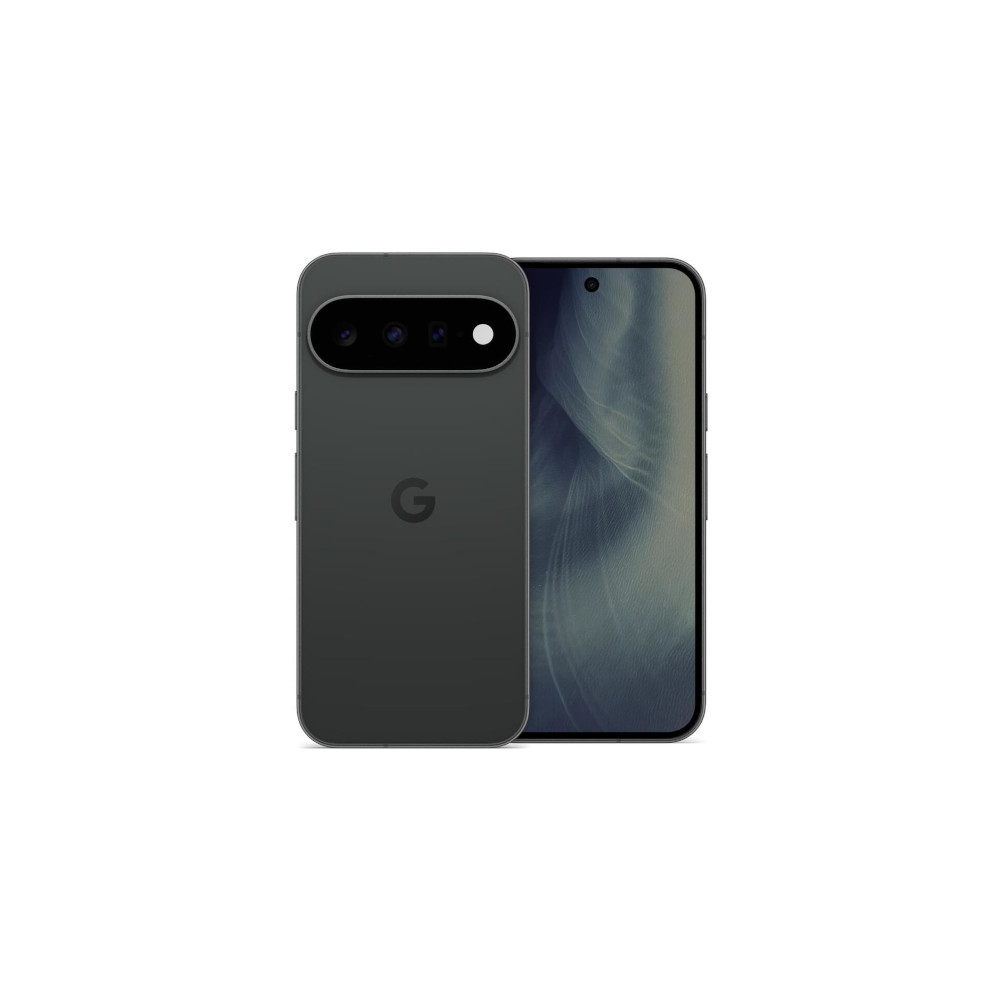
25W Pixelsnap magnetic charging
Larger 48MP main camera sensor
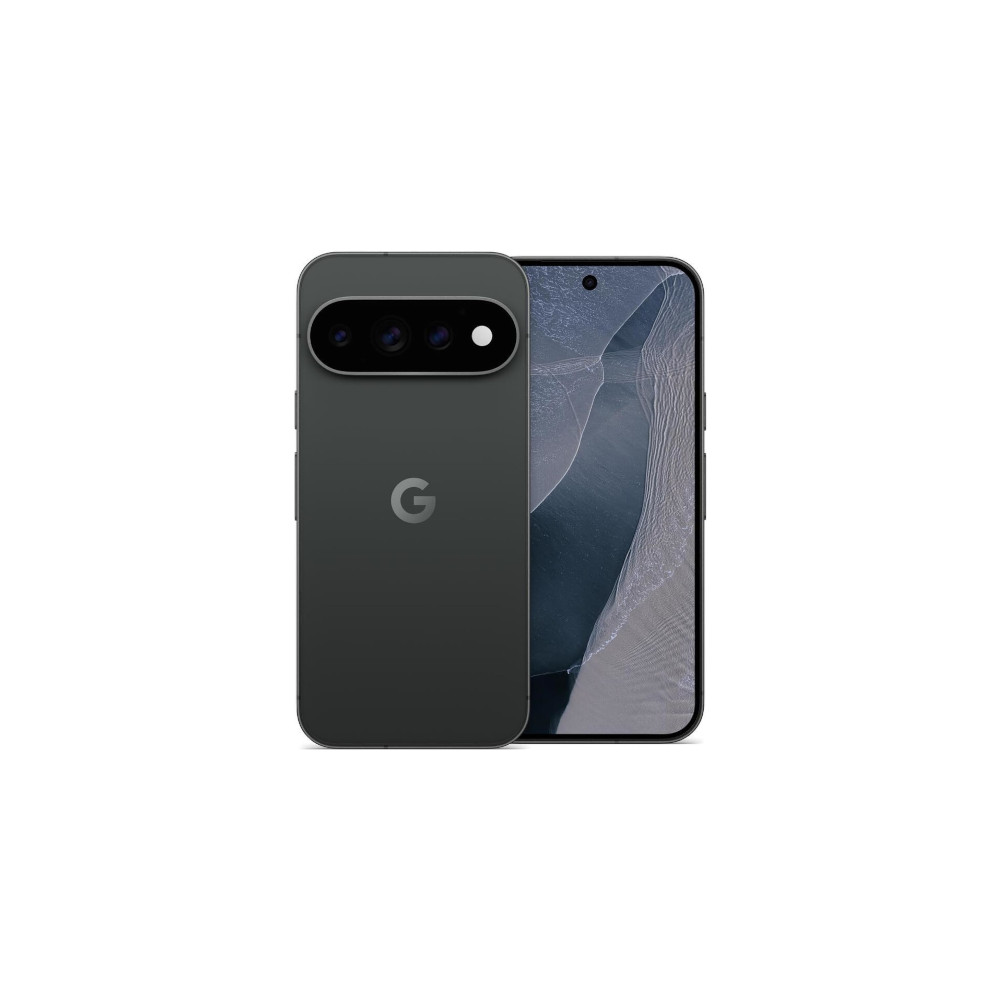
7 years of Android updates
Built-in magnets with Qi 2.2
7 years of Android updates
Built-in magnets with Qi 2.2
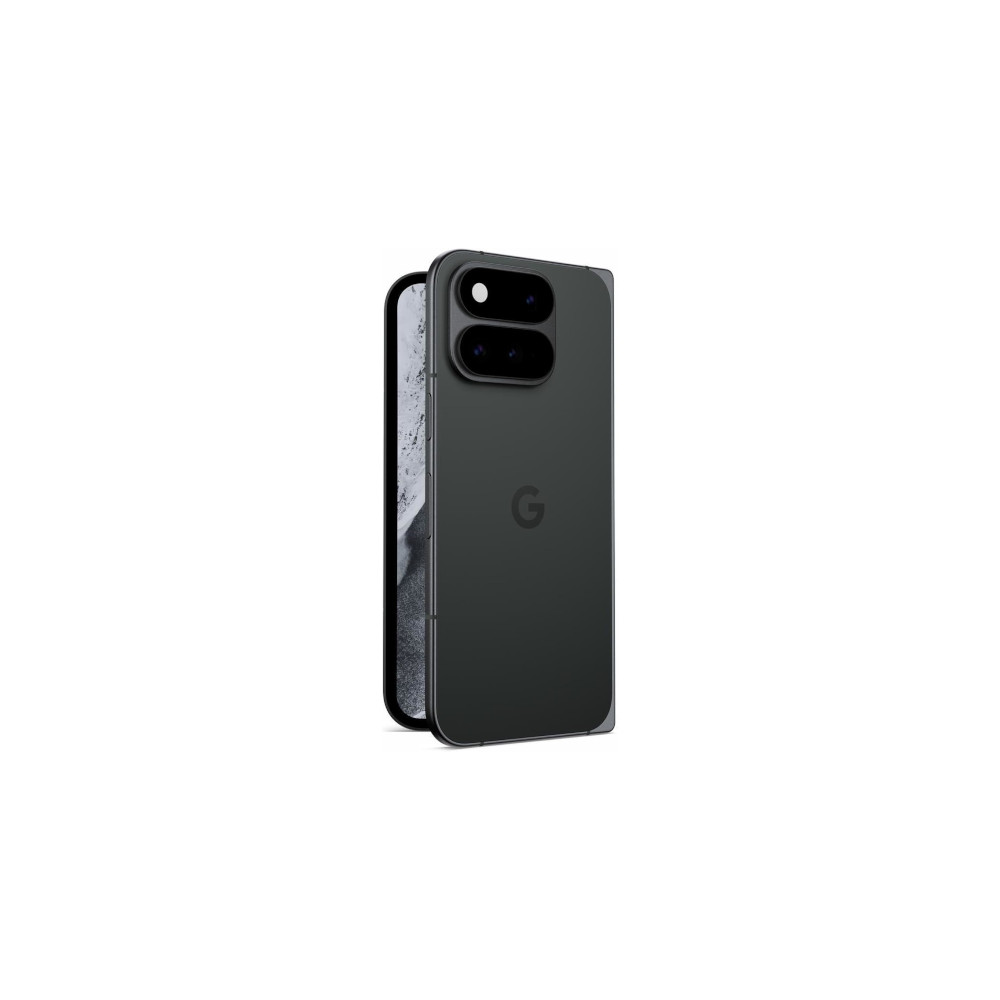
Strong multitasking potential
Useful Gemini features
Thank you for being part of our community. Read our Comment Policy before posting.