Affiliate links on Android Authority may earn us a commission. Learn more.
Pixel 11 Pro XL vs. Galaxy S26 Ultra: There's only one I'd spend my money on
Aug 14, 2026 — 6:00 AM ET
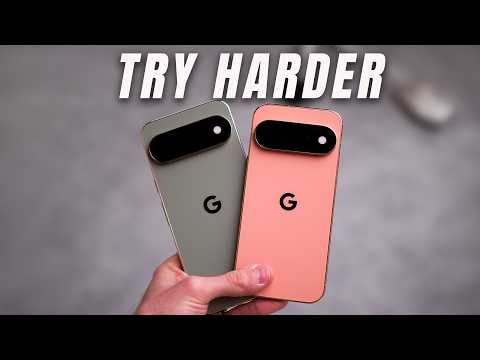

The Samsung Galaxy S26 Ultra arrived earlier this year to a much more positive reception than its predecessor. Not only is the new flagship thinner than ever, but it has faster charging, camera improvements, and more. Of course, the smartphone market doesn’t stand still. The Google Pixel 11 Pro XL has formally arrived, offering a natural alternative to Samsung’s flagship.
Pixel 11 Pro XL vs Galaxy S26 Ultra: Which would you pick?
So, which smartphone should you choose? The answer will vary depending on who you ask, but I’d personally pick the Pixel 11 Pro XL for a variety of reasons.
| Galaxy S26 Ultra | Pixel 11 Pro XL | |
|---|---|---|
Display | Galaxy S26 Ultra 6.9-inch, Dynamic AMOLED 2X, 3,120 x 1,440 pixels, 120 Hz Up to 1,600 nits peak brightness | Pixel 11 Pro XL 6.8-inch Super Actua display (1-120Hz) 1,344 x 2,992 Up to 2,400 nits (HDR) and up to 3,600 nits (peak brightness) |
Processor | Galaxy S26 Ultra Qualcomm Snapdragon 8 Elite Gen 5 for Galaxy (3nm) | Pixel 11 Pro XL Google Tensor G6 Titan M3 security coprocessor |
RAM | Galaxy S26 Ultra 12GB | Pixel 11 Pro XL 12/16GB |
Storage | Galaxy S26 Ultra 256 GB / 512GB / 1TB | Pixel 11 Pro XL 256 GB / 512 GB with Zoned UFS / 1 TB with Zoned UFS |
Battery & Charging | Galaxy S26 Ultra 5,000mAh 60W wired charging (Super Fast Charging 3.0) 25W wireless charging (Super Fast Wireless Charging) Wireless PowerShare | Pixel 11 Pro XL 5115mAh 45W wired charging Pixelsnap wireless charging (Qi2.2-certified) up to 25W |
Cameras (Rear) | Galaxy S26 Ultra Primary: 200MP wide-angle, f/1.4, 24mm, 1/1.3-inch, 0.6µm, multidirectional PDAF, OIS Ultrawide: 50MP ultrawide angle, f/1.9, 120° FoV, 1/2.5-inch, 0.7µm, Dual-Pixel PDAF, Super Steady Video Telephoto 1: 10MP telephoto, f/2.4, 1/3.94-inch, PDAF, OIS, 3x optical zoom Telephoto 2: 50MP, f/2.9, 111mm, 1/2.52-inch, 0.7µm, PDAF, OIS, 5x optical zoom | Pixel 11 Pro XL Primary: 50MP wide (Octa PD, f/1.68, 1/1.3-inch sensor size) Ultrawide: 48MP ultrawide (Quad PD, f/1.7, 123-degree field of view, 1/2.55-inch sensor size) Telephoto: 48MP 5x telephoto (Quad PD, f/2.8, 1/1.95-inch sensor size, 120x Pro Zoom) |
Cameras (Front) | Galaxy S26 Ultra 12MP wide angle, f/2.2, 26mm, 85° FoV, 1/3.2-inch, 1.12µm, dual-pixel PDAF, HDR | Pixel 11 Pro XL 42MP (Dual PD, f/2.2, 103-degree field of view) |
Dimensions | Galaxy S26 Ultra 163.6 x 78.1 x 7.9 mm | Pixel 11 Pro XL 162.6 x 76.2 x 7.62mm |
Weight | Galaxy S26 Ultra 214 grams | Pixel 11 Pro XL 226.7 grams |
Durability | Galaxy S26 Ultra IP68 Corning Gorilla Armor 2 (display) Armor Aluminum (frame) | Pixel 11 Pro XL IP68 Corning Gorilla Glass Victus 2 |
OS | Galaxy S26 Ultra One UI 8.5 based on Android 16 7 years of OS and security updates | Pixel 11 Pro XL Android 17 7 years of OS, security, and Pixel Drop updates |
Security | Galaxy S26 Ultra Ultrasonic fingerprint sensor Face recognition | Pixel 11 Pro XL Titan M3 security coprocessor Fingerprint Unlock Face Unlock (via selfie camera) |
Connectivity | Galaxy S26 Ultra 5G (Sub6 and mmWave), NFC, Wi-Fi 7, Bluetooth 6, UWB S Pen support | Pixel 11 Pro XL Wi-Fi 7 (802.11be) Bluetooth 6 UWB NFC Thread |
Colors | Galaxy S26 Ultra Cobalt Violet, Sky Blue, Black, White Samsung.com exclusive: Silver Shadow, Pink Gold | Pixel 11 Pro XL Canyon, Fog, Obsidian (matte), Olive |
Both offer camera improvements, but Pixel is more tempting

This year’s Galaxy S26 Ultra camera configuration once again offers four cameras. It also sticks to the same sensor size and megapixel count as its predecessor across every lens, but that doesn’t mean there aren’t any changes. On the hardware end, the maximum aperture has been improved on its primary and 5x telephoto cameras, which allows greater light capture. There are also plenty of software-side changes, including new features like advanced AI-driven creator tools.
The Pixel 11 Pro XL offers a lower megapixel count on its main sensor when compared to the Galaxy S26 Ultra, but don’t let that fool you. The Pixel 11 Pro XL’s main camera might still just be 50MP, but Google has already shown how much it can do with a modest pixel count, and there’s even a new 1/1.3-inch sensor this time around. There are also a few improvements to the telephoto camera, including a 1/1.95-inch periscope lens with upgrades like 5x native zoom, 10x optical quality zoom, and 120x Pro Zoom.

To be honest, neither camera package is a massive leap forward, but I tend to prefer the way the Pixel handles photography. Samsung doesn’t have the red and green issues it once did, but I still feel like pictures are a tad too oversaturated for my taste. I also find that Google’s camera app and features tend to suit me better. While we’ve yet to see full photography comparisons, it’s safe to say the Pixel 11 series offers one of the strongest camera experiences in the smartphone world, and it will all come down to individual preference.
The Pixel 11 Pro XL shines brighter, literally

The Galaxy S26 Ultra already had a great display that’s fairly easy to see in all but the most intense light. That’s nothing compared to the Pixel 11 Pro XL, though. Google’s display is capable of an impressive 3,600 nits, a boost of 1,000 nits compared to Samsung’s high-end flagship.
While the Galaxy S26 Ultra already had a fairly bright display, Google takes things a step further.
Now, the difference in brightness probably won’t matter for everyone, but it’s great for outdoorsy types. I love to kayak, hike, and cycle outdoors, and most of the time I find that my Galaxy S24 is more than readable enough, even in direct sunlight. That said, I have to max it out, and I still struggle a little to read it from time to time.
My Galaxy S24 offers the same brightness levels as the Galaxy S26 Ultra, so I’d expect mostly the same performance here. With that in mind, I can imagine the Pixel 11 Pro XL’s extra thousand nits can easily handle direct sun while still offering a solid viewing experience, though I can’t say as I’ve yet to get any hands-on time with the latest Pixel.
Day-one Android updates and a vision that’s more minimalist in nature

When it comes to software, Samsung and Google are polar opposites. Samsung’s One UI takes a “more is more” approach with a massive ecosystem of extra apps and features. Google favors a leaner, minimalist philosophy that better suits my personal taste, though it has consistently added value through frequent Pixel and Android feature drops.
As you’d expect, both the Pixel 11 Pro XL and Galaxy S26 Ultra introduce plenty of new software tricks — most notably leaning into AI, which we’ll explore shortly. Several new features impact the camera this year as well, such as a new Camera Looks mode that lets you tweak your own photo profile with modes like Original, Shadows, Natural, and Vanilla.
Beyond new features, the real divide is the update speed. Samsung is excellent at long-term support and bug fixes, but it can’t match Google’s turnaround time. The Galaxy S25 was the first non-Google phone to receive Android 16, but it was still roughly three months after the update came to every Pixel going back to the Pixel 6 family.
I prefer HiLight over Samsung’s Privacy Display

Google and Samsung both have at least one new major hardware feature this year that helps them stand out. For Samsung, it’s the Privacy Display. This hardware-level feature limits side viewing angles so that people next to you can’t see your screen. Google’s big new feature is the HiLight, located to the right of the three-camera configuration on the Pixel 11 Pro models.
The HiLight will glow in different patterns when prompting Gemini, and you can even use custom colors to distinguish between your Favorite Contacts. While this is a fairly humble feature in its current state, Google says that more capabilities will be added over time, including message notifications from favorite contacts and more.
Both Privacy Shield and HiLight are unique features that help each phone stand out, but Google's light bar is more interesting to me personally.
While the HiLight feature might not have tons of capabilities from day one, I think it has a lot of potential and reminds me of Nothing’s Glyph technology. I personally find the ability to distinguish contacts or get customized alerts way more useful than the Privacy Shield.
As someone who works from home and prefers to leave his phone behind for shorter outings anyhow, I feel like Samsung’s feature just doesn’t matter as much for my use case. I typically do my most sensitive tasks, like banking, when I’m in the privacy of my own home. So really, the only snoops I have to worry about are my kids. It’s just not an issue for me, even though I understand some users might feel the exact opposite about Privacy Shield’s utility compared to Google HiLight.
Google is leading in AI features, even if the race is close

As we’ve come to expect from Samsung, the Galaxy S26 Ultra adds plenty of its own AI features to the mix. There’s a new AI screen calling feature, AI-powered time-sensitive notification summaries, and a brand-new Creative Studio feature that replaces some of its older drawing and editing tools. You’ll also find Nudge, a new feature that can suggest calendar events or actions without opening separate apps.
All of this sounds pretty cool, but also pretty familiar. The reality is that Samsung is usually either partnering with Google for some of its cooler debut features, like Circle to Search on the Galaxy S24, or it’s a feature Google ends up offering eventually with more polish than Samsung’s attempt.
As you’d imagine, the Pixel 11 Pro XL is also loaded up with new AI goodies. Gemini Intelligence debuts here, which allows for more agentic capabilities, including proactively suggesting adding events to Calendar, saving venues to Google Maps, and other similar interactions.
One of the big additions here is Creator Suite. Despite a similar name to Creative Studio, this feature is focused on taking your videography experience to new heights. There’s an on-screen teleprompter that scrolls as you talk, a storyboard feature for trimming and rearranging clips, and you can even organize clips into various Project Folders.
There’s also a new Pro Stable Video feature that automatically activates in shaky, bright-lit environments. Furthermore, Google is bringing on-device video improvements, including more refined sharpening, noise, and detail rendering. Gemini Intelligence also sees a few new refinements, and the list goes on.
Honestly, you’ll find both phones pack some of the most sophisticated AI features out there, so it comes down to your preferred approach. For me, the two brands are close, but as I already mentioned, Google’s approach to software is more up my alley.
I’d pick the Pixel, but the Galaxy S26 Ultra is no slouch

The truth is that I often go back and forth between Samsung and Google for a reason. While I feel like Samsung’s hardware quality is more consistent, I truly prefer Pixel’s software approach and like the idea of getting software sooner rather than later. I also love the idea of being able to use beta versions of Android early, something you just can’t do with a Samsung.
Ultimately, Google is a better choice if you want a clean, minimalist experience that gets fast updates and is always on the edge of what a mobile can do software-side. On the other hand, the Galaxy S26 Ultra stands a cut above for those who prefer faster processing and a power-user experience and don’t mind a heavier-handed skin.
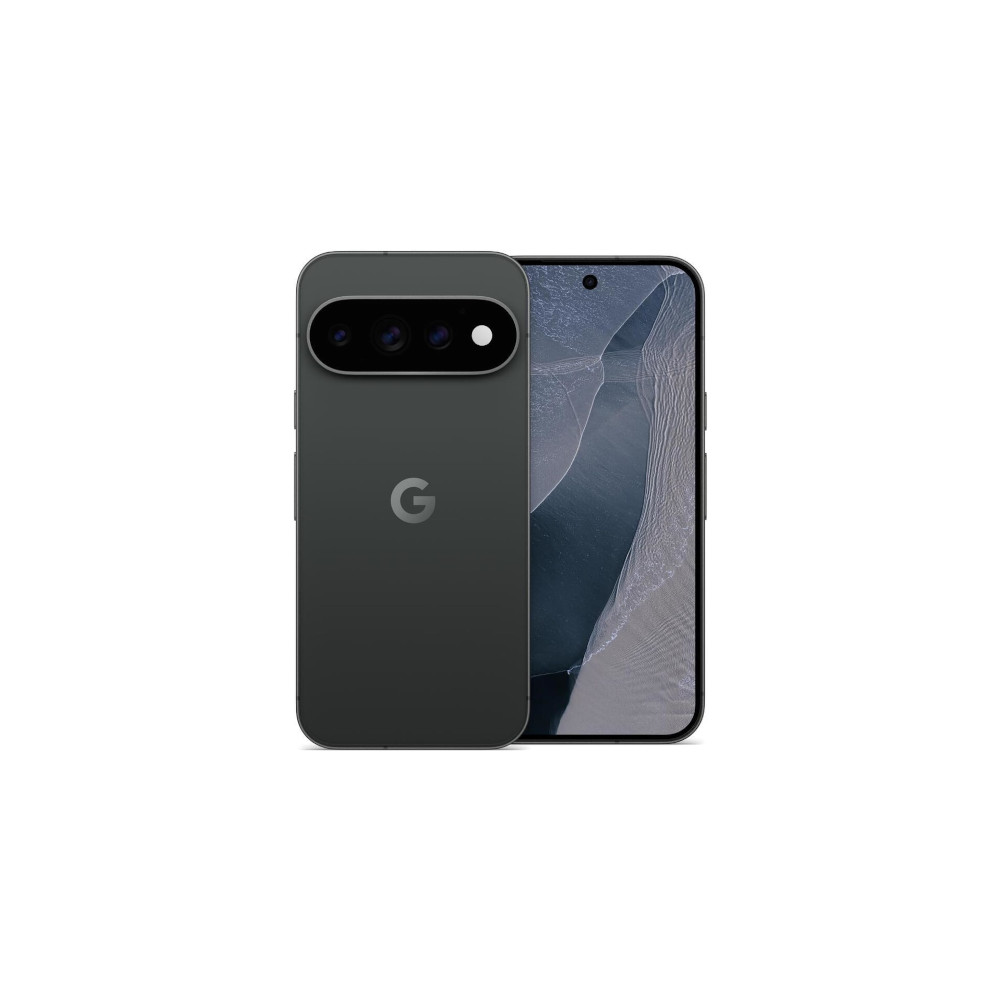
7 years of Android updates
Built-in magnets with Qi 2.2
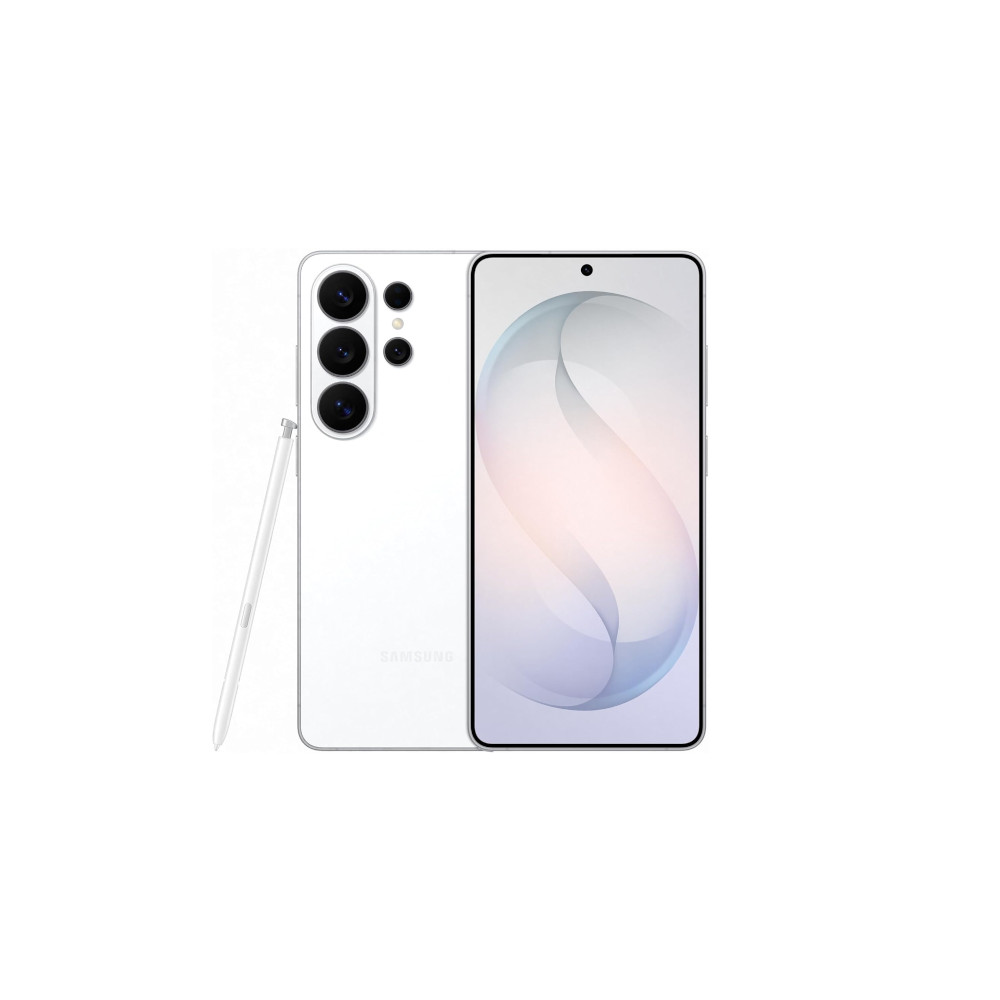
Snapdragon 8 Elite Gen 5 for Galaxy
Power AI features
Thank you for being part of our community. Read our Comment Policy before posting.