Affiliate links on Android Authority may earn us a commission. Learn more.
As a Motorola fan, the 2026 Razr lineup is a lazy and expensive mess
Apr 30, 2026 — 5:00 AM ET



As a Motorola fan and flip-phone believer, I should be ecstatic right now. Motorola just announced its 2026 family of Razr foldables, including brand new versions of the Razr, Razr Plus, and Razr Ultra.
But looking at the Razr (2026) series, I can’t help but feel disappointed.
Motorola has been at the forefront of flip-phone foldables for the last couple of years, but the company’s latest showing can only be described as lazy. These aren’t good successors, and if this is what Motorola thinks passes for flagship foldables in 2026, we might be in trouble.
Motorola Razr (2026) series: Hot or not?
The Razr (2026) series is Moto at its laziest
It doesn’t bring me any joy to describe an entire lineup of new Razr phones as “lazy,” but it really is the most fitting word for what Motorola is launching this year.
This is best exemplified by the Razr Ultra (2026) — the crème de la crème of Motorola’s Razr series. Looking at the Razr Ultra (2025) side by side with this new model, it doesn’t take long to realize these are effectively the same smartphone.
The Razr Ultra (2026) is effectively the same phone as the 2025 model.
Both the Razr Ultra (2026) and the Razr Ultra (2025) have the same display sizes (7-inch internal screen, 4-inch cover screen) and virtually unchanged specs, including the resolutions and refresh rates. The phones share the same primary, ultrawide, and selfie cameras. The dimensions and weight are practically identical, and Motorola is even sticking with the exact same Snapdragon 8 Elite — a chipset that will be two years old this October.
Motorola is touting new colors/finishes for the Razr Ultra (2026), along with a larger 5,000mAh battery (upgraded from 4,7000mAh) that uses a silicon-carbon design. And that’s … basically it.

Things are slightly better with the Razr Plus (2026), but not by much. The awkward 50MP 2x telephoto camera from the Razr Plus (2025) has been replaced with a much more useful 50MP ultrawide camera. The upgrade from a 4,000mAh battery to a 4,500mAh battery is welcome, too.
But that’s where the meaningful upgrades end. The inner and external displays, weight/dimensions, RAM, storage, primary camera, selfie camera, charging speeds, and the chipset are identical between the Razr Plus (2026) and the 2025 version. The chipset not changing is especially frustrating here, as the Snapdragon 8s Gen 3 is already over two years old and is a pared-down version of the Snapdragon 8 Gen 3 from October 2023.

The baseline Razr (2026) is arguably the most improved phone in the trio, featuring a slightly improved chipset, a higher-quality ultrawide camera, and a larger battery. But its other specs — including the primary camera, displays, design, and charging — remain largely the same as the Razr (2025).
And that’s not even mentioning areas where all three phones continue to lag behind the competition. In a world where other foldables like the Google Pixel 10 Pro Fold and HONOR Magic V6 offer IP68 ratings for full water submersion, it’s disappointing that Motorola still can’t move past IP48 for all of its new Razr phones.
Even more frustrating is Motorola’s continued disregard for long-term software update policies. The Razr (2026), Razr Plus (2026), and Razr Ultra (2026) are all promised only three years of major OS upgrades — severely behind the seven-year guarantee we see from Samsung and Google. This isn’t surprising given Motorola’s repeated failings with its software support, but the frustration builds the longer Motorola doesn’t improve.
Same specs, higher prices

Then we have the cherry on top of the Razr (2026) series: pricing. It would be one thing for Motorola to launch such disappointing upgrades at the same prices as last year’s models, but that’s not what’s happening. As has been the case with many smartphones released this year, the entire 2026 Razr lineup is more expensive.
The baseline Razr (2026) sees a $100 price hike compared to the Razr (2025), now starting at $800 instead of $700. That doesn’t seem too bad on the surface, considering the 2026 Razr actually has a new chip and new ultrawide camera, but Motorola has also quietly downgraded the storage — taking last year’s 256GB and decreasing it to 128GB.
$200 more for basically the same phone. Great job, Moto.
The Razr Plus (2026) is also $100 more expensive, starting at $1,100, compared to the $1,000 price tag of the Razr Plus (2025). Meanwhile, the Razr Ultra (2026) — despite seeing the least year-over-year change — has the steepest price hike. Compared to the $1,300 price of the Razr Ultra (2025), the Razr Ultra (2026) now starts at a whopping $1,500. $200 more for basically the same phone. Great job, Moto.
I appreciate that we’re in a challenging economic climate, but it’s still hard to feel good about any of this. I didn’t like it when Samsung pulled the same stunt with the Galaxy S26 lineup, and I don’t like it here either.
I don’t trust Motorola to turn things around

As someone who spent a lot of time with the 2024 Razr Plus, I have no doubt that these 2026 Razrs will be objectively good flip-phone foldables. Motorola has a strong foundation for this form factor, and you could very well argue that the company is smart not to change too much of a good thing.
However, when Motorola reuses two-year-old chipsets, keeps camera specs unchanged, and downgrades storage while charging $100 or $200 more, that’s when we have a problem.
The good news for Motorola is that the flip-phone market in the US is still lacking competition other than Samsung, and the current Galaxy Z Flip 7 isn’t perfect either. But with the Galaxy Z Flip 8 on the horizon — and early leaks suggesting at least one big design upgrade — Motorola could find itself losing the momentum and edge it’s had for the last few years.
I'd like to think Motorola could turn things around in 2027, but the company hasn't given me any reason to believe it will.
That’s not to say Motorola can’t regain that momentum, but I’m also not sure if I trust the company to do so. Outside of the Razr Ultra last year, the 2025 Razr lineup was already showing signs of stagnation — and that’s only been exacerbated with the 2026 handsets.
I’d like to think Motorola could turn things around in 2027, but the company hasn’t given me any reason to believe it will. More than anything, that’s what worries me the most.
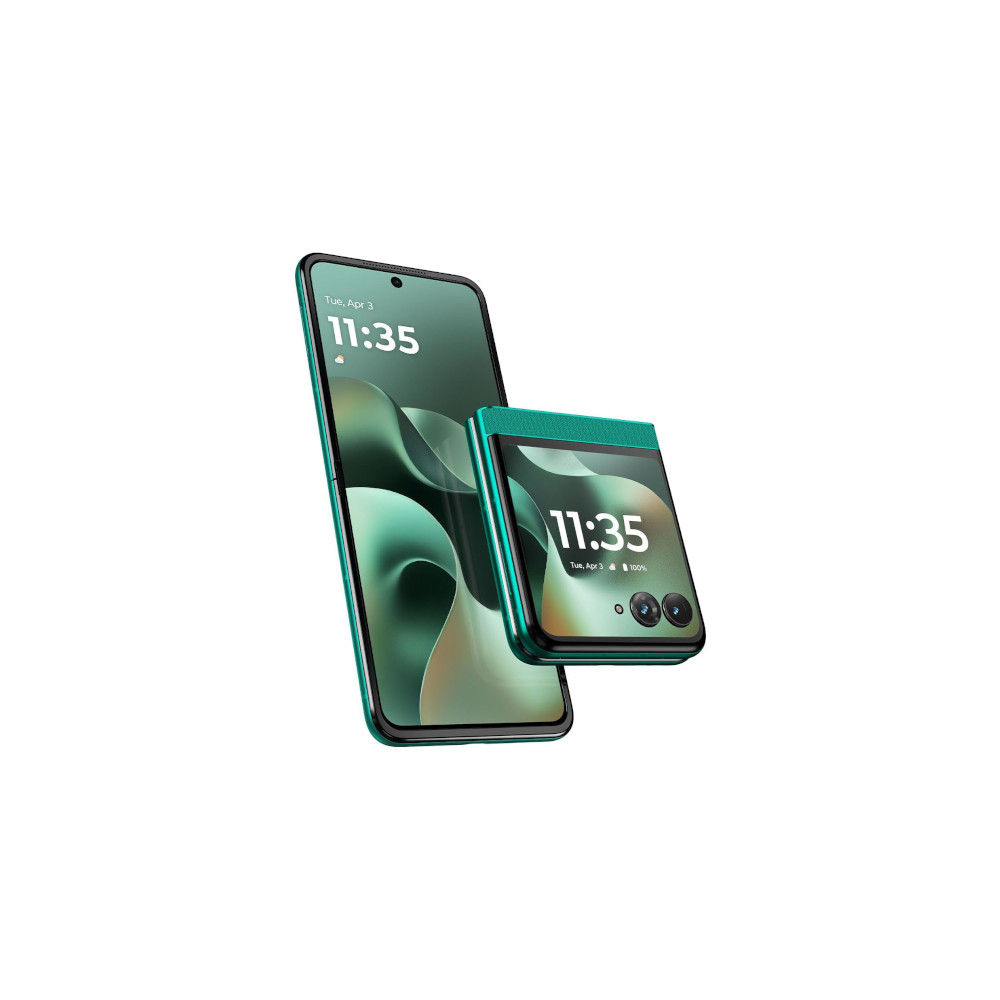
Durable build
All-day battery
Dual 50MP cameras
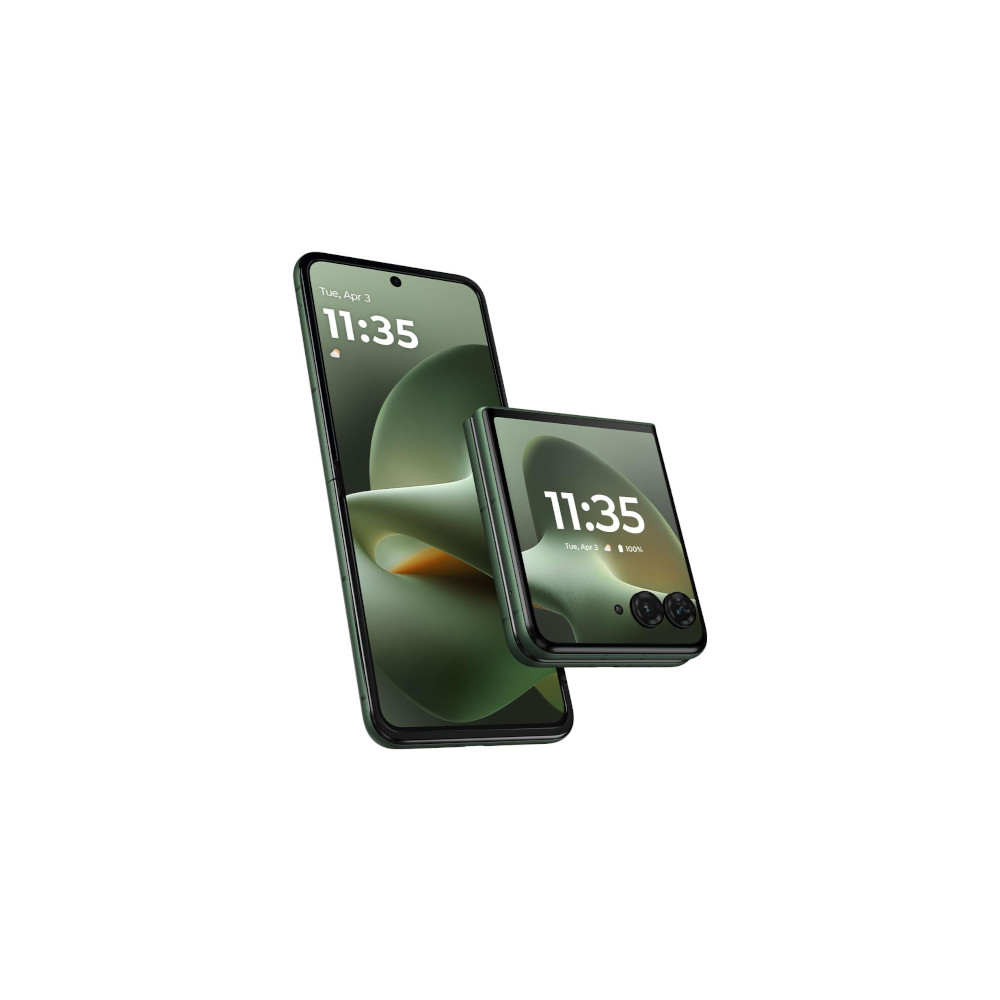
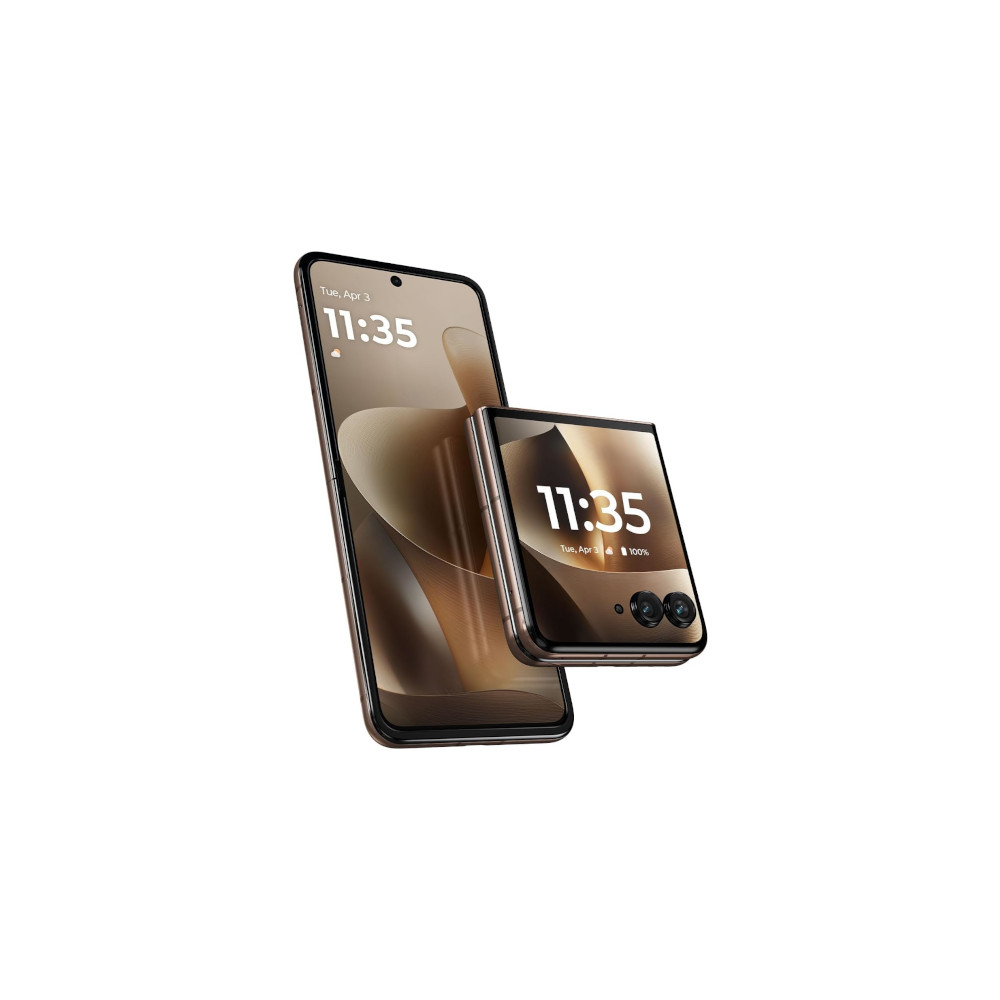
Triple 50MP cameras
Big battery
Fast charging
Don’t want to miss the best from Android Authority?
- Set us as a favorite source in Google Discover to never miss our latest exclusive reports, expert analysis, and much more.
- You can also set us as a preferred source in Google Search by clicking the button below.


Thank you for being part of our community. Read our Comment Policy before posting.