Affiliate links on Android Authority may earn us a commission. Learn more.
I tested the first phone with triple 200MP cameras — and resolution isn't the best part
Oct 14, 2026 — 4:00 AM ET



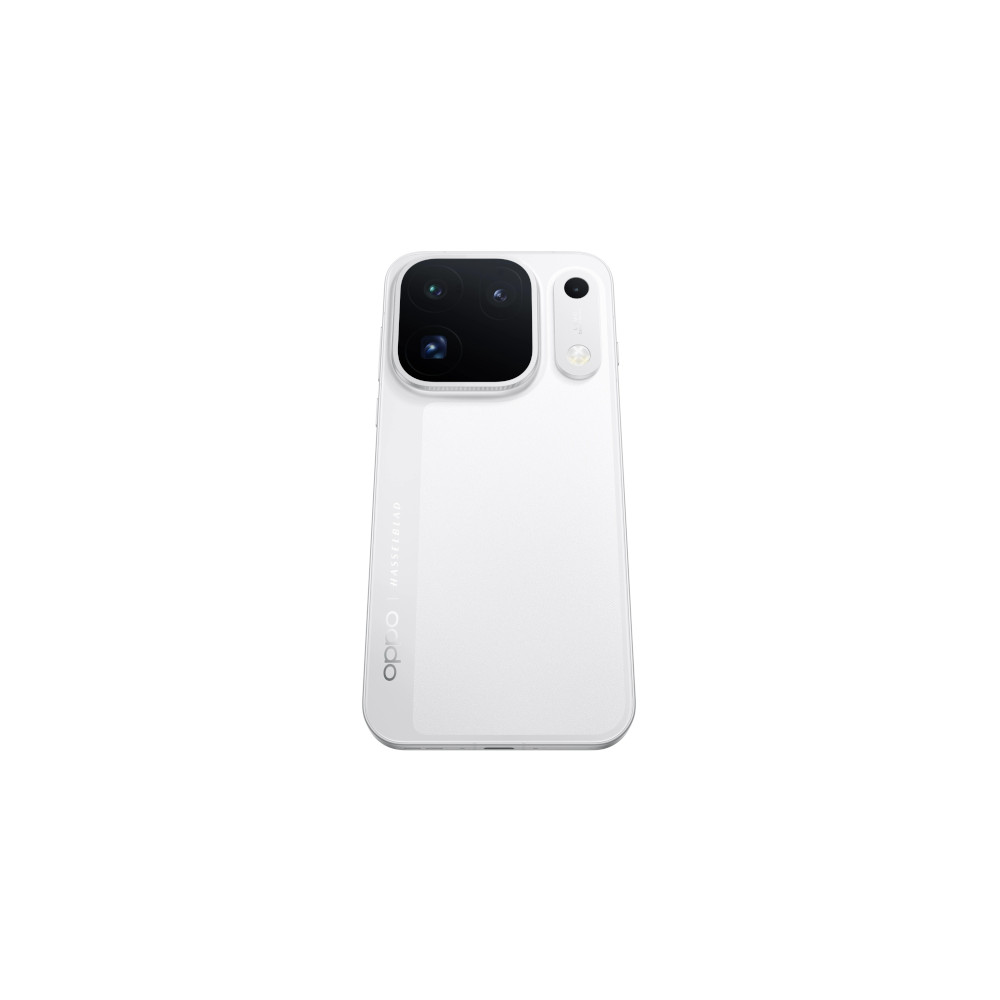
OPPO has quickly risen in my smartphone camera rankings, thanks to a solid blend of cutting-edge hardware and Hasselblad camera processing. This year’s OPPO Find X10 Pro Max ups the ante again with a triple 200-megapixel camera count — a first for the mobile industry. That said, the regular Find X10 sports a very capable, almost equally versatile triple-camera arrangement that you should keep an eye on as well.
But don’t let the huge megapixel count distract you; the Find X10 Pro Max is a play for an all-around great camera phone. The main benefit is sensor matching, ensuring very similar levels of light capture, noise, and HDR performance, regardless of which of the three lenses you use. In theory, there’s no more noticeable color shift or noise introduction when switching between ultrawide and zoom capabilities, making the triple camera much closer to functioning as a single package without compromise.
Speaking of which, this sensor choice also means that OPPO’s Pro Max supports 4K120 and 8K30 across all three sensors, a major win for budding videographers. If there’s an easy way to sum up why a large triple-camera array like this could be brilliant, it’s that it essentially ensures there’s no weak link, whether you’re stepping back or zooming all the way in.
We’ll talk more about specs when it’s time for the full review, but I already have plenty to dive into after just a couple of weeks with the OPPO Find X10 Pro Max. You can view the full-res images in this Google Drive folder.
Bigger snaps and more features
OPPO immediately puts its 200MP of data per camera to use by defaulting to 26 megapixel image captures across all three lenses. This is similar to Apple’s adoption of 24MP back with the iPhone 15 series, but with far more data backing the sensor and across far more lenses. It’s worth noting that OPPO’s LUMO engine also works on all this 16-bit imaging data for color, bokeh, and tone/lighting adjustment before compiling the final photo, so that huge megapixel count isn’t just being thrown away. The only time the camera array defaults to 12MP is for longer-range 10x-or-greater snaps, which are cropped from the telephoto sensor at 6x and 12x, respectively. As you’ve hopefully come to expect from OPPO’s high-end cameras, colors, HDR, and detail are all exceptional, and this year is no different.
12 megapixels is still technically as much as you’ll ever need for printing, even for a large wall print at 20 inches or more across. Still, the move to 26 megapixels theoretically means you can make your pictures even larger and/or ensure they look a bit crisper. It can also be handy to have this extra data for cropping and editing, without the huge file size of a 50MP RAW file, which comes in at around 60MB or more per shot using OPPO’s Master mode. Personally, I’ve long used HEIF (each 26MP image comes in somewhere under 6MB rather than 11MB) to keep my growing photo collection within the confines of my NAS hard drive, but you can switch back to 12MP via the camera app’s “standard” quality setting.
The switch to 26MP offers a smidgen more detail, but you’d be hard-pressed to tell unless you’re printing pictures for your wall. Take a look at the far-distant wall and some of the text in the side-by-side below. It’s certainly not twice the quality, but there’s a subtle difference in the very finest details and noise profile that makes the 26MP snaps look slightly better on close inspection.
Detail isn’t really the main improvement on offer from this triple 200MP system. The real benefit is an undeniable consistency between the cameras that other flagship phones so often lack. Although the primary camera technically has superior HDR features, both the ultrawide and telephoto make light work of shooting against bright backlights. There is no weak link in low light and no issues with color profiles or saturation when you switch between lenses.
Still, I do feel that 200 megapixels is somewhat wasted on the ultrawide camera. The lens distortion and wide field of view produce heavy smudging and a lack of focus on close inspection, and fine details look far less refined than the raw pixel count would suggest. Speaking of lenses, both the ultrawide and main lenses suffer from significant lens flare when shooting toward the sun. Arguably, OPPO would have been better addressing that issue than stuffing more megapixels into these cameras.
Making your pictures your own
Traditionally, Master has been the go-to mode for advanced photographers, and it’s still the preferred option for tweaking shutter speeds and ISO settings. However, OPPO’s new LUMO Color Palette filters are a great way to tweak your pictures even from the default shooting mode. As someone who still loves flicking through my Fuji mirror filters, these 18 built-in Hasselblad looks make it easier than ever to escape the monotony of that smartphone look.
The handy customization square at the bottom of the app (see the images above) makes it ultra-simple to further tweak these palettes to obtain the perfect tone and saturation for any given shot. The Portra Film and NH Film settings, combined with Weak soft lighting and a little less saturation, really make for some great, mirrorless-like snaps. Honestly, I could probably shoot with this setting open almost exclusively, and thankfully, OPPO preserves your last settings whenever you open the app. I just wish there was an option to save and restore your favorite presets, but you can edit them in post, so you don’t have to worry about nailing the perfect setting every time.
Obviously, filters aren’t a new feature in the camera space. Various brands, including OPPO, have had many of these same or similar options for generations now. However, LUMO’s easy customization, combined with standard and Master shooting modes, makes the Find X10 series one of the most powerful options on the market yet for making your photos your own.
Huge telephoto still rules the roost
The last couple of years have revolutionized my experience with smartphone cameras, largely due to the trend toward large, high-resolution telephoto cameras. Despite adopting larger 200MP sensors across the board this year, the Find X10 Pro Max’s telephoto camera remains my favorite lens to shoot with. In my rankings, it produces by far the best-looking pictures of all three rear cameras, owing to its natural bokeh and perfect focal length for cropping in. The versatility across portraits and short-range zoom, right up to lossless long-range shots at 12.6x, is everything I want from a high-end camera.
If there’s one blemish on my time shooting with the OPPO Find X10 Pro Max so far, it’s the phone’s AI Telescope Zoom feature. When taking pictures at 30x or beyond, the phone defaults to using AI to fill in missing details. A good idea on paper, but the reality doesn’t live up to the quality of the rest of the package.
While not as egregious as other AI modes I’ve tested, OPPO’s feature varies between being so incredibly subtle that it’s hard to notice at full frame and clearly AI-generated on closer inspection. The denoising efforts are overly aggressive, robbing images of their depth and natural grain. The results look like a combination of flat textures and fake accentuations. I don’t think many of us will take all that many pictures out at 30x or beyond, but if you do, I’d probably turn AI-upscaling off and stump up for OPPO’s telescopic extension accessory.

Overall, the OPPO Find X10 Pro Max is shaping up to be an exceptional camera package. Look past the 200 megapixel headline, and we’re really talking about a phone with virtually unrivaled versatility. Color capture, HDR capabilities, and detail remain top of the pack, as you’d expect, but the real upgrade here is having similar quality and capabilities whether you’re shooting ultrawide snaps or zooming into the far distance. Personally, I’m still enamored with having a huge telephoto camera to play with, which allows for exceptional portraits and more mirrorless-like natural bokeh. However, the Find X10 Pro Max isn’t the only phone offering these capabilities; other high-end vivo and Xiaomi models are also available.
On that note, last year’s Find X9 Pro was already a brilliant camera package, and the more affordable Find X10 inherits all those powerhouse specs and OPPO’s latest features. While the Pro Max might be one of the best but most expensive camera phones money can buy, the regular Find X10 is the one to really watch.
Thank you for being part of our community. Read our Comment Policy before posting.