Affiliate links on Android Authority may earn us a commission. Learn more.
As an Android fan, here's why the iPhone 17 was 2025's most important smartphone

As 2025 comes to a close, it’s fair to say this past year has been a big one in the Android world. OnePlus and other brands pushed the needle forward with silicon-carbon batteries, Samsung went all-out with its foldable ambitions, and Google basically perfected its Pixel formula. In short, there were a lot of wins.
But for everything that went right with Android in 2025, it’s all overshadowed by Apple and the iPhone — specifically, the iPhone 17.
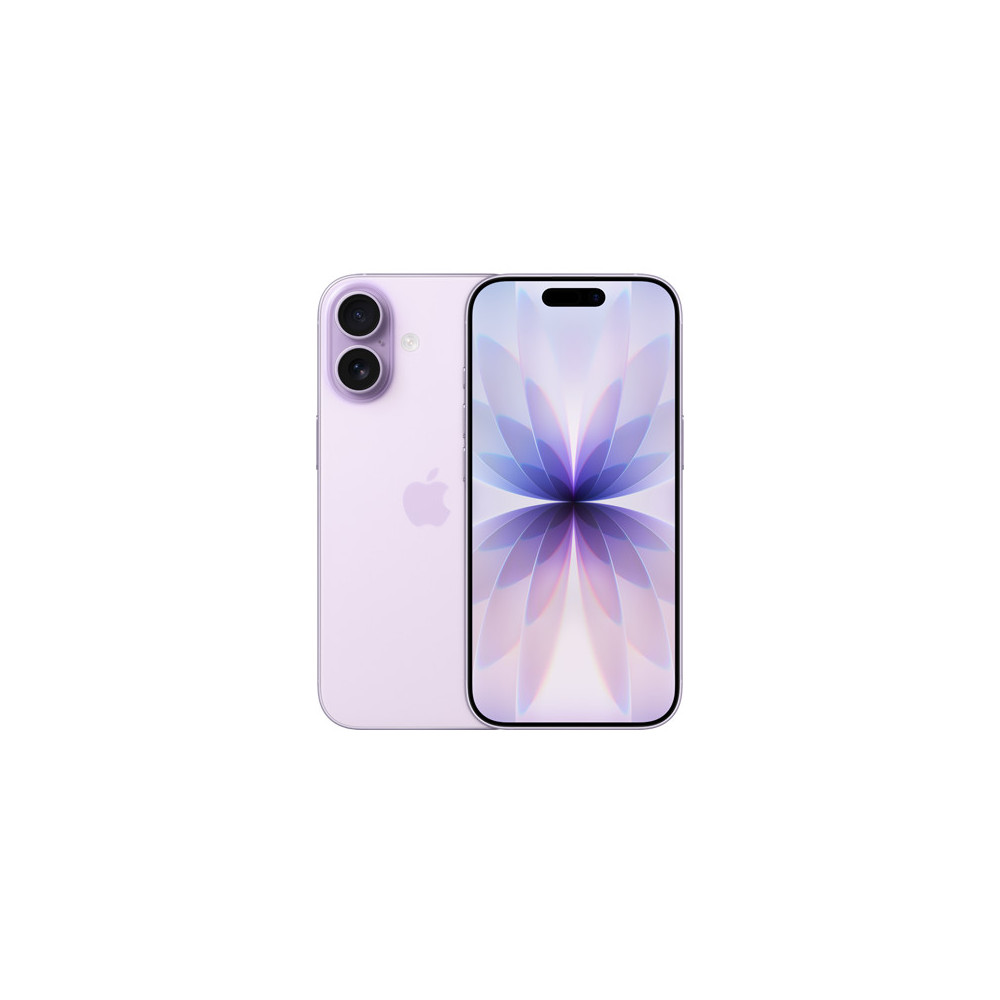
Yes, the base iPhone 17, not the flagship iPhone 17 Pro or the luxurious iPhone Air. Apple’s entry-level iPhone set a new standard for smartphones in 2025, and every Android brand should be scrambling to meet or beat it in 2026. And it’s why the iPhone 17 is the most important phone released this year.
What do you think was 2025's most important smartphone?
Why the iPhone 17 is so special
When we think about what makes a “good” smartphone, there’s a lot to consider. There’s the hardware, display quality, cameras, performance, battery life, and value. When you look at the iPhone 17, what’s impressive is that it nails all of this.
Starting in that same order with hardware, the iPhone 17 isn’t much different from the iPhone 16. However, that’s not a bad thing. Things like its Ceramic Shield 2 glass, MagSafe magnets, and Action Button/Camera Control buttons may not be revolutionary, but they’re small details that keep the hardware feeling like a complete, premium experience.
That’s even more true with the display. One of the most significant drawbacks of the non-Pro iPhone has been its outdated 60Hz screen. After years of complaints, Apple finally upgraded it to 120Hz. And it’s not a lower-end 120Hz display. It’s a proper LTPO panel that scales from 120Hz down to 1Hz, providing the same always-on display functionality as the more expensive iPhone 17 Pro. Again, small details that make a big difference.

That philosophy continues with the cameras. Apple upgraded the iPhone 17’s ultrawide camera to the same 48MP sensor used on the iPhone 17 Pro, and added the company’s new 18MP Center Stage front-facing camera — again, the same one used on the Pro.
Performance has never been an issue for the iPhone, and that’s even more true with the iPhone 17’s A19 chip. It outperforms Google’s Tensor G5 and keeps up with Qualcomm’s latest chips. With improved chipset efficiency and a larger battery, Apple significantly increased battery life over the iPhone 16, touting an additional eight hours for the iPhone 17.
Finally, and most importantly, there’s the value of how this all comes together. The iPhone 17 is a well-built smartphone with a much higher-end display, two upgraded camera sensors, a new chipset, and a bigger battery than its predecessor. That’s a healthy list of changes to warrant a price increase, but it didn’t get one. The iPhone 17 has the same $799 starting price as the iPhone 16, which is even more impressive given the 256GB base storage, up from last year’s 128GB.
Android just can’t compete

That’s all fine on its own, but once you start comparing the iPhone 17 to similarly-priced Android phones, that’s when you really see how far ahead Apple truly is.
The Google Pixel 10 and Samsung Galaxy S25 are perhaps the best comparisons. Both phones also have a starting price of $799 and are the base models in their respective lineups. They’re very good phones, but spec-for-spec, they can’t match the iPhone 17.
All three phones have 120Hz OLED panels, but the Pixel 10 lacks LTPO technology, so its refresh rate can only scale down to 60Hz. The Galaxy S25 has LTPO, but the iPhone 17 still bests it with higher brightness and an anti-reflective coating. Google and Samsung offer dedicated telephoto cameras on their phones, where the iPhone 17 does not, but Apple still comes out ahead with much higher-quality ultrawide and selfie cameras (plus unmatched video recording capabilities).

The iPhone 17’s performance is miles ahead of the Pixel 10, and the Galaxy S25 lacks built-in magnets. Only the iPhone 17 features a UWB chip, and it’s also the only phone with 256GB of storage — the Pixel 10 and Galaxy S25 are both limited to 128GB as their base capacity.
You could argue that some of these things are pretty minor advantages for the iPhone 17, and that’s fair. But I’d argue that when you add them all together, you end up with a package that’s more complete and well-rounded than any Android phone it’s competing against.
The new smartphone standard

I want to make it clear that I say all of this as an Android fan. I use an Android phone daily (as you’d expect from someone who writes for Android Authority), and I don’t intend on switching to the iPhone any time soon. But when I look at what Apple achieved with the iPhone 17 this year, there’s no question that Apple delivered a better entry-level flagship than Google, Samsung, and just about every other mainline Android brand in 2025.
The value proposition of the iPhone 17 is objectively better than its Android counterparts.
If someone came to me and said they had $800 to spend on a new smartphone, I’d be hard-pressed not to recommend the iPhone 17. So long as you don’t mind using iOS, the value proposition of this year’s iPhone is objectively better than its Android counterparts — a statement that would have seemed outrageous just a few short years ago. And yet, that’s the world we’re living in.
As we head into 2026, Android brands need to respond to the new standard Apple has set. Google needs to deliver high-quality secondary cameras and better display tech. Samsung needs to adopt built-in magnets, new cameras, and more storage. The iPhone 17 raised the bar for Android phones to follow, and next year will show whether or not Samsung, Google, and other companies have what it takes to keep up.
Don’t want to miss the best from Android Authority?
- Set us as a favorite source in Google Discover to never miss our latest exclusive reports, expert analysis, and much more.
- You can also set us as a preferred source in Google Search by clicking the button below.


Thank you for being part of our community. Read our Comment Policy before posting.