Affiliate links on Android Authority may earn us a commission. Learn more.
Why you shouldn't buy the latest flagship phone — and what to get instead

Nov 16, 2026 — 5:00 AM ET


Smartphone hardware is in an undeniably good place these days. While technological advancements continue apace, the difference they make to your day-to-day experience is increasingly about quality-of-life improvements rather than genuinely game-changing features.
Longer software support has also taken some of the appeal out of regular upgrades. Our phones are now built to last five, six, or even seven years before we need to replace them. At the same time, average prices are creeping up, which is obviously always a good reason to keep an older handset ticking over for a little longer.
If you are in need of a new phone, you might always be able to save some substantial cash by picking up a phone that’s only a year old, and you might not be giving up very much compared to the most recent models either – especially when it comes to performance and memory.
Why last year’s phones can be a better pick

The RAM shortage is probably the biggest single issue causing a headache for the latest generation of phones. While late 2025 and early 2026 top-end flagships were able to offer 16GB configurations often as a baseline or modestly affordable upgrade, phones launched later in the year aren’t so lucky.
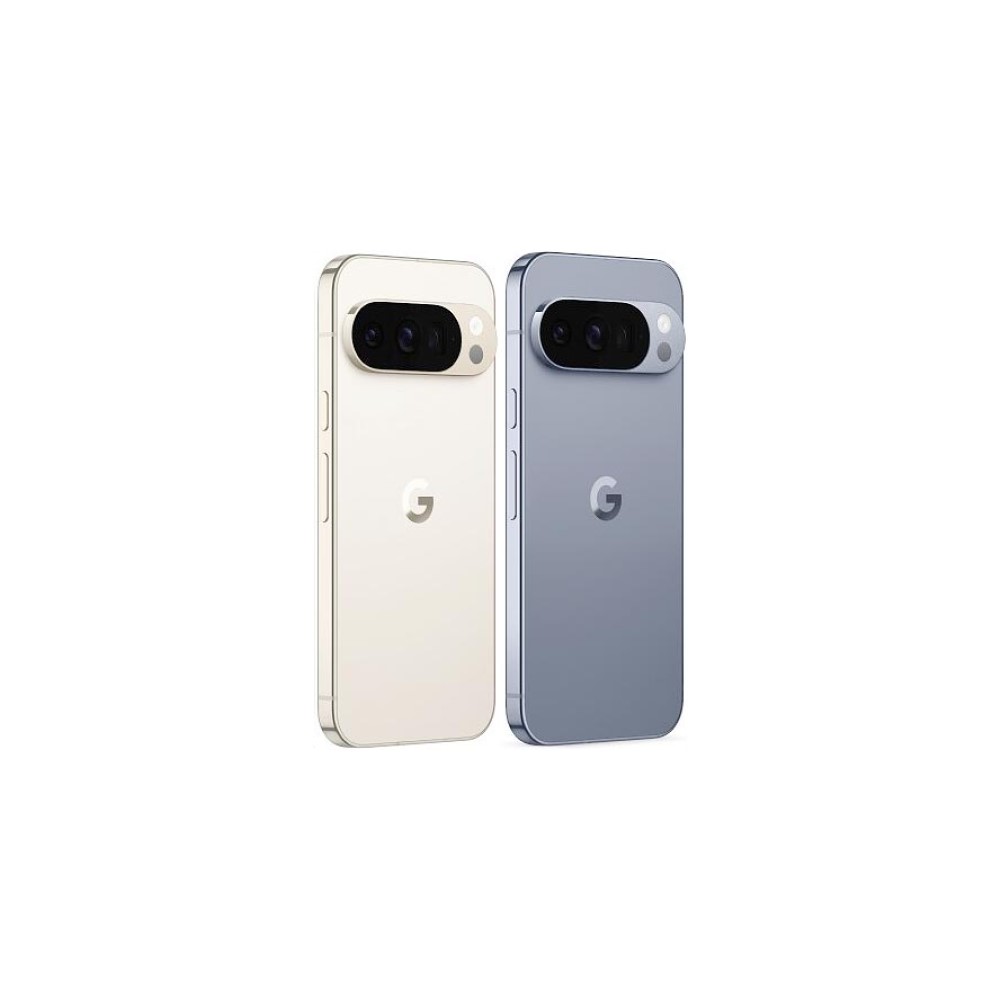
The OPPO Find X10 Pro Max and vivo X500 Pro Max are exceedingly expensive flagship models (costing up to €1,799 in Europe) yet ship with “only” 12GB RAM in the baseline configuration, even at the more expensive 512GB storage price point. Even the AI-infused Google Pixel 11 Pro models couldn’t hide from the price pressure; this year’s models come with 12GB RAM and 256GB storage compared to 16GB RAM and 128GB as the baseline model last generation. Not to mention that Apple and Google have raised their top-of-the-line flagships to a $1,299 starting point, with even steeper prices if you need more storage.
| RAM vs Prices | Late 2025 / Early 2026 | Late 2026 |
|---|---|---|
| RAM vs Prices Google Pixel Pro XL | Late 2025 / Early 2026 16GB - $1,199 | Late 2026 12GB - $1,299 |
| RAM vs Prices Apple iPhone Pro Max | Late 2025 / Early 2026 12GB - $1,199 | Late 2026 12GB - $1,299 |
| RAM vs Prices OPPO Find X (EU) | Late 2025 / Early 2026 16GB - €1,299 | Late 2026 12GB - €1,799 |
| RAM vs Prices vivo X Pro (EU) | Late 2025 / Early 2026 16GB - €1,399 | Late 2026 12GB - €1,399 |
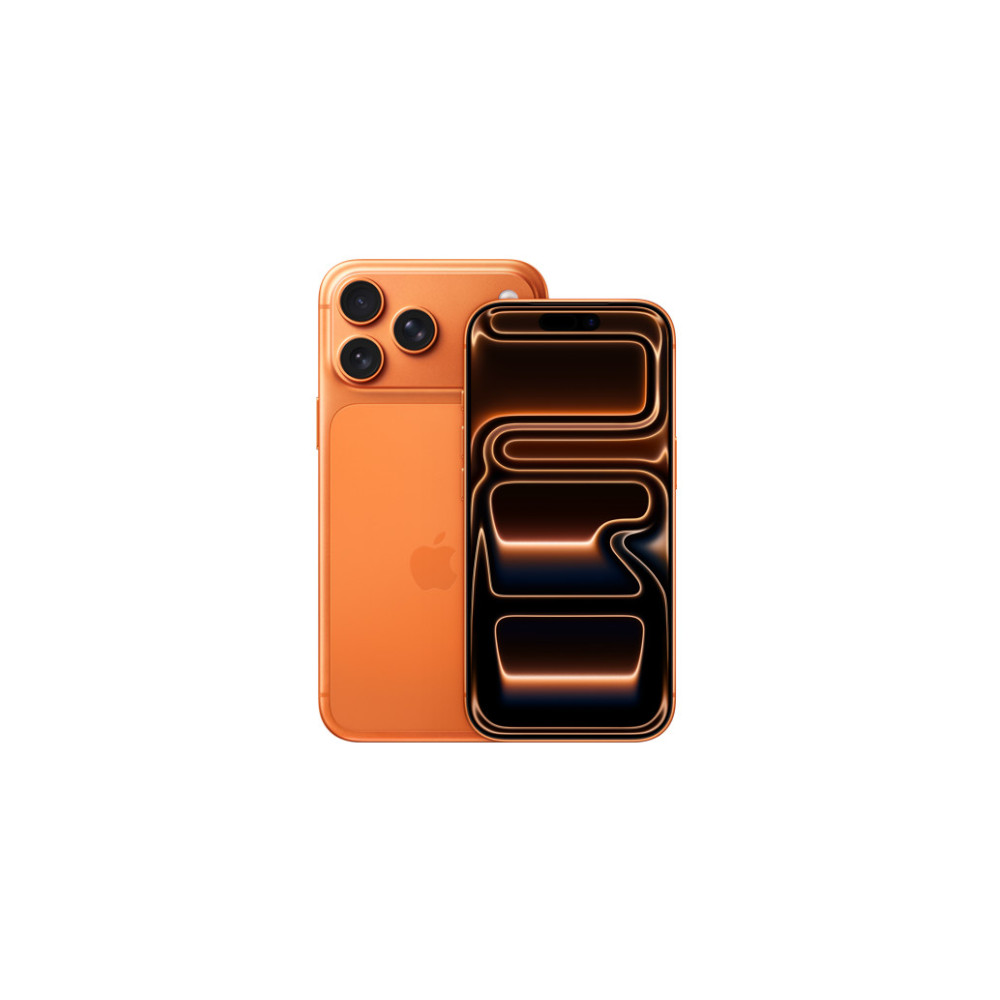
The savings on last-gen models can be substantial. In the US, the 256GB Google Pixel 10 Pro XL can occasionally be found for under $999 at retailers like Best Buy and Amazon. Apple’s iPhone 17 Pro Max hasn’t depreciated quite as dramatically, but unlocked listings are also starting to dip below its original $1,199 asking price.
Now, 12GB RAM is still absolutely plenty for countless Chrome tabs and even keeping multiple games running in memory at once. Where that headroom could become a constraint, however, is memory-hungry AI. Running on-device AI usually requires holding the whole model in RAM, meaning that even modest 4GB or 5GB models like Gemini Nano 3 can eat up a fair bit of your RAM just sitting idle waiting for you to initiate a chat.
Google lists 12GB as the minimum recommended requirement for Gemini Intelligence, and it doesn’t feel great for flagship phones costing $1,100 and up to be sat on this lower limit. It’s not hard to imagine next-generation models, with larger context windows and more powerful tool-calling capabilities, demanding considerably more memory in the not-too-distant future.
Whether you're a gamer or AI buff, last-gen hardware still has plenty going for it.
OK, but don’t the latest phones have faster processors to make up for the difference? Well, it’s technically true that the latest phones are quicker and boast upgraded features. But for AI, memory is often a key constraint, and for other use cases, you have to ask if there are apps and games that really stress modern phones to the limit.
For instance, graphics performance difference between the latest and previous generations is less than you might think. With many popular games already sitting comfortably above 60fps on last-gen hardware, there’s hardly a smoother experience on offer from newer models.

In my testing, the Snapdragon 8 Elite Extreme Gen 6-powered REDMAGIC 12 Pro is only 5-19% faster in graphics performance, depending on if your game uses ray tracing or not. The Pixel 11 series is even more modest, with 15% better CPU performance but only 7% or so faster graphics than its predecessor. The exception this year is the iPhone 18 Pro models, which offer significantly faster CPU and graphics performance than last year.
In any case, last year’s phones were already more than fast enough for demanding apps, video editing, gaming, and on-device AI workloads. A few more percentage points faster is nice to have, but doesn’t fundamentally change how these phones feel to use every day.
Why you might still want the latest phones

It goes without saying that AI and gaming aren’t the only metrics to consider, and there remain some compelling reasons to upgrade to late 2026/2027 flagships.
Camera improvements continue to come thick and fast, and some of the latest phones offer some truly superb capabilities. Google’s Pixel 11 and Apple’s iPhone 18 series’ refine their tried and tested formulas, while Chinese Pro Max models are pushing ahead with huge telephoto and multi-200MP configurations that offer a truly game changing level of photo quality, even compared to rival phones less than twelve months old.
Likewise, the tail end of the year has seen the launch of phones boasting colossal battery capacities. With 8,000mAh batteries becoming increasingly common in some corners of the market, the latest flagships can comfortably last two days of heavy use, potentially stretching into a third before you reach for the charger. If you’re longing for game-changing battery life, one of these models might be what you’re looking for, but they’re unfortunately not widely available in the US.
The latest phones also boast niche but future-proof hardware, including AI-equipped graphics chips, more efficient 2nm processors, and some of the latest hardware video encoders. These technologies might not make much difference to your everyday experience today, but they could become increasingly valuable down the line.
Huge batteries and camera arrays still give some newer models an edge.
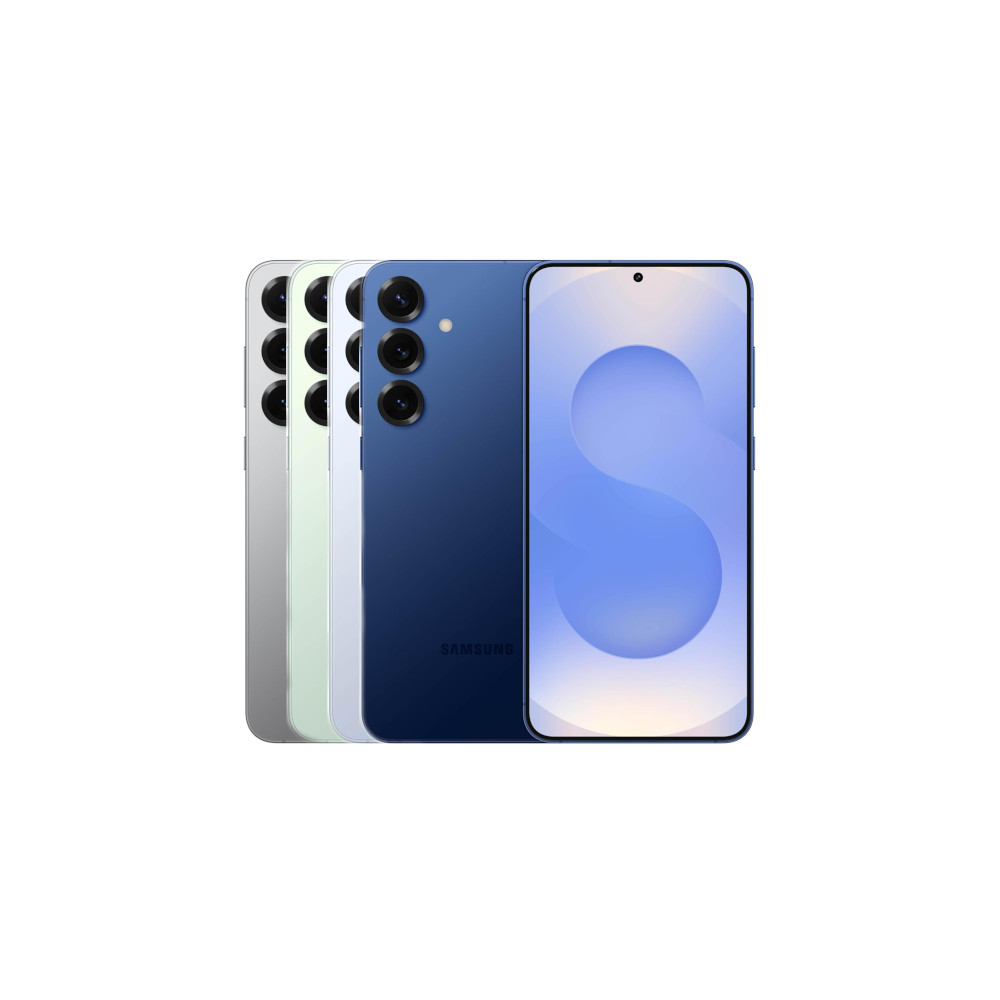
Of course, there are a few other considerations worth keeping in mind. Buying last year’s phone doesn’t necessarily mean buying an outdated phone, but it does mean checking how much software support remains. Samsung, Google, Apple, and many more have all made significant commitments to long, seven-year update policies, making it much easier to recommend a year-old flagship than it might have been in the past. Still, it’s worth checking the remaining support window before parting with your cash.
There’s also the question of just how much you can actually save. Last-generation phones aren’t automatically bargains, particularly if retailers are still selling them close to their original launch prices. Ideally, you’ll want to find a substantial discount over the newer equivalent. If the price difference is only $100 or so, the newer model might well be worth the extra outlay, particularly if it comes with a better camera, battery, or longer support window.
Don't overlook last year's flagships. It might just be the smarter buy.
But that’s the point: you don’t have to buy the newest phone to get a great smartphone experience and recent price pressure has made these marginally older models even more appealing than usual.
In fact, there’s a reasonable argument that the best time to buy a flagship phone is no longer at launch, but twelve months later. You get much of the same premium hardware, plenty of software support left, and potentially a sizeable discount. In some cases, you might even get more RAM and storage than you’d find on the latest equivalent model.
The latest and greatest will always have its appeal, particularly if you care about mobile photography, cutting-edge AI, or squeezing every last frame out of demanding games. But for most of us, last-generation hardware is looking like an increasingly sensible place to spend your money.
Excellent cameras
Powerful AI tools
Top-notch software
12GB RAM
7 years software support
Crisp 120Hz display
Great update support
Conversation
Read what readers said or add your take.