Affiliate links on Android Authority may earn us a commission. Learn more.
I wouldn't buy a phone released in 2026, and neither should you
Nov 9, 2026 — 5:00 AM ET


We don’t realize how big a factor price is when buying a new smartphone until it gets out of hand, and that’s exactly what’s happening these days, with phone prices rising so quickly that they are becoming borderline unaffordable, even though hardware improvements remain nearly flat. It feels like getting handed the short end of the stick — you are paying more for essentially the same internals. So why not actually get a device from last year and save some cash?
Previous-gen handsets are becoming increasingly lucrative and wiser options, amidst all the price hikes happening left, right, and center. I personally wouldn’t buy a phone released this year, just because of how much more sense their predecessors make.
What's your biggest frustration with 2026 smartphones?
It’s price hike season

The AI boom going on for the past couple of years may have given you a more chatty assistant to talk with. But the massive RAM and NAND requirements to run artificial intelligence in massive data farms have directly led to a shortage of these key components for everyone else.
This year, we have already seen the Pixel 11 and the Galaxy Z Fold 8 series get more expensive by $100 compared to their predecessors, and the same is true of a bunch of other gadgets like the newly launched MacBooks and iPads. The iPhone 18 Pro series launched this year bumped the price of the 1TB variant by a straight $300 to $1,800, pushing it very close to foldable territory.
Not all effects of rising parts costs have been as apparent as the upfront device prices.
And not all effects of rising parts costs have been as apparent as the upfront device prices. The Pixel 11 Pro series had to reduce its base RAM to 12GB, down from 16GB, which was standard on both the Pixel 10 Pro and the 9 Pro series. It may not affect your everyday performance, but losing 4GB of RAM when Google is pushing for local AI processing will show signs of a performance dip sooner rather than later.
So, you are not only paying more but also getting less hardware just because AI data centers wanted to hog all the supply for themselves. That is the opposite of what used to happen — smartphones and their technology would usually become more accessible with each passing year, but 2026 has proven to be reversing that trend.
Mid-range is feeling the heat too

People in the budget segment are far more price-sensitive, which is why the hikes sting even more. Like in the case of the Moto G Power launched this year, the company had to ditch wireless charging to keep its $300 price intact. Even though Motorola was able to keep the price the same, the whole value proposition of the phone flipped on its head. The Galaxy A17 5G, which got its price hiked from $200 to $270, is now a hard sell because the 35% increase is just hard to swallow.
The likes of the Pixel 10a and the iPhone 17e, which are supposed to be mid-range offerings, have seen their prices creep up by the same $100 to $600 and $700, respectively. The Galaxy A57 already launched $50 more expensive than its predecessor, but it got another $50 bump to $600 not too long ago.
That’s not a mid-range category anymore, and it used to be the price band where you could get full-fledged flagship smartphones. And that’s the whole point. If you are already in the $700 territory for a mid-range phone, you might as well get last year’s flagship phone for that kind of price, and you’ll have to deal with far fewer compromises too.
It’s time for older phones to shine

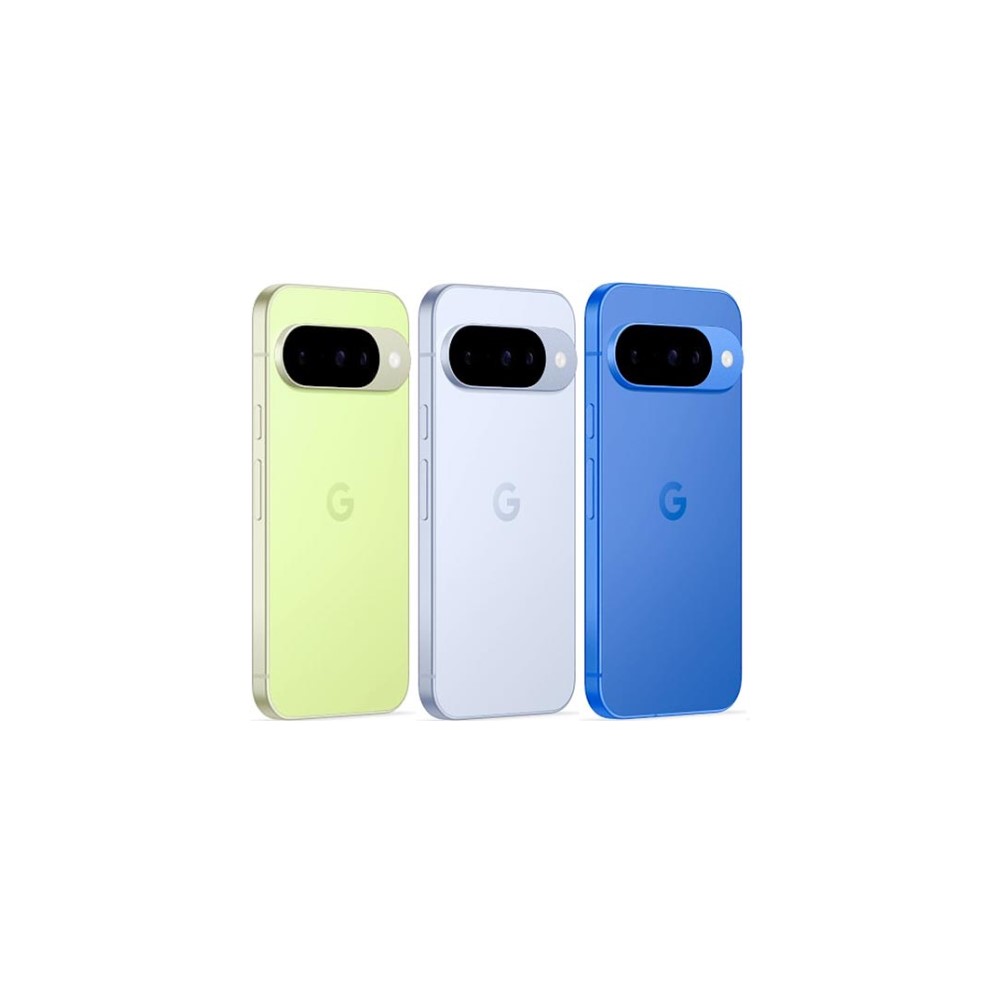
The biggest factor working in favor of older flagships is their extended software support. With at least 7 years of commitment, these phones automatically become a no-brainer because they still have at least 6 years of updates remaining — that covers you until 2032! The Galaxy S25 and the Pixel 10 are solid examples of this. Even the OnePlus 15 is a solid contender, with fewer Android version upgrades but 6 years of security patches, which makes the phone safe to use for quite a while.
Most of the new things announced in recent smartphones are either incremental or gimmicky.
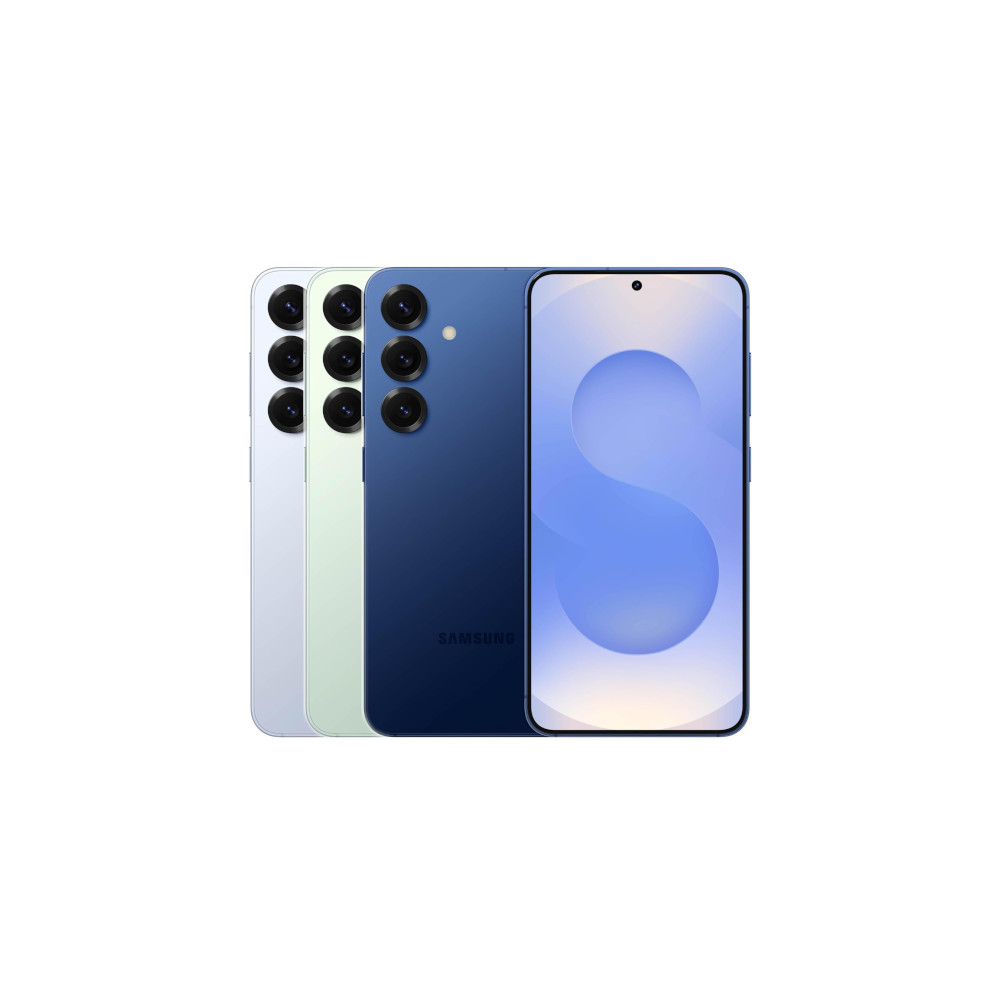
And it’s not like you’re losing out on the hardware either. Most of the new things announced in recent smartphones are either incremental or gimmicky (and sometimes both). Even last year’s flagship phones with high-end Snapdragon processors have enough performance headroom to last you a good half a decade. On a phone like the Galaxy S25, the camera arrangement remains virtually the same — and the little improvements in the newer model aren’t worth the widening price gap anymore. Its $700 retail price starts to look a lot more lucrative compared to the Galaxy S26 after it received its price hike.
That is true even for the budget segment, where you can get last year’s Galaxy A56 for under $400 for its international model, saving you a handsome $200 compared to the newer phone, which offers more or less the same hardware. The Moto G Power 2025 version that we talked about earlier has the wireless charging option and is easily available for just $200, saving you a good $100 compared to its successor. That’s over 30% savings in both cases, which is substantial, especially when you’re already on a budget.
Don’t expect 2027 to be any better

It’s a sad state of affairs, but experts believe that conditions aren’t going to improve anytime soon. We have already seen new hardware costing even more after recent price hikes, so whatever hope we had for 2027 has diminished. Memory prices aren’t expected to come down much over the next year, and subsequently, smartphone prices won’t either.
So if you’re holding off on a purchase, hoping for prices to come down next year, I’d say it’s wiser to pull the trigger right now and grab the currently available stock of previous-gen phones, which are still not as absurdly priced as some of the 2026 flagships — yet.
Long-term updates
Loaded with Google AI features
Conversation
Read what readers said or add your take.