Affiliate links on Android Authority may earn us a commission. Learn more.
I've tested countless gaming devices, and these are gaming phones I'd recommend in 2026
Mobile gaming has come a long way in recent years, with console-quality titles regularly appearing on the Play Store, and new chipsets capable of emulating a large portion of my Steam library. I’ve tested countless games and phones (not to mention dedicated Android gaming handhelds), and I’ve honed in on what separates the best from the rest when it comes to mobile gaming. Depending on what you’re looking for, the options below represent the top gaming phones I recommend in 2026.
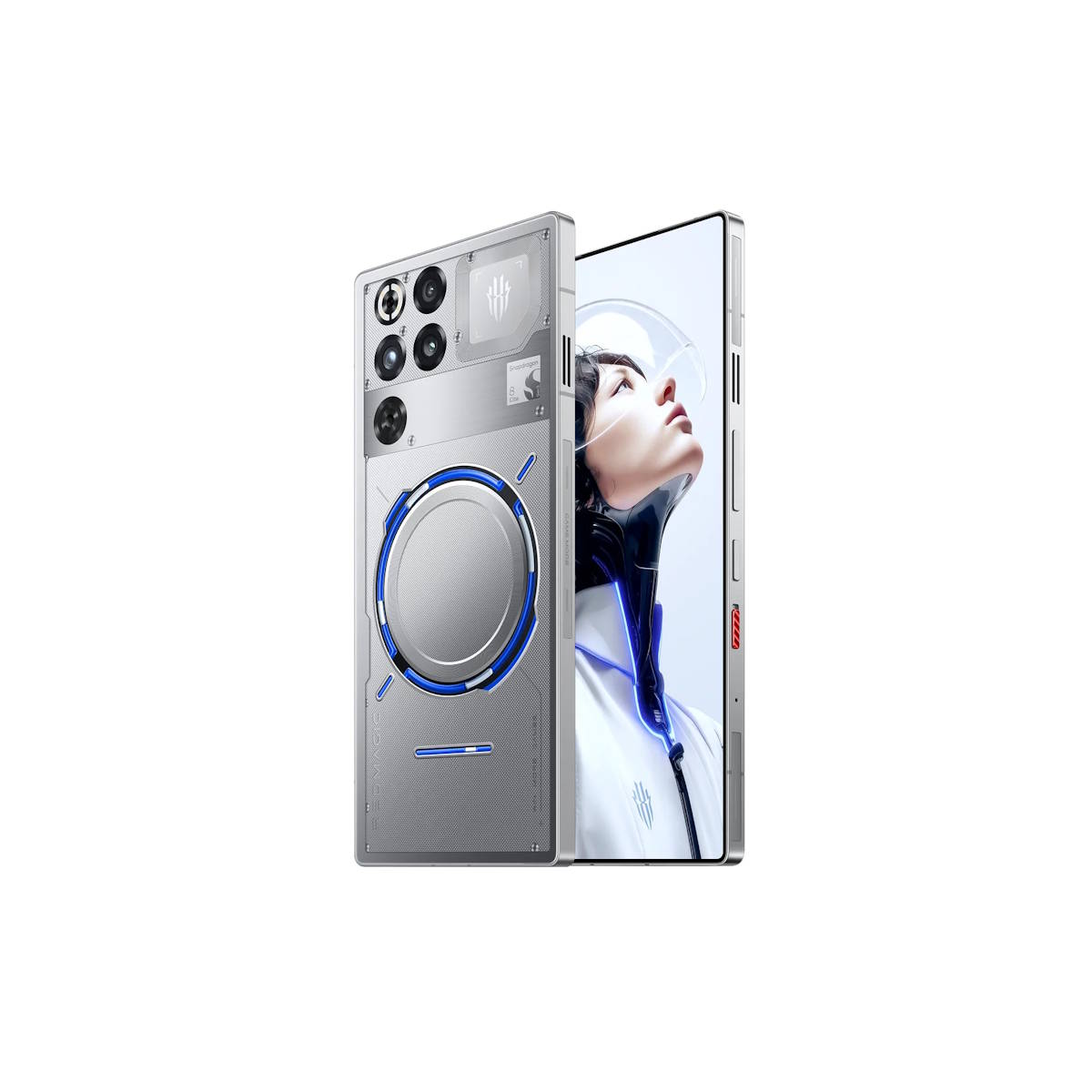
REDMAGIC 11 Pro: The best gaming phone overall
- Incredible power
- Liquid cooling
- Shoulder triggers
- Middling cameras
- Poor update commitment
- Still runs hot
If you want the best performing gaming phone on the market, look no further than the REDMAGIC 11 Pro. I was blown away by the performance on the Snapdragon 8 Elite Gen 5, and it’s the only phone I’ve tested so far that can handle the thermal load of Qualcomm’s latest chipset. The realme GT8 Pro provided wildly inconsistent results under stress, and the OnePlus 15 simply shut down in the middle of our benchmark test (although this was fixed in later updates).
The killer feature here is liquid cooling, which is visible on the back of the device. Combined with two massive (and loud) fans and a large vapor chamber, it manages to keep the device just cool enough to prevent a shutdown. Don’t get me wrong, it runs very hot, reaching peak temperatures of 56.0°C in my testing. Flipping on Game Mode via the physical switch kept things a little cooler at the expense of performance, but it’s probably a worthwhile tradeoff for most games.
That Game Mode has plenty of other unique features, too. Called Plugins, they enable everything from forced aspect ratios to on-screen counters and reticle zooming. There’s also plenty of AI coaching tools in there, although you’ll very quickly outgrow their usefulness after playing a game for a few hours.
Being a gaming phone, it also has physical triggers, a 6.8-inch 144Hz OLED screen, RGB lights, and the full “Gamer” aesthetic. There’s even a built-in AI waifu companion if you want to go full otaku without shelling out for Razer’s standalone version.
The REDMAGIC 11 Pro outperforms every other smartphone, regardless of the price.
While I wasn’t surprised by how well it performed in-game, I was surprised by how comfortable it was to use. The sharp edges of its predecessor have been smoothed out, so it feels better in the hand. The triggers also mean I didn’t need a controller to play my favorite games, although an external cooler is a necessity for demanding titles.
The bad news is that the cameras and overall software experience are still pretty bad compared to most mainstream smartphones. It will also only see two years of software updates, but if you really want the best performance at all times, you’ll probably upgrade before then anyway. Plus, it’s hundreds of dollars cheaper than most flagship phones, so it won’t hurt as badly when it’s time to make the switch.

ASUS ROG Phone 9 and 9 Pro: The best last-gen gaming phone

- Overkill performance
- Outstanding battery life
- Fast, universal charging
- Super-stable video
- Handy AI tools
- Expensive Pro model
- Poor software commitment
- Inconsistent cameras
- No 4K recording on all lenses
If you can make do without the latest-and-greatest chipset, 2024’s ASUS ROG Phone 9 is a great pick — especially with no successor on the horizon. The Snapdragon 8 Elite is still a very solid performer, and it breezed through all gaming and productivity tasks in our testing. Check out our ROG Phone 9 review for all the charts and info, but suffice it to say that it maxed out framerates for some of the most demanding mobile games like COD Mobile and Genshin Impact. Upcoming Turnip drivers for the 8 Elite should also mean that it will see a huge emulation performance boost very soon.
Unlike the REDMAGIC 11 Pro, it tones down the RGB aesthetic for a more subdued look. It’s still there, but the design is much more sophisticated. For example, there’s a display underneath the back of the phone with a few retro-inspired games to enjoy. We didn’t find this terribly useful since most people slap a case on their phones anyway, but it’s a neat Easter egg.
Apart from games, the ROG Phone 9 and the 9 Pro have decent cameras and some helpful AI features. We didn’t find them to live up to the likes of Google Pixel phones, but the gap isn’t as large as it used to be. The photos are perfectly serviceable, and features like AI Call Translator, AI Transcript, AI Wallpaper, and Semantic Search for Gallery and Settings make it a very well-rounded smartphone for non-gaming use.
The ASUS ROG Phone 9 doesn't have the latest chipset, but it's still a gaming powerhouse.
There are two options in the lineup: the ROG Phone 9 ($1099 at Walmart) and the ROG Phone 9 Pro ($1350 at Amazon). For my money, I’d stick with the standard model, since you’re essentially getting the same performance for significantly less money. However, if you need extra storage, the Pro model is the only one with an option for 1TB of internal storage.

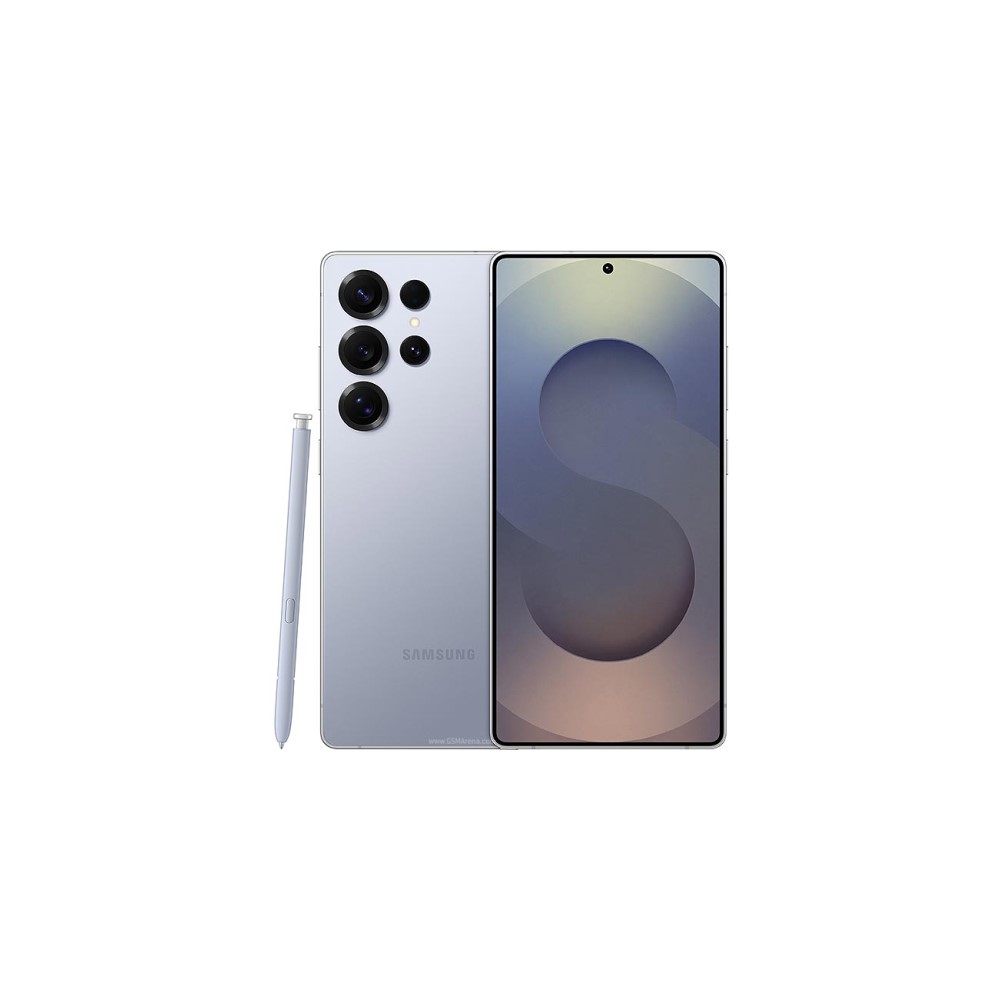
Samsung Galaxy S25 Ultra: The best traditional flagship phone for gaming
- Premium materials
- Great battery life
- Solid cameras
- Top-tier Snapdragon performance
- Brilliant display
- Excellent software policy
- Downgraded S Pen
- Mostly AI-based upgrades
- Still no full Qi2 support
- Can be uncomfortable to hold
- Very expensive
The Samsung Galaxy S25 Ultra is easily one of the best Android phones you can buy, but it isn’t billed as a gaming phone. It lacks peculiar styling, LEDs, and shoulder buttons, but does have a trick up its sleeve — the S Pen. This little stylus is perfect for those who enjoy more static games, like strategy titles, that demand more precision. Beyond this, the Galaxy S25 Ultra brings superlative power to Samsung’s flagship lineup.
The Galaxy S25 Ultra boasts the Snapdragon 8 Elite for Galaxy SoC — an overclocked version of Qualcomm’s premier chipset in 2024. That said, it does have significant thermal throttling (a trend that Qualcomm still hasn’t managed to buck), so the faster clock speeds don’t do as much as we had hoped.
The rest of the specs, which include a 6.8-inch AMOLED display, 12GB of RAM, and up to 1TB of internal storage, make it a powerful gaming companion. The build quality is a step above the other options on the list so far, and it won’t attract the same level of unwanted attention as some of the flashier gaming phone designs above.
The Samsung Galaxy S25 Ultra is the definitive flagship experience, whether that's for gaming, cameras, or anything in-between.
The Galaxy S25 Ultra excels in other facets, too. The main 200MP camera takes in incredible detail, so you can expect excellent results in all lighting scenarios. A dual 3x and 5x zoom lenses add even more versatility, so if you’re into photography in addition to gaming, you’ll like this phone.
Finally, it’s worth noting Samsung’s stellar software support policy, which now extends to seven years. That alone is a massive reason to purchase this phone, but it also demands an equally massive investment. You can also hold off for a while to get the Galaxy S26 Ultra, which is sure to have an overclocked version of the latest chipset (and hopefully better thermal performance to match).

Apple iPhone 17 Pro/Pro Max: Best gaming phone for Apple fans
- Excellent telephoto camera
- Crisp 120Hz display
- Great update support
- Durable aluminum build
- Superb video capture
- Apple Intelligence is still very limited
- Decent (but not great) wired charging
- Performance isn't a runaway hit
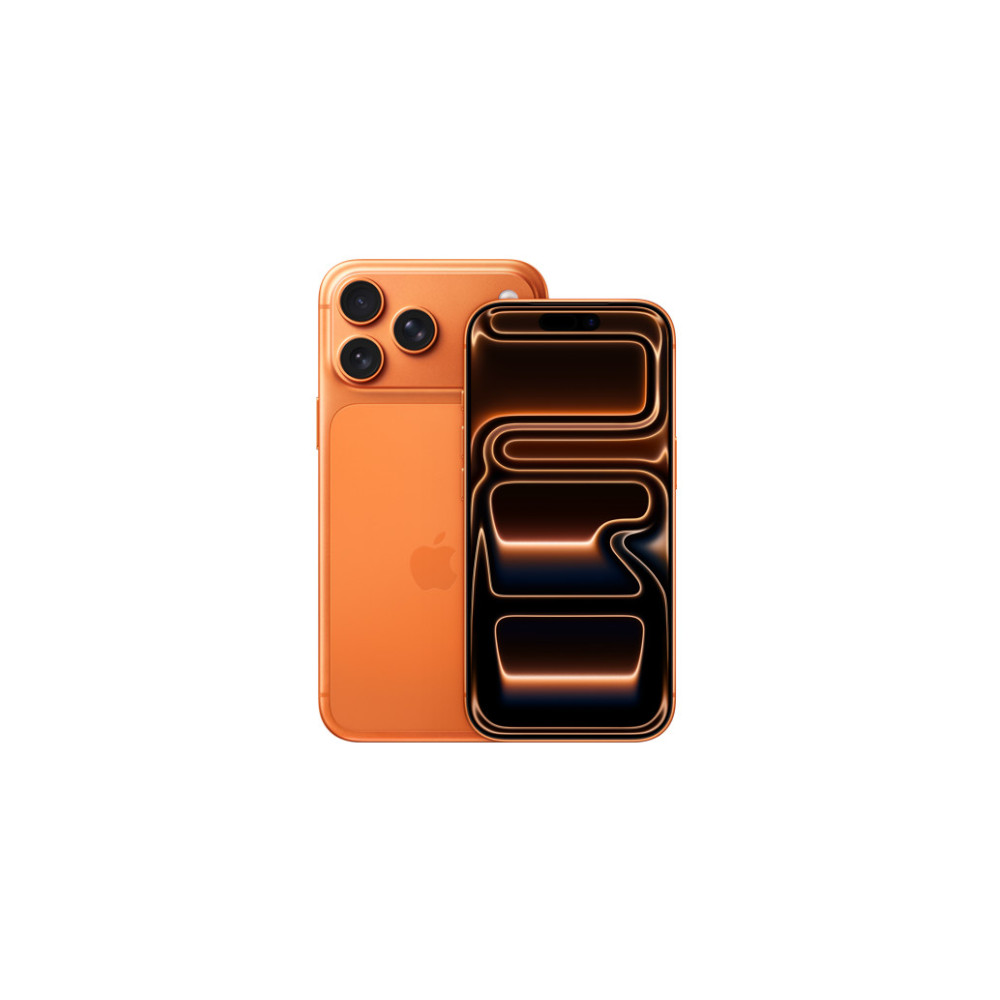
If you want to opt for Apple’s side of things, the iPhone 17 Pro Max is the best choice. The largest (and most expensive) device in the lineup is an absolute powerhouse, and although the latest Android chipsets have leapfrogged Apple’s offerings in terms of raw performance, the A19 Pro is still unbeatable when it comes to efficiency.
In terms of games, Apple’s ecosystem sports an even more robust catalog of games than the Google Play Store, and that’s expanded even further with the release of AAA titles like Resident Evil Village and Assassin’s Creed Mirage to the mobile platform. The device will heat up, and it will chew through your battery, but it’s a level of native compatibility that’s incredible to see on a mobile device.
That said, Apple’s side of the aisle still lacks the same emulation support, and that’s unlikely to change any time soon. The company continues to fight sideloading tooth and nail, and the lack of official JIT support means demanding consoles like the Nintendo Switch or even the PS2 push the limits of what’s possible.
Apple's ecosystem is incredible for native games, but emulation compatibility still lags behind Android.
Apart from that, the iPhone 17 Pro Max is a top-notch smartphone. It features a 6.9-inch 120Hz OLED panel to make your games pop, with a large battery to keep you gaming for longer. The cameras also remain a major selling point, and the phone as a whole is a fantastic package that’s sure to remain a top contender for years.
We think the iPhone 17 Pro Max ($1199.99 at Amazon) is the best model for gamers, but if you prefer a smaller phone, the iPhone 17 Pro packs just as big a punch. However, the standard iPhone 17 ($799 at Apple) uses the weaker non-Pro A19 Bionic processor, which is slightly less powerful than the A19 Bionic Pro. For games, you want all the extra horsepower you can get.

Samsung Galaxy Z Fold 7: The best foldable phone for gaming

- Incredible slimline design
- Improved internal display
- Solid performance
- Good enough battery life
- Flexible cameras
- Excellent update commitment
- No S Pen support
- Lame wired charging speeds
- Prohibitively expensive
Games look best on a big screen, and the Galaxy Z Fold 7 is as big as they come. Once open, the 8-inch screen offers excellent screen real estate for games, and the Snapdragon 8 Elite is powerful enough to handle everything we threw at it. It’s the culmination of years of Samsung’s foldable efforts, improving every pain point we’ve had with previous devices. Except for the price, of course.
You might think that a phone this big wouldn’t be comfortable to game on, but in practice, it’s not that different from a clamshell device like the Nintendo 3DS. In fact, it’s one of the best ways to emulate Nintendo 3DS and DS games outside of dedicated hardware like the AYN Thor or ANBERNIC RG DS. For everything else, telescopic Bluetooth controllers make it more than manageable for the size.
That said, performance wasn’t quite as impressive as the non-foldable Galaxy S26 Ultra, and the lack of an S Pen takes away a major selling point of Samsung’s premium lineup. Fortunately, the cameras make up for it, providing killer shots in a wide variety of scenarios in our testing. That might not mean much for gaming, but it does make it a better overall experience than most smartphones can match.
The Galaxy Z Fold 7 offers a big screen gaming experience unlike any other, but you'll pay for it.
And now for the bad news. Samsung has jacked up the price of the Galaxy Z Fold 7 this year, reaching an eye-watering $2000. You can get a decent gaming PC or a powerful gaming handheld for half that price, and still pick up a powerful gaming phone with what’s left over. Still, if money is no object, there’s nothing like gaming on the Galaxy Z Fold 7.

OnePlus 13R: The best budget gaming phone

- Speedy performance
- Long-lasting battery
- Great main camera
- Improved update commitment
- Superb value for money
- Weak ultrawide camera
- No wireless charging
- Limited quality selfie video
Modern mid-range phones are more than capable of gaming, but there’s one device that I think stands above the rest. The OnePlus 13R takes much of what’s great about the flagship OnePlus 13 and distills it into a more affordable package that ticks just about every box on the list (and in a way its successor, the OnePlus 15R, sadly did not).
For starters, it has a Snapdragon 8 Gen 3 chipset, which is less powerful than the 8 Elite series found on the rest of the devices I’ve listed above, but still powers through any and all gaming tasks. It can easily run demanding Android games at high framerates, and it doesn’t suffer from as much thermal throttling. For reference, it’s the most common chipset on flagship Android gaming handhelds like the Odin 2 or Retroid Pocket 6, which are designed first and foremost for gaming.
The 6.78-inch 120Hz AMOLED panel really makes games pop, and the change from the curved glass on its predecessor to flat edges makes it less prone to accidental touch inputs. The cameras are also a nice improvement, even if they don’t quite compete with the best camera phones you can buy.
The OnePlus 13R is great for both gaming and general use, and it won't break the bank.
Coming in around $600, the OnePlus 13R hits the right mix of gaming prowess and standard smartphone features to be a good buy for just about anyone. There are no flashy gamer lights or triggers, but for the price, it can’t be beat.

Honorable mentions

2024’s REDMAGIC phone is still a powerhouse, with the same great gaming-focused features and a lower starting price tag. The lack of liquid cooling makes thermals more of a concern, but that can also be remedied with an external cooler, which REDMAGIC also sells in its shop.
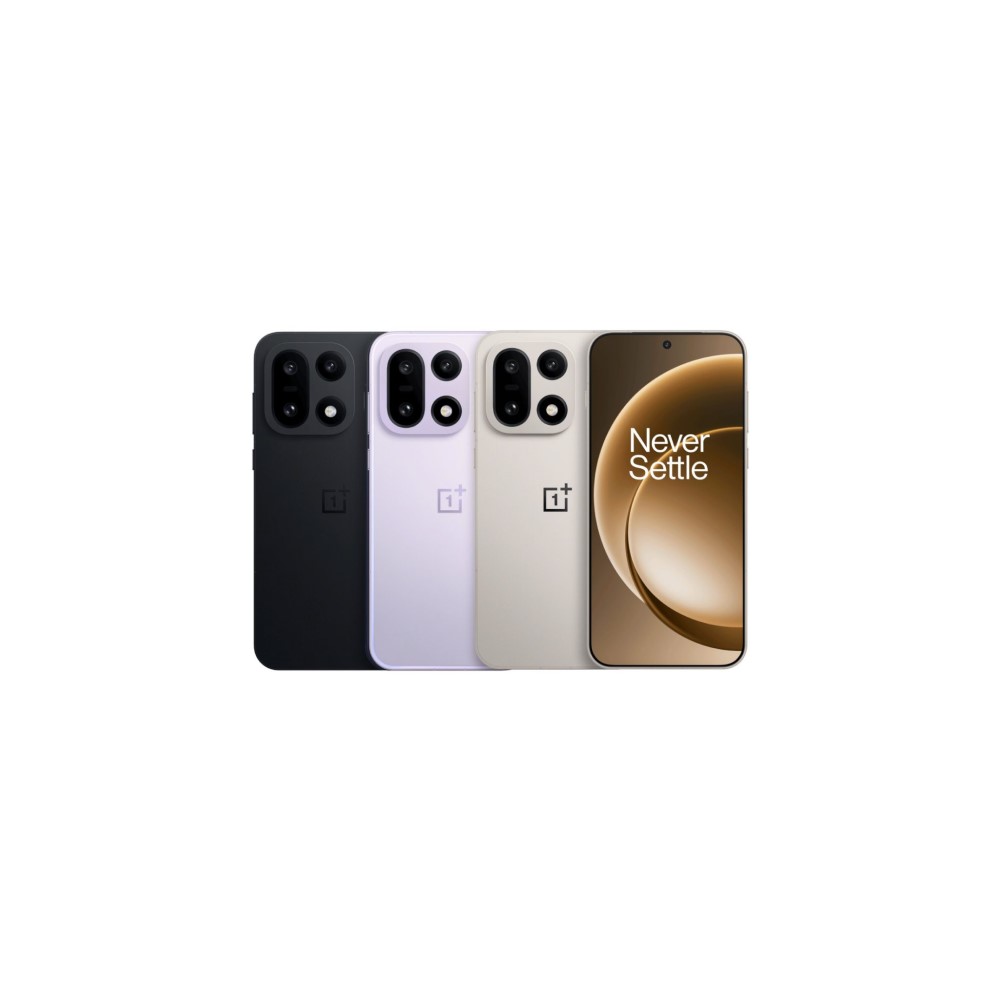
The OnePlus 15 wasn’t the slam dunk that the OnePlus 13 was, but it’s one of the few Snapdragon 8 Elite Gen 5 phones you can buy. That alone makes it a great choice for gaming, especially now that the thermal performance has been tweaked for better sustained performance.
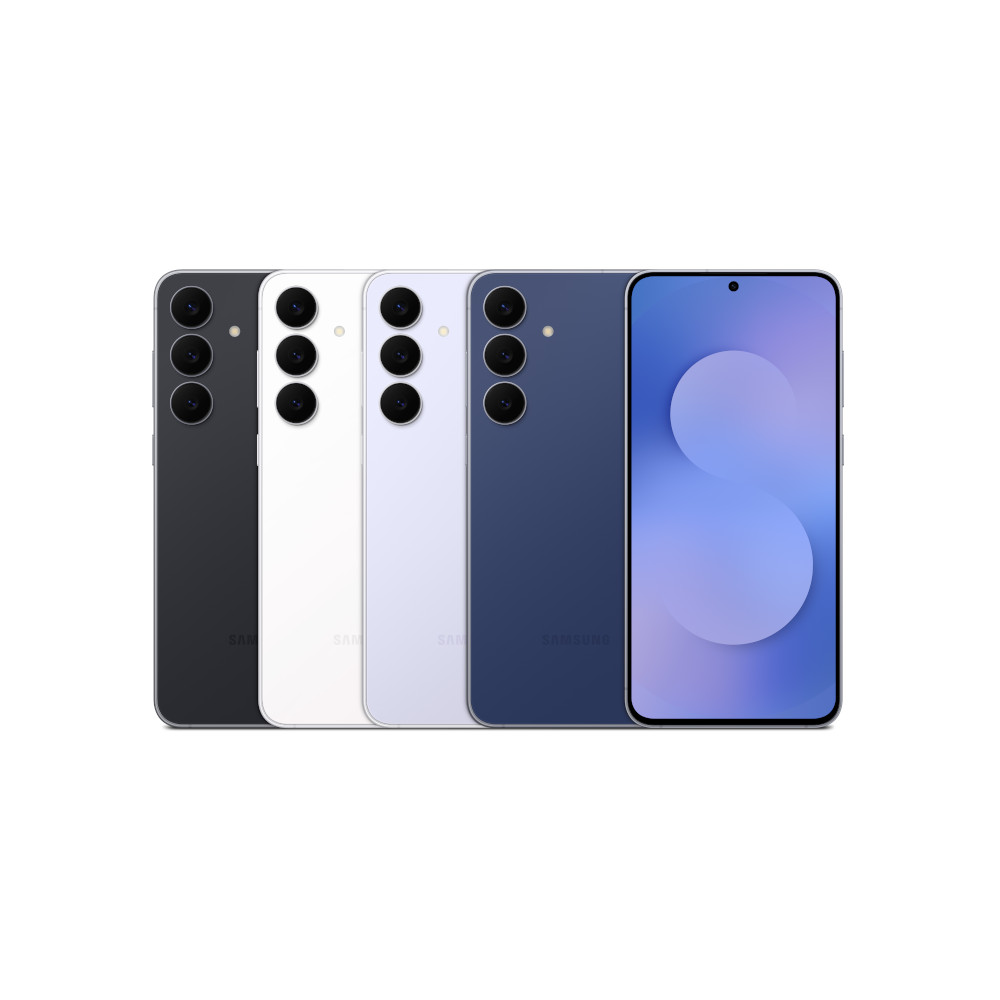
The Samsung S25 FE trades Qualcomm’s top-end chips for an Exynos 2400, which isn’t as powerful but still performs adequately for mobile games. Aside from the OnePlus 13R I’ve listed above, it’s the most powerful device in its price bracket, and it has all of Samsung’s signature polish to boot.
What to look for in a good gaming phone

When it comes to gaming phones, there are several key ingredients that can make or break the experience. The latest chipsets have enough power to play almost anything, but only until the inevitable thermal throttling sets in. Depending on what you want to play, a less powerful chipset might actually be a better choice.
Power isn't everything when it comes to choosing the best gaming phone.
To help you make a final decision, here’s a quick rundown of everything you should consider before pulling the trigger.
- Powerful specs: Modern games can be very demanding, so a powerful SoC and a healthy helping of RAM are crucial to maintaining high framerates.
- Thermal performance: One of the biggest drawbacks of the latest generation of flagship processors is heat. Many gaming phones have improved thermals, enabling significantly better sustained performance than traditional flagships.
- Driver compatibility: If you want to dip into emulation, drivers become a big concern. The Snapdragon 8 Elite and 8 Elite Gen 5 still don’t have full Turnip driver support, which will hurt for Switch and PC emulation.
- Screen size/quality: An OLED screen is a must if you want your games to pop, but the size is still a personal preference. Smaller devices are more pocketable, but larger ones offer more screen real estate.
- Hardware triggers: While not all of our picks have them, hardware triggers make a good gaming phone great. Bonus points if they offer nice haptic feedback. However, dedicated controllers like the Backbone Pro or MCON are still a better experience.
- Software: Obviously, gaming features are great, but there are other things to consider as well. Chief among them are updates. If your phone will only receive updates for two years, you may need to upgrade sooner than you’d like.
- Cameras: Camera performance is nearly always lacking on gaming phones, but some are still capable shooters. Likewise, many of the best camera phones, like the premium Galaxy S25 Ultra, are also excellent for gaming.
Why you should trust me

I’ve been gaming for more than three decades now, but at this point, nearly all of my game time is mobile. Whether that’s on my phone or a dedicated gaming handheld, I’m a full convert to gaming on the go.
As such, I’ve reviewed dozens of gaming devices over the past few years. It never ceases to surprise me just how powerful modern mobile chipsets are, and I love testing the latest games and emulators on the latest hardware to see just how far things have come. Typically my initial review period includes a week of intense benchmarking and game testing, tweaking settings as I go.
I review dozens of gaming devices every year, but my phone is often my primary gaming device.
Of course, that also means regularly revisiting devices to test new drivers and software updates. When it comes to truly demanding gaming tasks like PC emulation, compatibility often has a larger impact than raw power. After my initial review, I regularly revisit devices whenever new updates are available.
What do you look for in a gaming handheld?
Mobile gaming is also becoming more of an ecosystem than ever, so I also test gaming peripherals like telescopic or magnetic controllers. These can make a huge difference in the overall gaming experience, so staying on top of the latest is essential in understanding the broader landscape.
Thank you for being part of our community. Read our Comment Policy before posting.