Affiliate links on Android Authority may earn us a commission. Learn more.
I've tested all the best camera phones of 2026: These are my top picks
December 8, 2025
Every smartphone claims to have the best camera money can buy, but which ones actually make the cut? To help you decide, I’ve sifted my way through dozens of the best and most affordable camera phones, grading them on essential photography metrics like exposure, HDR capabilities, portrait quality, zoom capabilities, and video capture options. Whether you’re shooting friends and family or documenting a trip abroad, these are the smartphones I think you should buy.
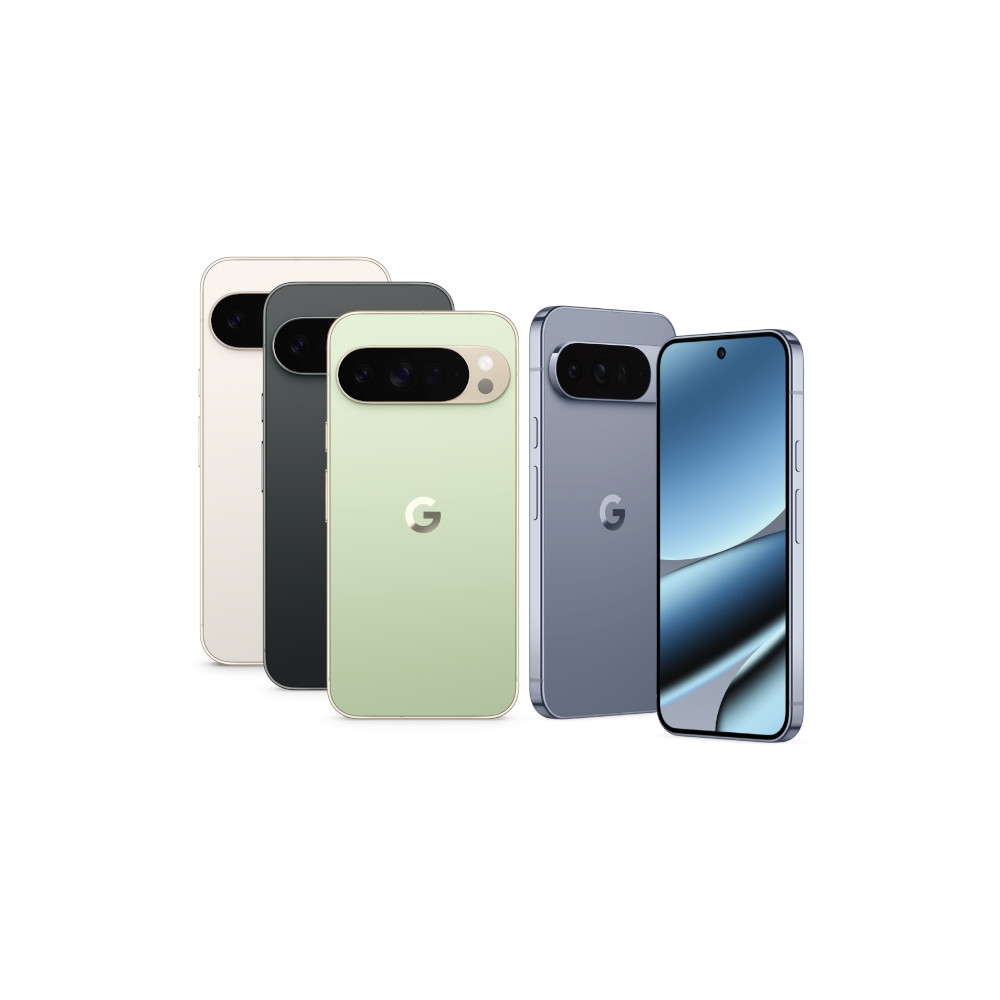
Google Pixel 10 Pro XL: The best camera phone overall
- Excellent build quality
- Improved camera flexibility
- Upgraded battery capacity
- Smooth-as-ever software
- Slightly better charging
- So many exclusive features
- No SIM slot in the US
- Tensor G5 is better, but still not 'elite'
- Some new AI features still need work
- Check out our Google Pixel 10 Pro XL camera samples
When it comes to snapping photos of friends and family, you seldom get a second chance to reframe the moment, so reliability and point-and-shoot simplicity are key. As such, it is no surprise that the Google Pixel 10 Pro XL takes our top spot. While it’s not a massive upgrade over the previous generation, Google has addressed some issues, like questionable color reproduction, and added a few new features to the Pixel 10 Pro XL that keep it a top pick for an all-around photography powerhouse.
The Pixel 10 Pro XL is equipped with a superb 50-megapixel primary sensor and Google’s industry-renowned image processing capabilities, ensuring great-looking pictures regardless of the lighting conditions. Paired with a 48MP ultrawide camera to fit more in and a 5x periscope 48MP camera capable of extending out to 100x zoom thanks to Google’s new Pro Res Zoom feature, this phone is as versatile as they come. Whether you’re after consistency and simplicity or a hardware package to get creative with, the Pixel has the tools you need.
During my time with the handset, I’ve been particularly impressed by the Pixel’s ability to capture the action. When other phones come out blurry or miss the action completely, my Pixel 10 Pro XL captures crystal-clear shots. I always miss Top Shot’s ability to pick the best-looking frame from a motion photo when testing out other smartphone cameras.
The Pixel 10 Pro XL is the most consistent smartphone camera you can buy.
Speaking of, Google’s photography prowess extends beyond camera hardware, leaning heavily on clever software and AI tricks to make your pics look their best. Astrophotography, Panorama shots, Action Pan, and the aforementioned Pro Res Zoom (an AI diffusion upgrade on the classic Super Res Zoom) are long-running staples that help you take your photography in more creative directions. Meanwhile, more unique tools like Add Me allow you to splice yourself back into the family photos you’re usually left out of, while Cinematic Blur helps videographers capture sumptuous bokeh blur.
In addition to its brilliant camera, Google’s Pixel 10 Pro XL is also a great phone. Its battery life will easily last through a busy day, its Tensor G5 processor provides responsive performance, and it has some of the industry’s most powerful AI tools. The Pixel 10 Pro XL is a great all-around pick, whether you’re a serious photographer or just looking to capture the occasional moment. If the XL version is a little too steep, there’s also always the $999 Pro model; Google’s best can also be grabbed for notably cheaper than other premium-tier camera phones, but we gave the XL the nod for its bigger battery life and larger display — both of which are handy for dedicated photographers.
Xiaomi 15 Ultra: The best premium camera phone

- Brilliant cameras
- Two-day battery life
- Fast universal charging
- Solid update policy
- Snapdragon overheats under load
- Questionable AI features
- HyperOS bloatware
- Check out our Xiaomi 15 Ultra camera samples
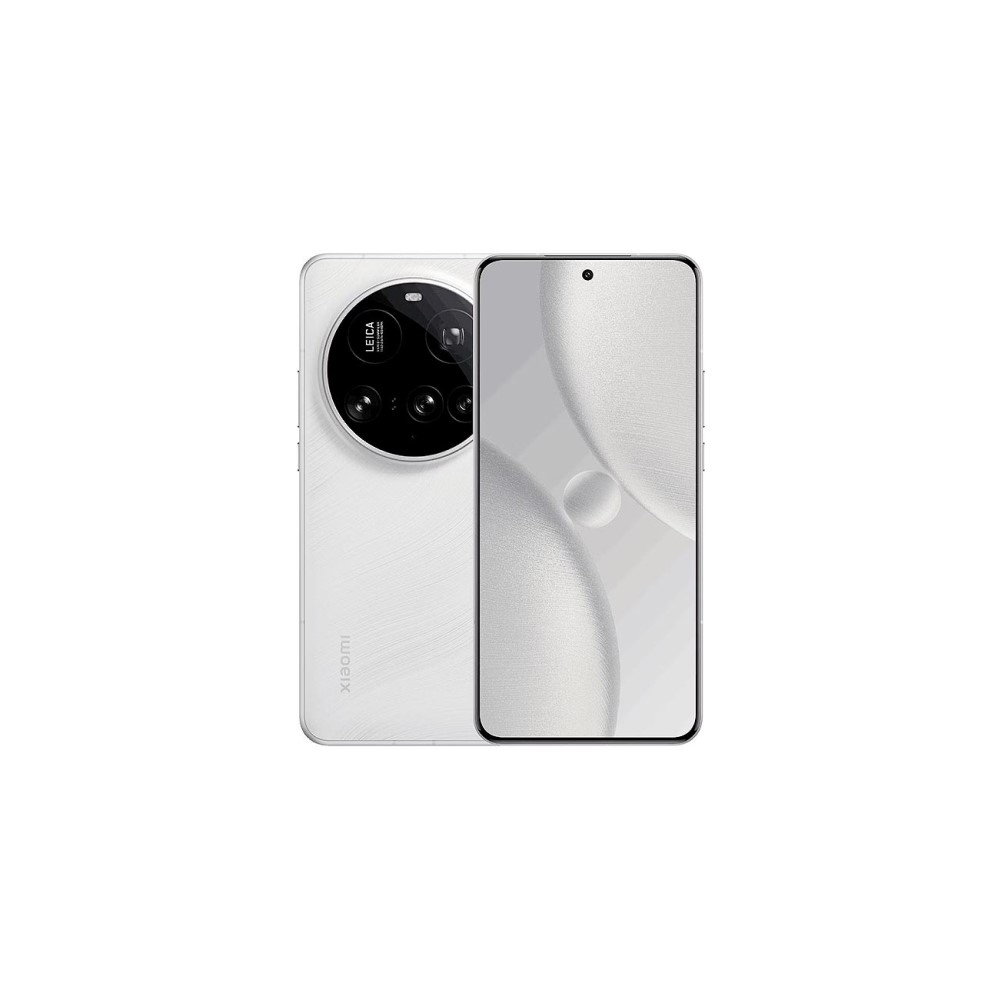
If money is no obstacle (and you can actually buy the handset in your country), the Xiaomi 15 Ultra is my favorite camera phone on the market. It’s not strictly always the most color-accurate, but boy, can this handset capture mood like no other phone I’ve used. In fact, it’s the only camera phone that has ever made me seriously question whether I really need my beloved Fuji mirrorless anymore.
Now the Xiaomi 17 Ultra is right around the corner, but it’ll probably be a few more months until global consumers can get their hands on it.
Xiaomi has packed the best camera hardware available into the 15 Ultra. The eye-catching circular rear array features a 50MP, ƒ/1.63, 1-inch sensor flanked by a 50MP, ƒ/2.2, 115° ultrawide, a 50MP, ƒ/1.8, 3x telephoto (70mm), and a colossal 200MP, ƒ/2.6, 4.3x periscope zoom (100mm) that offers deceptively long-range capabilities. In fact, I tested the phone against our best all-around camera picks and found the 15 Ultra to be by far the best at long-range photography. Videographers will also love the phone’s 4K/60fps and 8K/30fps capabilities on all four lenses, as well as the 120fps option for the primary and 4.3x lenses.
The Xiaomi 15 Ultra makes me seriously question if I need a mirrorless camera.
However, two aspects really make the 15 Ultra stand out in my eyes. First, its sumptuous colors. Xiaomi provides three color profiles as a base and many more filters to apply on top, making it easy to find a unique profile to call your own. The second is that 3x telephoto lens; its 70mm focal length is brilliant for natural-looking portraits, while the large sensor and wide aperture make this a brilliant lens for framing shots that look and feel much like shooting with a “proper” camera than the overly broad field of fiew from most phones’ primary lens.
If I have one reservation about the phone, besides its sky-high price, it’s the rather mediocre AI features that Xiaomi has crammed into the phone to make it seem like a cutting-edge software player. But if you can look past that guff and focus on the camera experience, the Xiaomi 15 Ultra can’t be beat for image quality.
Google Pixel 9a: The best value camera phone
- Solid, reliable cameras
- Excellent update commitment
- Clever AI-powered features
- Great battery life
- New, streamlined design
- Excellent price
- Relatively slow charging
- Aging Gorilla Glass 3 (again)
- Missing Pixel Screenshots
- Check out our Google Pixel 9a camera samples
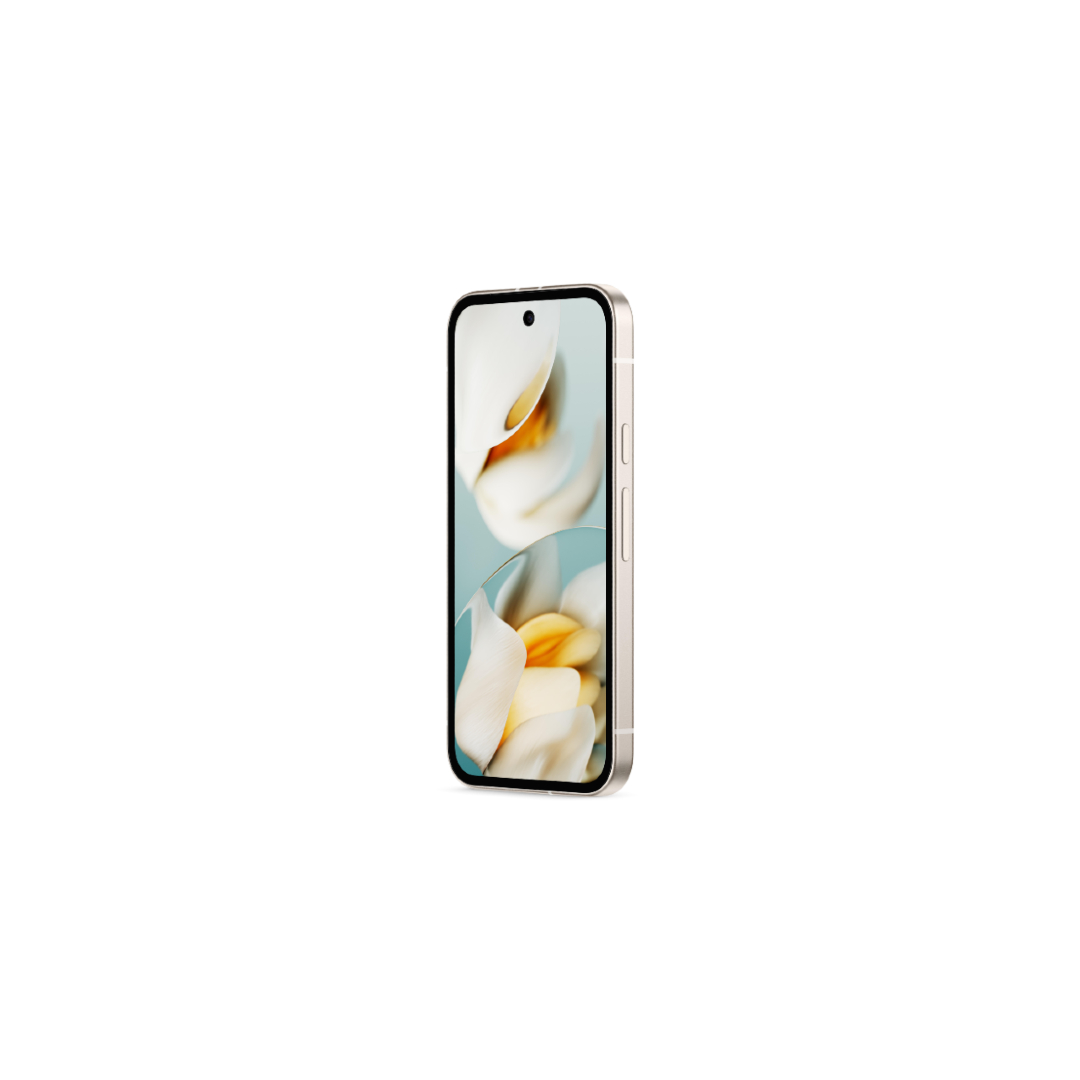
Point-and-shoot consistency paired with intuitive yet comprehensive software tools makes it easy to recommend the Google Pixel 9a as the best camera phone to buy on a tighter budget. It might not have all the bells and whistles of its flagship siblings, but you’ll be hard-pressed to tell the difference between Google’s two tiers most of the time.
Google upgraded the Pixel 9a with a new 48MP primary camera with a wider ƒ/1.7 aperture. This new setup captures superb levels of detail and color, even in tricky lighting. The main lens also sports a new macro mode that produces eye-catching close-ups and handles 2x zoom without issue. It’s a pretty versatile package. The lack of longer-range zoom and so-so ultrawide capabilities are the only real hardware drawbacks, but those are perfectly acceptable trade-offs when the primary camera looks this good for this price.
The Pixel 9a proves that flagship-consistency doesn't have to cost a fortune.
Many of the same software benefits I mentioned for the Pixel 9 Pro also apply to the budget-friendly Pixel 9a. The rebuilt panorama feature, Add Me, and Long Exposure all make the cut, giving creative photographers plenty to play with. 4K60 and 1080p at 120fps video support means you can also capture high-quality clips without spending a fortune.
Besides great-looking photos, the Pixel 9a has a lot else going for it. It’s powered by a last-gen flagship processor — Google’s Tensor G4 — and has superb battery life. Oh, and it’ll receive the same seven years of updates as Google’s Pro phones despite its affordable $499 price tag. There’s a lot to love here, but especially the pictures.
vivo X300 Pro: The best zoom camera
- Great main and zoom cameras
- A ton of camera modes and settings
- Global software is actually good
- Rapid charging
- Stumbles under sustained load
- Ultrawide camera is an afterthought
- Much smaller battery for most markets
- General AI features lag behind Google/Samsung
- Check out our vivo X300 Pro review for camera samples
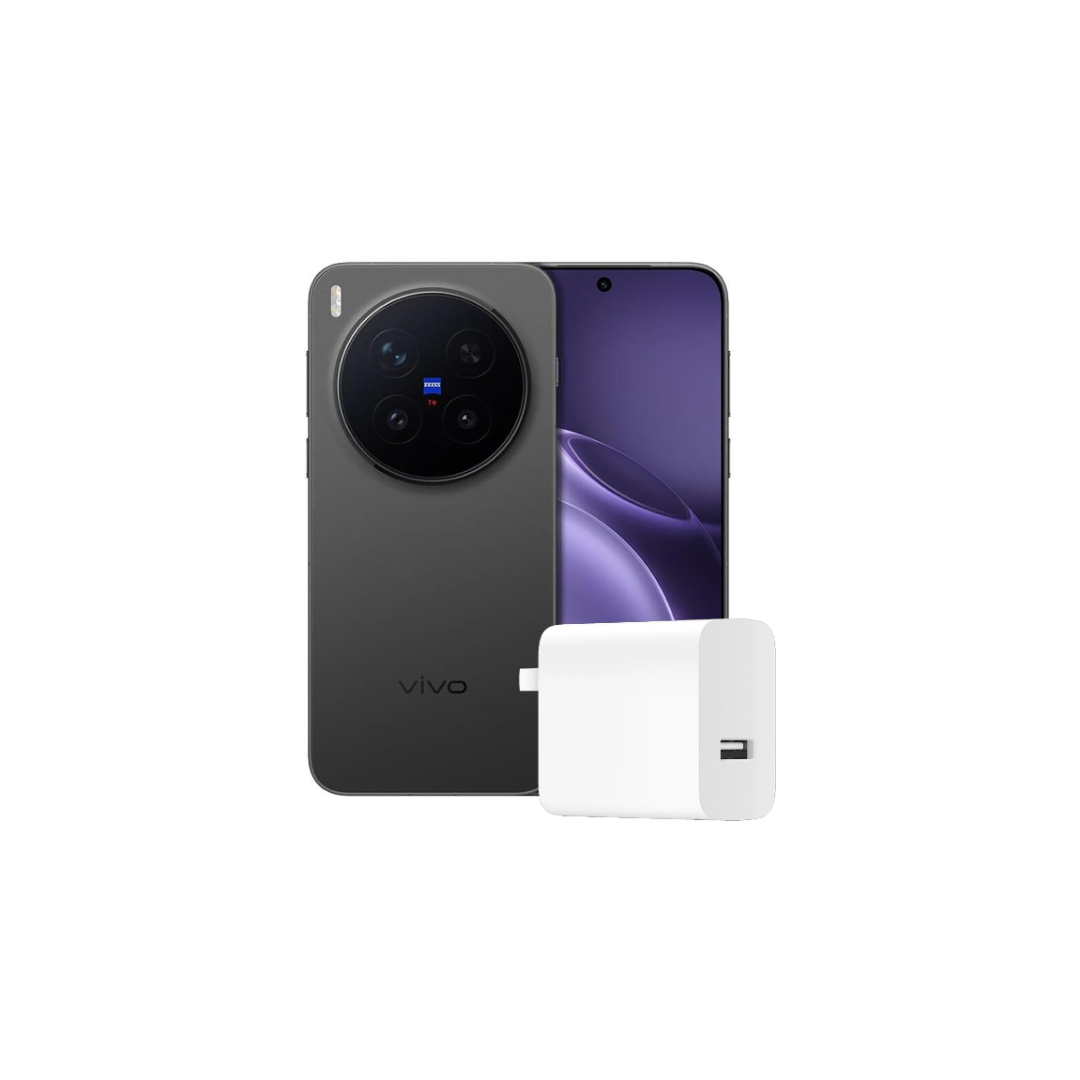
Many phones already mentioned in this list can take great-looking pictures at a distance, but if you’re after the absolute best, then the vivo X300 Pro is the phone to grab. Boasting an f/2.7, 85mm periscope lens backed by a colossal 200MP 1/1.4-inch sensor, the handset captures impressive details at its native 3.7x optical zoom and crops in for much tighter frames without losing detail. We’ve been impressed with the phone’s results right out to 10x, but it can also take super-close-up macro photos from the same lens.
If you’re really into wildlife-distance photography, vivo also sells a 200mm, f/2.3 extension lens for the Ultra’s impressive telephoto camera — and it’s available on global markets this year as well. Paired with a hybrid digital zoom, it can take pictures all the way out to 1,600mm. That’s a vast distance, although the quality doesn’t quite hold up that brilliantly at that range, and the lens setup struggles in low light. Still, for bright daytime shots, vivo has really improved its add-on from last year to make it a brilliant long-distance tool.
vivo is making a name for itself with unbelievable long-range photography.
The rest of vivo’s X300 Pro package is pretty great, too. While the battery could be larger, the powerhouse MediaTek Dimensity 9500 processor makes for an extremely capable flagship, and it’s paired with five major Android OS upgrades, which, although not the best, means the phone will last in the long term.

OnePlus 13: The best phone for selfies
- Gorgeous design
- Incredible camera zoom and overall photography
- Helpful AI integration
- Excellent charging options
- Simplified Oxygen OS experience
- Great performance
- Magnetic charging requires accessories
- Fewer updates than Samsung or Google
- Check out our OnePlus 13 camera samples
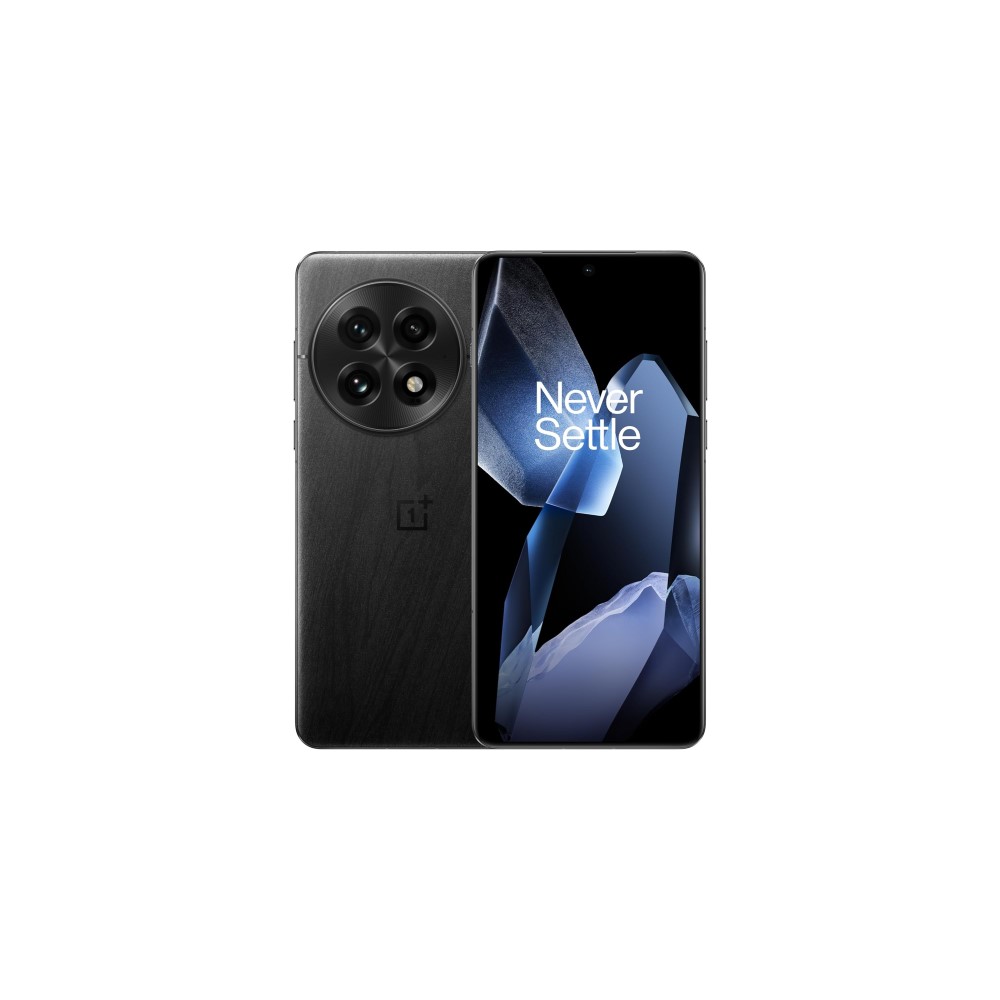
No, this isn’t a typo; the OnePlus 13 is still a cut above the OnePlus 15 when it comes to the best phones for portrait photography. Yes, the 32 MP, f/2.4, 21mm (wide), 1/2.74-inch front-facing camera is the same on both models, which makes them as good as the OPPO Find X8 Pro, which performed brilliantly in my selfies tests.
However, the rest of the OnePlus 15’s camera package is a notable downgrade from its predecessor. The 50MP primary sensor has been downsized from 1/1.43 inches to 1/1.56 inches, with a narrower f/1.8 aperture that allows slightly less light in. The 50MP telephoto sensor has been extended from 73mm to 80mm, but comes with a reduced sensor size and a narrower maximum aperture. So really, just stick with last year’s model, especially if you can save some cash too.
What makes the OnePlus 13 particularly well-suited for selfies is its excellent HDR capabilities, so you won’t look washed out even when shooting into bright light. Its low-light performance is also robust, and the phone offers sumptuous portrait lighting and blur options to make your photos look their best.
The OnePlus 13 takes great selfies no matter the lighting.
As a broader photography package, the OnePlus 13 also has a lot to offer. Surprisingly brilliant long-range zoom capabilities, stunning portraits, and robust video recording capabilities almost made this our best overall pick. Its new shooting modes excel in tricky lighting conditions, and it boasts impressive zoom capabilities for a seemingly humble 3x telephoto lens. Oh, and it’s a lickety-quick performer and charger, too.
After years of shaky photography, the OnePlus 13 nails a superb triple camera setup at a price that undercuts the competition. It’s a shame its successor didn’t continue in this vein. Don’t let the price and its age fool you; this phone can take on any camera phone on this list.
Apple iPhone 17 Pro: The best phone for video
- Excellent telephoto camera
- Crisp 120Hz display
- Great update support
- Durable aluminum build
- Superb video capture
- Apple Intelligence is still very limited
- Decent (but not great) wired charging
- Performance isn't a runaway hit
- Check out our iPhone 17 Pro review for camera samples
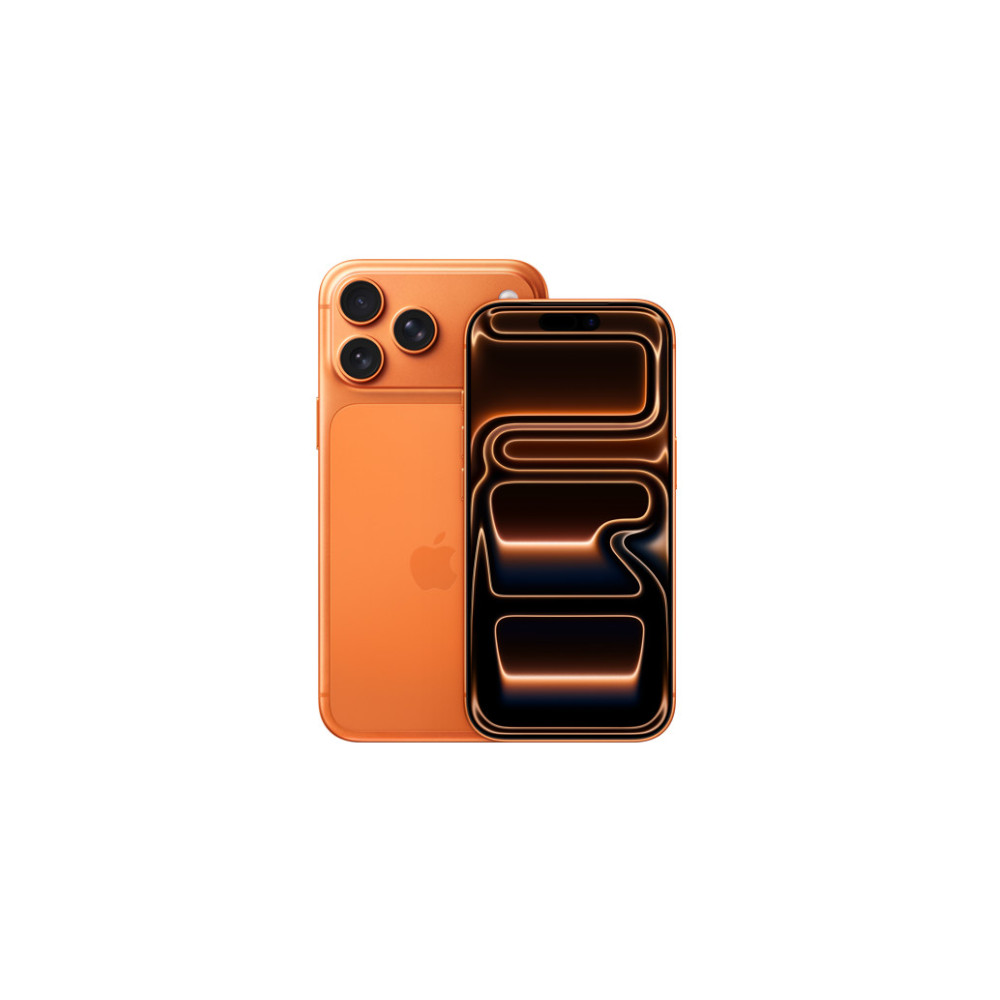
When you want to capture stunning-looking video, Apple’s iPhone 17 Pro (or the larger Pro Max) is currently the best choice on the market. It’s powered by a 48MP primary camera with sensor-shift OIS, a 48MP ultrawide lens, and an improved 48MP 100mm, 4x optical periscope zoom camera, all featuring the same robust stabilization hardware. While the range isn’t quite as long, the larger sensor with more megapixels allows for better quality zoom snaps and video.
Granted, the latest iPhones still don’t record in 8K like some top-tier Android rivals, but resolution is far from everything. Support for both ProRes RAW and 4K with Dolby Vision at 120fps is more than most will ever need, even for fast-paced action. Furthermore, Apple’s unique combination of robust stabilization, cinematic-quality processing, and impressive low-light capture is what truly sets the Pro apart as a brilliant choice for videographers.
High quality footable and professional file formats make the iPhone a top choice for video.
For the truly serious content creator, the latest iPhones can record high-resolution RAW video footage directly to external storage via USB-C. Paired with the aforementioned file formats, cinematic modes, Photographic Styles, and Clean Up, you’ve got all the makings of professional-looking footage and photos in the palm of your hand.
Honorable mentions
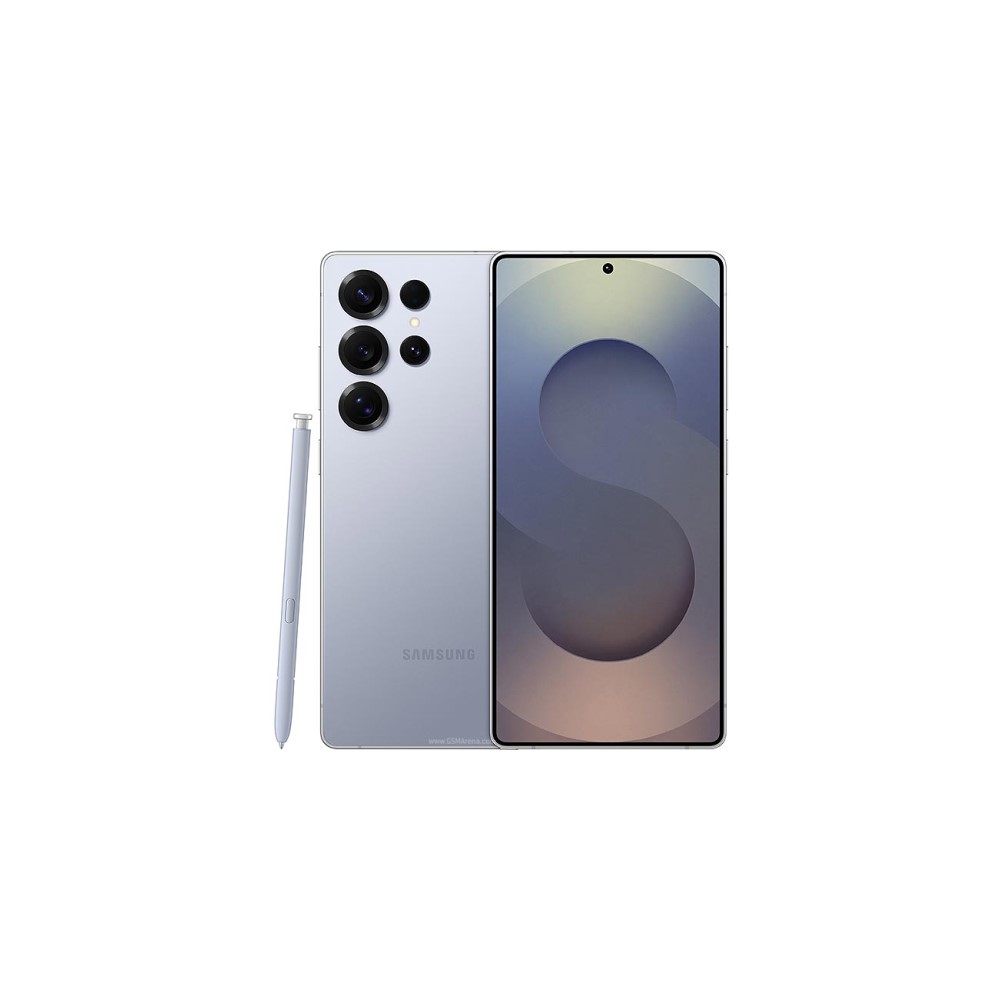
We can’t mention camera versatility without the Samsung Galaxy S25 Ultra. It’s not the absolute best like previous generations have been, but whether you’re shooting portraits, landscapes, or something far off in the distance, the Galaxy S25 Ultra has the lenses and quality to capture pictures you won’t be disappointed in.

If you’re looking to make video content with an Android phone, Sony’s latest Xperia 1 VII will be right up your street. With powerful hardware backed by Sony’s Pro Video software, packed with metering, temperature, white balance, audio, and other controls that professionals will love. Oh, and it’s bundled with live streaming options too.
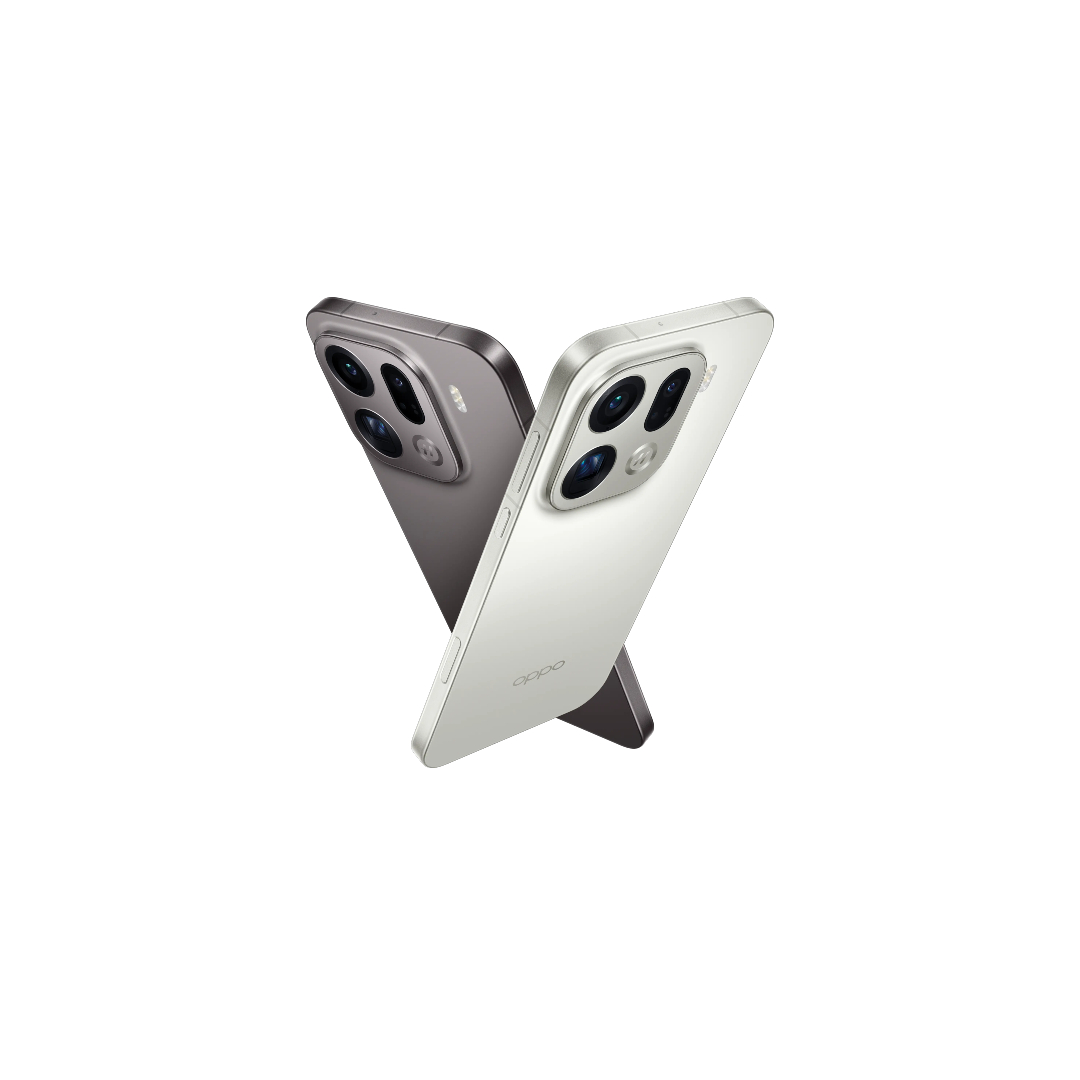
I’ve been a big fan of OPPO’s latest smartphones, going as far as to use the Find X8 Pro as my daily driver for its brilliant photography capabilities. OPPO followed up in no time with the Find X9 Pro, sporting an even faster processor, slicker design, and an even more powerful camera setup (even though it drops from four to three lenses). If you’re outside the US, it’s well worth a look.
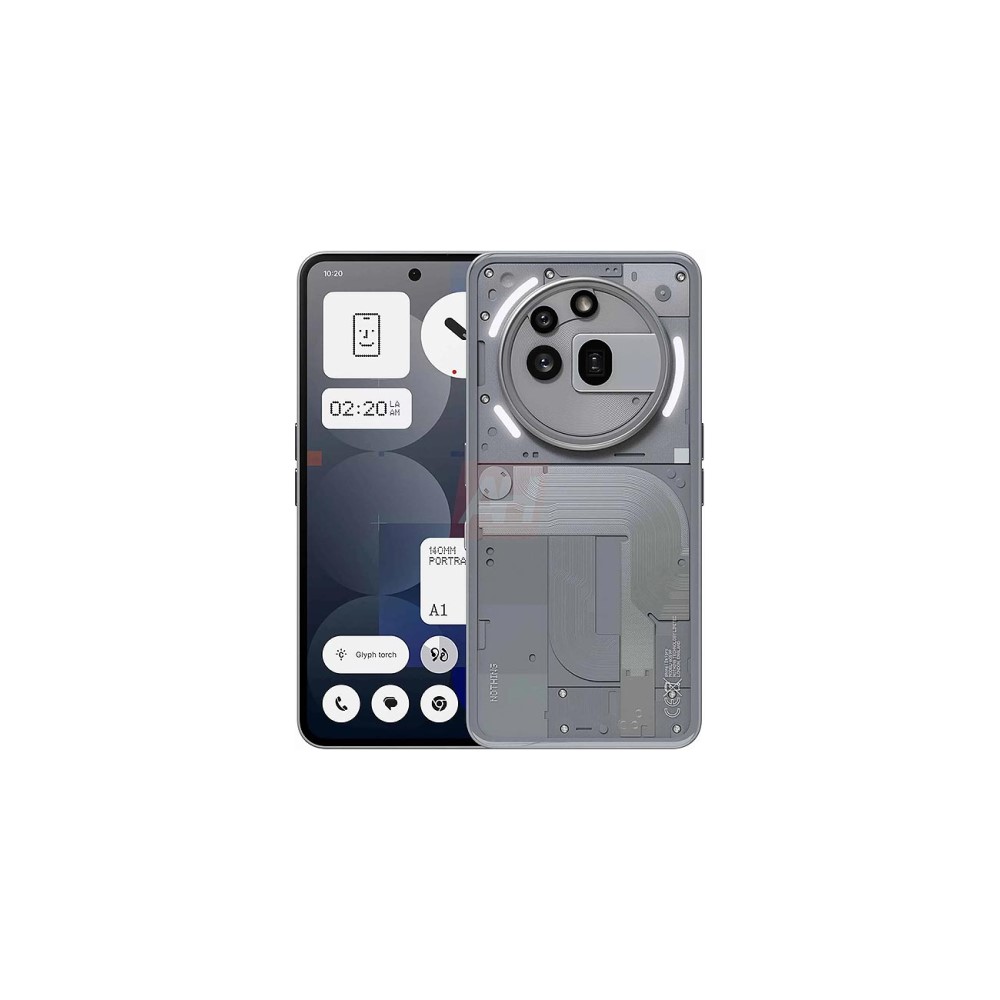
It was an incredibly close call between the Pixel 9a and the Phone 3a Pro for our best value pick, but the latter’s shaky US carrier availability is an issue. Still, the 3a Pro offers additional camera flexibility over the 9a, thanks to its dedicated 3x 50MP telephoto camera. Paired with a 50MP primary sensor, it’s a versatile package that performs well in low light at longer distances. Overall, it’s a pretty great camera setup for such an affordable phone.
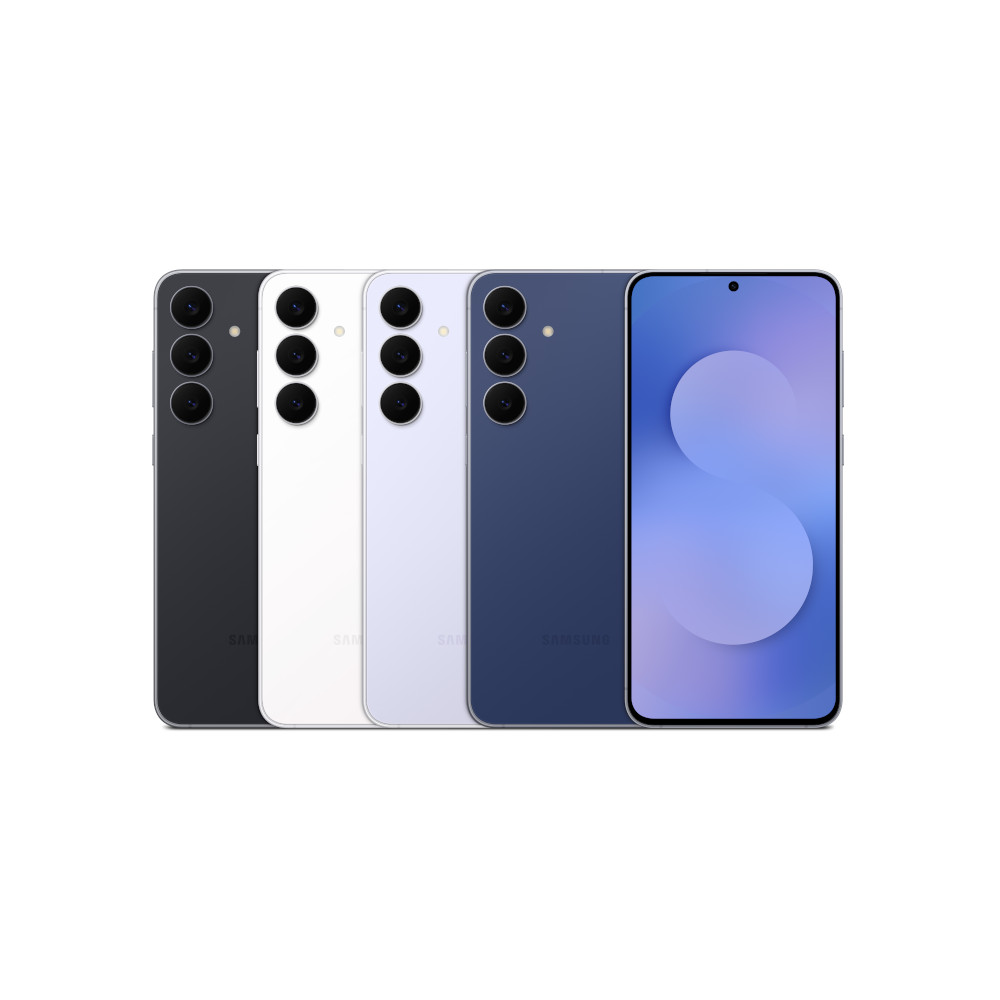
It’s not quite as affordable as the other value-centric options on our list, but the Galaxy S25 FE has a versatile triple camera setup that really isn’t far from the superb quality of a flagship phone. It’s a bargain that makes you wonder if you really need to spring for the Galaxy S25.
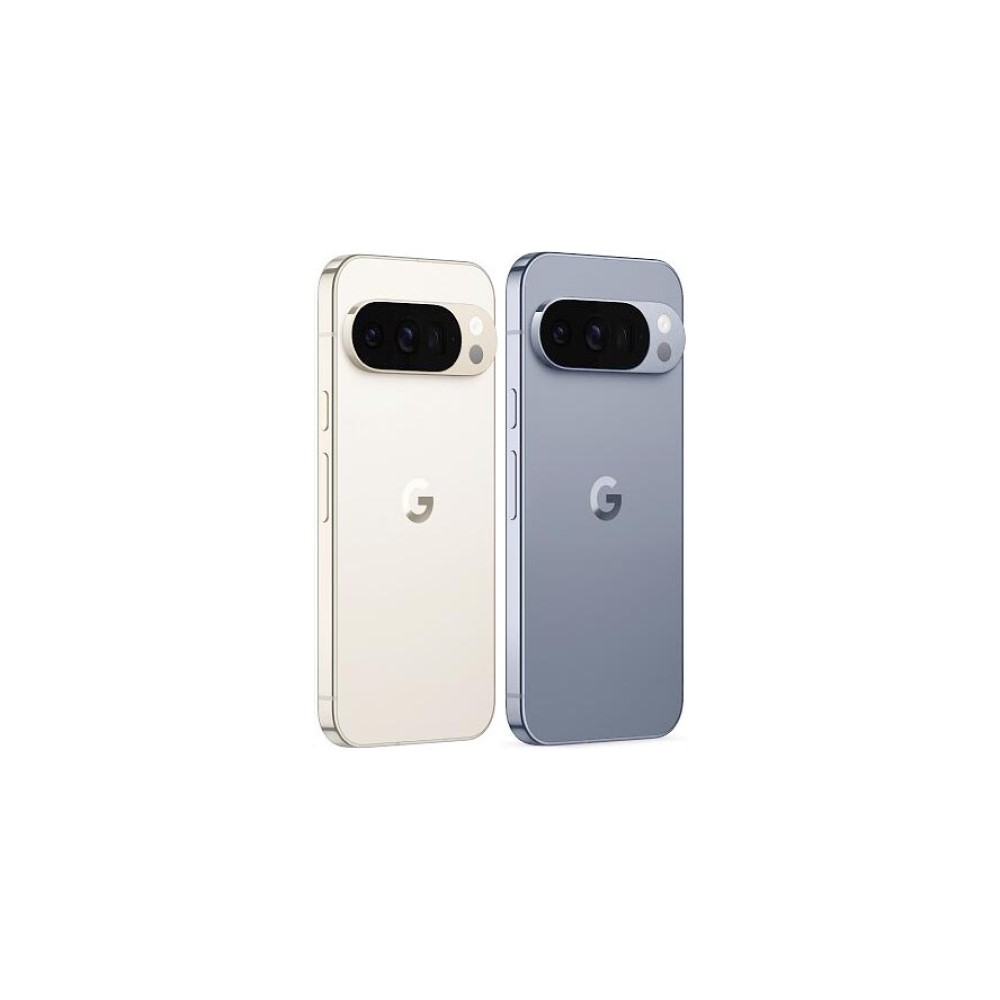
Another brilliant camera package that won’t absolutely break the bank; the Google Pixel 10 Pro‘s camera suite mirrors the XL model, including the 5x periscope lens. It takes great pictures at its optical focal length and performs admirably at 10x and even a tad beyond. Want the overall best but in a smaller form factor? The Pixel 10 Pro is your pick.
What to look for in a good camera phone

As you can probably tell from this best list, there’s a huge range of smartphone camera hardware on the market. Picking the right combination for you really boils down to the type of pictures you’re trying to capture on a regular basis.
If you love landscapes, consider a camera with an excellent ultrawide lens. If you’re more of a people person, a phone with a portrait-friendly focal length is the way to go. However, don’t fret about the megapixel count or lens number; finding the best camera is more about mastering the fundamentals within your set budget than having the absolute latest and greatest of everything.
Consistency is key when it comes to picking a camera phone suitable for any occasion.
No matter what your preference, I have some essential camera purchasing tips that I recommend for absolutely everyone:
- Sensor size over megapixels: Megapixels are good for cropping in on detail, but you only need 12MP to print most pictures on a good-sized canvas. Instead, the size of the phone’s image sensor is likely to be a far bigger factor in terms of image quality. Bigger sensors capture more light, which results in better dynamic range and less noise in low light. While a 1-inch sensor might be top of the line, 1/1.4 or above is considered very good.
- Three cameras for versatility: If you’re looking for a phone capable of taking the perfect picture in any scenario, you’ll want more than a single camera. Wide, ultrawide, and telephoto zoom combinations are very popular on high-end models, allowing you to capture broad landscapes or zoom right in on distant details. Some ultra-premium models include periscope cameras as well, allowing for even longer-range zoom.
- Optical zoom over digital zoom: Brands love to tout long-range zoom credentials like 30x or 100x capabilities, but these are always digital zoom and look, frankly, rubbish. Instead, eyeball the phone’s optical zoom capabilities (usually 3x, 5x, or 10x) and double that for a realistic maximum zoom distance with reasonable quality.
- Don’t bother with macro lenses: Keen to capitalize on the multi-camera trend, some affordable phones include additional cameras that aren’t all that useful. The macro lens is a popular option, but it often comes with horrendously reduced specs, such as a tiny aperture and low resolution. Just ask yourself, how regularly are you really going to point your phone super close up at anything?
- A 50-70mm lens for portraits: If you plan to take lots of pictures of friends, family, and pets, you’ll want a phone with a good telephoto camera, with a focal length in the range of 50-70 mm. Why? Well, a lens of that focal length does two important things: it captures realistic face shapes that aren’t too narrow or too wide, and adds natural bokeh that makes your subject stand out from the background.
- Selfie cameras that aren’t too wide: I know we all want to fit our friends and family, but any camera (front or back) boasting a focal length of less than 22 mm or a field of view greater than 120 degrees will look warped and unflattering. Trust me, pick something a little narrower and your photos will look better.
Why you should trust me

I love photography. I’ve been professionally testing smartphone cameras for years, having reviewed my way through the transition from the humble single camera to the triple and quadruple behemoths found on today’s top-of-the-line flagships. I’m attached at the hip to my Fuji mirrorless and constantly striving to find a smartphone camera that can close the quality gap. Equally, I can chat your ear off about the pros and cons of quad-bayer filters and why aperture isn’t everything when it comes to long-range zoom.
From the very best camera flagships to budget-friendly models, I've shot with everything.
So, let’s just say I know what goes into taking a good photo, both the hardware and the software. However, selecting the right phone when you have to compromise on budget and size can be difficult. I make my judgment calls by first sifting through the huge range of options on the market, digging through their specs and features to find combinations that look top-tier across various price points.
Then, I dive into the massive range of snaps from our review time with these models, sorting out the good pictures from the bad across ultrawide, portrait, low light, selfie, and various other shooting scenarios. You’ll probably have spotted numerous camera shootouts I’ve conducted for the site, where I pit phones side by side to see which comes out on top when taking photos of exactly the same subjects.
The final piece of the puzzle is to look at the camera strengths (and weaknesses), the price, and the bigger smartphone picture, and decide which phones will best serve your needs.
What do you look for in the best camera phones?
Smartphone camera technology continues to push the boundaries of what’s possible in a pocketable form factor. As such, I carefully reevaluate our recommended picks every few months, taking into account what the latest and greatest innovations are and weighing them against the broader market and what’s actually a sensible sweet spot to spend your money on.
Thank you for being part of our community. Read our Comment Policy before posting.