Affiliate links on Android Authority may earn us a commission. Learn more.
5 Android phones you should buy instead of the Samsung Galaxy A37
Jun 25, 2026 — 6:00 AM ET



The Galaxy A37 might not be quite as powerful as the Galaxy A57, but the gap isn’t as massive as you might think, and you’ll save $100 in the process. For just $450, the Galaxy A37 offers a reasonably decent Exynos processor, a beautiful AMOLED display, and a basic but capable camera package.
If you’re on a budget, Samsung’s cheaper mid-ranger is certainly worth your consideration. Of course, for just a bit more money, you can actually find several handsets that pack a bigger punch. With that in mind, here are a few other Android phones you should also consider before making up your mind and settling on the Galaxy A37. Be aware that this list was primarily written with the US market in mind.
What do you think is the best Samsung Galaxy A37 alternative?
Samsung Galaxy A57

Mostly sold on the Galaxy A37, but looking for just a slight bit more from it? The Galaxy A57 shares a lot of the same DNA, but for $550, you’ll find it also adds quite a few upgrades of its own.
The Galaxy A57 not only has a faster Exynos processor but also upgrades to 8GB of RAM (compared to 6GB on the A37). While the camera package is mostly the same, the A57 does have a slightly better 12MP ultrawide lens. Beyond that, the Galaxy A57 has a premium aluminum frame that stands out a bit more than the A37’s plastic frame.
Beyond that, you’ll find the Galaxy A37 and A57 are very similar animals. They have the same displays, batteries, and solid software update policy. Ultimately, you have to decide what matters more to you: saving $100 or having a somewhat faster device with a more premium build.
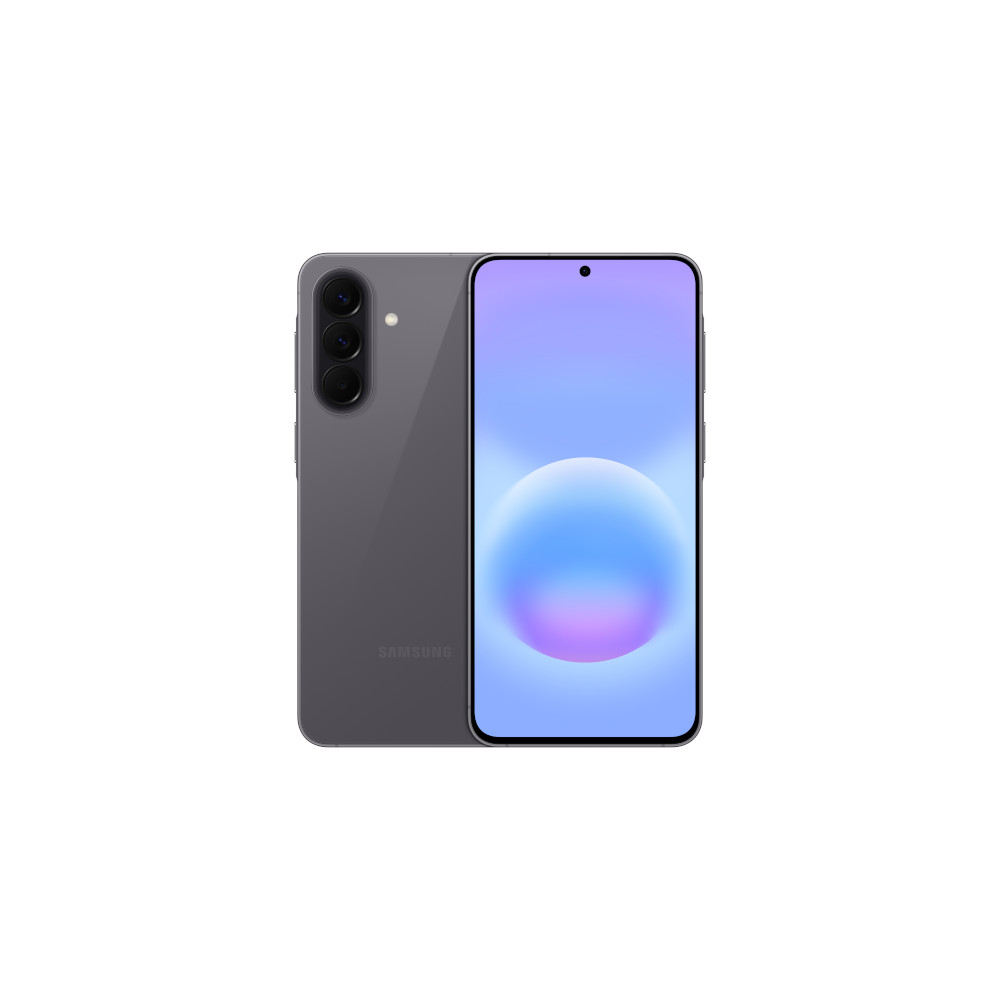
Google Pixel 10a

If you aren’t absolutely set on a Samsung phone, the Google Pixel 10a is worth a close look. I actually picked this phone up myself recently as a secondary device and have been fairly impressed with it.
For just $50 more than the Galaxy A37, you get an excellent camera package that is genuinely better and doesn’t jut out as the Galaxy A37’s camera sensors do. You’ll also find that Google’s Pixel UI is highly responsive, fluid, and packed with just the right mix between minimalism and stand-out features.
While the Tensor G4 might not be up to the same standards as many high-end Snapdragon chipsets, the Pixel 10a’s processor actually is a solid step above the Galaxy A37’s much more modest Exynos 1480. You’re also just a tiny bit larger battery, wireless charging, and 8GB of RAM versus just 6GB on the A37.
Samsung’s slightly cheaper alternative might have some clear disadvantages, but it’s not without its own upsides. First, it has 45W charging, versus the Pixel’s 30W. It also has a larger 6.7-inch display for those who prefer larger screens, compared to the Pixel 10a’s 6.3-inch screen. However, if charging speeds aren’t important to you and you prefer a smaller phone, the Pixel 10a is well worth the money.

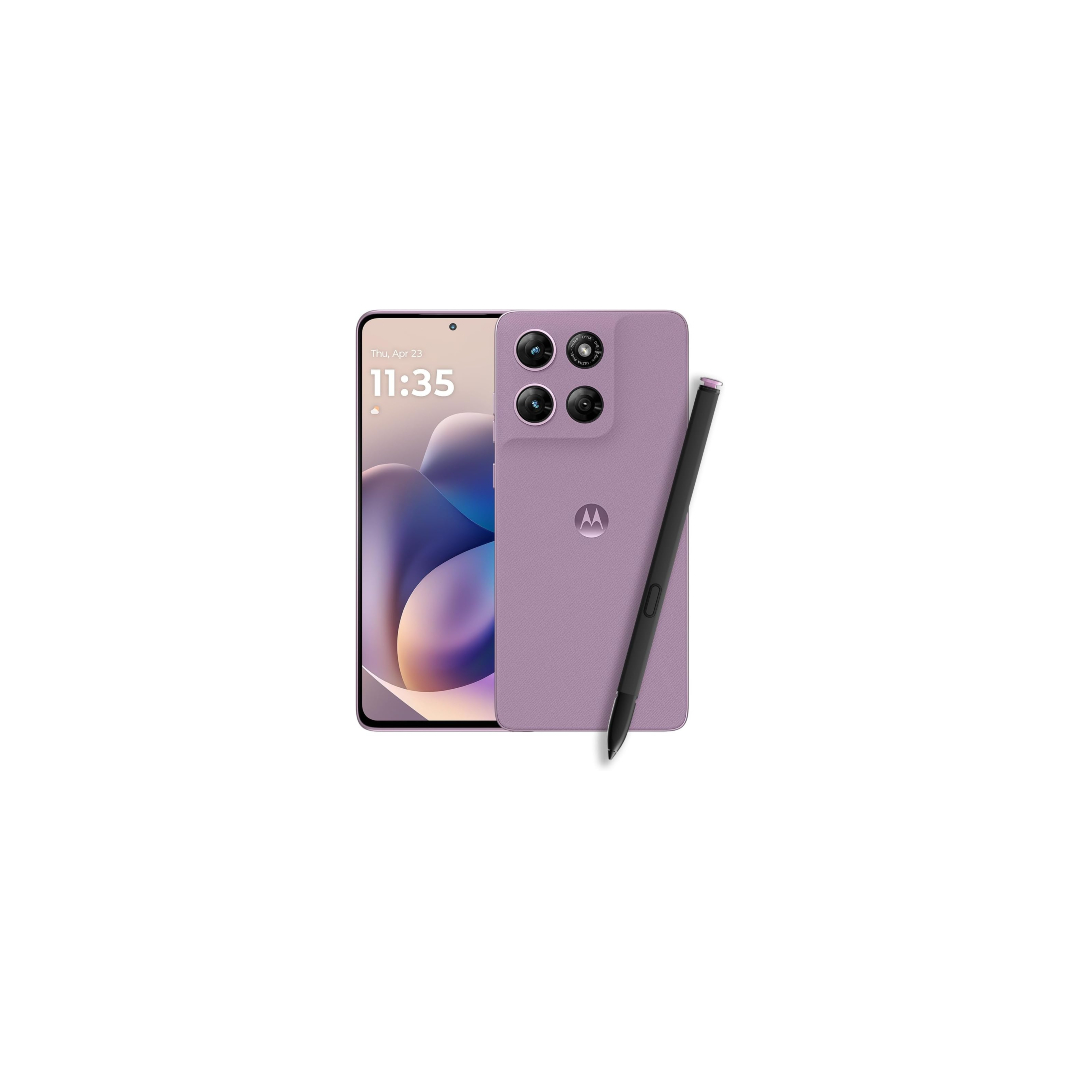
Motorola Moto G Stylus (2026)

Looking for something a bit different? It might not stand out much in the looks department, but the $500 Moto G Stylus (2026) is a mid-ranger that evokes the energy of the aging Galaxy Note series thanks to its new active stylus.
The stylus now has palm rejection, Circle to Search integration, and a few other tricks that make it a small step closer to the S-Pen than to the more basic stylus used in past Moto G Stylus models.
The Moto G Stylus also has a 50MP main camera, just like the Galaxy A37, but one-ups it by including a 13MP ultrawide camera compared to Samsung’s 8MP ultrawide option. You’ll also get much faster charging here, thanks to Motorola’s 68W TurboPower charging technology. Unlike Samsung, Motorola also includes 15W wireless charging.
While the Moto G Stylus (2026) has its positive side, the Samsung A37 has a faster, more modern processor. You’ll also find the Galaxy A37 has a much better software update policy. Those are serious benefits, but if you like the idea of an included stylus and much faster charging, Motorola’s phone is worth a look.
Nothing Phone 4a Pro
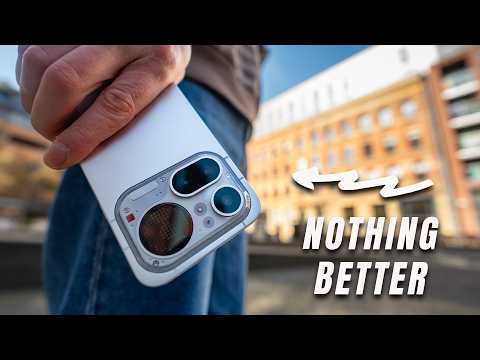
While there have been some great mid-rangers on this list already, the truth is that most devices in this price range sacrifice design to push specs as far as they can within a budget package. Thankfully, the Nothing Phone 4a Pro manages to do both things equally well.
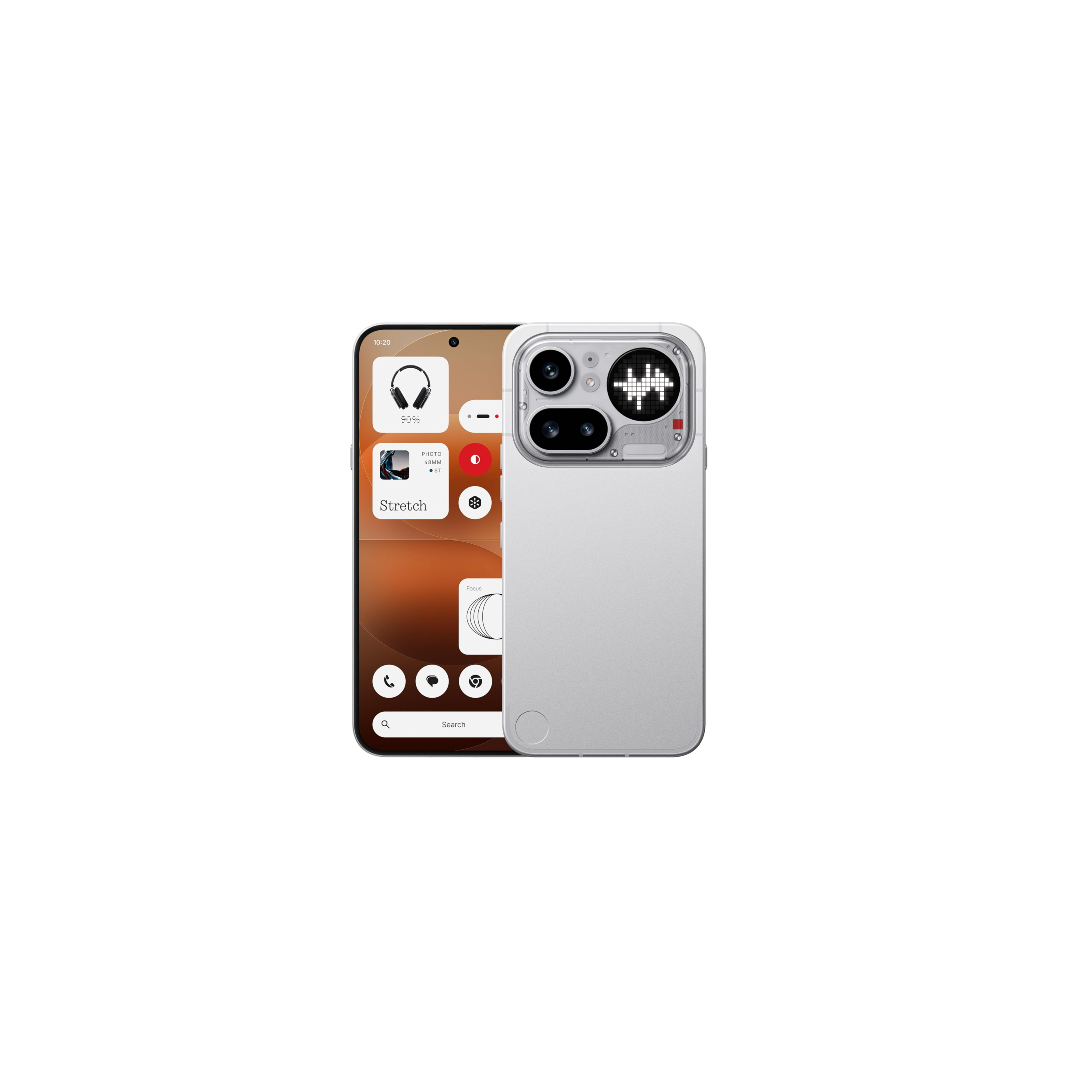
Priced around $500, the Nothing Phone 4a Pro has a unique design, centered on its large transparent camera bump that houses an equally unusual camera placement. There’s also a Glyph Matrix secondary display that helps provide basic glanceable info without opening your phone.
The Nothing Phone 4a Pro has a fairly solid camera setup, with a periscope telephoto lens with 3.5x optical zoom, a 50MP Sony LYT-710 primary camera sensor, and an 8MP ultrawide shooter. You’ll also get a Snapdragon 7 Gen 4 here, versus the considerably weaker Exynos 1480 found within the Galaxy A37. Last but not least, you’ll find that the Nothing Phone 4a Pro has a slightly larger battery and a cleaner UI that might be preferred to the heavier Samsung One UI.
Of course, the Galaxy A37 isn’t without a few minor advantages of its own. First, the A37 has a stronger IP rating of IP68 vs. the Nothing Phone 4a Pro’s IP65 rating. That means both are equally dust-tight, but the former has better water protection. Samsung also has a much better software update policy, with six years of OS updates and security fixes. Meanwhile, Nothing promises just three years of OS updates.
Samsung Galaxy S24

The Galaxy S24 is a great phone that I’ve been rocking as my primary handset for about two years now, so why is this aging device on the list? Well, it’s actually quite easy to find for around $350-$400 refurbished on Amazon.
Even two years later, this aging flagship still has a massively more powerful Snapdragon 8 Gen 3 processor and a camera package that stands out thanks to its higher resolution 12MP ultrawide shooter and 10MP telephoto lens with 3x optical zoom. You’ll also get a more premium build here, and there’s still quite a bit of life left in its software update cycle.
The mid-range Samsung Galaxy A37 does have the advantage of being newer, though, and it offers a few upgrades that Samsung has focused on over the years. First, it has a 1,000mAh larger battery than the Galaxy S24, and the A37 also supports faster 45W charging. While this might matter less to some, the A37 also has a larger 6.7-inch display, though the Galaxy S24 has greater peak brightness and a dynamic refresh rate.
Thank you for being part of our community. Read our Comment Policy before posting.