Affiliate links on Android Authority may earn us a commission. Learn more.
With the Pixel 11, Google has abandoned the main reason I used to recommend Pixels
Aug 19, 2026 — 5:00 AM ET



The Google Pixel 11 series arrived last Wednesday to a mixed reception. While there were interesting and noteworthy changes and upgrades made to Google’s newest quartet of flagship phones, I’ve been stuck chewing over the universal price increases since the keynote ended.
Google, of course, didn’t tell us that prices have gone up during its presentation, so here’s a table to show you what I mean, compared to what the equivalent Pixel 10 model cost.
| Base | Pro | Pro XL | Pro Fold | |
| Pixel 11 series | $899 / £879 | $1,099 / £1,079 | $1,299 / £1,279 | $1,899 / £1,799 |
| Pixel 10 series | $799 / £799 | $999 / £999 | $1,199 / £1,199 | $1,799 / £1,749 |
As we can see, it’s a fairly flat $100/£80 increase across the board. It also unfortunately means that the cheapest model in the line-up — the standard Pixel 11 — has seen the highest percentage price increase.
Price hikes are never good, but with the Pixel 11, it feels particularly damning.
Google Pixel 11 series: Hot or Not?
No price hike is good — but this one’s especially bad
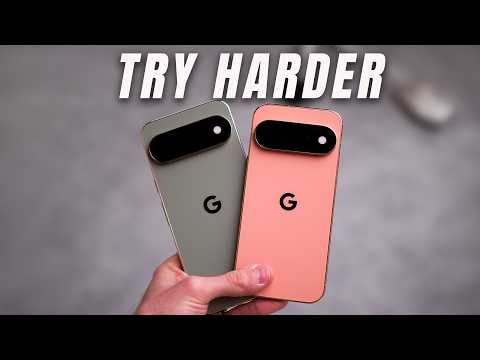
I’ve long maintained that if I were to leave the consumer tech journalism business, and therefore had to buy my own phones again, I’d start with a Pro Pixel. Not just because Pixel phones are good to use and full of interesting features, but because they’ve been cheaper than the competition.
This feeling came about when the Pixel 6 series arrived in 2021. Like a lot of people, this was the moment when Google’s Pixel phones went from an also-ran in my mind to a Samsung/Apple-level big player in the smartphone hardware world. While the Pixel doesn’t account for as much of annual smartphone sales as those other two companies, I’ve started to see normal people buying and enjoying these phones, rather than them being wielded exclusively by my gadget-geek peers.
Over time, the price difference has shrunk, and my certainty has wavered.
I think a large factor in the sudden rise of the Pixel was its price. Going back to the Pixel 6, it cost $599/£599 for the standard model and $ 899/£849 for the Pro (which is equivalent in size and features to the current Pro XL model). At the same time, Apple’s iPhone 13 and Samsung’s Galaxy S22 cost $799, while the iPhone 13 Pro Max and Galaxy S22 Ultra cost $1,099 and $1,199, respectively.

But over time, the price difference has shrunk, and my certainty has wavered. As we see above, the Pixel 10 series matched the prices that Apple and Samsung had been offering their phones at for several years. Fortunately for Google, the Pixel 10 managed to get a few months as a “budget” pick again due to the price hike given to the Galaxy S26 series earlier this year.
But now Samsung and Google are on an even playing field again, and you’ll pay at least $899 whether you choose the Galaxy S26 or Pixel 11. And somehow, it’s Apple that’s selling the cheapest flagship phone of the big three phone makers in the West, with the iPhone 17 retailing for $799.
Take away the price advantage in a year where Google hasn’t made significant battery, performance, or camera changes with the Pixel 11, and you start to wonder what the point of the Pixel is at this point.
It both is and isn’t Google’s fault

We are unfortunately living at a time when tech is becoming more expensive, with much of that due to RAM shortages that are hiking the prices of basic phone components. And since that’s almost exclusively because of the genAI boom, Google — as one of the biggest players in the sector — bears a fair amount of responsibility for this self-inflicted wound.
I still feel that Google could have swallowed more of the component cost to protect the Pixel 11 series from price hikes.
But I don’t feel sorry for Google; I feel sorry for smartphone buyers. Users who are intrigued by the new HiLight feature, AI updates like the Rambler, new camera features such as Pro Stable Video or Magic Capture, or are simply diehard Pixel fans have to pay more for the privilege. Meanwhile, users who just want a good deal on a flagship-grade device now have even more limited options. And in a smartphone market that keeps losing competitors as participating brands stop selling in certain countries or give up on phones altogether, Google’s decision ends up having an outsized impact.
Even if manufacturing costs are higher, I still feel that Google could have absorbed more of the component costs to protect the Pixel 11 series from price hikes. Google is always prompting us to “ask more of your phone” in its advertising. I feel keeping the price down isn’t an unreasonable request.
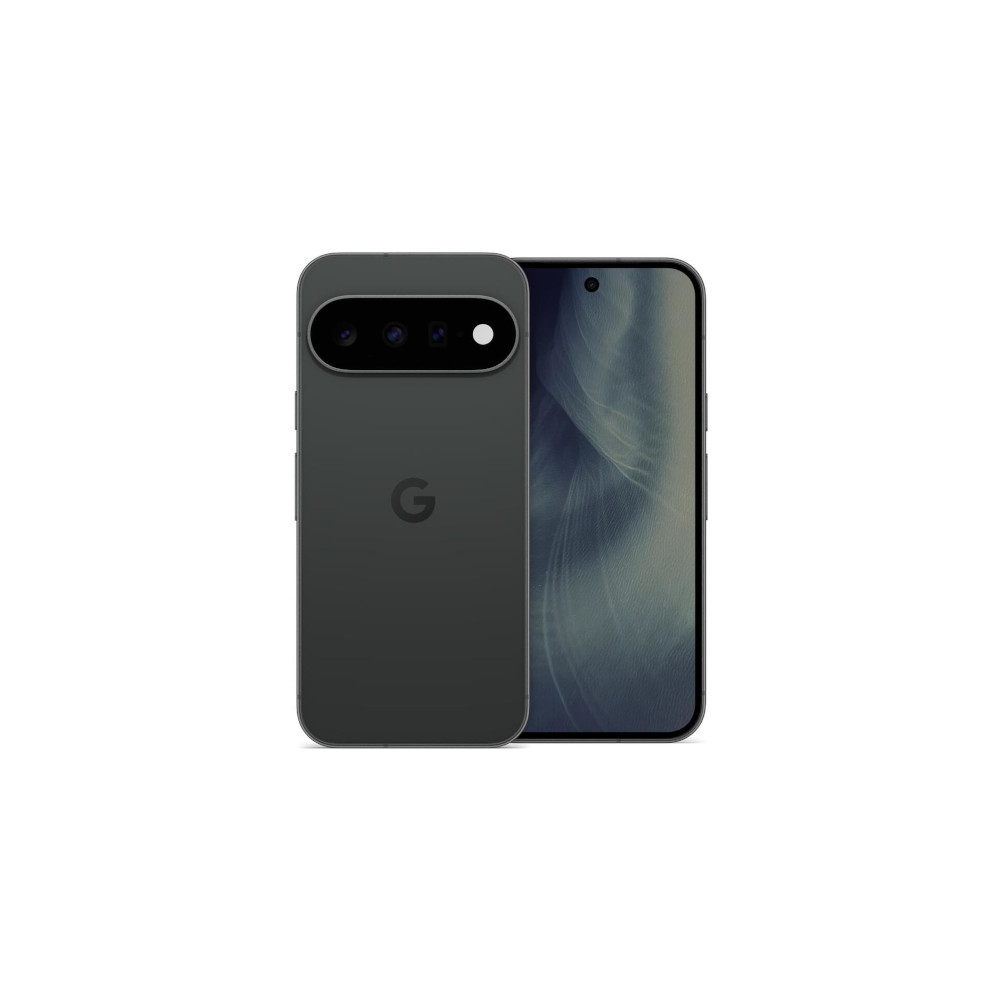
25W Pixelsnap magnetic charging
Larger 48MP main camera sensor
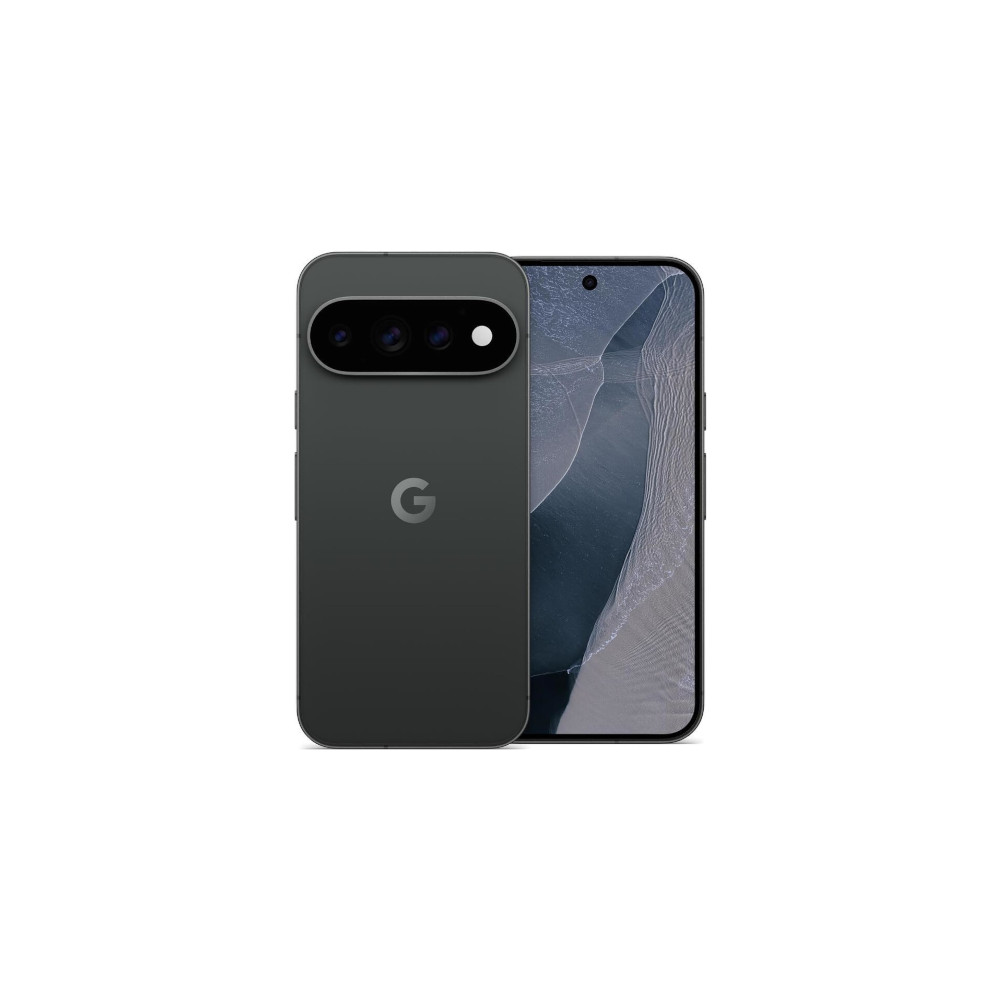
7 years of Android updates
Built-in magnets with Qi 2.2
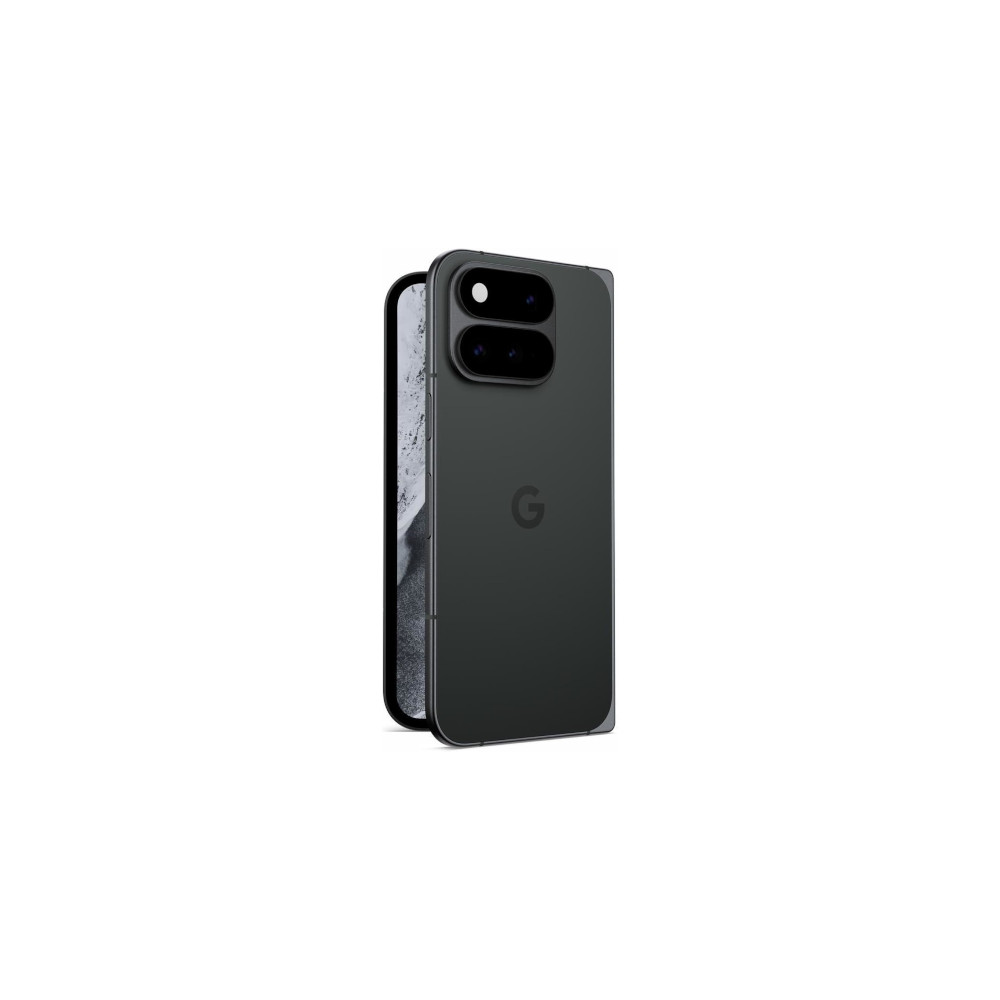
Strong multitasking potential
Useful Gemini features
Thank you for being part of our community. Read our Comment Policy before posting.