Affiliate links on Android Authority may earn us a commission. Learn more.
I’ve used the Pixel 11 Pro XL and iPhone 18 Pro Max, and Apple’s ecosystem isn’t enough anymore
Oct 20, 2026 — 6:30 AM ET


Comparing the latest iPhone and Pixel devices used to be troublesome. It always boiled down to the same thing. Either you were firmly entrenched in the iOS ecosystem and were stuck with Apple, or you’d never use an iPhone, no matter how many advantages it had. Two distinct camps existed, with little hope of much crossover. It was rare for a buyer to sit down and decide between the two, but times have changed.
Google worked to make Pixels a more attractive alternative to the iPhone, from a sleeker design to more intuitive software, and the results have been positive. Meanwhile, Apple’s definitely come back to the pack, and what used to be an easy choice is anything but. I’ve used the iPhone 18 Pro Max and Pixel 11 Pro XL, and Apple’s ecosystem doesn’t have the hold it once did.
Which smartphone are you choosing?
What I love about the Pixel 11 Pro XL

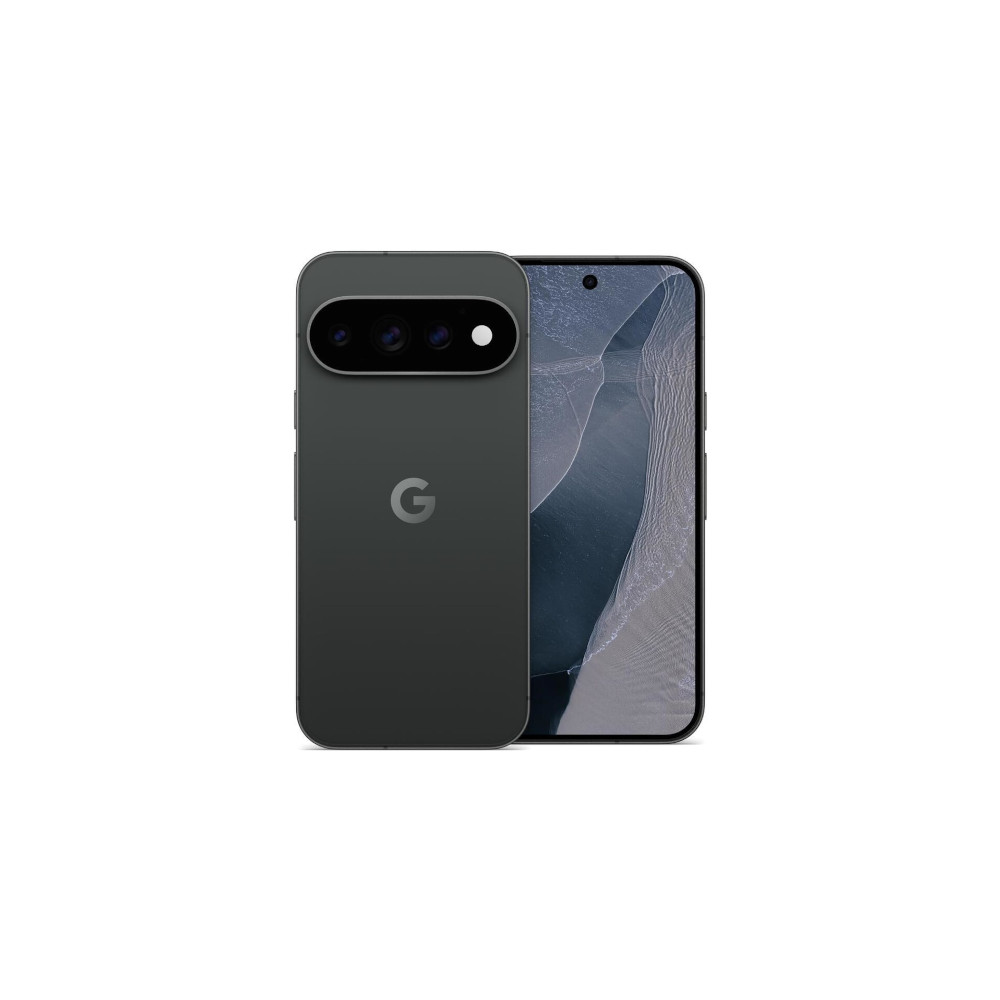
It took Google long enough, but it feels like the company has arrived at its original vision for its smartphones. When you hold a Pixel 7 Pro and Pixel 11 Pro XL side by side, it’s almost hard to believe they came from the same company. The Pixel 11 Pro XL’s design is refined and premium, and while it loses much of the awkward charm of earlier Pixels, it looks and feels like a flagship — especially important for competing against Apple and Samsung on store shelves.
The Pixel 11 Pro XL didn’t get any thinner, but it did shed a few grams. At 226g, it’s noticeably lighter than the iPhone 18 Pro Max. I’m not someone who constantly cries for companies to make phones lighter and thinner, especially if there are too many compromises, but the iPhone’s 249g borders on too much for a non-folding phone.

Google scored again with the Super Actua panel on the Pixel 11 Pro XL. I can hold it and the iPhone 18 Pro Max in either hand and not definitively pick a winner, which is a far cry from the days of phones like the Pixel 7 Pro I mentioned earlier. From a technical standpoint, the main holdup for the Pixel is its Tensor G6 powerplant. I always feel the need to reiterate that I’m not a Tensor hater, but if you’re used to a certain level of raw power and performance, especially for gaming, you’ll notice a dip with the Pixel compared to other flagships. That contrast is especially stark against the A20 Pro in the iPhone 18 Pro Max, which is quite powerful.
While the Pixel 11 Pro XL may not go toe-to-toe under the hood, it’s more than a match with its software. Material 3 Expressive design on Android 17 has been a joy to use on the Pixel 11 Pro XL, and oddly, Android has been more reliable than iOS in my two weeks using them side by side. I believe the “it just works” narrative has been gone for Apple for years, but the last two years have made it especially noticeable.

Beyond the friendly, intuitive software design, Google has taken other steps to make coexistence with iOS users easier. Quick Share compatibility with AirDrop matters more for casual users than you might think, and it works well. I transferred several videos and pictures without issue, pulling video from my Pixel onto my iPhone and then through to my MacBook Air in moments. Google has also taken steps to make switching from iOS less traumatic, and RCS support is still in the background for people who are scared to leave iMessage.
Overall customization is stronger on Android. iOS has a few advantages I’ll mention later, but the degree to which you can personalize your Android experience is still unmatched.
I’m still not completely sold on AI on smartphones, but Gemini Intelligence at least shows some flashes of coming together. If you love speech-to-text, Rambler is for you. You can spew out several paragraphs, and Gemini will turn it into something polished you can send. AI has a long way to go, but at least I see the light at the end of the tunnel on the Pixel.

Earlier Pixel phones earned a reputation for poor battery life. Inefficient Tensor chipsets and poorly performing modems were a terrible combination, and my Pixel 6 was a painful experience. That’s not the case anymore. The Tensor G6 may not be the most powerful flagship SoC, but it’s efficient, and I don’t worry about charging my Pixel at night as I did in years past.

I appreciated Google upgrading the triple-camera setup on the Pixel 11 Pro XL. The headline change is a larger sensor on the telephoto lens. It’s noticeable, and I enjoy not having any quality drop-off when switching between sensors. Night Sight processing is faster this year, and the photos are sharp with good color. I used to complain frequently that point-and-shoot Pixel images were a bit drab. Google’s tweaked things a bit this year, leaving more saturation in the images. You can also swap through different styles, much like the iPhone, to get a feel for the photo you want before you snap it.
What I love about the iPhone 18 Pro Max

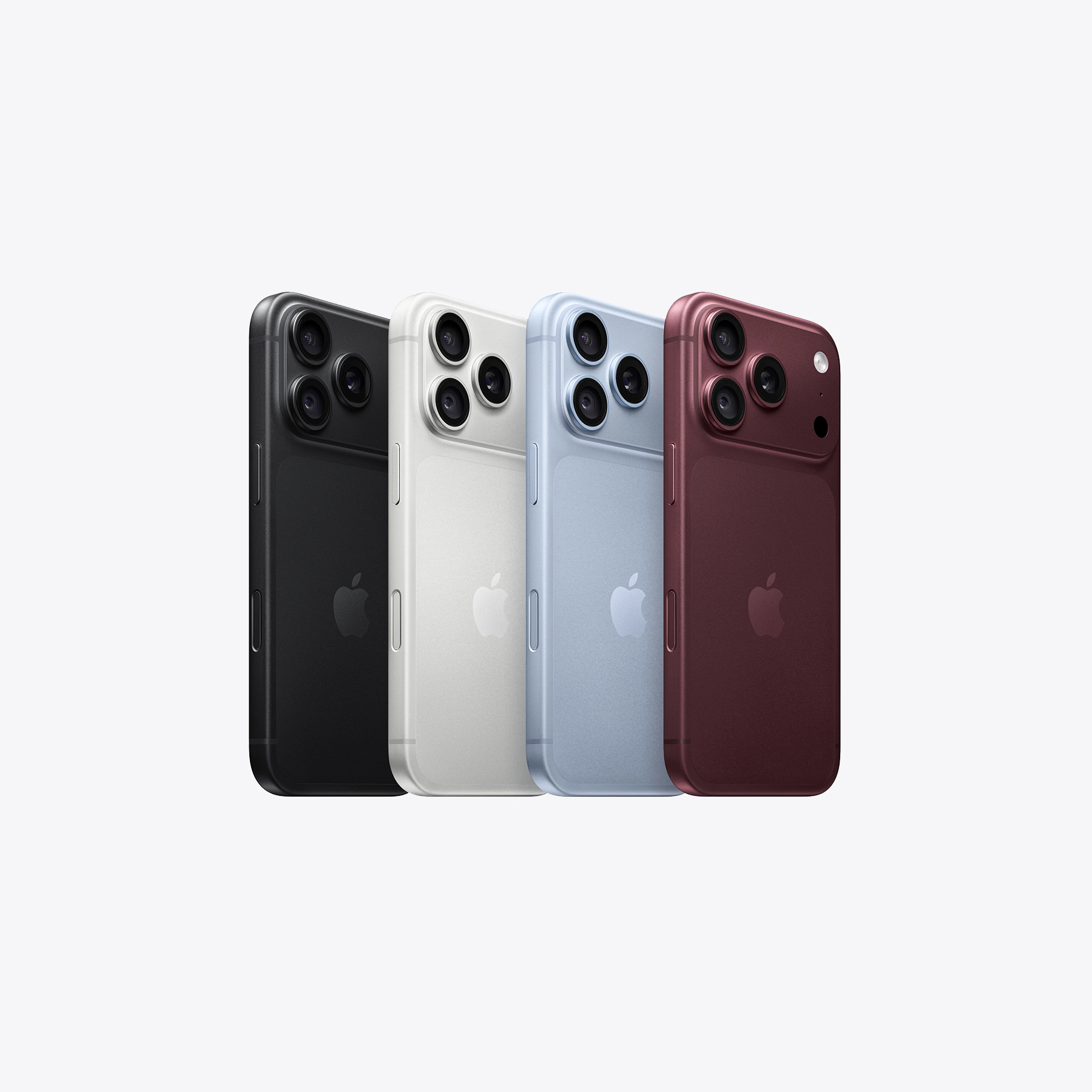
I respect that Apple went bolder with the design when it refreshed the iPhone 17 Pro series. I hate when companies play it safe, and Apple’s new look for its flagship iPhone last year was certainly unique. I’m enjoying the Glacier Blue variant, and I hope Apple keeps bringing vibrant colors to higher-end phones.
By any standard, the iPhone 18 Pro Max is a world-beater. Love Apple or hate it, the company’s silicon is formidable, and the A20 Pro chipset in the latest iPhone is a performance monster. If you game or edit video on your smartphone, the iPhone is your best bet this generation. Apple also updated the iPhone 18 Pro Max camera system, adding a variable-aperture lens. All told, it’s down to personal preference which photos you enjoy. Both cameras take excellent images.

However, video capture isn’t subjective. The Pixel 11 Pro XL still lags noticeably behind the iPhone 18 Pro Max for video capture. It’s been a theme for years, and it continues in 2026.
It’s impossible to compare an iOS device to Android without addressing the stranglehold Apple’s ecosystem has on many users — and for good reason. I may not have had the smoothest experience with iOS 27 so far, but that doesn’t diminish its effectiveness. It’s still easy to use, and millions feel comfortable using their iPhones. It also works seamlessly with your MacBook and iPad, which makes a difference. I don’t want anyone to mistake my criticisms for hatred. I’ve been an iPhone user for nearly 20 years, so my frustrations come from a place of enjoyment. The iPhone is an excellent smartphone, but its software has definitely lost a step or two.

Notifications are a disaster on iOS 27, even with Apple Intelligence supposedly getting involved. While Apple’s done a better job with icon customization, especially with theming, iOS lags woefully behind what you can do on Android. Sliding a widget around without completely destroying my home screen is next to impossible, and Apple’s walled garden is still very much alive and well.
It drives Android enthusiasts up a wall, but it’s hard to argue that developers still deliver a better app experience on iOS. It’s not as stark as it used to be, but the recent iPhone Duo announcement was a perfect example. Developers put effort where they see the most value, and that’s iOS, whether we like it or not. New features and a smoother social media experience are part of the iPhone experience, and that still exists.

I criticized the iPhone 18 Pro Max’s weight earlier, but it has a benefit. On the eSIM-only models in the US, you get a battery over 5,500mAh, which delivers outstanding battery life. I don’t think about charging my iPhone after only a day of use, and I enjoy that convenience.
Which should you buy?

I’m not immune to the allure of Apple’s ecosystem, and the company has done nothing to legitimately push you away with the iPhone 18 Pro Max. However, if you were already looking for the exit, the Pixel 11 Pro XL is an ideal landing spot. It features excellent software, solid cameras, and a premium design.
I understand not many people want to jump from iOS to Android, but no one is claiming Google will flip market share in its favor. Still, all else equal, Apple’s ecosystem isn’t the allure it once was, especially for new users. It’s not without advantages, but Google has plenty of things to hang its hat on with the Pixel 11 Pro XL.
If Pixels can siphon off just a couple of percentage points, it’ll move the needle for Google. The Pixel 11 Pro XL is designed to do it, and if you’re given either device a fair assessment, there are more reasons than ever to give Android a shot.
7 years of Android updates
Built-in magnets with Qi 2.2
Thank you for being part of our community. Read our Comment Policy before posting.