Affiliate links on Android Authority may earn us a commission. Learn more.
Pixel 10 series in the US drops physical SIM, while the rest of the world gets to keep it
- The Pixel 10, 10 Pro, and 10 Pro XL models sold in the US don’t have a physical nano-SIM slot.
- Instead, the phones rely on dual eSIMs, with the option of storing over eight eSIM profiles.
- The Pixel 10 Pro Fold is the only device in the lineup to retain the nano-SIM + eSIM combination.
Google’s new Pixel 10 lineup has made a rather bold connectivity choice. The Pixel 10, Pixel 10 Pro, and Pixel 10 Pro XL sold in the US won’t come with a physical SIM slot. This will make the new Pixels the first in Google’s history to ship without a nano-SIM slot, relying completely on eSIMs instead.
In the US, Google’s latest flagships will support two active eSIM profiles at the same time and can store eight or more eSIMs on the device. The only Pixel 10 device to still sport a nano-SIM slot and eSIM is the Pixel 10 Pro Fold.
Outside the US, however, Pixel 10, 10 Pro, and 10 Pro XL buyers will still get the option of a single nano-SIM slot alongside eSIM support, a move that seems to account for varying carrier infrastructure and eSIM adoption rates around the world. So if you’re in the UK, India, Australia, Germany, Italy, France, or even Canada, you’ll get the nano-SIM + eSIM version of the Pixel 10, 10 Pro, and 10 Pro XL.
While Google’s decision to ditch physical SIMs in the US for the Pixel 10 lineup can be viewed as the company embracing flexibility for frequent travelers and those juggling multiple lines, it could also prove problematic under certain situations.
A not so SIMple problem

On paper, eSIM-only phones make all the sense in the world. You don’t have to mess around with SIM trays or fiddle with ejector pins. There’s also no risk of losing the tiny SIM card. Moreover, switching carriers is a matter of minutes via a quick QR code scan or an app.
Don’t want to miss the best from Android Authority?
- Set us as a preferred source in Google Search to support us and make sure you never miss our latest exclusive reports, expert analysis, and much more. Find out more here.
However, as my own recent experience with a broken iPhone and a stranded eSIM reminded me, the technology isn’t completely foolproof. If your phone dies or is destroyed, transferring an eSIM can be a bit more complicated than swapping in another physical SIM card, especially if you’re traveling away from home or in a country where remote eSIM reactivation isn’t as straightforward.
Will you miss the physical SIM slot on the Pixel 10, 10 Pro, and 10 Pro XL?
Carriers, particularly in emerging markets, still lag in eSIM infrastructure, and budget or mid-range devices often skip the feature entirely to save costs.
That said, Apple made the US iPhone lineup eSIM-only way back in 2022, and now Google is following suit with the Pixel 10 series. While it’s not necessarily a bad move, it begs the question: should manufacturers prioritize technical progress, or should they also give users the flexibility of a physical SIM slot for emergencies? That way, Japan is in a sweet spot, where Google is offering an option to pick up a Pixel 10 either with a nano-SIM + eSIM combination or in the dual-eSIM configuration.
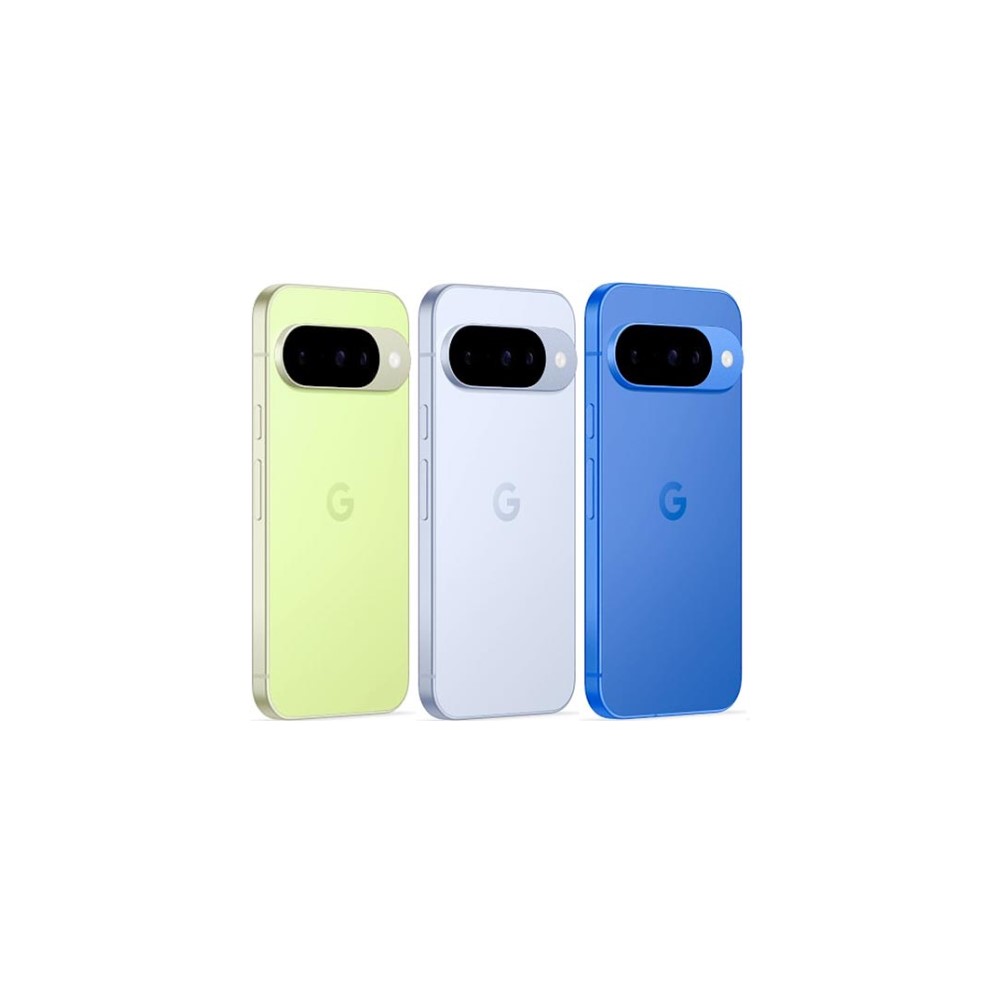
Long-term updates
Loaded with Google AI features
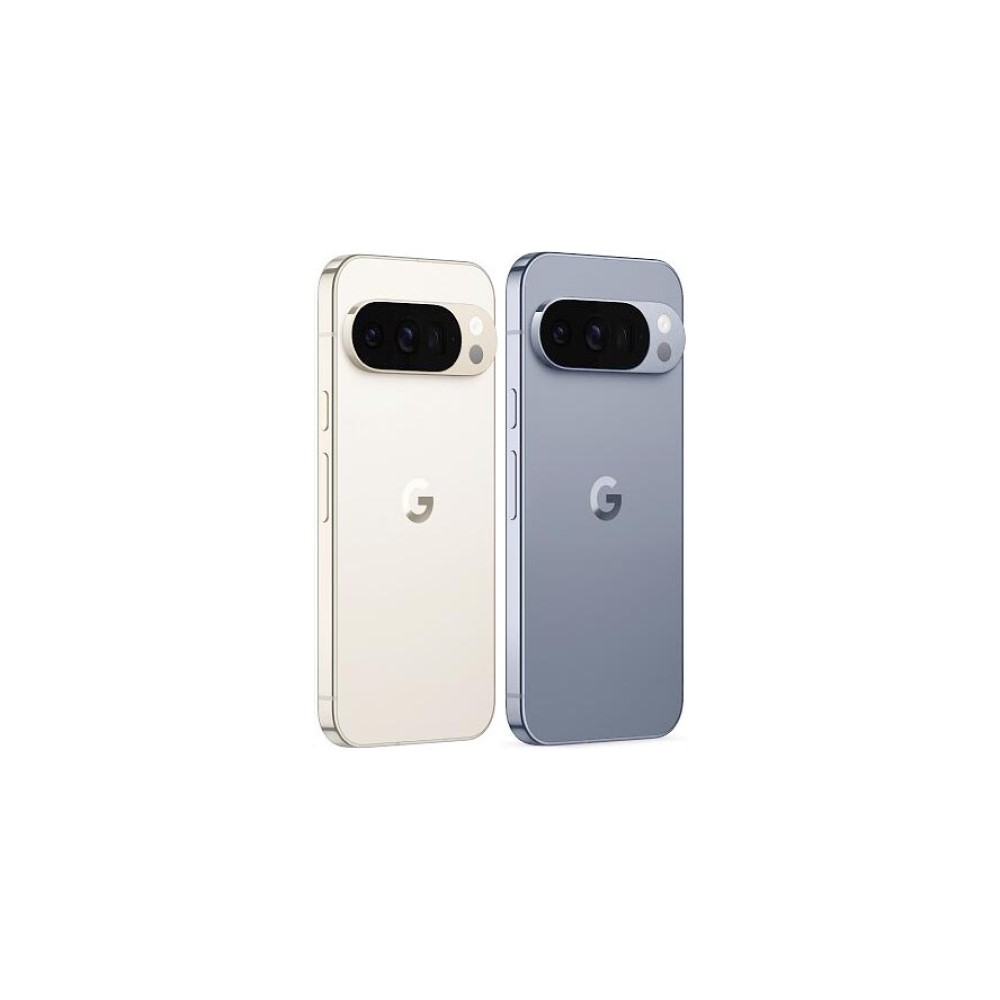
Excellent cameras
Powerful AI tools
Top-notch software
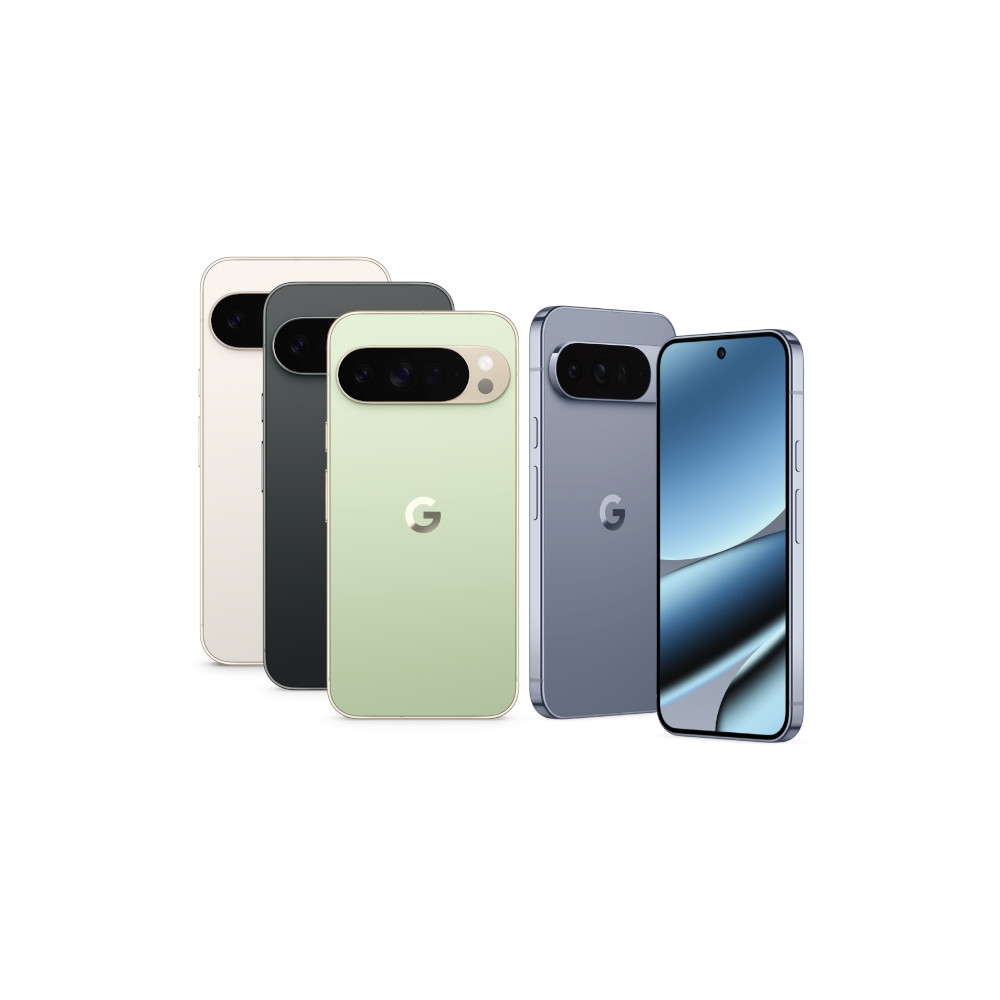
Improved camera flexibility
Smooth-as-ever software

Thank you for being part of our community. Read our Comment Policy before posting.