Affiliate links on Android Authority may earn us a commission. Learn more.
Galaxy S27 Ultra may ditch laser autofocus along with 3x camera, leak claims

Nov 24, 2026 — 3:51 AM ET
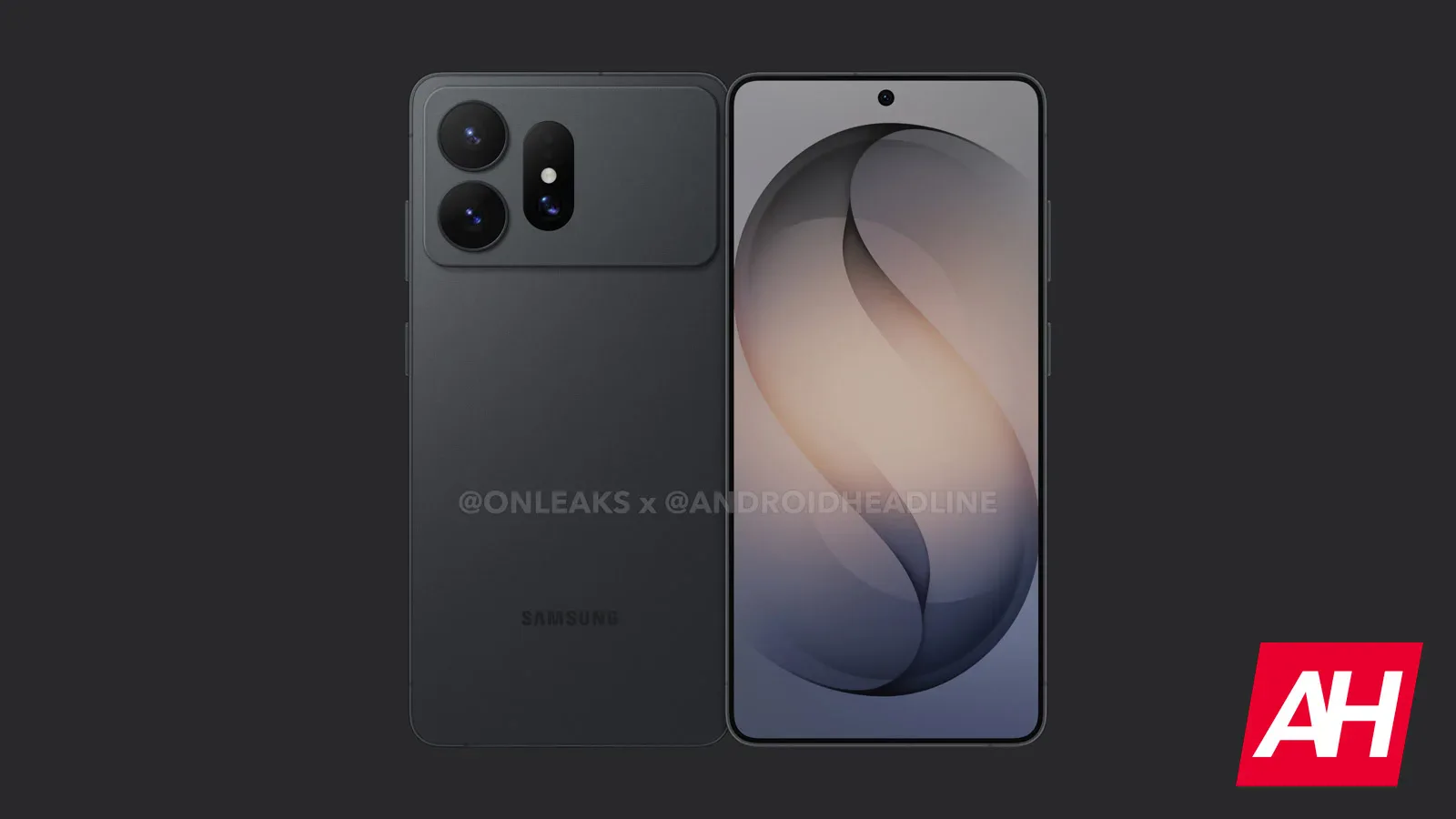


- New leak claims Galaxy S27 Ultra will skip the laser autofocus module.
- Galaxy S Ultra phones have had the module since the Galaxy S21 Ultra.
- The sensor is being axed alongside the 3x telephoto camera which we already knew about.
The Galaxy S27 series launches early in 2027, which has naturally led to a strong influx of leaks. Most leaks seem to agree on the iPhone 18 Pro-esque design for the camera island, but there’s a lack of consensus on the cameras. While reputed leakers, including Ice Universe and OnLeaks, agree Samsung will ditch the 3x camera, they have different claims about the cameras’ positioning and orientation. Even without clarity on the topic, Ice Universe is doubling down on their claim, highlighting another possible change to the camera.

In a recent post on X, Ice Universe claimed that Samsung will not only axe the 3x camera, cutting the number of sensors to three, but also remove the laser autofocus module. If you haven’t noticed, some high-end phones have a tiny LED alongside the camera that appears red from certain angles. It also appears to be flickering when you shoot a video of that phone with another phone’s camera. This tiny LED is the laser autofocus (laser AF) module.
It works by emitting a ray of infrared light and estimating the distance based on how long it takes for the ray to reflect back. Based on this information, the camera module moves to focus on the subject. Not all phones feature laser AF, and the ones that don’t use something called phase detection autofocus, commonly called PDAF. On phones using PDAF, certain pixels on the sensor have a designated purpose. They compare light from different angles and thus estimate the distance from the subject.
Since PDAF relies on light, it can be slower in low light. Meanwhile, laser autofocus can focus more effortlessly even in low light, giving it an edge. So, in theory at least, trading autofocus can lead to slower or inaccurate focus. Conversely, laser autofocus can only focus for a few meters and can be inaccurate when the external light is too intense, such as in the case of bright sunlight. Furthermore, it’s slow to focus on moving objects, which is why Samsung may be moving entirely to newer solutions.
Modern alternatives to Laser AF
However, it’s also worth noting that traditional PDAF has been replaced by dual-pixel autofocus, where a single pixel is split into two light-sensing parts, which can help compare light from different angles. Non-Ultra Samsung flagships, such as the base Galaxy S26 or the Fold 8 Ultra, already use this technique instead of laser autofocus.
More advanced versions use clusters of pixels, combined in grids of 2×2, 3×3, or sometimes 4×4 pixels. This grid is called a super-pixel and forms the basis of pixel binning. Pixels in this cluster can work together to compare distances to the subject from different angles, leading to a more accurate estimate than the dual-pixel method listed above. The latter method is also known as all-pixel autofocus, which has been around for nearly a decade. Samsung’s own 200MP sensors, including the ISOCELL HP3, use all-pixel autofocus, formally marketed as Super Quad Phase Detection (Super QPD), since at least 2022.
The latest iteration of this technology is a hybrid of 1×1 and 2×2 phase detection. This setup is seen on sensors such as the Sony Lytia 610, which uses an unusual pixel structure for better camera performance. According to Sony, the red and blue super-pixels (arranged in 2×2 grids) help with better autofocusing, while green ones arranged in 1×1 grids offer better resolution. After being introduced in June 2026, the sensor has been used on phones, including the vivo X500 Pro.

The missing piece in the puzzle still
Now that Ice Universe claims Samsung is ditching laser autofocus with the Galaxy S27 Ultra (and given their authority in leaking devices), we’re bound to assume it could adopt a better technology. But they don’t specify what.
Based on previous leaks, Samsung is expected to utilize an all-new ISOCELL HP6 sensor on the Galaxy S27 Ultra and the S27 Pro phones. However, we don’t know much about the sensor or whether it uses the same pixel arrangement as the Lytia 610. Therefore, it’s difficult to comment on whether the phone will struggle with focusing.
We do know that Samsung is expected to add LOFIC support for better HDR photography and videography, and the sensor could likely capture darker sections of the photos with far less noise than the ISOCELL HP2 that is currently used on the S26 Ultra.
Brands, including Sony, claim the newer hybrid solution is better at capturing moving objects, and that could mean Samsung eliminating hardware that’s starting to feel archaic or not too useful for modern photography needs. As I said above, we will reserve our final judgment until we can actually try the phone, but the step sure is interesting, and we’ll keep you posted on any upcoming details.
Conversation
Read what readers said or add your take.