Affiliate links on Android Authority may earn us a commission. Learn more.
The iPhone 17 series is here, and it finally catches up to Android flagships with major upgrades

Android flagships, especially from Chinese OEMs, often pack the most bleeding-edge tech, making them the top choice for phone enthusiasts. Apple’s iPhone, on the other hand, is made for the average consumer — the phones don’t usually pack the latest technology, but their undeniable popularity sets them as the standard against which top Android flagships are judged. Things are changing this year for the better, as Apple is making some big upgrades with the iPhone 17 series, but as expected, it’s more of Apple catching up to Android than the iPhone packing in bleeding-edge tech. Irrespective, the iPhone 17 series raises the bar for the smartphone market as a whole, and here’s what you need to know about Apple’s latest smartphone!
Don’t want to miss the best from Android Authority?
- Set us as a preferred source in Google Search to support us and make sure you never miss our latest exclusive reports, expert analysis, and much more. Find out more here.
Apple iPhone 17 series: Release date, price, and availability

- iPhone 17 (256GB): $829
- iPhone 17 (512GB): $1,029
- iPhone Air (256GB): $999
- iPhone Air (512GB): $1,199
- iPhone Air (1TB): $1,399
- iPhone 17 Pro (256GB): $1,099
- iPhone 17 Pro (512GB): $1,299
- iPhone 17 Pro (1TB): $1,499
- iPhone 17 Pro Max (256GB): $1,199
- iPhone 17 Pro Max (512GB): $1,399
- iPhone 17 Pro Max (1TB): $1,599
- iPhone 17 Pro Max (2TB): $1,999
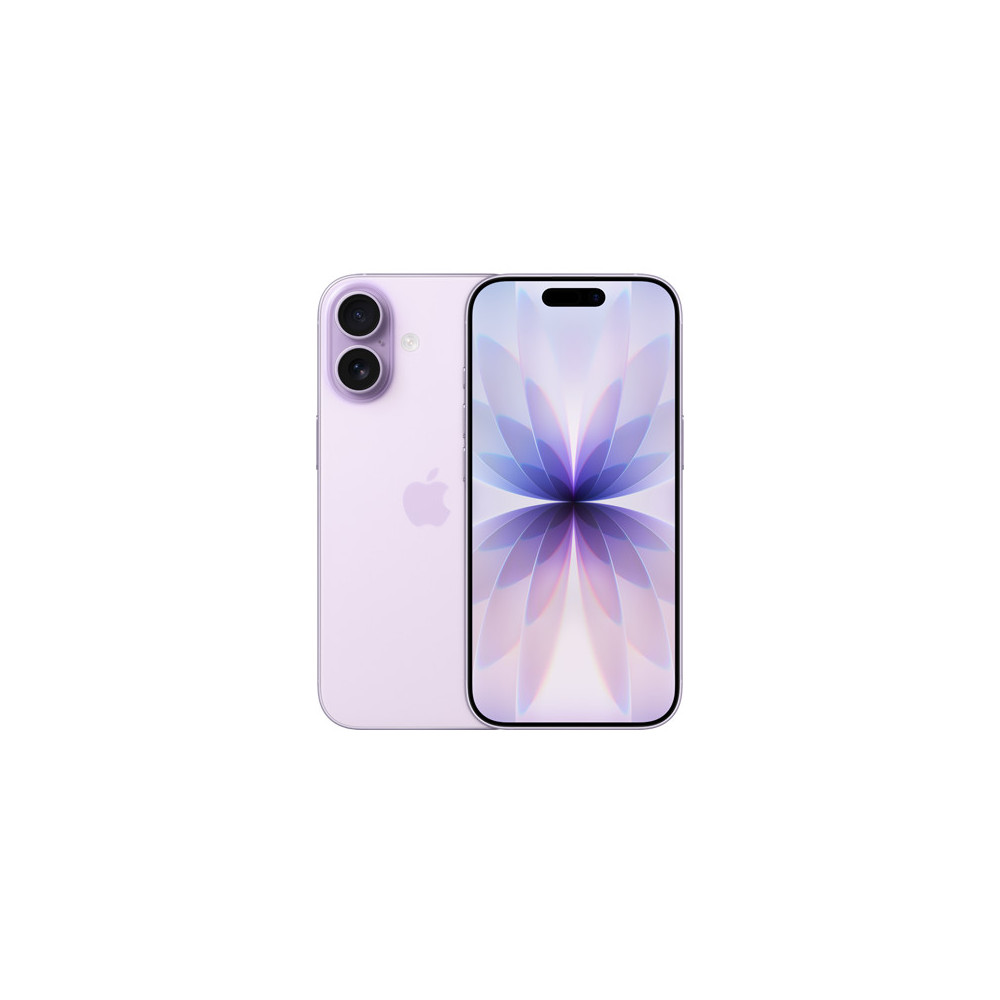
Apple says the iPhone 17 series starts at $799, which is slightly misleading as that only pertains to the carrier variants. The unlocked version of the iPhone 17 starts at $829 for 256GB storage. Apple offers a $30 discount for carrier variants, which brings the price down to $799. The value here is insane compared to the iPhone 16, as you are effectively getting double the storage for the same price as last year.
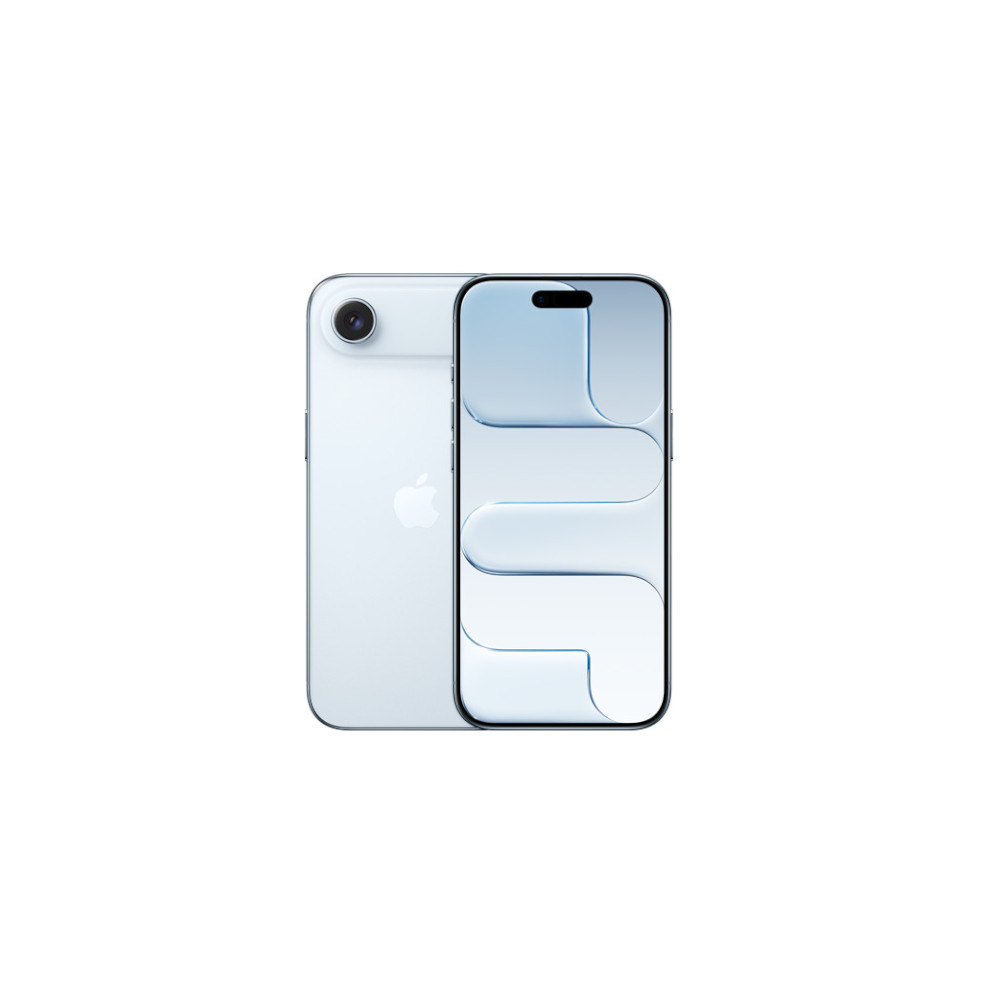
If you’re looking for the iPhone 17 Plus, there’s none this year. Instead, we have the iPhone Air, Apple’s new thin flagship, competing against the likes of other thin flagships like the Samsung Galaxy S25 Edge. The iPhone Air starts at $999 for 256GB storage.

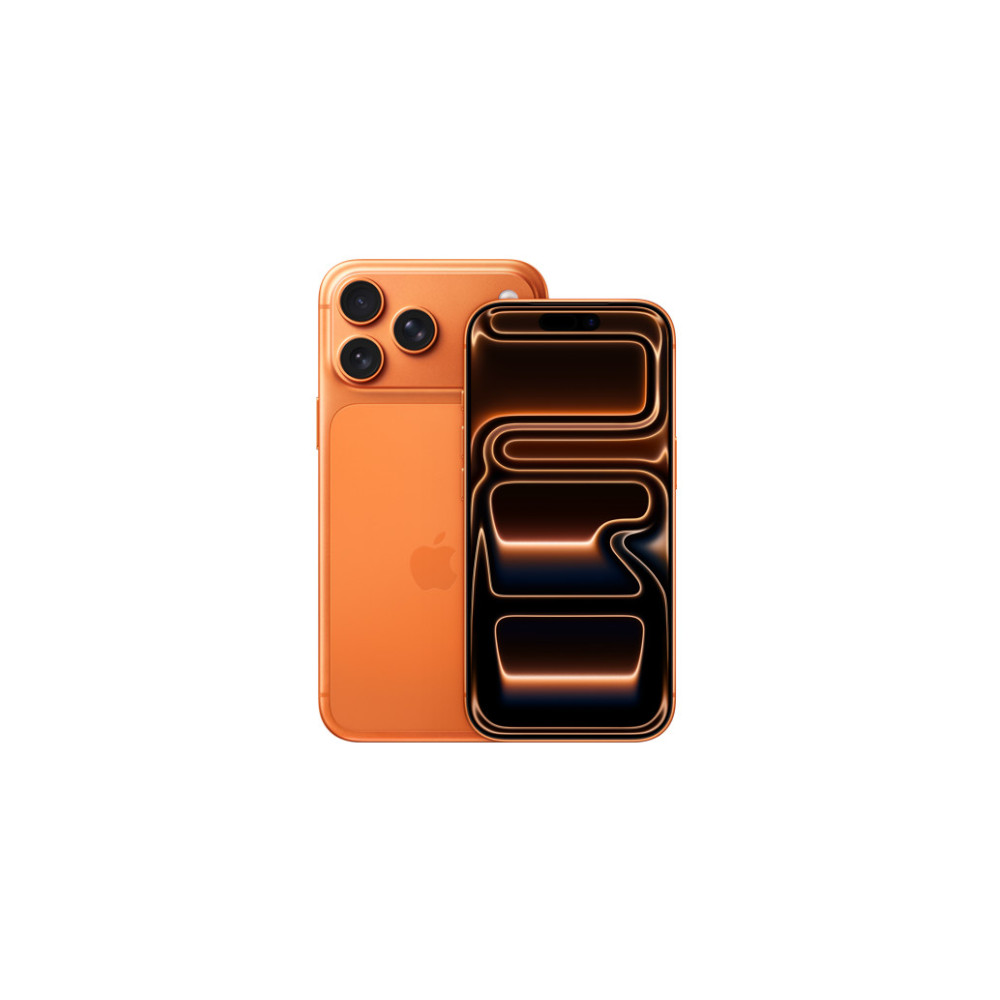
The iPhone 17 Pro starts at a higher $1,099 price tag, but this year, the Pro flagship does not offer a 128GB storage variant — you only get a 256GB option. Similarly, the iPhone 17 Pro Max also starts at 256GB storage, costing you $1,199. Apple also does not offer a $30 discount on the carrier variants, so the pricing is fairly advertised for the Pro series. So in effect, Apple has not raised prices this year.

The iPhone 17 series went on preorder on September 12, 2025. Open sales and deliveries began on September 19, 2025.

The iPhone 17 series is available in all the usual global markets where Apple has a retail presence, including Australia, Canada, China, France, Germany, India, Japan, Malaysia, Mexico, South Korea, Turkey, the UAE, the UK, and the US. These are Apple’s first-wave countries; later, the iPhone 17 series will be available in even more countries.
All iPhone 17 series devices sold in the US are eSIM-only. If you want an iPhone 17 with a physical SIM slot, you will have to purchase it from a different country, keeping in mind band compatibility. Note that there are slight differences in battery capacity between the eSIM-only variant and the physical SIM variant. Further, the iPhone 17 Air is eSIM-only across all regions.
iPhone 17, iPhone Air, and iPhone 17 Pro: Colors

The iPhone 17 comes in five different colors: Lavender, Mist Blue, Black, White, and Sage.

The iPhone Air, on the other hand, comes in just four colors: Sky Blue, Light Gold, Cloud White, and Space Black.

The iPhone 17 Pro and iPhone 17 Pro Max come in three different colors: Silver, Deep Blue, and Cosmic Orange. You’d notice that these colors aren’t called “Titanium” anymore because Apple has ditched titanium this year on the Pro series in favor of aluminum.
Apple iPhone 17 series: Hot or not
iPhone 17, iPhone Air, iPhone 17 Pro, and iPhone 17 Pro Max: Specs
The iPhone 17 represents the base iPhone flagship experience for consumers, while the iPhone 17 Pro lineup expands the experience to more skilled use cases. The iPhone Air is Apple’s attempt at finding a niche audience that would love a thin phone.
Apple doesn’t provide a standard spec sheet, preferring to focus on some features and their marketing names and entirely ignoring others. We’ve pieced together a full spec sheet from various available official sources, offering every detail you need to know about the iPhone 17 series:
| iPhone 17 | iPhone Air | iPhone 17 Pro and iPhone 17 Pro Max | |
|---|---|---|---|
Display | iPhone 17 6.3-inch 2,622 x 1,206 pixel Super Retina XDR OLED display Dynamic Island Always-On display ProMotion with 120Hz refresh rate HDR, True Tone, P3 wide color 1,000 nits max brightness, 3,000 nits peak brightness Anti-reflective coating | iPhone Air 6.5-inch 2,736 x 1,260 pixel Super Retina XDR OLED display Dynamic Island Always-On display ProMotion with 120Hz refresh rate HDR, True Tone, P3 wide color 1,000 nits max brightness, 3,000 nits peak brightness Anti-reflective coating | iPhone 17 Pro and iPhone 17 Pro Max iPhone 17 Pro: 6.3-inch 2,622 x 1,206 pixel iPhone 17 Pro Max: 6.9-inch 2,868 x 1,320 Common: Super Retina XDR OLED display Dynamic Island Always-On display ProMotion with 120Hz refresh rate HDR, True Tone, P3 wide color 1,000 nits max brightness, 3,000 nits peak brightness Anti-reflective coating |
Processor | iPhone 17 Apple A19 | iPhone Air Apple A19 Pro | iPhone 17 Pro and iPhone 17 Pro Max Apple A19 Pro |
RAM | iPhone 17 8GB (as per regulatory listing) | iPhone Air 8GB (as per regulatory listing) | iPhone 17 Pro and iPhone 17 Pro Max 12GB (as per regulatory listing) |
Storage | iPhone 17 256GB / 512GB | iPhone Air 256GB / 512GB / 1TB | iPhone 17 Pro and iPhone 17 Pro Max iPhone 17 Pro: 256GB / 512GB / 1TB iPhone 17 Pro Max: 256GB / 512GB / 1TB / 2TB |
Battery | iPhone 17 3,692mAh (as per regulatory listing for physical SIM variant) Up to 30 hours video playback | iPhone Air 3,149mAh (as per regulatory listing) Up to 27 hours video playback | iPhone 17 Pro and iPhone 17 Pro Max iPhone 17 Pro: 4,252mAh (as per regulatory listing for physical SIM variant) Up to 33 hours video playback iPhone 17 Pro Max: 5,088mAh (as per regulatory listing for physical SIM variant) Up to 39 hours video playback |
Power | iPhone 17 USB-C wired charging (undisclosed speed; 45W as per regulatory listing) Qi2 and MagSafe wireless charging up to 25W | iPhone Air USB-C wired charging (undisclosed speed) Qi2 and MagSafe wireless charging up to 20W | iPhone 17 Pro and iPhone 17 Pro Max USB-C wired charging (undisclosed speed; 45W as per regulatory listing) Qi2 and MagSafe wireless charging up to 25W |
Cameras | iPhone 17 Rear: - 48MP wide camera, f/1.6, sensor shift OIS, AF - 48MP ultrawide camera, f/2.2, 120-degree FoV, AF Front: 18MP Center Stage, f/1.9, AF | iPhone Air Rear: - 48MP wide camera, f/1.6, sensor shift OIS, AF Front: 18MP Center Stage, f/1.9, AF | iPhone 17 Pro and iPhone 17 Pro Max Rear: - 48MP wide camera, f/1.78, second-gen sensor shift OIS, AF - 48MP ultrawide camera, f/2.2, 120-degree FoV, AF - 48MP tetraprism (periscope) zoom, f/2.8, 4x optical zoom Front: 18MP Center Stage, f/1.9, AF |
Video | iPhone 17 Rear: 4K Dolby Vision (24/25/30/60 FPS) 1080p Dolby Vision (25/30/60 FPS) Front: 4K Dolby Vision (24/25/30/60 FPS) 1080p Dolby Vision (25/30/60 FPS) | iPhone Air Rear: 4K Dolby Vision (24/25/30/60 FPS) 1080p Dolby Vision (25/30/60 FPS) Front: 4K Dolby Vision (24/25/30/60 FPS) 1080p Dolby Vision (25/30/60 FPS) | iPhone 17 Pro and iPhone 17 Pro Max Rear: 4K Dolby Vision (24/25/30/60/100/120 FPS) 1080p Dolby Vision (25/30/60/120 FPS) Front: 4K Dolby Vision (24/25/30/60 FPS) 1080p Dolby Vision (25/30/60 FPS) |
Connectivity | iPhone 17 5G (mmWave + Sub6) Wi-Fi 7 (802.11be) Bluetooth 6 Second-gen Ultra Wideband chip Thread support USB 2 (up to 480Mbps) | iPhone Air 5G (Sub6) Wi-Fi 7 (802.11be) Bluetooth 6 Second-gen Ultra Wideband chip Thread support USB 2 (up to 480Mbps) | iPhone 17 Pro and iPhone 17 Pro Max 5G (mmWave + Sub6) Wi-Fi 7 (802.11be) Bluetooth 6 Second-gen Ultra Wideband chip Thread support USB 3 (up to 10Gbps) |
SIM | iPhone 17 eSIM-only (US) Nano-SIM, eSIM (Global) | iPhone Air eSIM-only | iPhone 17 Pro and iPhone 17 Pro Max eSIM-only (US) Nano-SIM, eSIM (Global) |
Security | iPhone 17 Face ID | iPhone Air Face ID | iPhone 17 Pro and iPhone 17 Pro Max Face ID |
Durability | iPhone 17 IP68 (maximum depth of 6m up to 30 mins) Ceramic Shield Gen 2 on front Aluminum build | iPhone Air IP68 (maximum depth of 6m up to 30 mins) Ceramic Shield Gen 2 on front Ceramic Shield on front Titanium build | iPhone 17 Pro and iPhone 17 Pro Max IP68 (maximum depth of 6m up to 30 mins) Ceramic Shield Gen 2 on front Ceramic Shield on front Aluminum build |
Software | iPhone 17 iOS 26 | iPhone Air iOS 26 | iPhone 17 Pro and iPhone 17 Pro Max iOS 26 |
Dimensions and Weight | iPhone 17 149.6 x 71.5 x 7.95mm 177g | iPhone Air 156.2 x 74.7 x 5.64mm 165g | iPhone 17 Pro and iPhone 17 Pro Max iPhone 17 Pro: 150.0 x 71.9 x 8.75mm 206g iPhone 17 Pro Max: 163.4 x 78 x 8.75mm 233g |
Colors | iPhone 17 Lavender, Mist Blue, Black, White, Sage | iPhone Air Sky Blue, Light Gold, Cloud White, Space Black | iPhone 17 Pro and iPhone 17 Pro Max Silver, Deep Blue, Cosmic Orange |
Extras | iPhone 17 Satellite connectivity: Emergency SOS, Roadside Assistance, Messages, Find My Camera Control Action button MagSafe | iPhone Air Satellite connectivity: Emergency SOS, Roadside Assistance, Messages, Find My Camera Control Action button MagSafe | iPhone 17 Pro and iPhone 17 Pro Max Satellite connectivity: Emergency SOS, Roadside Assistance, Messages, Find My Camera Control Action button MagSafe |
iPhone 17, iPhone Air, and iPhone 17 Pro: Features
Apple’s lineup this generation is more different and diverse than ever. The base iPhone 17 is instantly recognizable as the good old iPhone, but now it has a higher refresh rate display (finally!) and a better selfie camera. Gone is the larger iPhone 17 Plus, and in its place is the radically new iPhone Air — a phone that skips out on some key features in its pursuit of thinness. The iPhone 17 Pro and iPhone 17 Pro Max pack the most noticeable upgrades, with a different rear design, upgraded cameras, better thermals, and more.
Design and build quality

The design of the iPhone has stayed the same for many years, and this is both true and false this year. The base iPhone 17 features the same design as the iPhone 16, with a vertical lens setup, Camera Control button, and Action button. The phone also continues to use aluminum. This is going to be very familiar to most people, and unfortunately, even to Android users, as we’ve seen several Android devices adopt the basic iPhone build shape — flat display, flat frame with round-chamfered edges, and a flat back.
The front of the iPhone 17’s display is protected by Ceramic Shield 2, which promises three times better scratch resistance than the first-gen Ceramic Shield and reduced glare.

The iPhone Air is a brand-new phone with a brand-new thin design. It has a single rear camera but a large camera island that stretches horizontally. It’s almost like the Pixel 10’s camera bar if you let your imagination run a little wild. This large camera island is needed as the phone boasts of a thin mid-frame made of titanium.
Despite the thin frame, you still get the Camera Control button and Action button. The back is made of Apple’s Ceramic Shield, while the display on the front is protected by the Ceramic Shield 2.

The iPhone 17 Pro and iPhone 17 Pro Max also feature a new design for their rear panel. We see a similarly stretched-out camera island as that on the iPhone 17 Air, but even larger, as the Pro phones have three rear cameras.

Apple is switching to aluminum from titanium for better thermal performance on the Pro phones. This aluminum is a “unibody design,” extending to the back of the phone instead of an all-glass back like the previous iPhone Pros. Thus, Apple has also opted for a glass cutout for wireless charging, giving the iPhone 17 Pro a two-tone look. The back glass portion is made of Apple’s Ceramic Shield, while the display on the front is protected by the Ceramic Shield 2.
The Apple logo has also been repositioned to be in the center of this glass cutout instead of the center of the back panel, so it sits lower, which can look odd on certain transparent MagSafe cases. The Pro phones also retain the Camera Control button and Action button.
The iPhone 17 Pro and iPhone 17 Pro Max are the first recent iPhones to feature a vapor chamber cooling system. Android flagships have had this for many, many years, using it efficiently to dissipate heat out of the phone for sustained performance. Apple finally got the memo, but better late than never.
All iPhones in the iPhone 17 series are IP68 rated for water and dust resistance. Apple promises water resistance up to 6m depth for up to 30 minutes.
Display and size

The iPhone 17 gets a bigger 6.3-inch display, compared to the 6.1-inch display on the iPhone 16. However, the biggest generational upgrade over here is that the iPhone 17 finally, finally, FINALLY makes the jump to a higher 120Hz refresh rate “ProMotion” display, up from the iPhone 16’s abysmal 60Hz refresh rate.
Android phones have long made this jump — some of the cheapest Android phones come with a 90Hz refresh rate display, and you’d be hard-pressed to find a 60Hz Android. Thanks to the LTPO tech in use which allows the refresh rate to drop down to 1Hz, the iPhone 17 also gets an Always-On display. For the first time, the iPhone 17 represents a complete modern smartphone experience.

The iPhone Air is the new phone here. It has a 6.5-inch display and, thankfully, a 120Hz refresh rate.
The iPhone 17 Pro and iPhone 17 Pro Max retain their display specifications from last year, which isn’t a bad thing as the 16 Pro and 16 Pro Max had excellent displays. The display diagonal remains 6.3-inch and 6.9-inch, respectively.
All four phones this year get the Super Retina XDR OLED display with excellent colors and viewing angles, and the signature Dynamic Island. The displays also get an anti-reflective coating, though it remains to be seen how it compares to the anti-reflective coating on the Galaxy S24 Ultra and Galaxy S25 Ultra.
Camera

The common upgrade this year is the upgraded selfie camera. Gone is the 12MP, f/1.9 aperture sensor from the iPhone 16 series. Apple introduced this 12MP front camera (f/2.2 aperture) in 2019 with the iPhone 11, and the last update to the hardware came with the iPhone 14 series in 2022, which got autofocus capabilities and a wider f/1.9 aperture.

This year, all iPhone 17 series phones get upgraded to an 18MP “Center Stage” front camera with a f/1.9 aperture. There’s still autofocus here, alongside sensors needed for Face ID. The party trick here is that users get Center Stage for their selfie photos and videos. Users no longer have to rotate their iPhone to take a landscape photo, as they can now take landscape and portrait photos while holding their iPhone vertically.
For group shots, Center Stage uses AI to expand the field of view automatically and can rotate from portrait to landscape to include everyone in the frame. The Center Stage front camera also enables ultra-stabilized video in 4K HDR, and users can now record on the front and rear cameras simultaneously with Dual Capture.
Android phones have had better selfie cameras than this 18MP camera — the OnePlus 13 has a 32MP front camera, the Pixel 10 Pro has a 42MP, and there have also been selfie flagships like the OPPO Reno 14 series that have a 50MP selfie camera. So, the jump to 18MP front cameras isn’t that impressive on paper for the iPhone 17 Pro. However, the iPhone 17’s jump to 18MP effectively raises the bar for all “base” Android flagships — the Galaxy S25/Plus/Ultra has a 12MP selfie camera, and the Pixel 10 has a 10.5MP front camera. We expect future Android phones not to dip below 18MP for the front camera, and also focus on other improvements to make selfies better, especially on social media apps.
For the back cameras, the base iPhone 17 has the same primary camera as the iPhone 16, but an upgraded ultrawide.
We’re looking at a 48MP primary shooter with f/1.6 aperture and sensor-shift OIS. Apple uses pixel binning to output 12MP photos, but you can also get 24MP and 48MP outputs. Apple is also using the primary 48MP camera sensor’s middle area to output 2x zoom shots at 12MP. The ultrawide camera is also a 48MP, f/2.2 shooter with “Hybrid Focus Pixels” autofocus, which gives it macro photography powers.

The iPhone Air is a step down for rear cameras, as it only gets a 48MP primary shooter with f/1.6 aperture and sensor-shift OIS. There’s no ultrawide camera here (and no macro photography options).

The iPhone 17 Pro and iPhone 17 Pro Max get a significant upgrade on the rear camera. The primary camera remains a 48MP, f/1.78 sensor with second-generation sensor-shift OIS. Regular images are pixel-binned to 12MP, though you can choose to get 24MP and 48MP shots, too. You can also get 2x zoom shots at 12MP by cropping into 48MP shots. The ultrawide camera is also the same 48MP, f/2.2 sensor with autofocus and macro photography capabilities as before.

The tetraprism (aka periscope zoom) is where things are different, as Apple has upgraded from the previous 12MP, 5x optical zoom sensor to a 48MP, 4x optical zoom sensor with f/2.8 aperture and sensor-shift OIS. This camera can be used to enable 12MP, 8x lossless zoom. This marks the first time the iPhone lineup gets triple 48MP rear cameras, and also the first time the iPhone lineup has a high MP count camera setup all around.
It’s not that Android flagships don’t have high MP cameras. We’ve seen the 200MP camera become a staple on Samsung’s Galaxy S26 Ultra, Google’s Pixel 10 Pro delivers great results with its 50MP shooter, and so does the OnePlus 13. Apple’s jump up is significant because it once again raises the baseline for future top-tier Android flagships, not only in MP count but also in the quality of output from the zoom camera. On the flip side, you can also see it as Android brands successfully pressuring Apple to upgrade the specs on its camera setups.
The iPhone 17 and iPhone Air can shoot 4K Dolby Vision at up to 60fps. The iPhone 17 Pro and 17 Pro Max can shoot 4K Dolby Vision at up to 120fps.
The iPhone 17 series retains the Camera Control button from the iPhone 16 series across all phones.
Performance

The iPhone 17 makes the jump to Apple’s 3nm A19 chip, which is said to be faster than the 3nm Apple A18 chip on the iPhone 16. The layout appears to be practically the same — a six-core CPU comprising two performance cores and four efficiency cores, a five-core GPU with new neural accelerators, and a 16-core Neural Engine.
As has always been the case, most users will not feel the difference between the two, as the A18 was already more than sufficient for the average user.

The iPhone Air gets Apple’s A19 Pro chip, which comprises a six-core CPU with two performance cores and four efficiency cores, a five-core GPU with new neural accelerators, and a 16-core Neural Engine. Also present on the phone is Apple’s C1X cellular modem, which promises to be twice as fast as the C1 on the iPhone 16e (which wasn’t very impressive).
On the other hand, the iPhone 17 Pro and 17 Pro Max also come with the Apple A19 Pro chip, an upgrade from the A18 Pro chip on the iPhone 16 Pro. Curiously, the A19 Pro chip on the 17 Pro and Pro Max has six GPU cores, compared to five GPU cores on the iPhone Air’s A19 Pro.
All phones in the iPhone 17 lineup get Apple’s N1 chip for Wi-Fi 7 (802.11be), Bluetooth 6 and Thread connectivity. They also come with the second-gen UWB chip from the iPhone 16 series.

Apple does not disclose the RAM capacity on iPhones, but it mentioned higher memory on the Pro iPhones. Leaks have suggested that the iPhone 17 and iPhone 17 Air could come with 8GB of RAM, while the iPhone 17 Pro and iPhone 17 Pro Max could come with 12GB of RAM. We’ll update this when we learn more from regulatory filings.
The iPhone 17 is offered in 256GB and 512GB storage variants, while the iPhone Air, iPhone 17 Pro, and iPhone 17 Pro Max are offered in 256GB, 512GB, and 1TB variants. For the first time, the iPhone 17 Pro Max also gets a 2TB variant. This is also the first time Apple does not have a 128 GB current-generation iPhone on sale (not counting the iPhone 16e).
Battery life and charging speed

Apple also does not disclose the battery capacity details on iPhones, but it did mention on stage that eSIM-only variants now come with extra battery capacity as they no longer need the physical space for a SIM card. We’ve managed to find the battery capacity of the physical SIM-variants thanks to EU regulatory listings (except the iPhone Air, which is eSIM-only globally),
| iPhone 16 series | iPhone 17 series | YoY Change | |
|---|---|---|---|
Base model | iPhone 16 series 3,561mAh | iPhone 17 series 3,692mAh | YoY Change Up 3.7% |
Plus / Air | iPhone 16 series 4,674mAh | iPhone 17 series 3,149mAh | YoY Change Different model |
Pro | iPhone 16 series 3,582mAh | iPhone 17 series 4,252mAh | YoY Change Up 18.7% |
Pro Max | iPhone 16 series 4,685mAh | iPhone 17 series 5,088mAh | YoY Change Up 8.6% |
The eSIM-only variants sold in the US have a battery that is physically larger and subsequently more capacity than the variants mentioned above.
Apple releases official battery life numbers, so we can compare the video playback numbers of the iPhone 17 series against the iPhone 16 series. This is how they stack up:
| iPhone 16 series | iPhone 17 series (eSIM-only model) | |
|---|---|---|
Base model | iPhone 16 series Up to 22 hours | iPhone 17 series (eSIM-only model) Up to 30 hours |
Plus / Air | iPhone 16 series Up to 27 hours | iPhone 17 series (eSIM-only model) Up to 27 hours |
Pro | iPhone 16 series Up to 27 hours | iPhone 17 series (eSIM-only model) Up to 33 hours |
Pro Max | iPhone 16 series Up to 33 hours | iPhone 17 series (eSIM-only model) Up to 39 hours |
As for fast charging capabilities, Apple says the iPhone 17, 17 Pro, and 17 Pro Max can charge 0% – 50% in 20 minutes with a 40W or higher adapter through a USB-C cable. The iPhone Air can charge 0% – 50% in 30 minutes with a 30W or higher adapter through a USB-C cable.
Similarly, the iPhone 17, iPhone 17 Pro, and iPhone 17 Pro Max support MagSafe and Qi2 wireless charging up to 25W, while the iPhone Air does so up to 20W.
Software and updates

The iPhone 17 series launches with the latest iOS 26, with Apple’s dramatic Liquid Glass design overhaul that extends to practically all parts of the user experience.
Apple also makes no promises about the number of updates the iPhone 17 will receive, nor does it comment on their frequency or timeliness. However, the company has an excellent record of delivering updates to its lineup of supported iPhones for many years, so you can bank on the iPhone 17 getting updated and supported for a long time, with updates reaching very quickly even as the phone ages.
The iPhone 17 series is Apple catching up and raising the bar at the same time

A lot of the new features that we see on the iPhone 17 lineup have been around on Android for ages. Apple’s unique market position and popularity almost held back the industry on features like 120Hz, and I am glad to see the company has finally caught up. There’s still more to be done, like bringing vapor chamber cooling to the base iPhone and thus forcing it to become a de facto standard across smartphones until a better solution comes along — but we make progress here one iPhone generation at a time.
That being said, features like the unique 18MP front camera and the upgraded rear camera setup across the lineup hold so much promise to propel the industry forward. With these, Apple sets the bar that Android flagship brands aspire to reach, and every phone in a similar price bracket will be judged upon these specifications.
The iPhone 17 series represents Apple’s most exciting launch in recent times, and as an Android fan, I am glad it is here.
Thank you for being part of our community. Read our Comment Policy before posting.