Affiliate links on Android Authority may earn us a commission. Learn more.
The vivo X500 Pro Max is the most fun I've had with video capture on a phone
Nov 12, 2026 — 6:00 AM ET


Apple iPhones have long had a reputation for delivering the best video on smartphones, but Samsung has traditionally been king of video capture on Android. However, vivo has made huge strides since the X200 Ultra. In fact, there’s a strong argument that its phones are the best for video capture.
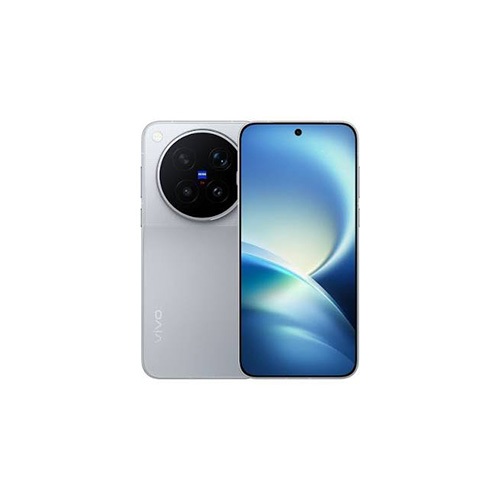
The company has just launched the vivo X500 Pro Max globally, bringing upgrades like a Dimensity 9600 Pro chipset, a 7,800mAh battery, and a LOFIC-capable main camera. However, this might also be the most fun I’ve had with a phone when it comes to video capture.
How important is video capture to you on a smartphone?
The best phone for slow-motion video

Easily the biggest video-related addition this time is 4K/240fps slow-motion capture. This is actually the first phone with this capability, dwarfing the 4K/120fps option seen on other devices today.
I had loads of fun testing 4K/240fps video capture, as I filmed my cats, birds, and other subjects. I’ve found that 4K/120fps capture delivers a sharp picture, but that 120fps still wasn’t quite smooth enough for me. Meanwhile, older Sony and Samsung phones offered 960fps video capture, but a measly 720p or 1080p video resolution. So it’s great to have the best of both worlds with this new recording mode.

It’s worth noting that if you switch to this option, the phone warns you that some background apps will be closed. I’m guessing this measure is needed to keep temperatures down in the event of longer videos. I also imagine that this helps avoid dropped frames while filming.
The vivo X500 Pro Max brings 4K/240fps video to smartphones for the first time, and it's a blast to use.
There are a couple of downsides to this feature, though. The biggest issue in my book is that you’re only getting 4K/240fps on the main camera, albeit at 24mm and 50mm (~2x). I’m glad that this works at 2x, although image quality does take a noticeable hit in less than ideal conditions. I would’ve loved to see this mode on the periscope camera, allowing me to get even closer to a subject.
There’s also the inescapable fact that this slow-motion option doesn’t look great in low light or under fluorescent lighting, but again, that’s inevitable with even 120fps video. Finally, 4K/240fps video can look overly contrasted at times, ostensibly due to the lack of HDR support. That’s another understandable omission, as 4K/240fps video is very ambitious to begin with.
Dual-camera recording done right

Dual camera video recording isn’t anything new, as Samsung, Xiaomi, and others have previously offered this feature. But the biggest issue with most of these OEMs is that they force you to use the selfie camera. That means you can’t shoot with an ultrawide lens and a telephoto camera, for example.
Recent vivo phones have bucked this trend by letting you use any two cameras for simultaneous video recording. The problem with previous vivo phones in this regard was that the dual-recording option was tucked away in the stage mode.

Thankfully, the vivo X500 Pro Max gives you easier access to its Dual View recording mode. Simply switch to the standard video mode, tap the Film Workshop icon, and choose the Dual View option. You’ve also got familiar settings like saving videos as one file or separately, and your choice of picture-in-picture or horizontal split views. Furthermore, you can easily switch between your desired cameras via a viewfinder shortcut. I’ve wanted more Android OEMs to embrace this dual-recording flexibility for ages now, and it’s a shame that vivo is still one of the only manufacturers offering this.
Dual View recording tops out at 4K/30fps, much like Samsung phones. Unfortunately, you’re stuck with the Vivid video style and can’t enable Dolby Vision in this mode. I also noticed visible judder now and again, while there are some minor color inconsistencies. But I do feel that the flexibility of this mode trumps these issues.
What else is new on the video front?

In addition to 4K/240fps slow-motion and a more logical home for dual video capture, there are a few other new additions to the vivo video formula. Some of these features are clearly better than others.
For starters, the X500 Pro Max has a LOFIC main camera, which enables a wider dynamic range than before. Unfortunately, the expanded dynamic range is restricted to the Vivid color mode and Log video. Either way, you’re getting some very pleasant video quality.
Vivo also debuted an auto-framing feature, which is similar to Samsung’s My FanCam mode in some ways. Both modes let you automatically track and focus on a subject in a video, although Samsung does this after the fact while vivo requires you to enter the auto-framing mode via the Film Workshop suite in the viewfinder. Samsung’s mode has the edge on paper as you can actually apply this feature to existing videos, with Samsung Gallery then spitting out a cropped clip featuring your desired subject.

As for the actual execution, vivo lets you choose whether you’d like whole body, half-body, or close-up cropping. However, I thought that auto-framed videos often looked extremely over-processed. I found that the subject’s skin lacked texture altogether, while blown highlights were also a feature. To be fair, my limited time with Samsung’s My FanCam mode also revealed noticeably poor video quality. Furthermore, neither brand’s mode supports pets. Disappointing.
The X500 Pro Max's auto-framing mode is rough at best, and it lacks the flexibility of Samsung's My FanCam.
The Film Workshop suite also offers a “vortex” option which slowly and automatically tilts the video 90, 180, or 360 degrees as you film. This seems very gimmicky, and there’s also no way to adjust the speed of the loop.
You can’t accuse vivo of standing still when it comes to video features. It’s clear that not every new feature is a hit, though, so I’d like the company to refine some of these modes and features.
A ton of existing video options

Then there are the previous video features which are still available on the X500 Pro Max. This includes the 4K/60fps cinematic portrait mode, which is superior to the likes of Apple and Samsung phones (4K/30fps). We’ve also got the 2.8K/60fps Ultra-stable video mode, matching iPhones.
Other video capture features making a return include preset/custom audio capture profiles, APV codec support, Log video, and a slick Pro Video mode with plenty of options (e.g., histogram, ISO, white balance, shutter speed). I also appreciate the Film Style mode, which is basically Xpan for video.
Much like the X300 Ultra, the new phone also offers custom video styles if the existing color profiles aren’t to your liking. This lets you adjust exposure, warmth, hue, highlights, shadows, and sharpness. As is the case with custom photo styles, you can generate a QR code to share your custom video style with others.
Not the perfect phone for video, but a lot of fun

The X500 Pro Max clearly isn’t without its issues as far as video capture is concerned. Auto-framing functionality can spit out some horrendous videos, while the Vortex video option is very gimmicky. That €2,199 (~$2,450) price tag is another bitter pill to swallow.
Nevertheless, vivo’s latest flagship still makes for a very fun video capture platform. That’s due to new features like 4K/240fps slow-motion capture and easier dual-video recording, as well as existing options like multi-camera 4K/120fps, custom video styles, and Film Style.
Throw in the optional photography kit, that powerful chipset, and a huge battery that delivers great endurance, and there’s a lot to like about the vivo X500 Pro Max. Now, if only we didn’t have to deal with the RAM crisis.

Conversation
Read what readers said or add your take.