Affiliate links on Android Authority may earn us a commission. Learn more.
Scientists built a smart ring that analyzes sweat to measure blood glucose and more
Jul 29, 2026 — 5:09 PM ET
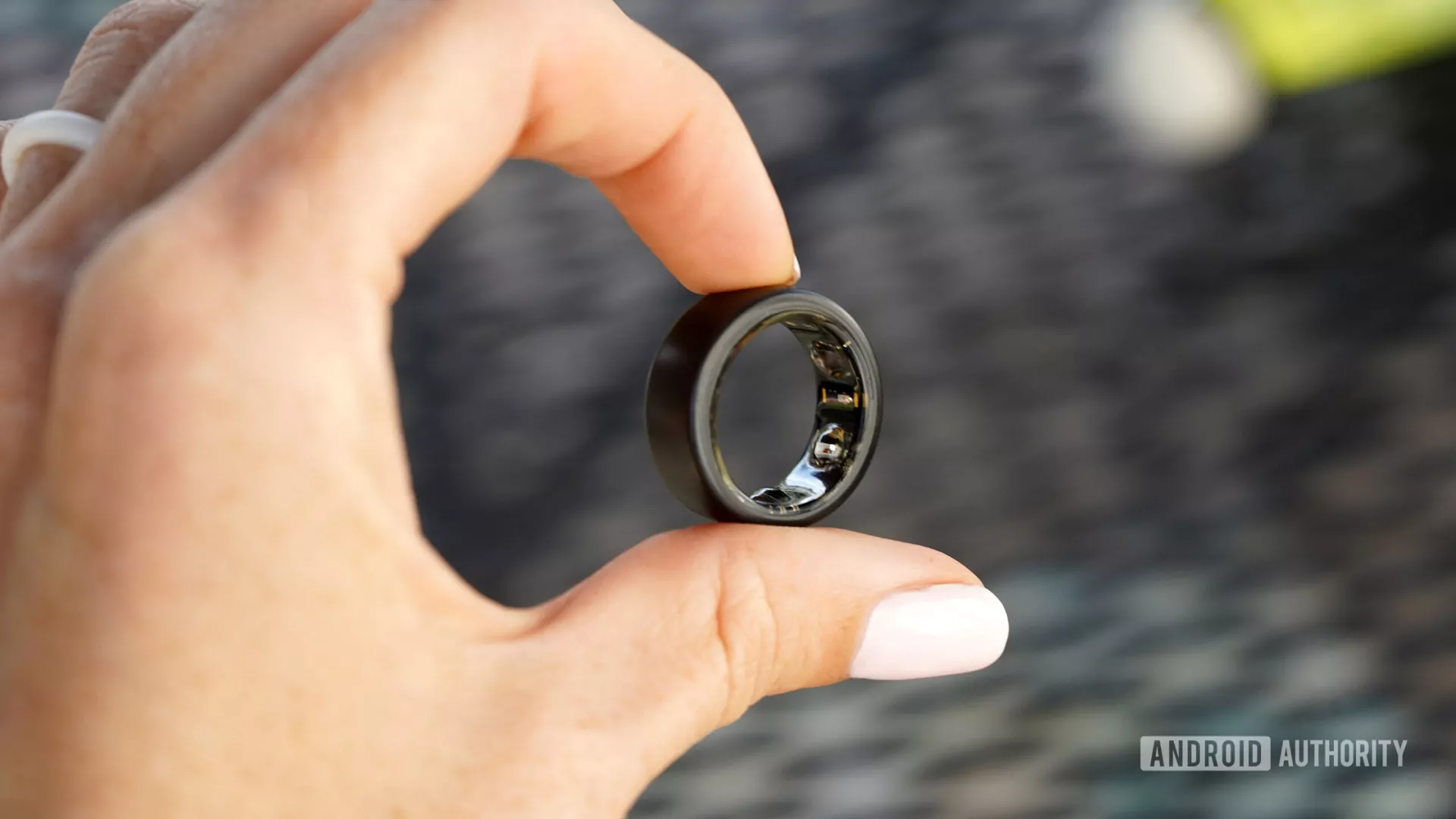


- Wearables currently struggle to gather data about body metrics that are traditionally measured via blood analysis.
- A new technique shows how a smart ring could overcome that limitation by analyzing sweat.
- While there are big hurdles to get over before anything like this is commercially viable, the tech sounds promising.
Wearable tech tends to improve along two different fronts — sometimes at the same time. We have devices like smart glasses or watches that try to bring smartphone-like processing, performance, and connectivity to a wearable form factor. But then there are trackers like the Fitbit Air or smart rings that are all about advanced sensor packages, gathering as much data about our bodies as they can. On that latter front, one of the biggest advancements we’ve been waiting for is a way to measure things like glucose levels non-invasively. And now some scientists are sharing an interesting new way to go about just that.
While having access to data like your glucose level can be extremely useful, measuring it tends to require needles to get at your blood — not something many of us would choose outside of medical necessity. But in a new paper published in Nature, a group of scientists outline how they designed a smart ring that measures glucose, lactate, and even alcohol levels just by non-invasively analyzing the wearer’s sweat (via CNET).

The ring uses an osmotic hydrogel polymer to effectively wick sweat away from your skin, empowering it to make readings even when you’re not drenched with perspiration.
Admittedly, this bulky experimental apparatus doesn’t exactly look ready to replace your Galaxy Ring — especially not when you consider that the hardware pictured above maxes out at about 12 hours of operation on a charge. But if manufacturers put the effort into commercializing tech like this, it’s a tantalizing preview for where we might hope to see wearables headed over the next few years.
The data the system is able to gather is reportedly comparable to measurements taken by actual blood analysis, possibly giving this tech a leg up over competing optical-based approaches. All we know is that whoever is able to solve this problem first, and in a way that doesn’t otherwise compromise too much on the overall wearable experience, is going to find themselves in a position to utterly dominate the market.
Thank you for being part of our community. Read our Comment Policy before posting.