Affiliate links on Android Authority may earn us a commission. Learn more.
Samsung’s ‘for Galaxy’ Snapdragon pulls ahead in GPU tests, until throttling wipes out its lead
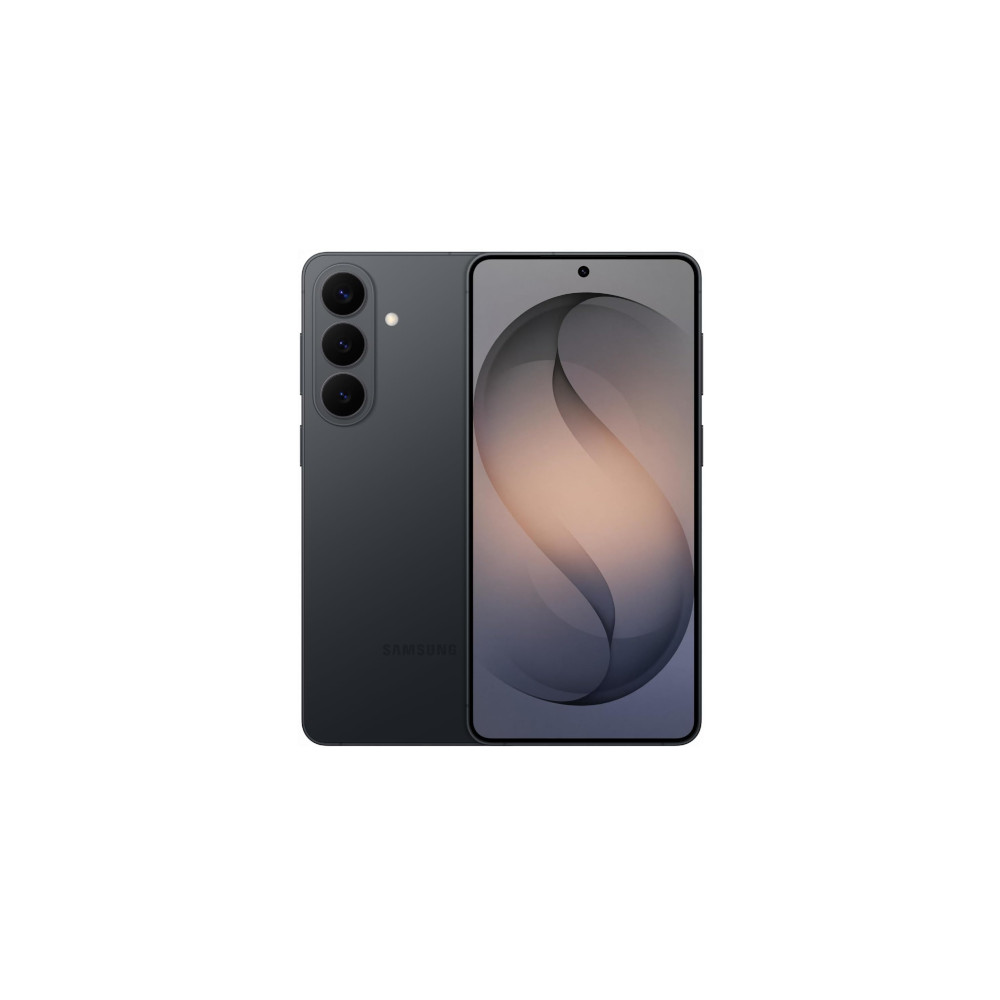
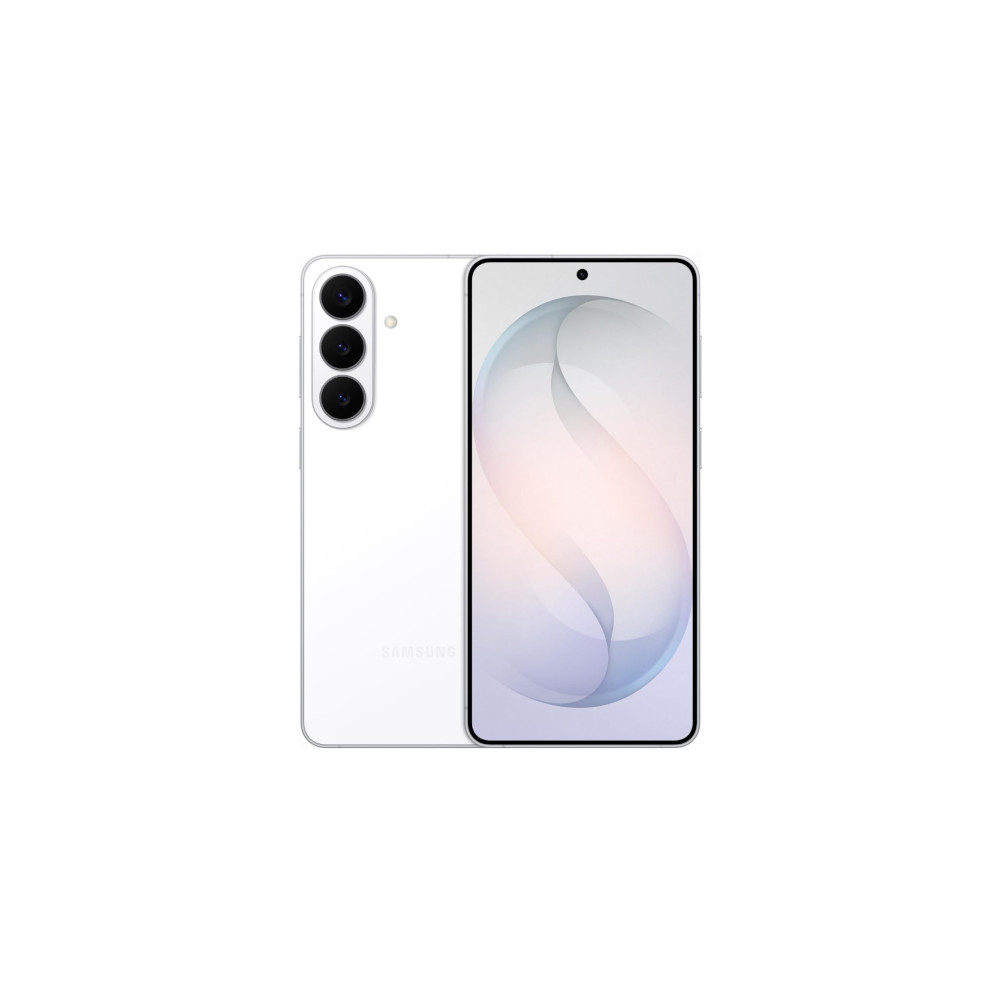
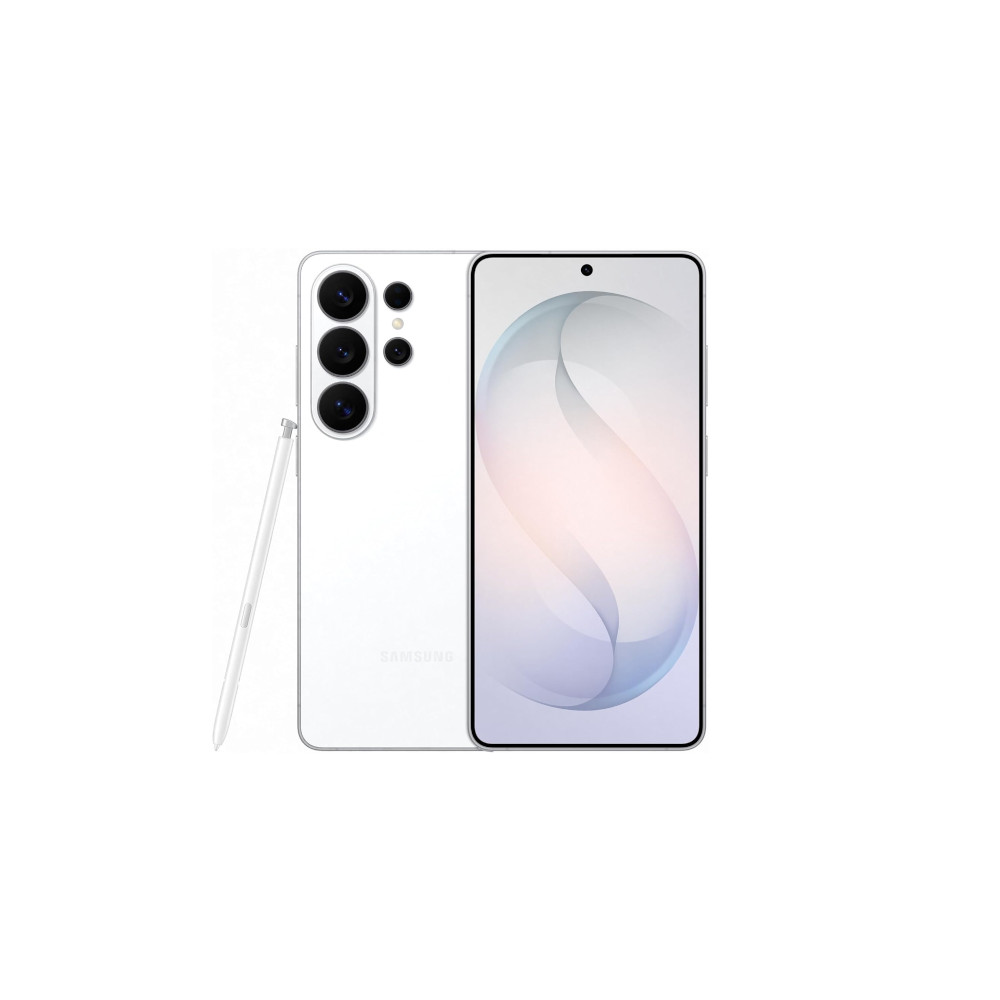
With the new Samsung Galaxy S26 Ultra in our hands, I’ve been itching to see how the phone stacks up against other Snapdragon 8 Elite Gen 5 handsets that have been on the market for a few months now. Based on my experience so far, today’s best Android phones are truly overkill for day-to-day tasks and even the most demanding Android games. They might even be powerful enough to bridge the gap between phones and lightweight PCs. Still, Samsung’s latest flagship claims to pack even more power with its souped-up Snapdragon 8 Elite Gen 5 for Galaxy.
Qualcomm notes that the Snapdragon 8 Elite Gen 5 for Galaxy offers a 19% CPU boost, 24% faster graphics rendering, and a 39% NPU uplift compared to its predecessor. However, that doesn’t tell us how much better, if at all, it is compared to the regular 8 Elite Gen 5, which has been on the market since late 2025.
Clock speeds are slightly higher, but what benefits does this really bring?
A closer look at the spec sheet reveals the biggest Oryon CPU cores peaking at 4.74GHz, up from 4.61GHz on the standard model. That’s a 2.8% increase, but with the smaller cores unchanged at 3.62GHz, this is unlikely to make much meaningful difference to day-to-day applications or even more advanced use cases.
Adreno clock speeds are much harder to uncover. Given Qualcomm cites a 23% generation jump for the standard 8 Elite Gen 5 over its predecessor, it stands to reason that the “for Galaxy” model might just poke its nose out in front here, too. However, last year’s Snapdragon 8 Elite for Galaxy was only a few percentage points faster in GPU benchmarks.
Snapdragon 8 Elite Gen 5 for Galaxy benchmarks
For comparison, I’ve grabbed the OnePlus 15 and the Xiaomi 17 Ultra. Two powerhouse flagships equipped with the regular Qualcomm Snapdragon 8 Elite Gen 5 and plenty of memory.

Starting with a look at the CPU performance scores, it’s essentially all square and within the margin of error of each other. That applies whether looking at single or multi-core workloads. All three phones offer essentially the same performance.
The clock-speed advantage for the Galaxy S26 Ultra doesn’t translate into a real boost here, likely because this is only a temporary value that isn’t sustained long enough to make a difference in Geekbench 6’s varied workloads. In fact, the Xiaomi 17 Ultra comes out on top in multi-core scores by 1.4% — but again, that’s within fine margins and score variation.
Turning to graphics workloads via 3DMark’s Stress Test suite, we see a surprisingly solid advantage for Samsung’s latest flagship, at least in raw performance terms.
The Snapdragon 8 Elite for Galaxy is anywhere from 5% to 12% faster than its rivals on the first run, depending on the exact model and test. The Wild Life Extreme test is more consistent, averaging around 10% faster for Samsung, while Solar Bay’s ray testing is closer, averaging around a 7% lead.
However, this victory is somewhat short-lived. The Samsung Galaxy S26 Ultra records the fastest temperature rise of the three, leading to moderate performance throttling. After just four minutes of intensive graphics workloads, all three models are back to performing at exactly the same level. From then on, the Galaxy S26 Ultra and OnePlus 15 continue to pare back performance at a very similar rate to keep heat under control. OnePlus often performs a little lower but has the benefit of a lower average temperature overall, just 39.1°C (102.4°F) and 37.3°C (99.1°F) on Wild Life Extreme and Solar Bay, respectively, compared to 41.5°C (106.7°F) and 41.7°C for Samsung. The Galaxy S26 Ultra’s redesigned cooling system helps the phone balance speed and heat, but it’s still not the chilliest phone on the market.
The Xiaomi 17 Ultra appears to offer far better sustained performance under stress than its other Snapdragon 8 Elite Gen 5 rivals, but only because it’s a glutton for punishment. Temperatures peak at a scorching 49.5 °C (121.1°F). That’s bad news for long-term battery health and makes the handset uncomfortable to hold after prolonged play sessions. While real games seldom stress Qualcomm’s flagship silicon quite as much as these tests, temperatures and sustained performance are important considerations if you’re an emulator lover.
Snapdragon 8 Elite Gen 5 for Galaxy performance verdict

All things considered, the Snapdragon 8 Elite Gen 5 for Galaxy doesn’t really move the needle in a meaningful way for everyday performance. But we’ve come to expect that; it’s been a similar trend with previous “for Galaxy” variants as well.
Despite the slightly higher clock speeds, GeekBench 6 shows that CPU performance is effectively identical to that of other Snapdragon 8 Elite Gen 5 devices. Given that today’s powerhouse CPUs are already overkill for most mobile workloads, users won’t feel a difference in daily apps.
The S26 Ultra is a powerhouse phone, even if the 'for Galaxy' chip doesn't add a lot.
Where Samsung’s tweaked chip stands out is in shorter GPU performance sessions, but even that advantage quickly fades under sustained workloads. The advantage in graphics benchmarks could certainly improve frame rates, but thermal throttling levels the playing field for longer and more demanding workloads, bringing performance back in line with competing devices. That reinforces an important takeaway: peak performance numbers don’t tell the full story if they can’t be maintained. In practice, sustained performance and thermal management matter far more than single-run benchmark wins.
Still, the Snapdragon 8 Elite Gen 5 for Galaxy inside some of Samsung’s S26 series phones is a top-tier performer. It won’t leave consumers wanting for performance, but also won’t turn into a smouldering slab in their hands. The next question is whether global customers with Samsung’s Exynos 2600 versions of the Galaxy S26 are missing out on the same level of overkill performance.
New Galaxy AI features
Faster Wireless charging
Snapdragon 8 Elite Gen 5 for Galaxy
Power AI features
Don’t want to miss the best from Android Authority?
- Set us as a favorite source in Google Discover to never miss our latest exclusive reports, expert analysis, and much more.
- You can also set us as a preferred source in Google Search by clicking the button below.


Thank you for being part of our community. Read our Comment Policy before posting.