Affiliate links on Android Authority may earn us a commission. Learn more.
I bought a Pixel 11 for just $300, and I immediately regretted it
Sep 29, 2026 — 6:00 AM ET



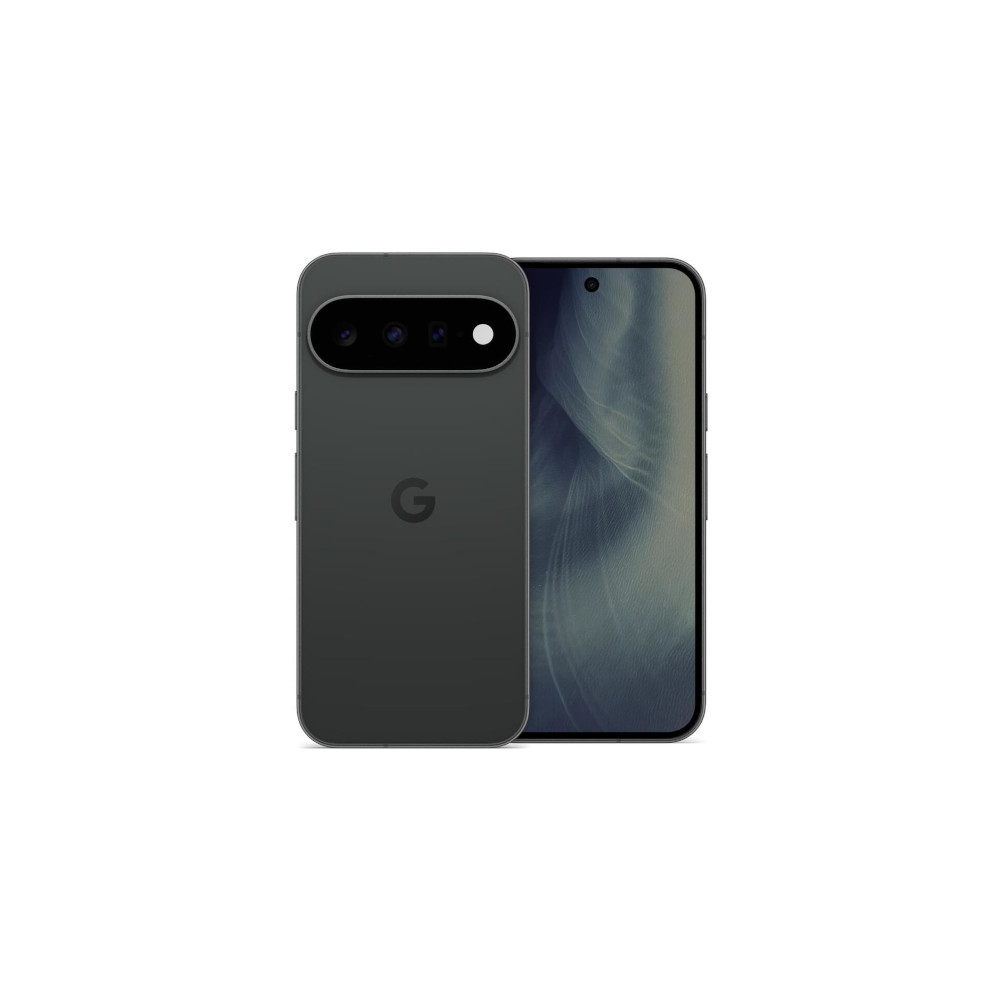
I was thrilled when I pulled the trigger on the brand new Pixel 11. Because of Google Fi and its legendary “loyalty discounts”, I saved a chunk of money compared to the sky-high prices of other flagship phones on the market.
On paper, it looked like the bargain of the year: top-tier camera hardware, sleek design, and Google’s latest software smarts. I mean, I only paid $300 for a brand new phone. How could I complain about that?
Then, I turned it on …
Did you buy your last phone because the price was right?
The setup nightmare: boot loops out of the box

The initial setup process is supposed to be the honeymoon phase of buying a new tech device. Instead, my Pixel 11 got trapped in an infuriating boot loop almost immediately. The phone would start transferring data, freeze, crash back to the Google G logo, and start the process all over again. And this isn’t an isolated incident; about a month ago, my colleague Dhruv ran into similar boot loop issues on his Pixel 11 Pro.
I spent nearly an hour troubleshooting — clearing the cache, force-rebooting, and trying different setup paths — before I finally managed to break the cycle and land on the home screen. It was frustrating, but I took a deep breath, convinced myself it was just a temporary software hiccup, and tried to enjoy my upgrade.
I also remembered that I was “lucky”; I knew how to do all this stuff because I’ve been messing with Android phones for 15 years. I felt sorry for normal, well-adjusted folks who expect things to work without all the nerd voodoo.
The connectivity mirage

Unfortunately, the real headache was just getting started. Once I was finally in, the phone refused to maintain a stable network connection.
At first, I thought my home network was acting up. But while my other devices streamed seamlessly, the Pixel 11 constantly dropped Wi-Fi, toggling endlessly between bands before disconnecting altogether. Switching to cellular data didn’t fix things either; the status bar proudly displayed full 5G bars, yet no actual data would load—a classic “ghost connection.”
Making calls, sending basic messages, or downloading essential apps turned into a waiting game. It became clear that the phone simply wasn’t usable in this state.
A great deal, but at what cost?

Defeated, I realized there was only one option left: a complete factory reset. Wiping a brand new phone that took hours to get running in the first place is the ultimate test of patience, but I had no other choice.
While the second factory reset did eventually stabilize the Pixel 11 enough to get basic functions working, the whole ordeal left a sour taste in my mouth. Buying a new phone should be an exciting upgrade, not a multi-hour battle against software bugs and connection drops.
Google devices have always been known for offering incredible value and clean software, and the price tag on the Pixel 11 certainly felt like a win upfront. But if you have to spend your first evening wrestling with boot loops, connectivity troubleshooting, and full system resets just to get a working phone, those savings start to feel illusory.
If you’re considering picking up a Pixel 11 to save a bit of cash, keep in mind that early adopter tax is real. Sometimes, a deal is only a deal if the device actually works out of the box.
Thank you for being part of our community. Read our Comment Policy before posting.