Affiliate links on Android Authority may earn us a commission. Learn more.
5 Android phones you should buy instead of the iPhone 18 Pro Max
Oct 5, 2026 — 6:00 AM ET


It’s been a few weeks since Apple launched the iPhone 18 Pro Max, and this year, it’s more expensive than ever to get your hands on one. The ongoing RAM and memory crunch hasn’t helped, and while Apple certainly isn’t the only brand feeling the pinch, $1,299 for the base 256GB iPhone 18 Pro Max is still a lot of money.
And that got me thinking about what else you could get for the same money. On the Android side, some seriously good phones don’t just compete with the iPhone 18 Pro Max — they offer features and experiences you really won’t get on Apple’s flagship. So, if I had $1,299 to spend on a phone today, these are the five Android phones I’d consider buying instead of the iPhone 18 Pro Max.
Which phone would you buy over the iPhone 18 Pro Max?
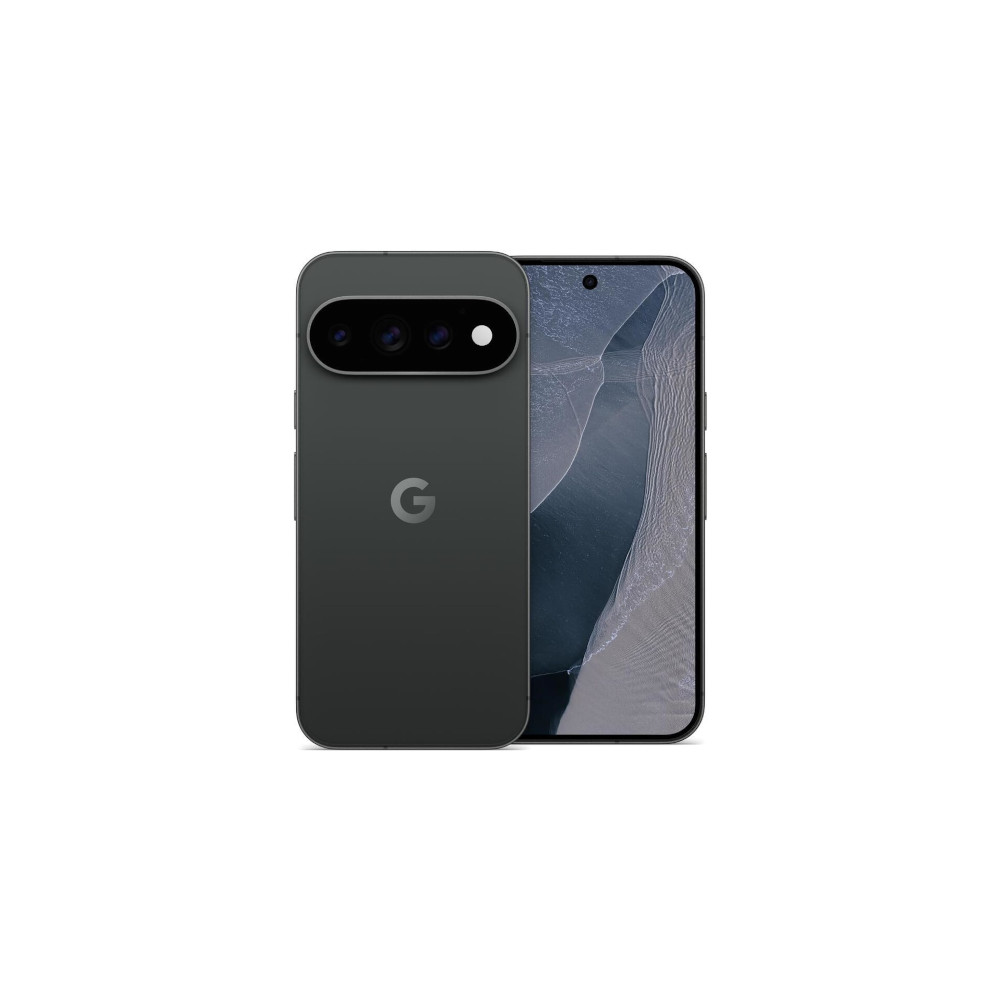
Google Pixel 11 Pro XL

The Google Pixel 11 Pro XL is probably the closest Android alternative to the iPhone 18 Pro Max, not just because of its size, but because of the way the whole phone looks, feels, and works. Having used both iPhones and Pixels over the years, I’ve increasingly felt like Apple and Google are borrowing ideas from each other. And honestly, there’s nothing particularly wrong with that. That back-and-forth is ultimately giving us better phones.
That back-and-forth is ultimately giving us better phones.
Everything on the Pixel 11 Pro XL just works well together, and it didn’t take me long to feel at home with it. Gemini is built deeply into the experience, the cameras are excellent, and above all, it’s a phone I enjoy using every day. I’ve spent more than a month doing pretty much everything on it, from endlessly scrolling through social media to playing demanding games like Call of Duty: Mobile, and it has handled almost everything.
It still gets warm when I’m outside shooting videos or taking lots of photos in bright sunlight, but that’s hardly unique to the Pixel. Even I start acting up when it gets too hot outside, and these are just phones after all.

Beyond that, what keeps pulling me back to the Pixel is Google’s software. The optimization is excellent, and everything works together incredibly well. You still get all the freedom of Android, just wrapped in an experience that feels remarkably cohesive.
And that brings me back to the price. For the same $1,299 as the iPhone 18 Pro Max, the Pixel 11 Pro XL gives you an excellent camera system, useful AI features, a wonderfully polished Android experience, and good performance.
Motorola Razr Ultra (2026)

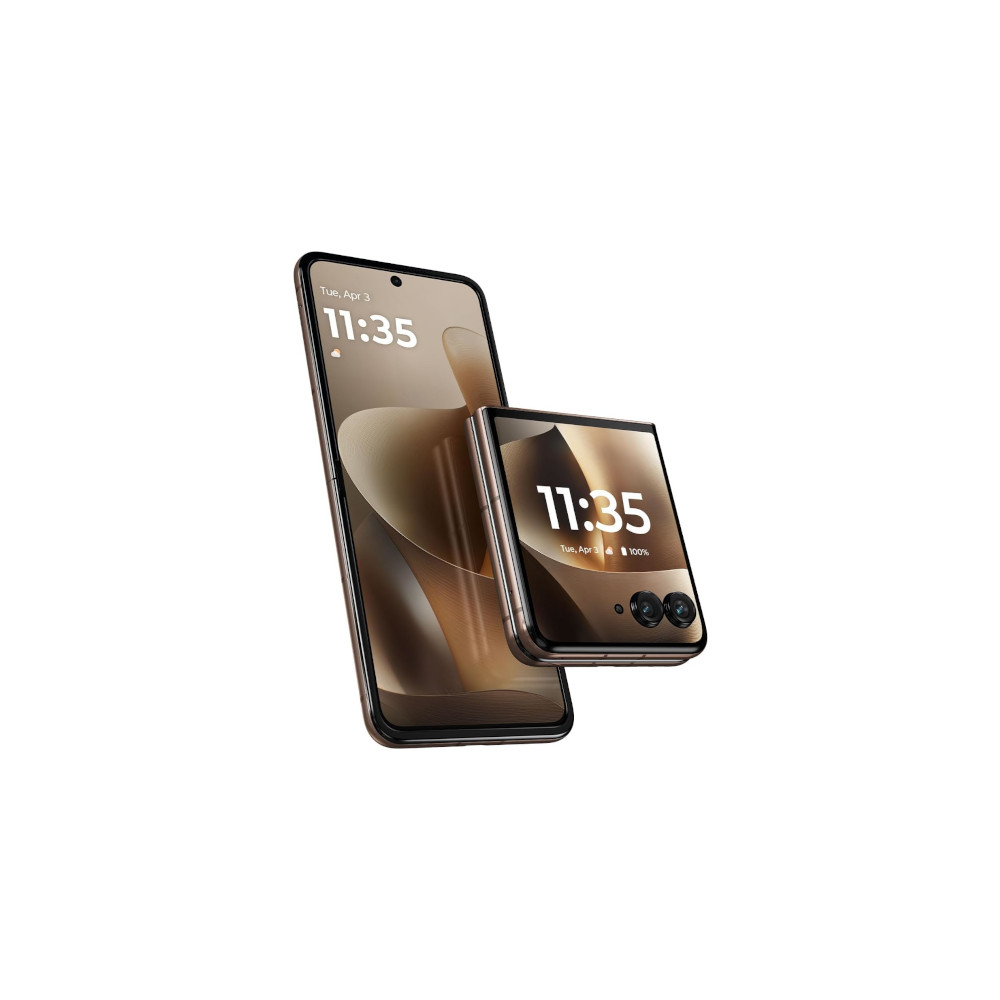
If you’re already willing to spend $1,299 on the iPhone 18 Pro Max, adding another $200 gets you something the iPhone can’t offer (at this price): a phone that folds in half.
And that’s exactly why I enjoy using the Motorola Razr Ultra (2026). Yes, flipping the phone open and shut is still fun, but I’ve found myself using the cover screen the most. I’m always doing something on it, whether that’s checking notifications, replying to an important message, changing my music, or even squeezing in a quick game. For a lot of those little things I do throughout the day, I don’t even need to open the phone anymore.
The good news is that you’re not giving up flagship performance just to get that folding design.
The good news is that you’re not giving up flagship performance just to get that folding design. The Razr Ultra (2026) runs on the Snapdragon 8 Elite, and yes, it’s not Qualcomm’s latest chip anymore. But after actually using the phone, I’m not sure that matters as much as you think. It still feels fast; our CPU testing produced strong results, and I haven’t found myself doing anything on the phone and thinking, “I really wish this was faster.”
Of course, I’d happily take a newer chip if Motorola offered one, but I also think we’ve reached a point where expecting a major processor upgrade every single year is becoming a little unrealistic, especially when phone prices keep going up. If the chip inside already handles everything I throw at it without becoming a problem, I’m perfectly happy with it.
Beyond performance, the Razr gets the other basics right, too. The cameras are quite capable, the 5,000mAh battery comfortably gets me through more than a day, and when it does run low, the fast charging means I’m not stuck waiting around for long.

It’s not perfect, though. Motorola’s software still has a few rough edges, and its software support isn’t as strong as what you get with some of the other phones on this list. But during everyday use, neither has really taken away from what I like about the Razr.
That’s ultimately why I’d consider it over the iPhone 18 Pro Max. You’re already spending an absurd amount of money on a phone, so why not spend a little more and get something that actually changes how you use it?
Samsung Galaxy S26 Ultra

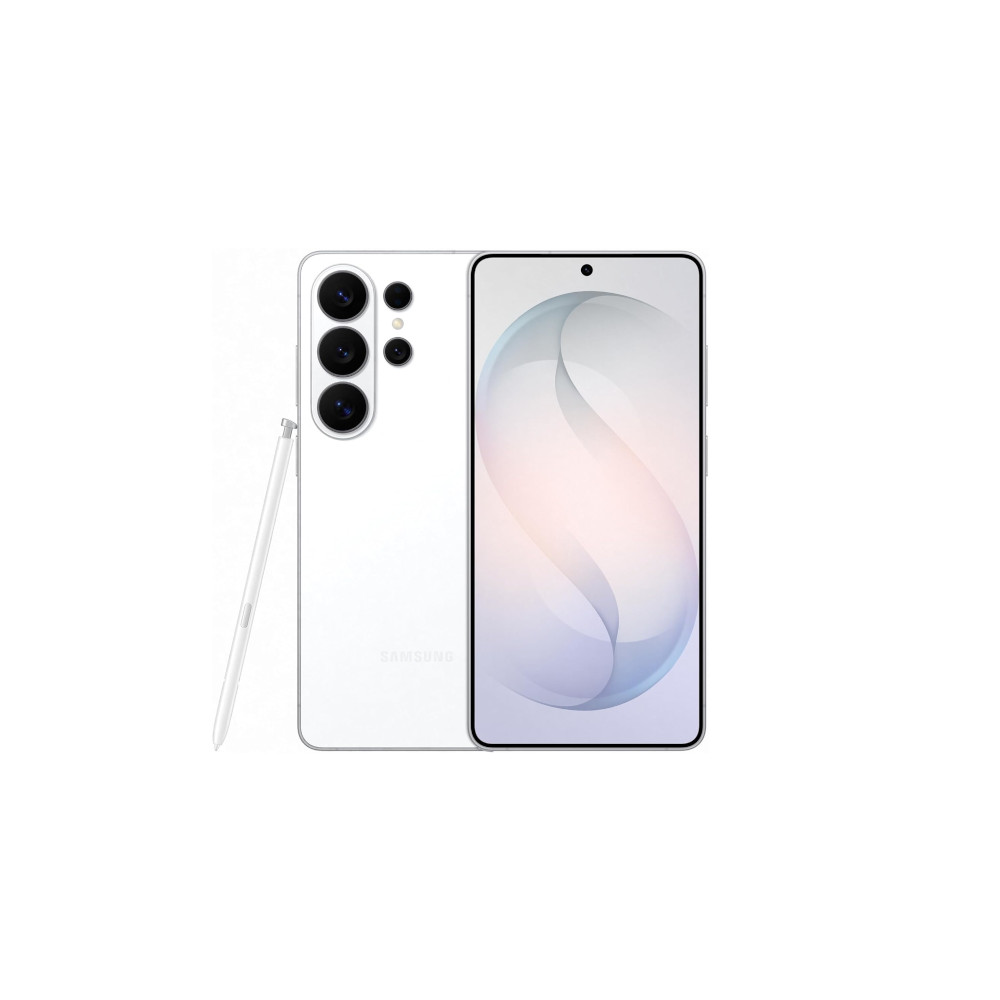
Besides the Pixel, the Samsung Galaxy S26 Ultra is perhaps the most direct Android rival to the iPhone 18 Pro Max. I’ve used it extensively, and if cameras, performance, AI features, and more control over your phone matter to you, the S26 Ultra does a lot incredibly well.
One of the first things I noticed this year is how much nicer it feels to hold.
One of the first things I noticed this year is how much nicer it feels to hold. Samsung has softened the frame, so the edges no longer dig into my palm as much, which makes a lot of difference on a phone this big. I also really like the way it looks. There’s nothing particularly wild about it, but I’ve always preferred minimal, understated designs, and the S26 Ultra is exactly that.
What I enjoy even more, though, is how much control Samsung gives me over the experience. One UI lets me tweak almost everything and set up the phone exactly the way I want it. That freedom becomes especially noticeable when I switch back to an iPhone. Galaxy AI adds another layer on top, and while I’m definitely not using every AI feature Samsung offers, the ones I do use work well enough that I’m glad they’re there.
The rest of the phone is just as well-rounded.
The rest of the phone is just as well-rounded. Performance is excellent, the cameras give me plenty of flexibility depending on what I’m shooting, charging is faster, and Samsung promises around seven years of software support.
I’ve also grown quite fond of the new privacy display, and it’s easily one of the most useful additions Samsung has made this year. I often check messages or work on something private while traveling, and being able to stop people beside me from easily seeing what’s on my screen is useful.

Samsung could still do a few things better. Battery life isn’t one of its strong suits, and I’ve found that some AI-assisted zoom shots can look worse than I’d expect from a phone this expensive. But neither issue takes away from just how capable the S26 Ultra feels overall.
And when it starts at the same $1,299 as the iPhone 18 Pro Max, that’s hard to ignore — you’re getting more control over your phone. I’d still lean toward the iPhone if video recording and the tightly optimized iOS experience matter most to you. For almost everything else, though, the S26 Ultra gives the iPhone 18 Pro Max some very serious competition.
Samsung Galaxy Z Fold 8 Ultra

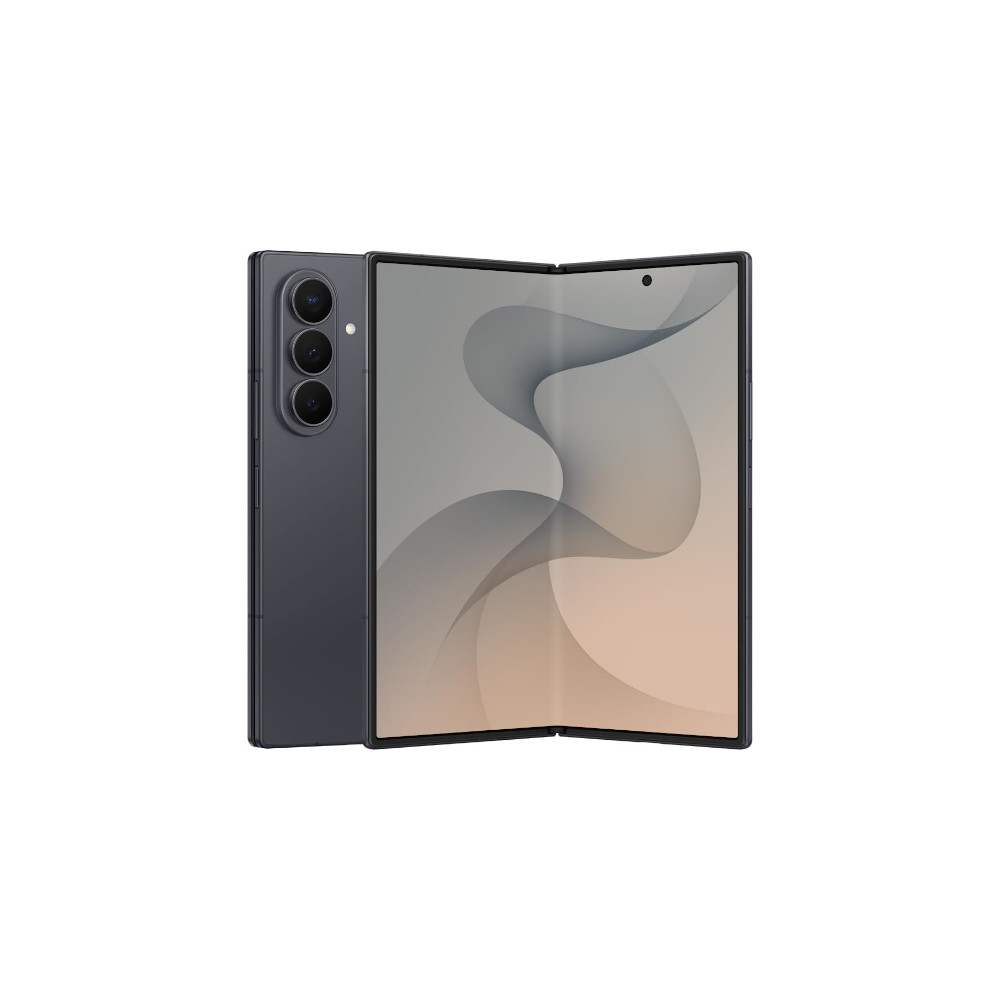
If I’m already spending this much money on a phone, though, part of me wants something that feels incredibly different. And that’s exactly why I’d consider spending more and getting the Samsung Galaxy Z Fold 8 Ultra instead.
I’ve been dabbling with the Z Fold 8 Ultra for over two months now, and it feels like Samsung has finally figured out exactly what it wants its foldable to be. You know how they say the third time’s the charm? Well, Samsung apparently needed eight tries, because this is the Fold I’ve been waiting for all these years.
Well, Samsung apparently needed eight tries, because this is the Fold I’ve been waiting for all these years.
A lot of that comes down to how normal it feels when I’m not using that inner screen. Previous Folds always reminded me I was carrying a foldable — they were thick and heavy. The Z Fold 8 Ultra is exceptionally slim, and its wider cover display lets me use it comfortably like a regular phone. I can reply to messages, scroll through Instagram, check emails, and do everything I want, just like I do on a slab phone.

But when I open it, I remember why I enjoy using a Fold so much. That tablet-sized display in my pocket has changed how I use my phone. I can have two apps open when I’m researching something, watch a YouTube video while replying to messages, go through documents without constantly zooming in, or just sit back and watch Netflix on a much bigger screen.
Samsung’s software is a huge part of why it all works. After eight generations of foldables, One UI feels incredibly well-suited to the fold factor, too. It’s one of those phones where the hardware and software actually feel like they were designed around each other.
It’s one of those phones where the hardware and software actually feel like they were designed around each other.
Thankfully, Samsung hasn’t made me sacrifice the rest of the flagship experience to get there either. The Z Fold 8 Ultra runs on Qualcomm’s latest flagship chipset, so performance has been excellent. The cameras are also genuinely good this time around.
Battery life has been another pleasant surprise. Samsung has finally put a 5,000mAh silicon-carbon battery inside, and in my everyday use, it has held up comfortably despite powering two displays. It also supports 45W charging, so when I do manage to run it down, it gets a useful amount of charge back without taking forever.

Yes, all of this comes at a price. The Z Fold 8 Ultra starts at $2,099 with 12GB of RAM and 256GB of storage, so we’re talking about another $800 over the iPhone 18 Pro Max. That is a huge jump, and I’m not going to pretend otherwise.
But if I were already spending well over a thousand dollars and had the budget to stretch further, this is the kind of upgrade I’d actually be tempted to make.
Samsung Galaxy Z Flip 8

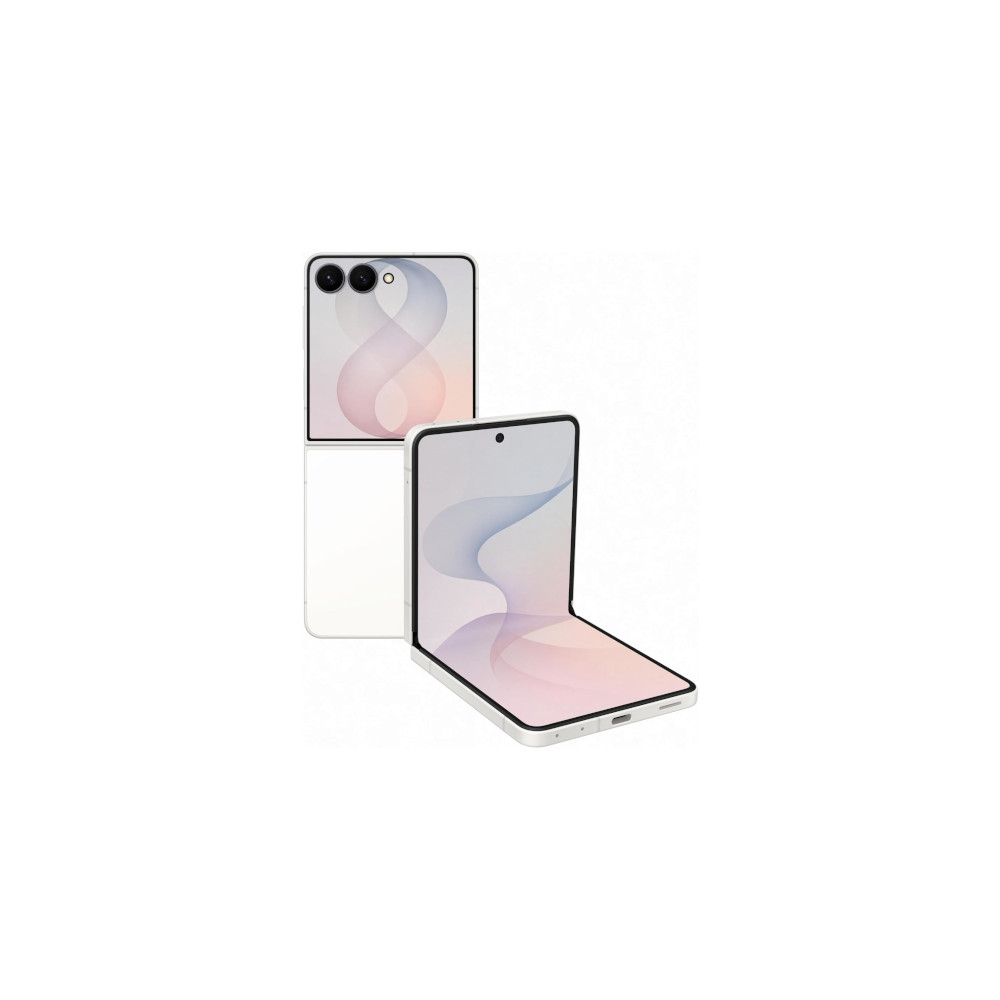
I completely understand if spending a whopping $2,099 on the Z Fold 8 Ultra sounds a little ridiculous. Thankfully, you don’t have to spend that much to get a foldable. The Samsung Galaxy Z Flip 8 actually costs $100 less than the iPhone 18 Pro Max, while still giving you the fun of folding your phone in half. It’s also considerably cheaper than the Motorola Razr Ultra (2026), even though it offers the same flip-phone form factor.
And much like the Razr, I spend a lot of time using the Z Flip 8 without actually flipping it open. There’s something about doing almost everything on a tiny display that still makes the Flip feel like this cute little gadget rather than just another smartphone.
The cute exterior doesn’t mean Samsung has skimped on performance, either.
The cute exterior doesn’t mean Samsung has skimped on performance, either. Like the Z Fold 8 Ultra, the Flip 8 runs on Qualcomm’s latest Snapdragon 8 Elite Gen 5 chipset, and I’ve been able to throw pretty much everything at it without major performance issues. It does get warm when I’m out and about and constantly multitasking, but never to the point where I want to put the phone down and wonder why I’m using it in the first place.

The battery capacity, on the other hand, hasn’t increased over its predecessor, but in my everyday use, the Flip 8 comfortably gets me through a full day. And if I’m a little more careful with how much I’m using it, I can stretch it beyond that as well.
You’re also getting the full Samsung software experience, including Galaxy AI and all those features that are genuinely handy when the right situation comes along. That’s what makes the Z Flip 8 such an interesting alternative to the iPhone 18 Pro Max. It costs $100 less, still gives you flagship performance and Samsung’s full software experience, but completely changes how you interact with your phone.
Thank you for being part of our community. Read our Comment Policy before posting.