Affiliate links on Android Authority may earn us a commission. Learn more.
The Signature 27 is Motorola's last chance to get Android updates right
Oct 30, 2026 — 6:30 AM ET
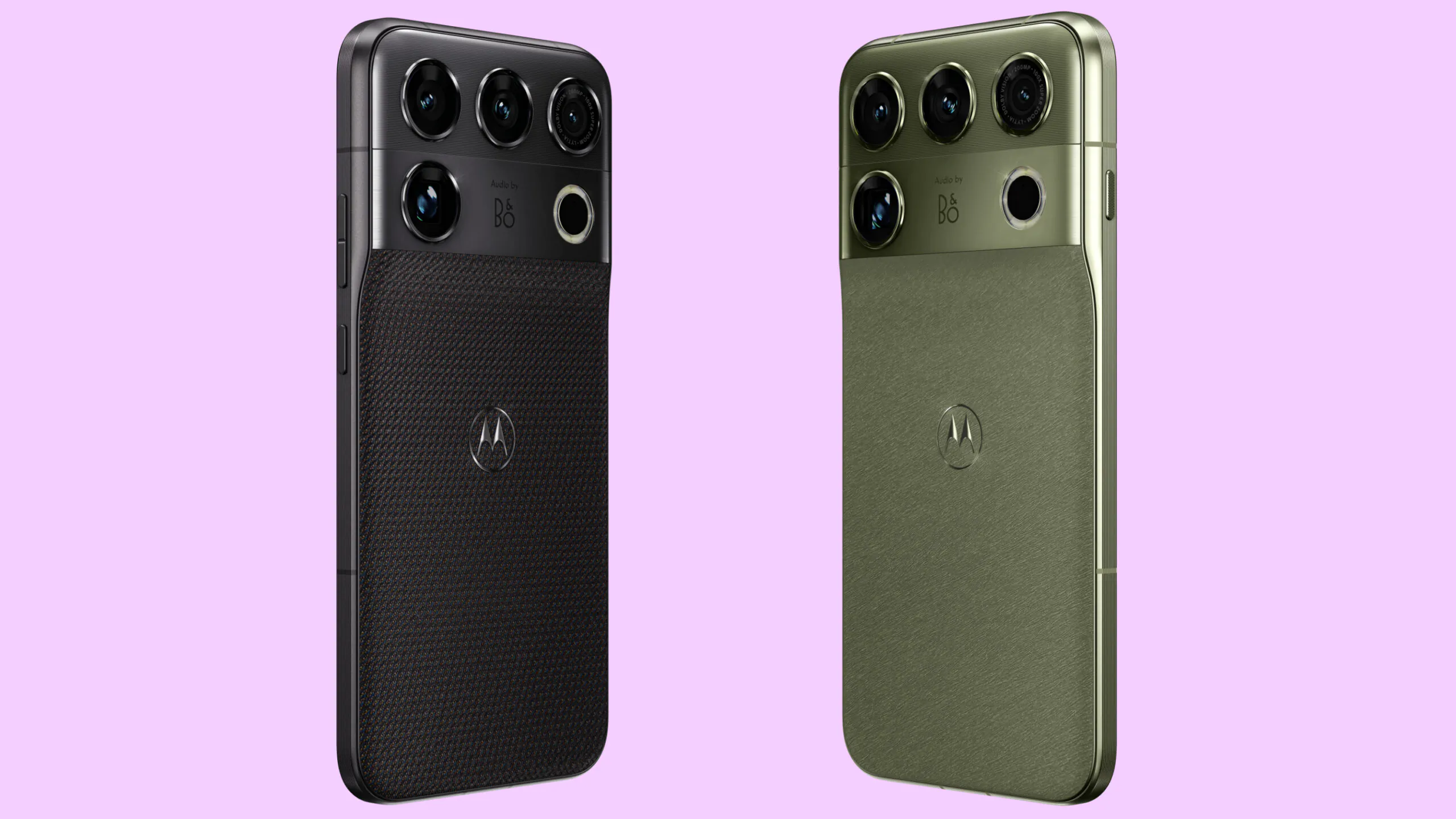


Last month, Motorola announced that the Signature 27 was on its way. Unlike its predecessor, the new ultra-high-end model will be available globally, including in the US.
The Signature series represents Motorola’s best, with cutting-edge specs like a Snapdragon 8 Elite Extreme SoC and a high-end cooling system. Another major difference is its much more ambitious Android update policy.
Motorola typically has a much shorter update guarantee policy than most of its rivals, but the Signature aims to be one of the few exceptions. The phone promises seven years of updates and bug fixes, but that doesn’t mean it’s the same exact policy you’d get from Samsung or Google.
This certainly sounds exciting, at least on paper. Given Motorola’s history, there is real reason to be concerned that this policy will be followed unevenly at best.
If Motorola keeps its promises this time, will it affect your thoughts on the brand?
Why I’m concerned about the claimed seven-year policy

As we learned earlier this month, Motorola’s seven-year update promise comes with an asterisk. First, Motorola is careful with the wording and says the phone will receive “up to seven major Android OS updates.” Another big difference is that it doesn’t promise monthly security updates and will only commit to bi-monthly updates.
Motorola has a history of underdelivering on its update promises.
Now I understand some folks might not care if monthly updates happen on the dot, as long as they occur. The issue is that Motorola has a history of underdelivering on its update promises, and so there’s no real guarantee that these updates won’t slip further as the device ages.
Just look at the original Signature, which promised seven years of updates and monthly patches. While it has largely kept the OS update promise with its fast introduction of Android 17, the rollout hasn’t exactly been a speedy process. Meanwhile, its “monthly” patches mostly have taken 2-3 months to arrive. This is exactly why it lowered its promise with the Signature 27, so it had a better chance of keeping it.
Motorola has had similar issues with keeping its promises across many of its other devices over the years, from budget to high-end. The Moto E (2015) was promised at least one update but never received it, while the Motorola Edge 20 initially saw conflicting promises ranging from one year to three in different regions until Motorola finally corrected the issue. Those are far from the only examples, but they help drive the point home that Motorola isn’t great at keeping its word.
How important are timely security patches, and what about OS updates?

I have to admit I don’t consider the slower monthly patches a big problem. Quick bug fixes aren’t always a positive thing; just look at Google. Earlier this year, its March update caused massive issues for multiple Pixel devices, including freezing issues, boot loops, and more.
We’ve seen similar problems in the past from Samsung and others. If Motorola wants to take its time to test everything and get the updates right the first time, that sounds like a good thing. Of course, that’s only true if the slower updates still come within a reasonable window and are actually reliably implemented. The problem is we can’t guarantee that’s the case here.
Updates are important, but if it takes a bit more time to get them right? That's less of a problem for some of us.
Motorola not only has a history of being slower, but it has also shipped some serious bugs. The Moto Edge 60 Pro has experienced severe battery drain since the Android 17 rollout, and even some of Motorola’s bug fixes have caused temporary battery drain and network issues in the past. So far, being slower hasn’t made Motorola any more steady here.
If Motorola commits to really improving its track record here, I think many people could slowly start to come around to its slightly slower cadence. The same goes for OS updates. If the company is occasionally slower but gets the OS update right, I personally wouldn’t complain.
Even the “up to seven” wording wouldn’t bother me if it means Motorola ends up releasing only six major updates because it thoroughly tested the phone and found it couldn’t create a stable, decent experience without some real issues. I’d prefer that over keeping its word and delivering an awful experience.
Let’s be honest, though: Motorola might use “it won’t run well” as an excuse even if it weren’t true, such as when a phone is less popular than hoped, or Motorola doesn’t want to spend extra money just to keep its reputation afloat.
Motorola needs to tread carefully here

Motorola doesn’t have to get it perfect. Yes, there are always going to be tech journalists like me and hardcore fans who whine if an update is late, has an extra bug, or whatever.
Most average consumers aren’t nearly as attached to this issue, though. What matters more is that the phone’s experience remains fluid, functional, and secure, and that it doesn’t miss out on major new features that could easily have been brought over.
I’d argue this is true even for devices like the premium-focused Signature 27. While it might appeal more to Android enthusiasts than casual users, this group is wider than people imagine. As many of us have aged, we have other focuses and responsibilities, and we care much less about getting a new phone every few years, as long as the current hardware still feels fast and fluid and isn’t missing anything major.
I don’t want or crave the latest hardware in every case, but I do want to keep up with major software features and trends like the shifts in AI and platforms like Google Gemini. I also might not care if they are late on occasion, but I do care about the general pattern.
It's not too late for Motorola to finally get updates right.
Motorola has adjusted its policy a lot over the years. The original Signature was a big swing and didn’t quite hit it out of the park in terms of its promises.
If the Signature 27 can keep its two-month updates at least 75% of the time and still offer all seven updates, even if slightly later, its reputation could slowly start to turn around. This might even be enough to convince Motorola to continue that goodwill by extending its promises and reliability to more devices.
It’s not too late for Motorola to finally get updates right, but the Signature 27 feels like its final shot. If Motorola continues to move its goalposts around update lengths and guarantees, no one will take any version of its promises seriously in the long term.
Conversation
Read what readers said or add your take.