Affiliate links on Android Authority may earn us a commission. Learn more.
5 Android phones you should buy instead of the iPhone 18 Pro
Sep 16, 2026 — 6:30 AM ET


Apple announced the iPhone 18 Pro series a few days ago, and as is often the case with a new iPhone, this year’s changes feel more evolutionary than revolutionary. That’s not necessarily a bad thing. The iPhone 18 Pro still looks incredibly premium, especially in the new Burgundy finish, and the variable-aperture camera is easily one of its more interesting upgrades.
But as good as the iPhone 18 Pro looks, it isn’t the only flagship worth spending your money on. Android phones have become incredibly good over the past few years, and depending on what you actually want from your next phone, some alternatives arguably offer even more.
So, before you spend $1,199 on the iPhone 18 Pro, here are some of the best Android phones to consider instead.
Which phone would you buy over the iPhone 18 Pro?
Google Pixel 11 Pro

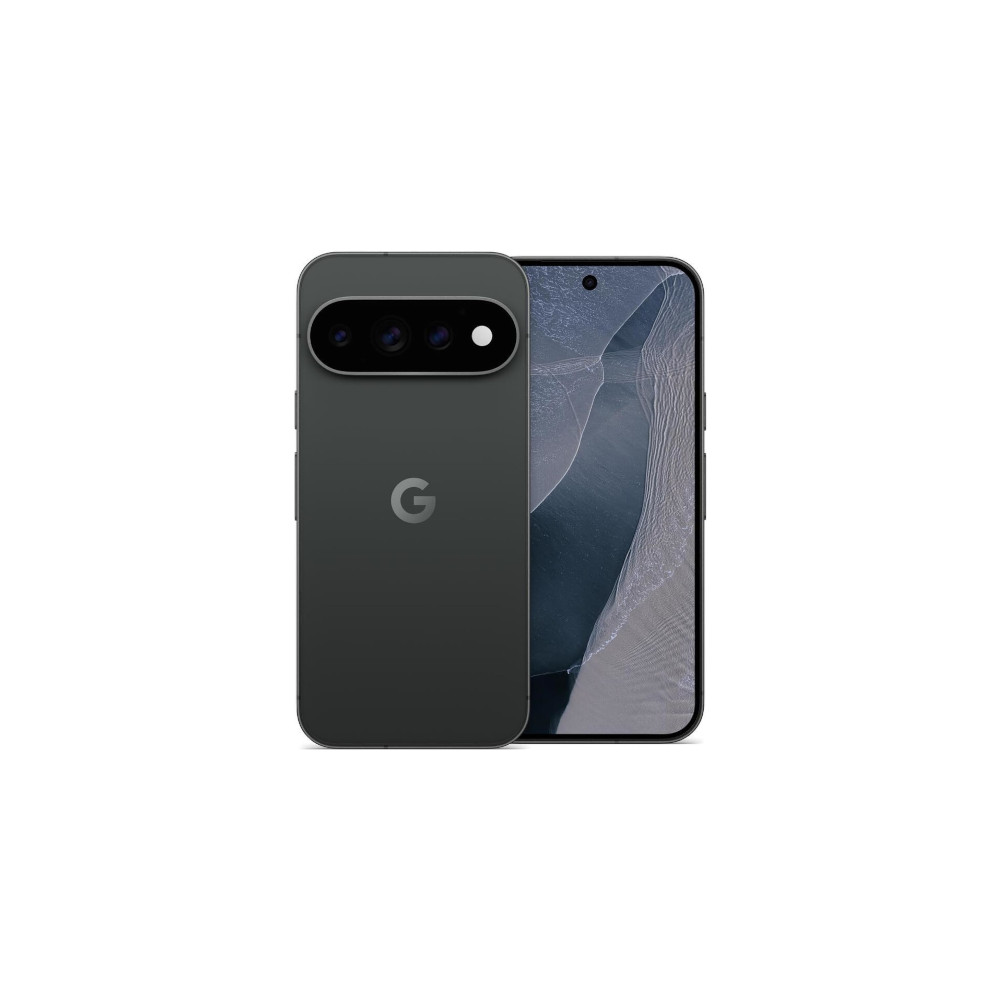
The Google Pixel 11 Pro launched last month, and of all the Android phones you could buy instead of the iPhone 18 Pro, this is probably the closest overall alternative. A lot of that comes down to how Google approaches its premium phones. I’ve always liked the simplicity of the Pixel design, and there’s something about it that reminds me of what Apple does so well with the iPhone.
That similarity carries over to the display, too, though it’s one area where the Pixel pulls ahead on paper. It can reach 3,600 nits of peak brightness, which is 600 nits higher than the iPhone 18 Pro. The difference will be noticeable when using the Pixel outdoors in bright sunlight.
The Pixel 11 Pro runs on Google’s latest Tensor G6 chip, and I won’t pretend Tensor has a spotless track record.
Of course, a great screen doesn’t mean much if the experience behind it isn’t equally good, and this is where I was initially a little skeptical. The Pixel 11 Pro runs on Google’s latest Tensor G6 chip, and I won’t pretend Tensor has a spotless track record. Previous generations have had their fair share of performance and thermal problems. However, I’ve used the Pixel 11 series extensively over the past month and haven’t run into any major issues so far. Everything has felt smooth and responsive in day-to-day use, and Google’s software makes that experience even better.
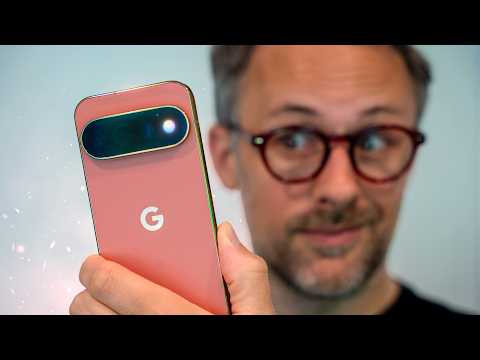
Android 17 comes preinstalled, with Google promising seven years of OS updates, but the actual experience of using the software is what keeps Pixels standing out for me. Everything feels clean, straightforward, and refreshingly free of unnecessary apps and clutter.
And you shouldn’t have to worry too much about running out of battery while doing all of that. It has a 4,850mAh battery and 30W charging, which should comfortably get most people through a full day. The charging speed isn’t particularly exciting by Android standards, but the overall package is much easier to forgive at this price.
You’re getting 256GB of storage while spending $100 less than you would on the equivalent iPhone 18 Pro. For that money, you get a similarly premium, compact flagship, an excellent display, cameras I really enjoy using, clean software, and some of the best AI features available on a phone right now.
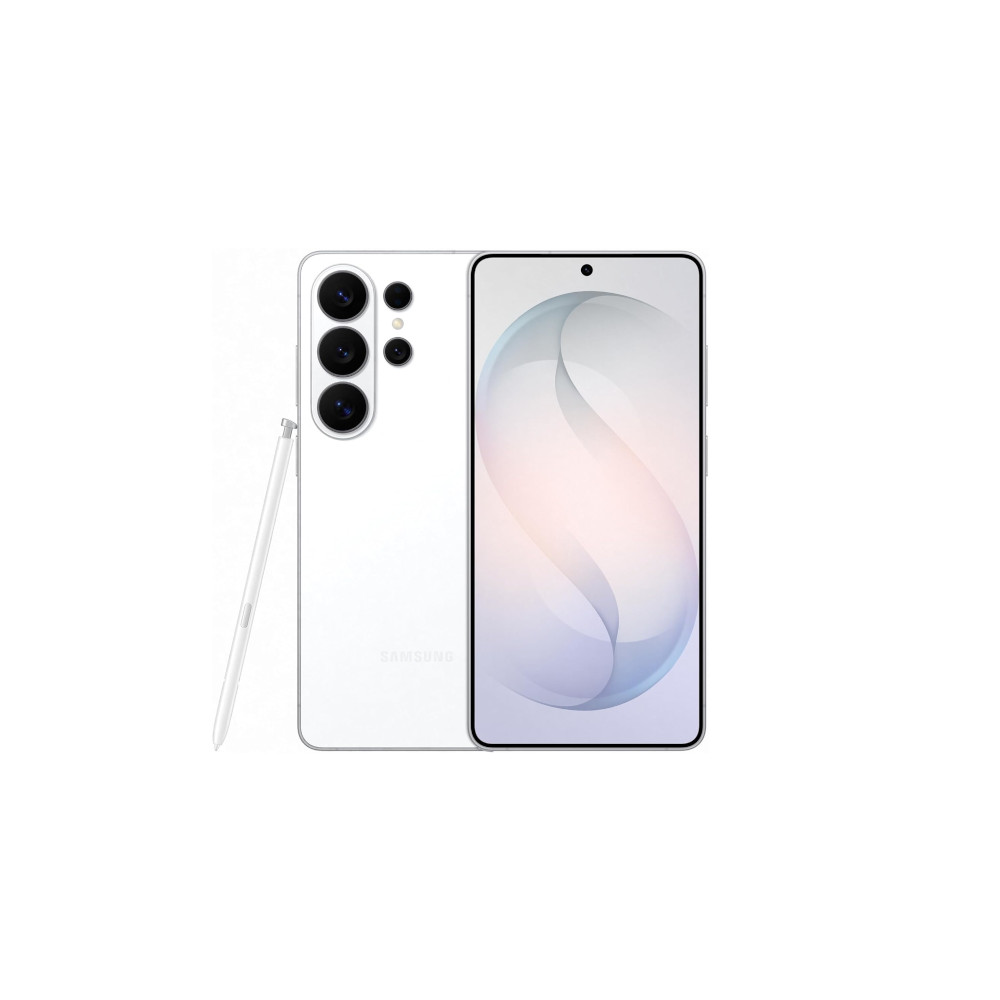
Samsung Galaxy S26 Ultra

I know the Samsung Galaxy S26 Ultra isn’t exactly a direct competitor to the iPhone 18 Pro. At $1,299, it costs more and technically sits closer to the iPhone 18 Pro Max. But if you’re already spending this much on a flagship phone and don’t mind stretching your budget a little further, I think the Ultra makes a very strong case.
You’ll see where that money goes as soon as you pick it up. The Galaxy S26 Ultra is Samsung’s latest and greatest smartphone, with a glass back, aluminum frame, and a design that looks every bit as premium as its price suggests. It is considerably larger than the iPhone 18 Pro, though, with a huge 6.9-inch display. But that display also hides one of my favorite features on any phone right now: the built-in privacy display. If you travel frequently, work on your phone in public, or don’t enjoy the person sitting next to you sneaking a look at your screen, it can make a big difference.
That display hides one of my favorite features on any phone right now: the built-in privacy display.
The Galaxy S26 Ultra runs on Qualcomm’s Snapdragon 8 Elite Gen 3, and the performance is every bit as flagship-grade as you’d expect. It performs exceptionally well in our CPU-heavy benchmarks, like Geekbench 6, keeping up with some of the fastest phones across both Android and iOS.

The cameras give you another reason to consider spending the extra money. Samsung certainly wins the megapixel battle on paper, but numbers alone aren’t why I’d pick the Ultra. The camera system’s versatility makes the difference. You have far more room to play around with different focal lengths and zoom ranges, making it a much more interesting camera setup if photography is a big part of how you use your phone.
So yes, $1,299 is a lot of money for a smartphone, and you’re paying more than you would for an iPhone 18 Pro. But that extra $100 gets you a larger display with genuinely useful privacy tech, excellent performance, a more versatile camera system, and faster charging.
Samsung Galaxy S26

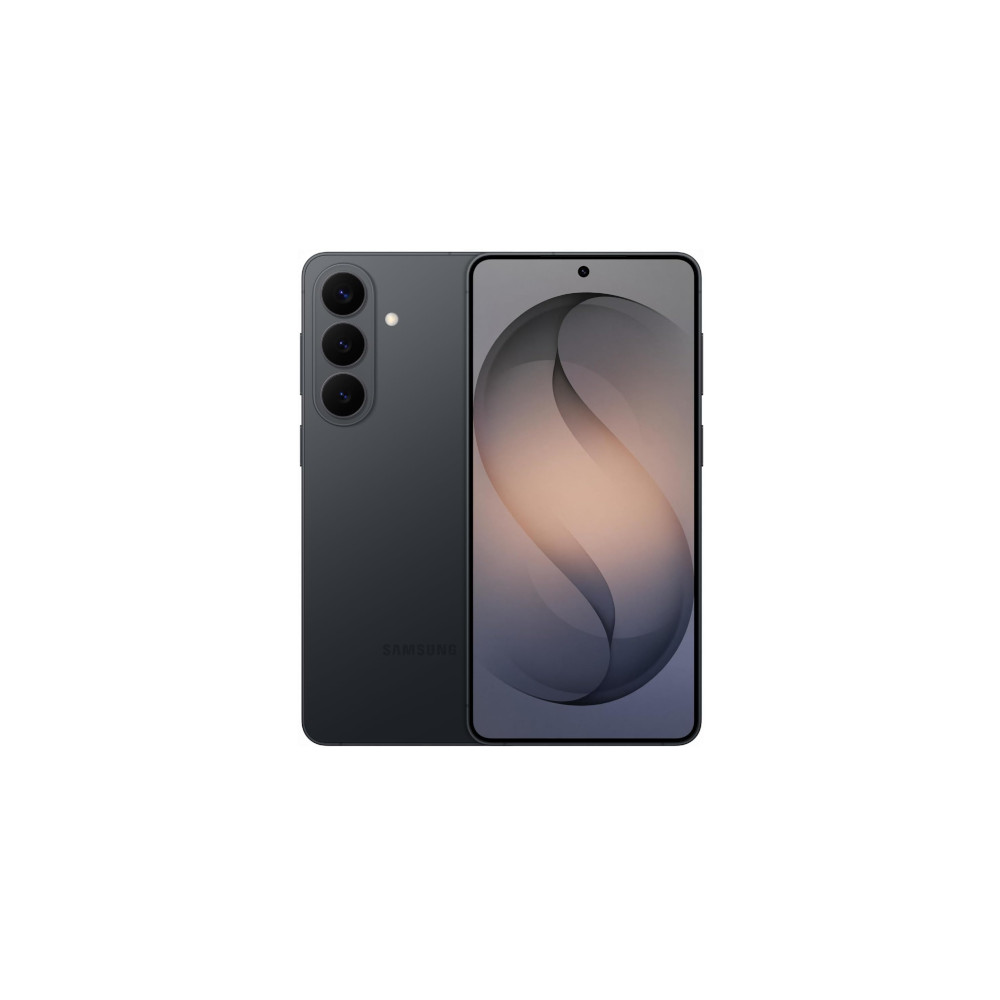
Now, I completely understand if the Galaxy S26 Ultra sounds like too much of a phone. It’s big, heavy, and expensive, and not everyone wants to carry around a 6.9-inch slab every day. That’s where the vanilla Galaxy S26 comes in. I wouldn’t necessarily call it a smaller S26 Ultra, because there are some important differences between the two, but it offers a surprising amount of the same experience in a much more manageable package.
The Galaxy S26 weighs just 167 grams, and after using so many enormous flagship phones, picking up something this thin and light feels almost refreshing. You still get plenty of the things that make Samsung’s more expensive flagship so appealing, including the same chipset, an IP68 rating for dust and water resistance, and seven years of OS updates.
You’re still getting a flagship experience, just without the size and weight that usually come with one.
Naturally, squeezing all that hardware into a much smaller body comes with some limitations. The Galaxy S26 won’t sustain performance quite as well as the 18 Pro and the Ultra when you really start pushing it, but in regular day-to-day use, the difference isn’t nearly as dramatic as you might expect. You’re still getting a proper flagship experience, just without the size and weight that usually come with one.

What surprised me even more is that Samsung hasn’t used the smaller body as an excuse to completely skimp on the battery. It packs a 4,300mAh battery, which is still larger than what you get with the iPhone 18 Pro. So, choosing the smaller Galaxy doesn’t automatically mean spending the rest of your day looking for a charger. However, you’ll have to make a few compromises on the cameras. It’s perfectly usable, but it isn’t the camera I’d buy the S26 for.
Thankfully, the price makes those compromises much easier to accept. The Galaxy S26 starts at just $899, making it a whopping $300 cheaper than the iPhone 18 Pro. For a phone this compact and lightweight that still gives you flagship performance, I think that’s an awesome deal.
Motorola Razr Ultra (2026)

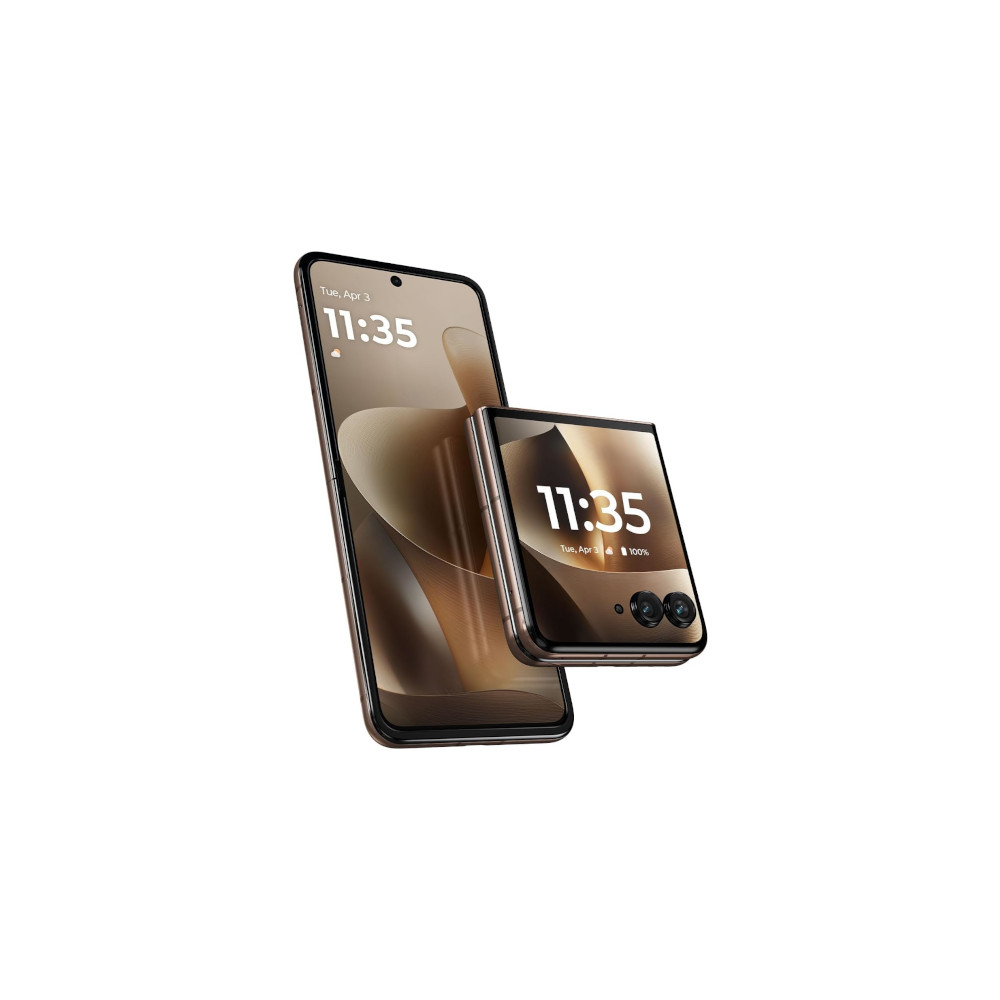
The Motorola Razr Ultra (2026) is a slightly different kind of alternative to the iPhone 18 Pro, and I know what you’re probably thinking: why is there a flip phone on this list? But hear me out: if you’re willing to try something different, the Razr can do a few things a regular slab phone like the iPhone can’t.
The most obvious advantage is its size. Fold the Razr Ultra shut, and it becomes considerably more compact, making it much easier to slip into a pocket or bag. But you don’t have to unfold it every time you want to use it, either. The cover screen is large enough to handle plenty of everyday tasks, so you can quickly check notifications, reply to a message, change a song, look at Maps, or glance at something without opening the phone at all. Then, when you actually need more space, you can flip it open and have a full-sized display waiting for you.
165Hz refresh rate is another meaningful advantage for the Razr.
Motorola hasn’t cut corners on the displays to make the foldable design work, either. Both the large inner screen and the cover display support a 165Hz refresh rate, which is impressive on its own, but having that same smoothness across both screens makes an even bigger difference in everyday use. Compared to the iPhone 18 Pro’s 120Hz display, the Razr’s 165Hz refresh rate is another meaningful advantage.
And once you unfold it, you’re still getting the performance you’d expect from a proper flagship. The Snapdragon 8 Elite inside may no longer be Qualcomm’s latest chip, but I don’t think that should immediately put you off. I’ve used the Razr Ultra for everything from gaming and multitasking to work, social media, and everyday tasks, and it has handled it all without giving me much reason to complain.

The bigger compromise is the camera system. Unlike the iPhone 18 Pro, you’re only getting two rear cameras, so this certainly isn’t the phone I’d recommend if camera versatility is your biggest priority. Still, I’ve been happy with the photos it produces.
All of that does come at a price, though. The Motorola Razr Ultra (2026) costs $1,500, putting it roughly $300 above the iPhone 18 Pro. That’s a lot of money, especially when you’re accepting a less versatile camera system and an older processor. But you’re also paying for something fundamentally different.
Nothing Phone 4a Pro

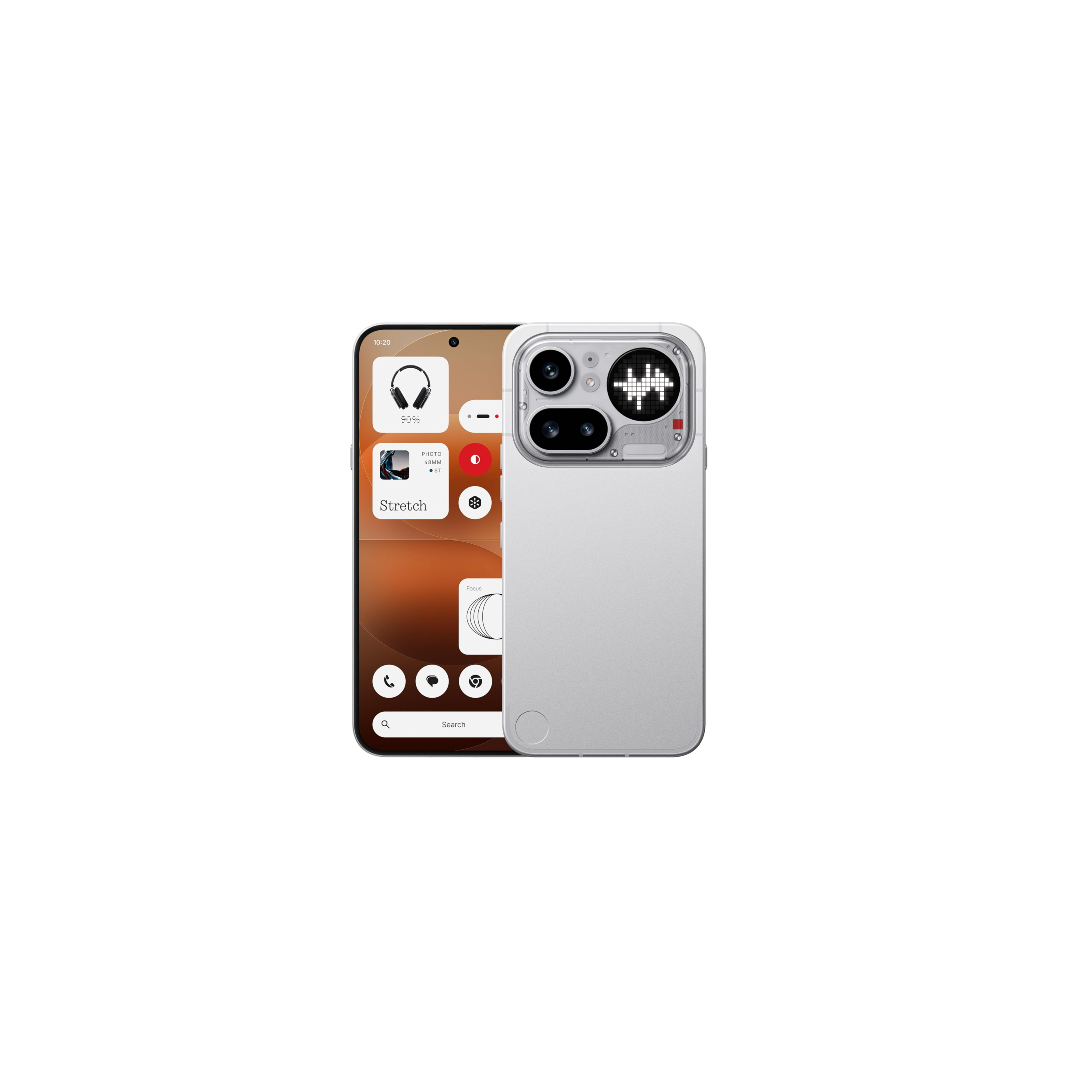
The Nothing Phone 4a Pro takes this list in a completely different direction. It’s easily the most affordable option here, but more importantly, it’s the phone I’d consider if you’re tired of flagships starting to look and feel increasingly similar. Nothing has always been willing to have a little fun with smartphone design, and the Nothing Phone 4a Pro continues that trend. Put it next to an iPhone 18 Pro, or most Android phones for that matter, and there’s no mistaking which one is the Nothing.
That personality carries over to the software as well, and it’s one of my favorite things about using Nothing phones. Nothing OS is clean and understated, and everything from opening apps to jumping between menus feels quick and snappy.
Choosing it over the iPhone 18 Pro leaves roughly $700 in your pocket.
And because you’re saving so much money, you might expect the everyday experience to take a significant hit somewhere, but that really isn’t the case. Performance is more than good enough for the usual mix of social media, browsing, messaging, streaming, and jumping between apps throughout the day. Battery life holds up well, too, so even if you’re using the phone regularly from morning to night, getting through the day shouldn’t be much of a concern.

Choosing it over the iPhone 18 Pro leaves roughly $700 in your pocket. That is a massive difference, and unless you specifically need everything Apple’s Pro phone offers, the Nothing Phone 4a Pro is a pretty convincing reminder that a great smartphone experience doesn’t have to cost $1,200.
Thank you for being part of our community. Read our Comment Policy before posting.